Mothe Beatriz, Hu Xintao, Llano Anuska, Rosati Margherita, Olvera Alex, Kulkarni Viraj, Valentin Antonio, Alicea Candido, Pilkington Guy R, Sardesai Niranjan Y, Rocafort Muntsa, Crespo Manel, Carrillo Jorge, Marco Andrés, Mullins James I, Dorrell Lucy, Hanke Tomáš, Clotet Bonaventura, Pavlakis George N, Felber Barbara K, Brander Christian
IrsiCaixa AIDS Research Institute - HIVACAT, Hospital Germans Trias i Pujol, Crta Canyet s/n., 08916, Badalona, Barcelona, Spain.
'Lluita contra la Sida' Foundation, Hospital Germans Trias i Pujol, Badalona, Barcelona, Spain.
J Transl Med. 2015 Feb 15;13:60. doi: 10.1186/s12967-015-0392-5.
None of the HIV T-cell vaccine candidates that have reached advanced clinical testing have been able to induce protective T cell immunity. A major reason for these failures may have been suboptimal T cell immunogen designs.
To overcome this problem, we used a novel immunogen design approach that is based on functional T cell response data from more than 1,000 HIV-1 clade B and C infected individuals and which aims to direct the T cell response to the most vulnerable sites of HIV-1.
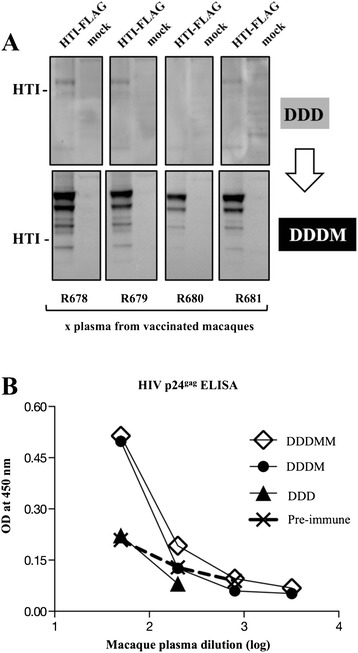
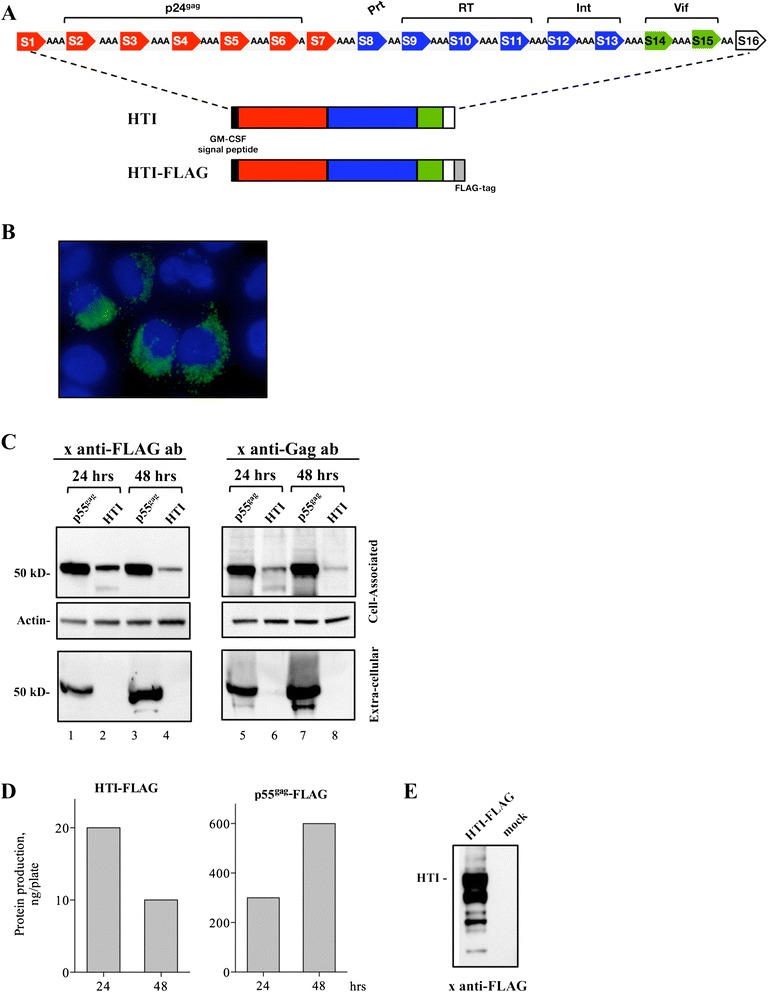
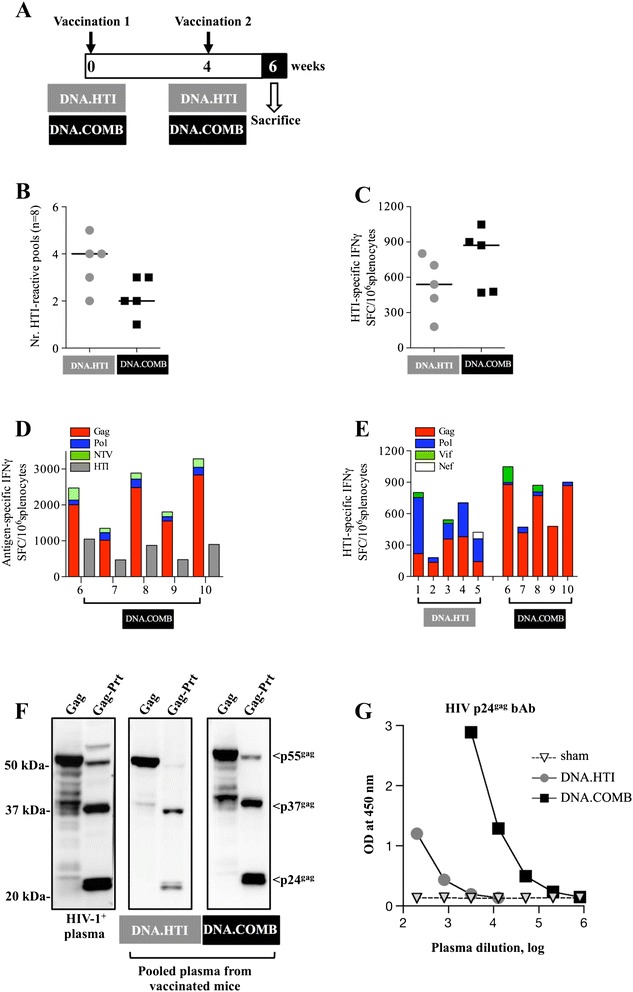
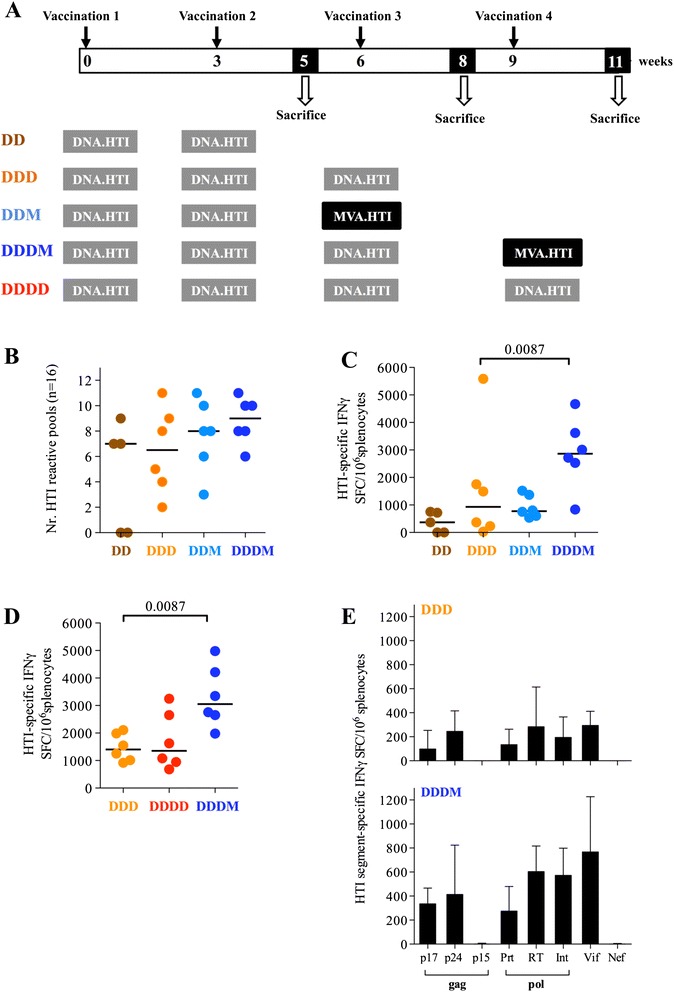
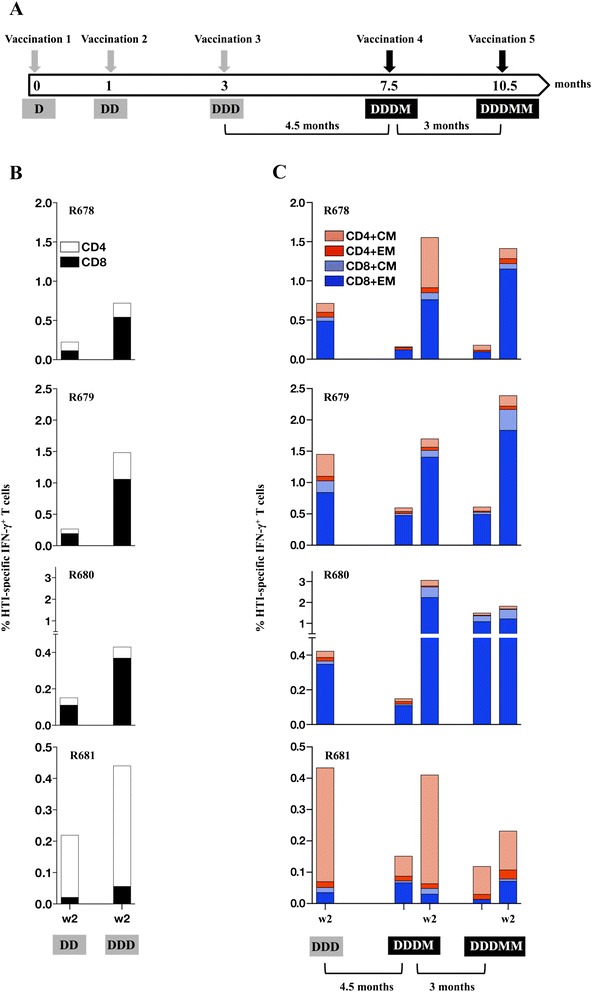
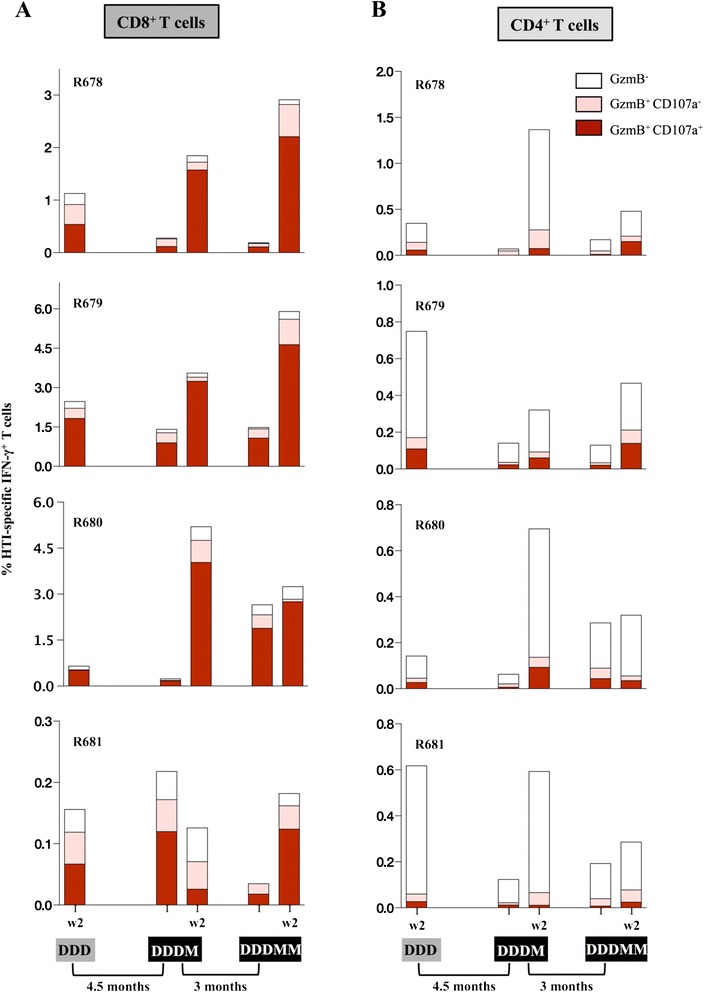
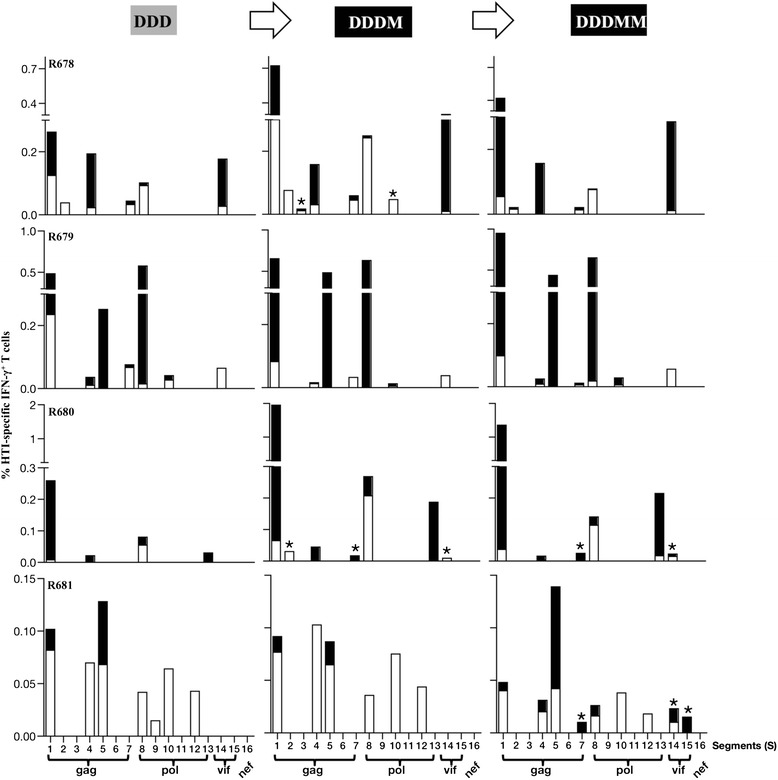
Our approach identified 16 regions in Gag, Pol, Vif and Nef that were relatively conserved and predominantly targeted by individuals with reduced viral loads. These regions formed the basis of the HIVACAT T-cell Immunogen (HTI) sequence which is 529 amino acids in length, includes more than 50 optimally defined CD4(+) and CD8(+) T-cell epitopes restricted by a wide range of HLA class I and II molecules and covers viral sites where mutations led to a dramatic reduction in viral replicative fitness. In both, C57BL/6 mice and Indian rhesus macaques immunized with an HTI-expressing DNA plasmid (DNA.HTI) induced broad and balanced T-cell responses to several segments within Gag, Pol, and Vif. DNA.HTI induced robust CD4(+) and CD8(+) T cell responses that were increased by a booster vaccination using modified virus Ankara (MVA.HTI), expanding the DNA.HTI induced response to up to 3.2% IFN-γ T-cells in macaques. HTI-specific T cells showed a central and effector memory phenotype with a significant fraction of the IFN-γ(+) CD8(+) T cells being Granzyme B(+) and able to degranulate (CD107a(+)).
These data demonstrate the immunogenicity of a novel HIV-1 T cell vaccine concept that induced broadly balanced responses to vulnerable sites of HIV-1 while avoiding the induction of responses to potential decoy targets that may divert effective T-cell responses towards variable and less protective viral determinants.
进入晚期临床试验的HIV T细胞疫苗候选物均未能诱导出保护性T细胞免疫。这些失败的一个主要原因可能是T细胞免疫原设计欠佳。
为克服这一问题,我们采用了一种新型免疫原设计方法,该方法基于来自1000多名HIV-1 B和C亚型感染个体的功能性T细胞应答数据,旨在将T细胞应答导向HIV-1最脆弱的位点。
我们的方法在Gag、Pol、Vif和Nef中确定了16个相对保守的区域,病毒载量降低的个体主要靶向这些区域。这些区域构成了HIVACAT T细胞免疫原(HTI)序列的基础,该序列长度为529个氨基酸,包含50多个由多种HLA I类和II类分子限制的最佳定义的CD4(+)和CD8(+) T细胞表位,并覆盖了突变导致病毒复制适应性显著降低的病毒位点。在用表达HTI的DNA质粒(DNA.HTI)免疫的C57BL/6小鼠和印度恒河猴中,均诱导了对Gag、Pol和Vif内多个片段的广泛且平衡的T细胞应答。DNA.HTI诱导了强大的CD4(+)和CD8(+) T细胞应答,使用改良安卡拉病毒(MVA.HTI)进行加强免疫可增强这些应答,将DNA.HTI诱导的应答在猕猴中扩大至高达3.2%的IFN-γ T细胞。HTI特异性T细胞表现出中枢和效应记忆表型,相当一部分IFN-γ(+) CD8(+) T细胞为颗粒酶B(+)且能够脱颗粒(CD107a(+))。
这些数据证明了一种新型HIV-1 T细胞疫苗概念的免疫原性,该疫苗对HIV-1的脆弱位点诱导了广泛平衡的应答,同时避免了对可能将有效的T细胞应答引向可变且保护性较差的病毒决定簇的潜在诱饵靶点的应答诱导。