Kim Kwang-Youn, Kim Sang-Hun, Yu Sun-Nyoung, Park Suel-Ki, Choi Hyeun-Deok, Yu Hak-Sun, Ji Jae-Hoon, Seo Young-Kyo, Ahn Soon-Cheol
Department of Microbiology and Immunology, Pusan National University School of Medicine, Yangsan, Gyeongsangnam-do 626‑870, Republic of Korea.
Immunoregulatory Therapeutics Group in Brain Busan 21 Project, Pusan National University School of Medicine, Yangsan, Gyeongsangnam-do 626‑870, Republic of Korea.
Mol Med Rep. 2015 Aug;12(2):1898-904. doi: 10.3892/mmr.2015.3633. Epub 2015 Apr 16.
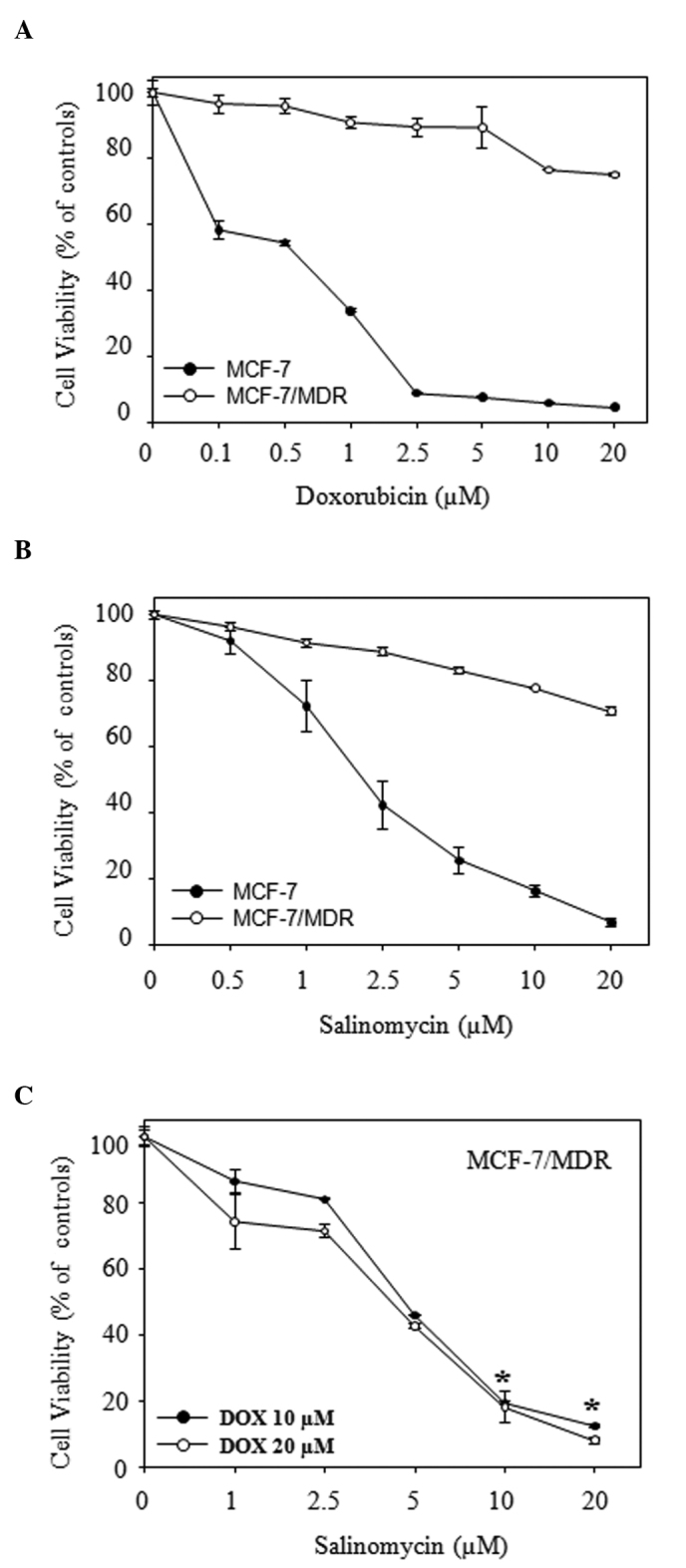
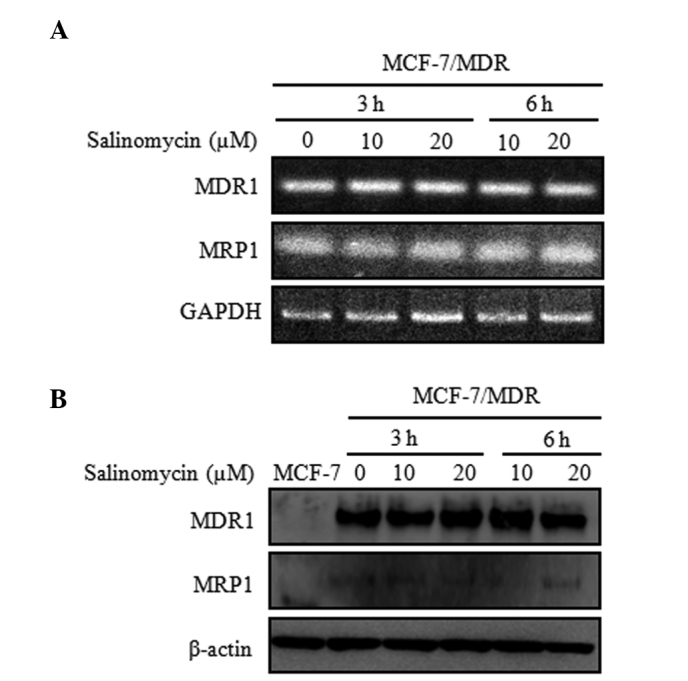
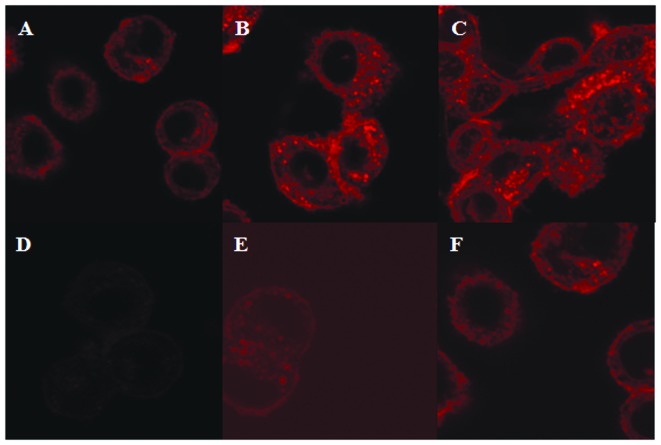
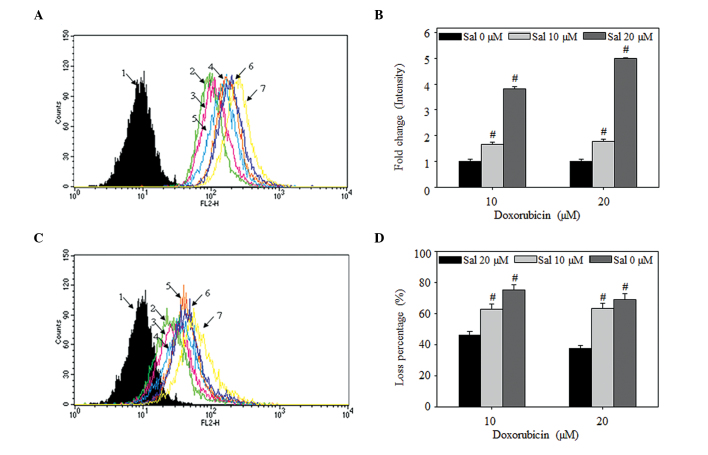
Salinomycin is a monocarboxylic polyether antibiotic, which is widely used as an anticoccidial agent. The anticancer property of salinomycin has been recognized and is based on its ability to induce apoptosis in human multidrug resistance (MDR). The present study investigated whether salinomycin reverses MDR towards chemotherapeutic agents in doxorubicin-resistant MCF-7/MDR human breast cancer cells. The results demonstrated that doxorubicin-mediated cytotoxicity was significantly enhanced by salinomycin in the MCF-7/MDR cells, and this occurred in a dose-dependent manner. This finding was consistent with subsequent observations made under a confocal microscope, in which the doxorubicin fluorescence signals of the salinomycin-treated cells were higher compared with the cells treated with doxorubicin alone. In addition, flow cytometric analysis revealed that salinomycin significantly increased the net cellular uptake and decreased the efflux of doxorubicin. The expression levels of MDR-1 and MRP-1 were not altered at either the mRNA or protein levels in the cells treated with salinomycin. These results indicated that salinomycin was mediated by its ability to increase the uptake and decrease the efflux of doxorubicin in MCF-7/MDR cells. Salinomycin reversed the resistance of doxorubicin, suggesting that chemotherapy in combination with salinomycin may benefit MDR cancer therapy.
盐霉素是一种单羧酸聚醚抗生素,被广泛用作抗球虫剂。盐霉素的抗癌特性已得到认可,这基于其诱导人多药耐药(MDR)细胞凋亡的能力。本研究调查了盐霉素是否能逆转多柔比星耐药的MCF-7/MDR人乳腺癌细胞对化疗药物的多药耐药性。结果表明,盐霉素在MCF-7/MDR细胞中显著增强了多柔比星介导的细胞毒性,且呈剂量依赖性。这一发现与随后在共聚焦显微镜下的观察结果一致,在该观察中,与单独用多柔比星处理的细胞相比,盐霉素处理的细胞的多柔比星荧光信号更高。此外,流式细胞术分析显示,盐霉素显著增加了细胞对多柔比星的净摄取并减少了其外排。在用盐霉素处理的细胞中,MDR-1和MRP-1的表达水平在mRNA或蛋白质水平上均未改变。这些结果表明,盐霉素通过增加MCF-7/MDR细胞对多柔比星的摄取并减少其外排来发挥作用。盐霉素逆转了多柔比星的耐药性,表明联合使用盐霉素进行化疗可能有益于多药耐药癌症的治疗。