Uchea Chibuzor, Owen Stewart F, Chipman J Kevin
University of Birmingham , School of Biosciences , Birmingham , B15 2TT , UK ; AstraZeneca , Alderley Park , Macclesfield , Cheshire , SK10 4TF , UK . Email:
AstraZeneca , Alderley Park , Macclesfield , Cheshire , SK10 4TF , UK . Email:
Toxicol Res (Camb). 2015 Mar 23;4(2):494-507. doi: 10.1039/c4tx00160e. Epub 2015 Feb 9.
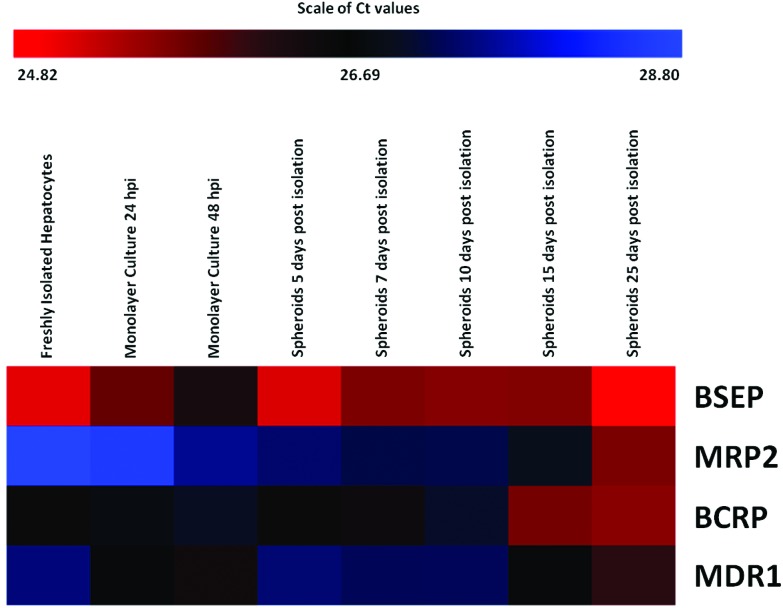
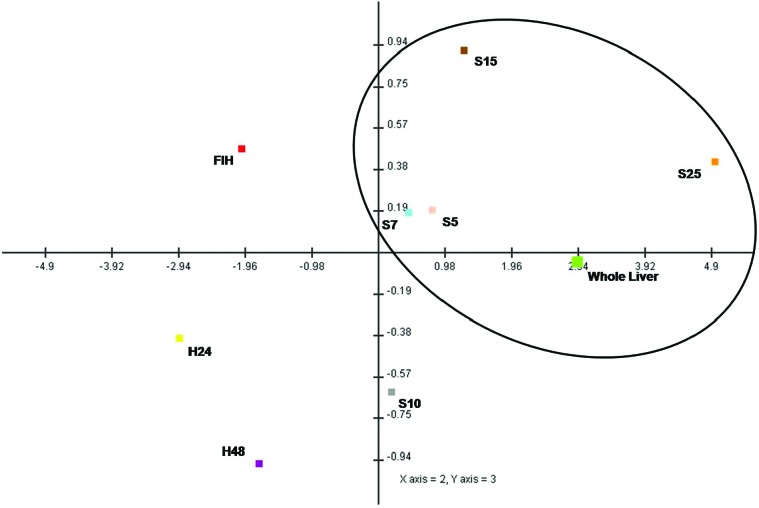
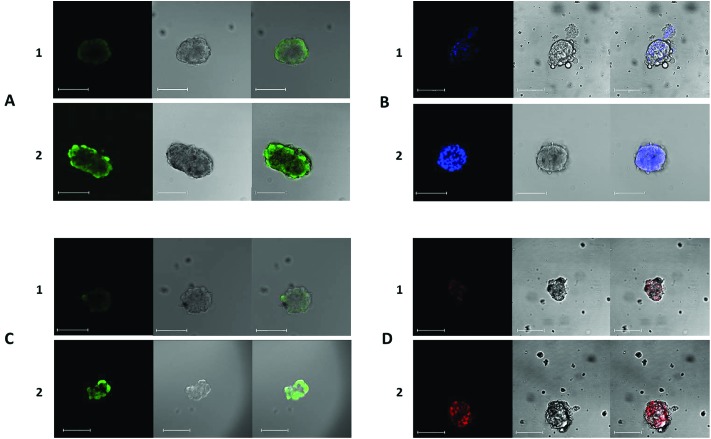
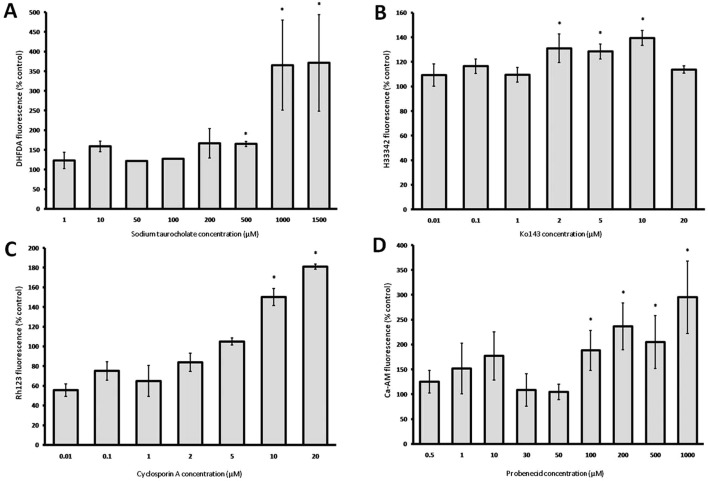
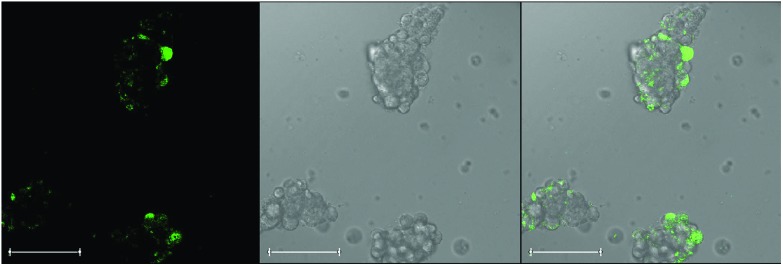
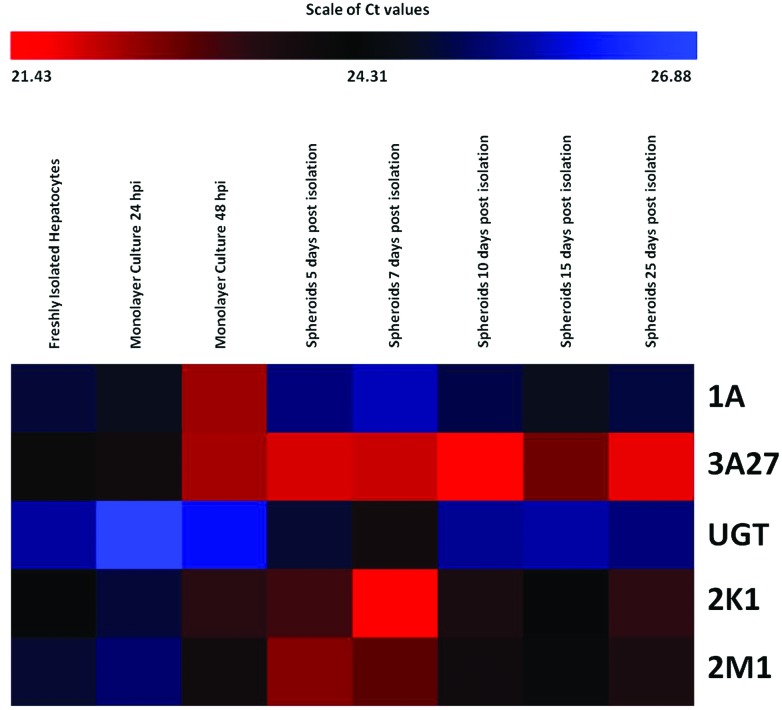
Prediction of xenobiotic fate in fish is important for the regulatory assessment of chemicals under current legislation. Trout hepatocyte spheroids are a promising model for this assessment. In this investigation, the gene expression and function for xenobiotic metabolism and cellular efflux were characterised. Using fluorescence, transport and real time PCR analysis, the expression and functionality of a variety of genes related to xenobiotic metabolism and drug efflux were assessed in a range of trout hepatocyte culture preparations. Significantly greater levels of expression of genes involved in xenobiotic metabolism and efflux were measured in spheroids (which have been shown to remain viable in excess of 30 days), compared to hepatocytes cultured using conventional suspension and monolayer culture techniques. A transient decline in the expression of genes related to both xenobiotic metabolism and transport was determined during spheroid development, with a subsequent recovery in older spheroids. The most mature spheroids also exhibited an expression profile most comparable to that reported . Functionality of efflux transporters in spheroids was also demonstrated using fluorescent markers and specific inhibitors. In conclusion, the more physiologically relevant architecture in spheroid cultures provides a high functional integrity in relation to xenobiotic metabolism and efflux. Together with the enhanced gene expression and longevity of the model, hepatocytes in spheroid culture may prove to be an accurate alternative model to study the mechanisms of these processes in fish liver and provide an assay to determine the bioaccumulation potential of environmental contaminants.
根据现行法规,预测鱼类体内外源性物质的归宿对于化学品的监管评估至关重要。鳟鱼肝细胞球体是进行此项评估的一个有前景的模型。在本研究中,对外源性物质代谢和细胞外排的基因表达及功能进行了表征。利用荧光、转运和实时PCR分析,在一系列鳟鱼肝细胞培养制剂中评估了与外源性物质代谢和药物外排相关的多种基因的表达及功能。与使用传统悬浮和单层培养技术培养的肝细胞相比,在球体(已证明可存活超过30天)中检测到参与外源性物质代谢和外排的基因表达水平显著更高。在球体发育过程中,确定了与外源性物质代谢和转运相关的基因表达出现短暂下降,随后在较老的球体中恢复。最成熟的球体还表现出与报道的表达谱最相似的特征。还使用荧光标记物和特异性抑制剂证明了球体中外排转运蛋白的功能。总之,球体培养中更具生理相关性的结构在与外源性物质代谢和外排相关方面提供了高度的功能完整性。连同该模型增强的基因表达和寿命,球体培养中的肝细胞可能被证明是研究鱼类肝脏中这些过程机制的准确替代模型,并提供一种测定环境污染物生物累积潜力的方法。