Leoni Giovanni Giuseppe, Palmerini Maria Grazia, Satta Valentina, Succu Sara, Pasciu Valeria, Zinellu Angelo, Carru Ciriaco, Macchiarelli Guido, Nottola Stefania Annarita, Naitana Salvatore, Berlinguer Fiammetta
Department of Veterinary Medicine, Sassari University, Sassari, Italy; Sardinian Animal Biodiversity Center (Centro di Competenza per la Biodiversità Animale-CCBA), Sassari, Italy.
Department of Life, Health and Environmental Sciences, L'Aquila University, L'Aquila, Italy.
PLoS One. 2015 Apr 20;10(4):e0124911. doi: 10.1371/journal.pone.0124911. eCollection 2015.
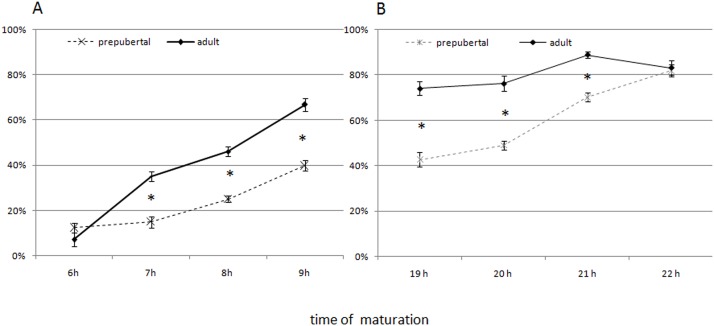
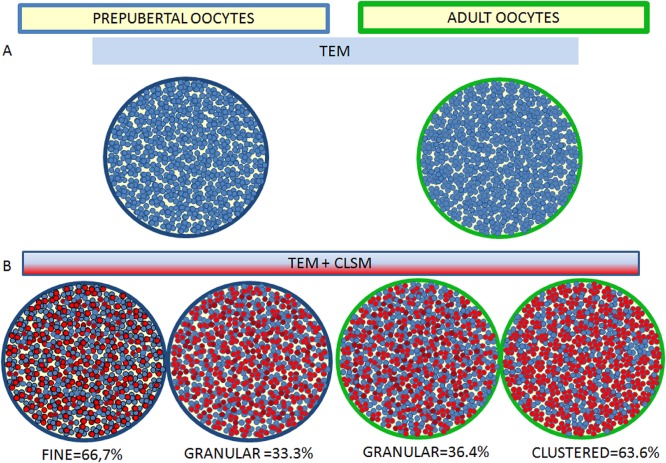
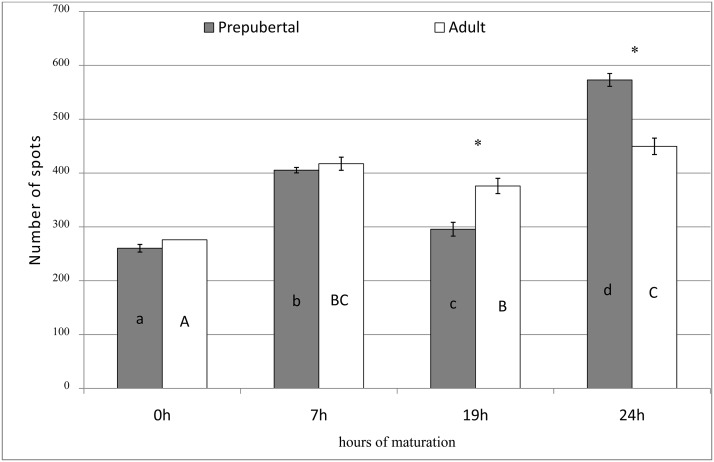
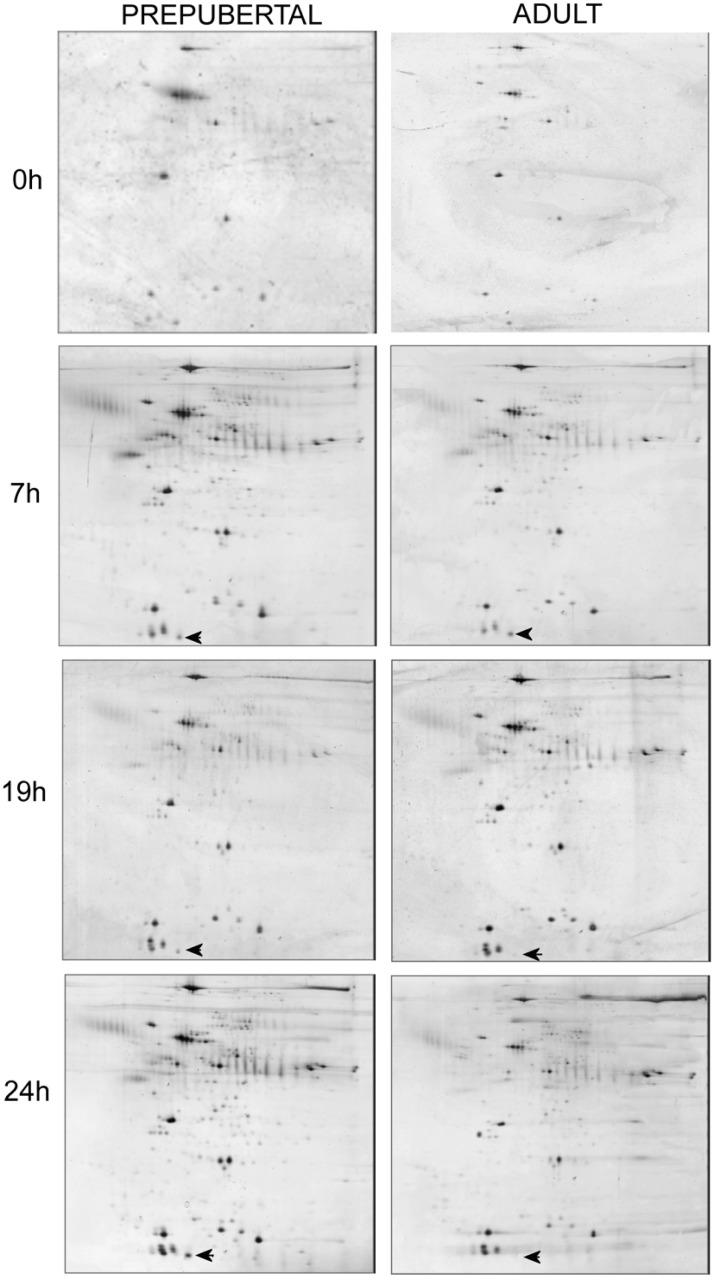
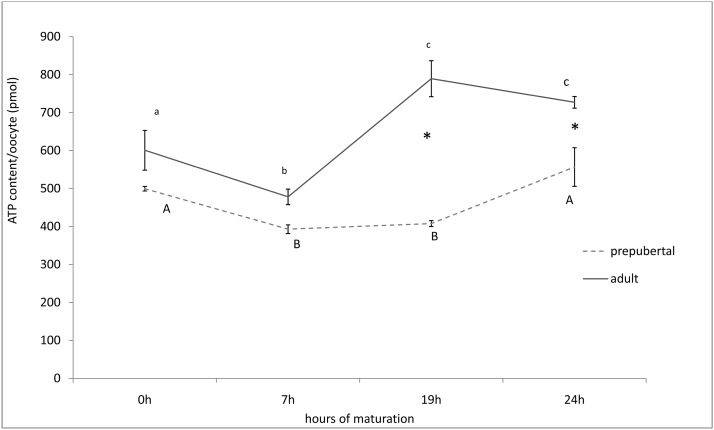
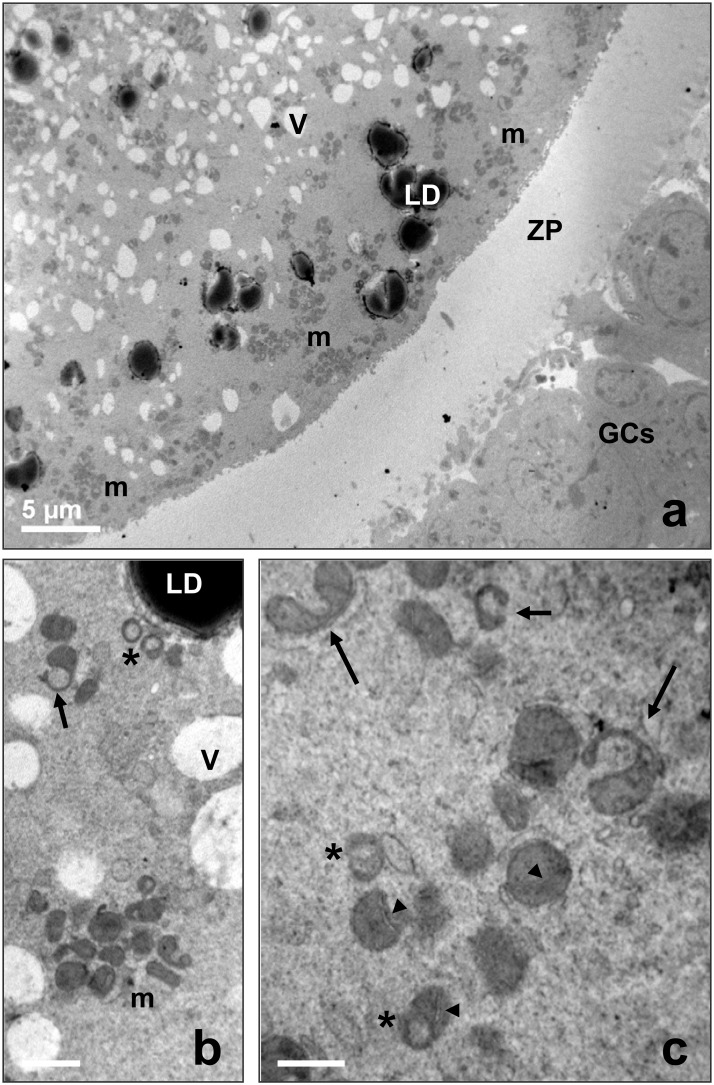
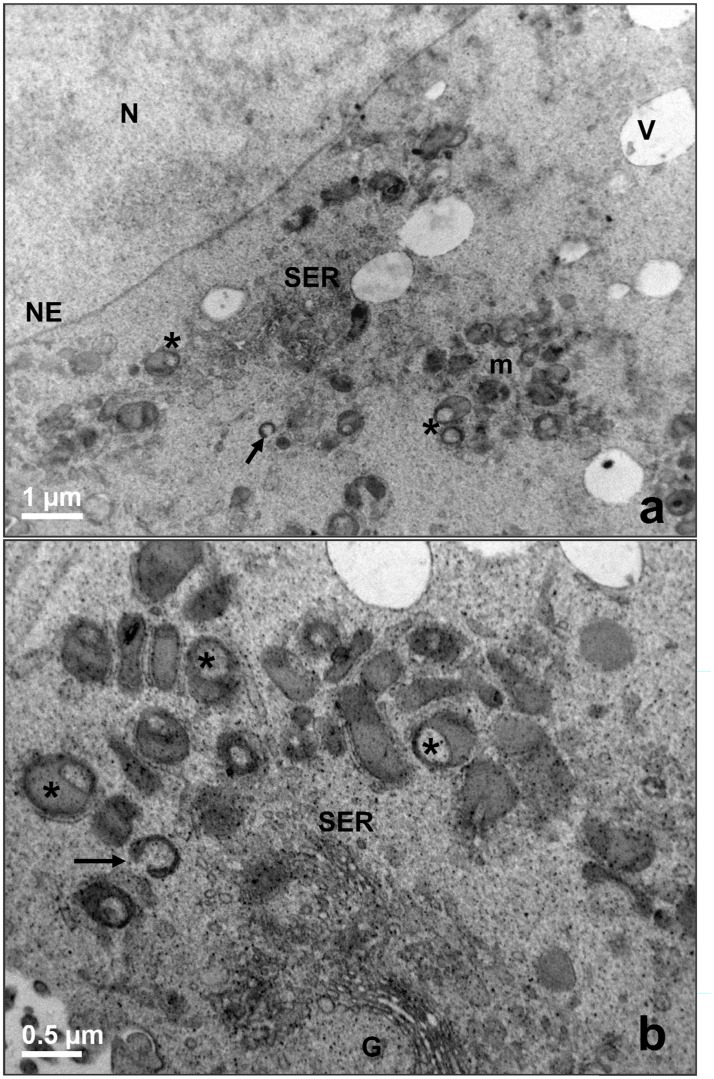
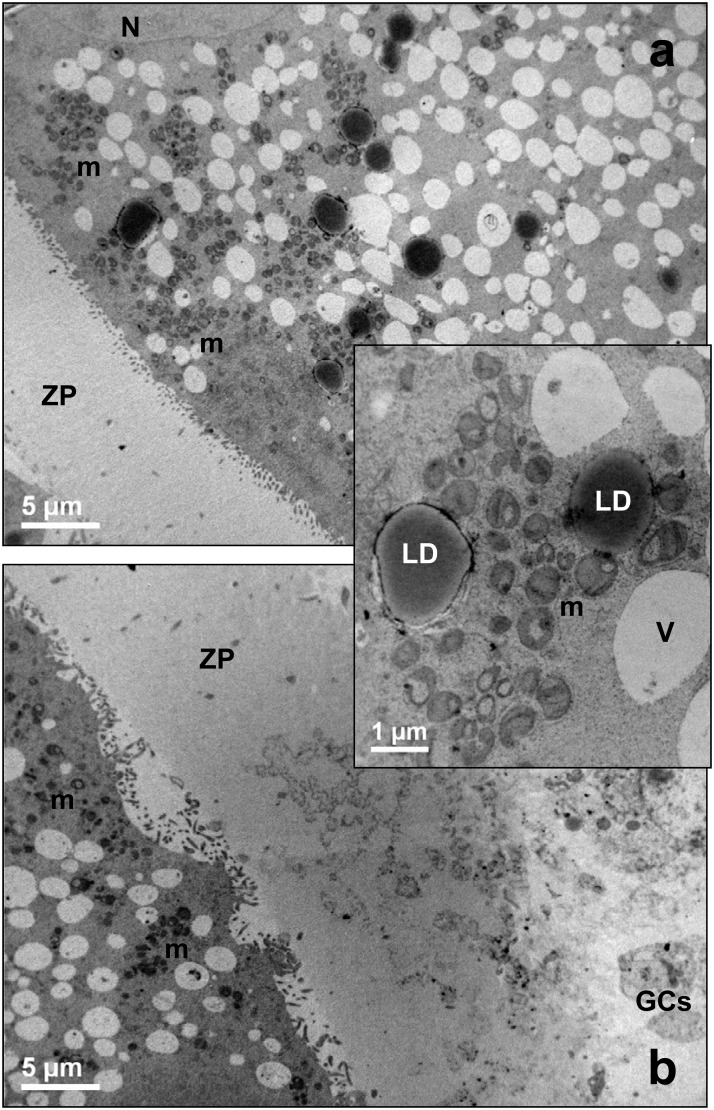
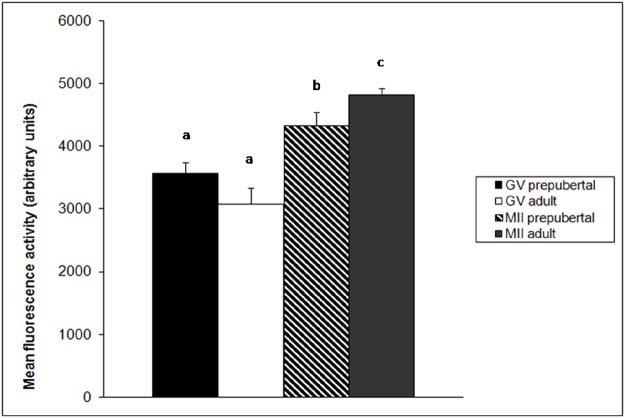
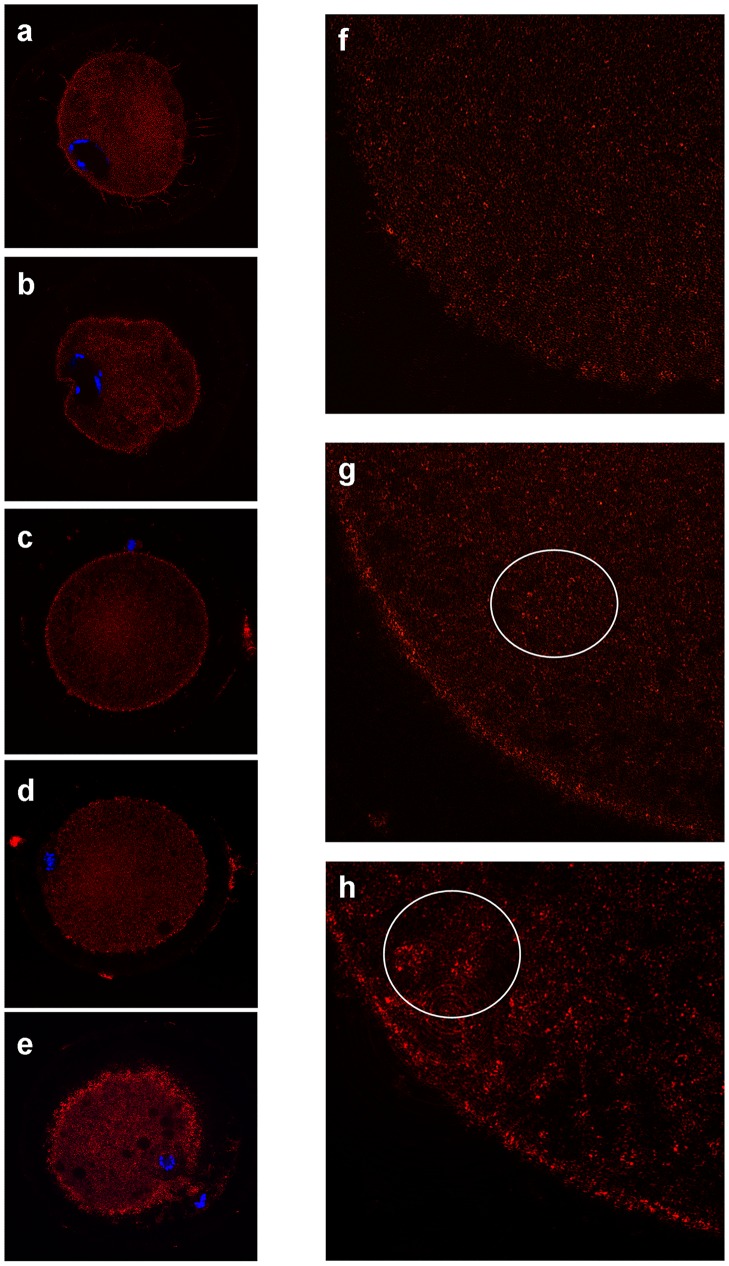
Our aim is to verify if oocyte developmental potential is related to the timing of meiotic progression and to mitochondrial distribution and activity using prepubertal and adult oocytes as models of low and high developmental capacity respectively. Prepubertal and adult oocytes were incorporated in an in vitro maturation system to determine meiotic and developmental competence and to assess at different time points kinetic of meiotic maturation, 2D protein electrophoresis patterns, ATP content and mitochondria distribution. Maturation and fertilization rates did not differ between prepubertal and adult oocytes (95.1% vs 96.7% and 66.73% vs 70.62% respectively for prepubertal and adult oocytes). Compared to adults, prepubertal oocytes showed higher parthenogenesis (17.38% vs 2.08% respectively in prepubertals and adults; P<0.01) and polispermy (14.30% vs 2.21% respectively in prepubertals and adults; P<0.01), lower cleavage rates (60.00% vs 67.08% respectively in prepubertals and adults; P<0.05) and blastocyst output (11.94% vs 34.% respectively in prepubertals and adults; P<0.01). Prepubertal oocytes reached MI stage 1 hr later than adults and this delay grows as the first meiotic division proceeds. Simultaneously, the protein pattern was altered since in prepubertal oocytes it fluctuates, dropping and rising to levels similar to adults only at 24 hrs. In prepubertal oocytes ATP rise is delayed and did not reach levels comparable to adult ones. CLSM observations revealed that at MII, in the majority of prepubertal oocytes, the active mitochondria are homogenously distributed, while in adults they are aggregated in big clusters. Our work demonstrates that mitochondria and their functional aggregation during maturation play an active role to provide energy in terms of ATP. The oocyte ATP content determines the timing of the meiotic cycle and the acquisition of developmental competence. Taken together our data suggest that oocytes with low developmental competence have a slowed down energetic metabolism which delays later development.
我们的目的是通过分别使用青春期前和成年期卵母细胞作为低发育能力和高发育能力的模型,来验证卵母细胞的发育潜力是否与减数分裂进程的时间以及线粒体的分布和活性有关。将青春期前和成年期卵母细胞纳入体外成熟系统,以确定减数分裂和发育能力,并在不同时间点评估减数分裂成熟的动力学、二维蛋白质电泳图谱、ATP含量和线粒体分布。青春期前和成年期卵母细胞的成熟率和受精率没有差异(青春期前和成年期卵母细胞分别为95.1%对96.7%和66.73%对70.62%)。与成年期卵母细胞相比,青春期前卵母细胞表现出更高的孤雌生殖率(青春期前和成年期分别为17.38%对2.08%;P<0.01)和多精受精率(青春期前和成年期分别为14.30%对2.21%;P<0.01),更低的卵裂率(青春期前和成年期分别为60.00%对67.08%;P<0.05)和囊胚产出率(青春期前和成年期分别为11.94%对34.%;P<0.01)。青春期前卵母细胞比成年期卵母细胞晚1小时达到MI期,并且随着第一次减数分裂的进行,这种延迟会增加。同时,蛋白质模式发生了改变,因为在青春期前卵母细胞中它会波动,仅在24小时时下降并上升到与成年期卵母细胞相似的水平。在青春期前卵母细胞中,ATP的上升延迟,且未达到与成年期卵母细胞相当的水平。共聚焦激光扫描显微镜观察显示,在MII期,在大多数青春期前卵母细胞中,活跃的线粒体均匀分布,而在成年期卵母细胞中它们聚集形成大的簇。我们的研究表明,线粒体及其在成熟过程中的功能聚集在提供ATP形式的能量方面发挥着积极作用。卵母细胞的ATP含量决定了减数分裂周期的时间和发育能力的获得。综合我们的数据表明,发育能力低的卵母细胞能量代谢减缓,这会延迟后期发育。