De Souza Daiana A, Wang Ying, Kaftanoglu Osman, De Jong David, Amdam Gro V, Gonçalves Lionel S, Francoy Tiago M
Departamento de Genética, Faculdade de Medicina de Ribeirão Preto, Universidade de São Paulo, Ribeirão Preto, São Paulo, Brazil.
School of Life Sciences, Arizona State University, Tempe, Arizona, United States of America.
PLoS One. 2015 Apr 20;10(4):e0123663. doi: 10.1371/journal.pone.0123663. eCollection 2015.
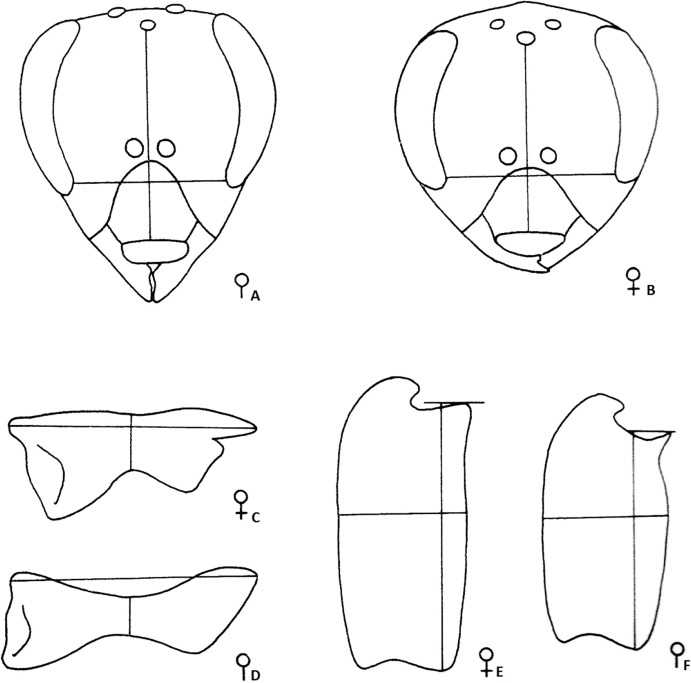
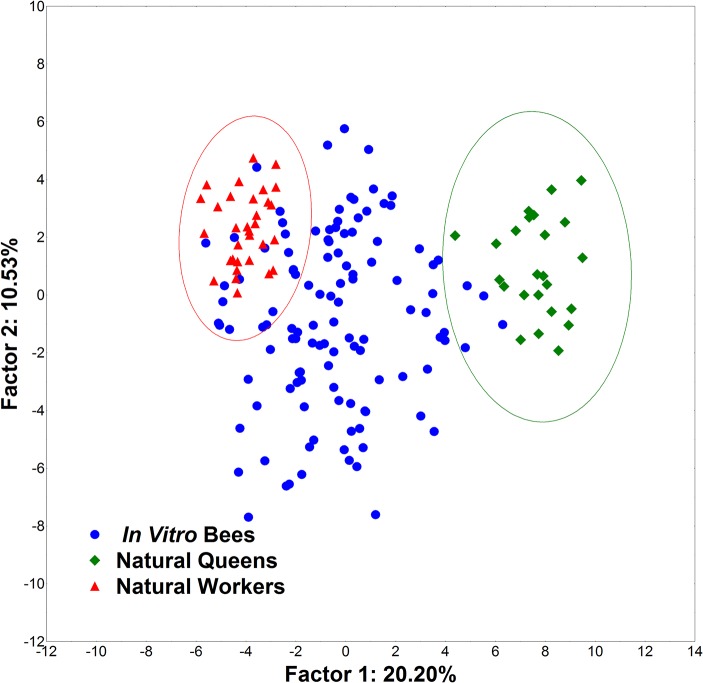
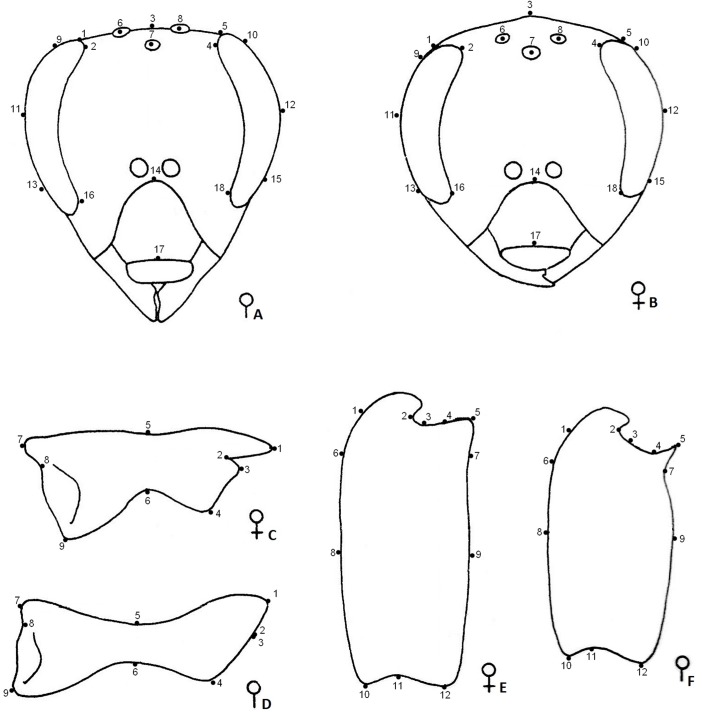
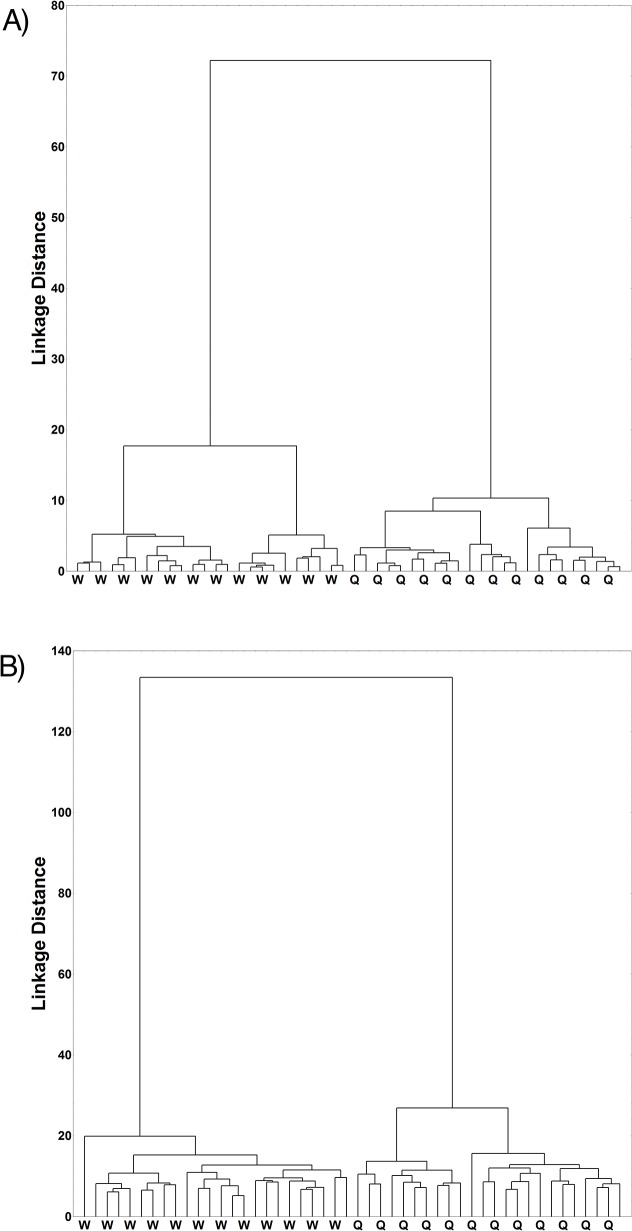
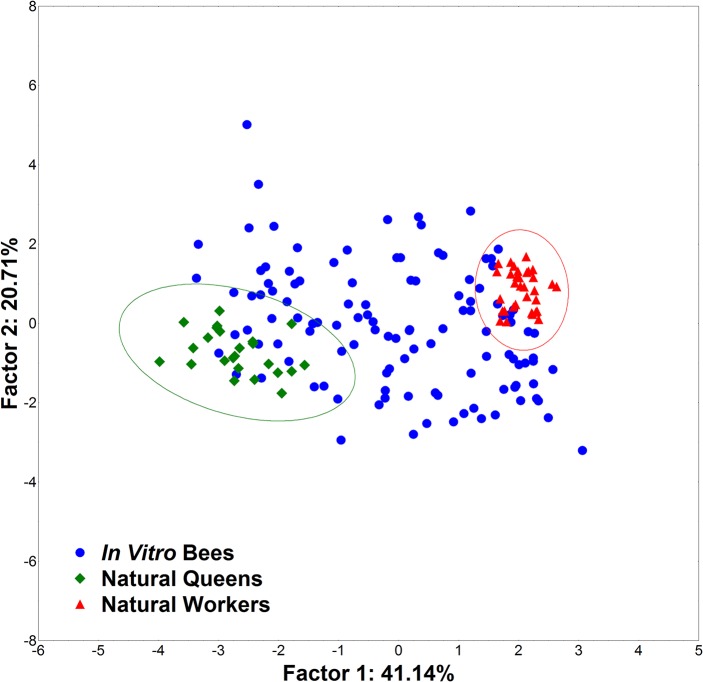
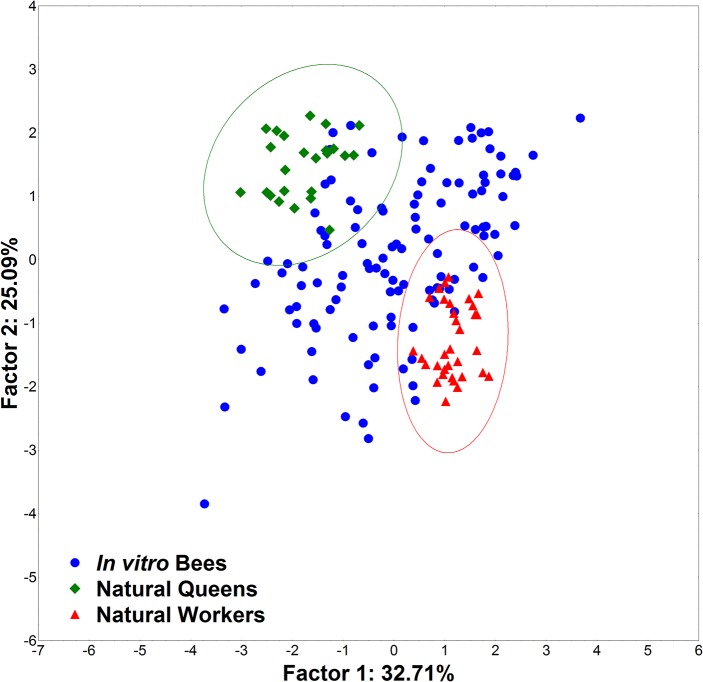
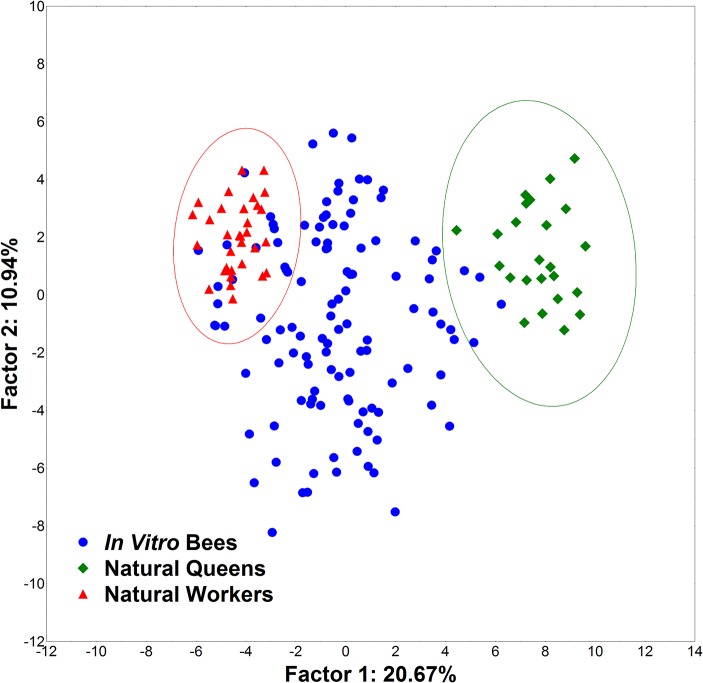
In vitro rearing is an important and useful tool for honey bee (Apis mellifera L.) studies. However, it often results in intercastes between queens and workers, which are normally are not seen in hive-reared bees, except when larvae older than three days are grafted for queen rearing. Morphological classification (queen versus worker or intercastes) of bees produced by this method can be subjective and generally depends on size differences. Here, we propose an alternative method for caste classification of female honey bees reared in vitro, based on weight at emergence, ovariole number, spermatheca size and size and shape, and features of the head, mandible and basitarsus. Morphological measurements were made with both traditional morphometric and geometric morphometrics techniques. The classifications were performed by principal component analysis, using naturally developed queens and workers as controls. First, the analysis included all the characters. Subsequently, a new analysis was made without the information about ovariole number and spermatheca size. Geometric morphometrics was less dependent on ovariole number and spermatheca information for caste and intercaste identification. This is useful, since acquiring information concerning these reproductive structures requires time-consuming dissection and they are not accessible when abdomens have been removed for molecular assays or in dried specimens. Additionally, geometric morphometrics divided intercastes into more discrete phenotype subsets. We conclude that morphometric geometrics are superior to traditional morphometrics techniques for identification and classification of honey bee castes and intermediates.
体外饲养是蜜蜂(西方蜜蜂)研究中一种重要且有用的工具。然而,它常常导致蜂王和工蜂之间出现中间型,这种中间型在蜂巢饲养的蜜蜂中通常不会出现,除非在蜂王培育中移植了超过三天龄的幼虫。通过这种方法培育出的蜜蜂的形态学分类(蜂王、工蜂或中间型)可能具有主观性,并且通常取决于大小差异。在此,我们提出一种基于羽化时体重、卵巢管数量、受精囊大小以及头部、上颚和基跗节的大小、形状和特征,对体外饲养的雌性蜜蜂进行级型分类的替代方法。使用传统形态测量学和几何形态测量学技术进行形态学测量。分类通过主成分分析进行,以自然发育的蜂王和工蜂作为对照。首先,分析包括所有特征。随后,在不考虑卵巢管数量和受精囊大小信息的情况下进行了新的分析。几何形态测量学在级型和中间型识别中对卵巢管数量和受精囊信息的依赖性较小。这很有用,因为获取有关这些生殖结构的信息需要耗时解剖,并且当为了分子分析而去除腹部或在干燥标本中时无法获取这些信息。此外,几何形态测量学将中间型分为更离散的表型子集。我们得出结论,形态测量几何方法在蜜蜂级型和中间型的识别与分类方面优于传统形态测量学技术。