Grow Edward J, Flynn Ryan A, Chavez Shawn L, Bayless Nicholas L, Wossidlo Mark, Wesche Daniel J, Martin Lance, Ware Carol B, Blish Catherine A, Chang Howard Y, Pera Renee A Reijo, Wysocka Joanna
Department of Genetics, Stanford University School of Medicine, Stanford, California 94305, USA.
Howard Hughes Medical Institute and Program in Epithelial Biology, Stanford University School of Medicine, Stanford, California 94305, USA.
Nature. 2015 Jun 11;522(7555):221-5. doi: 10.1038/nature14308. Epub 2015 Apr 20.
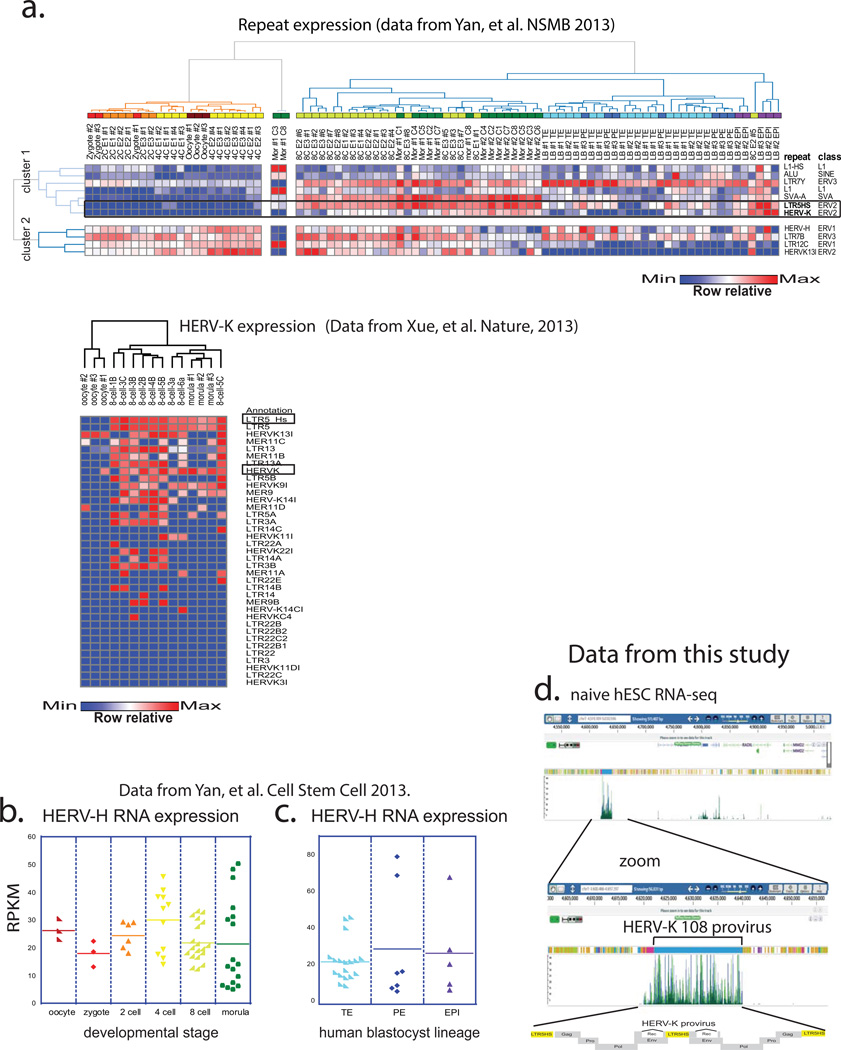
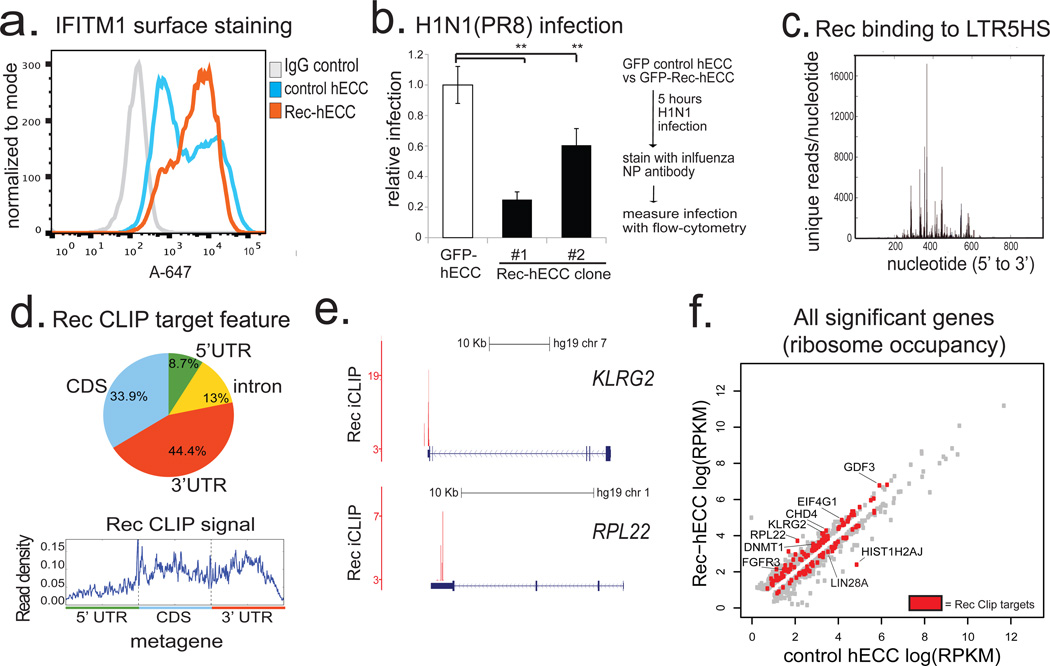
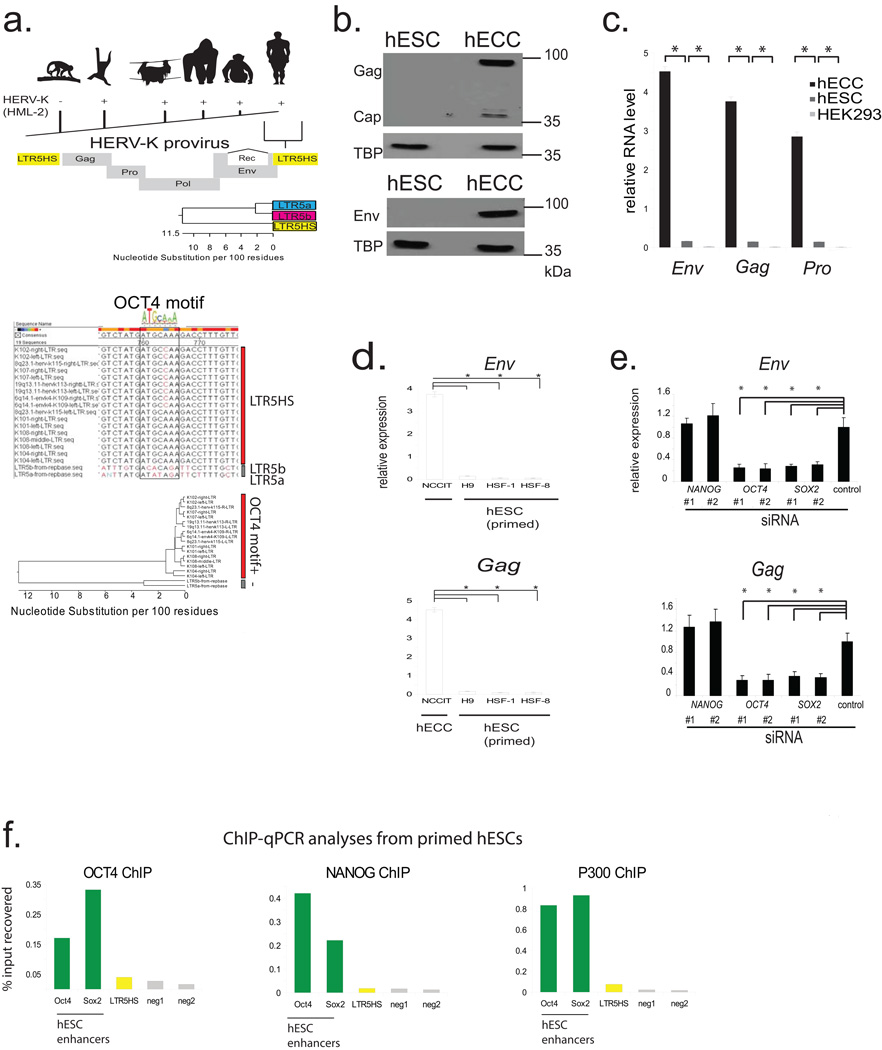
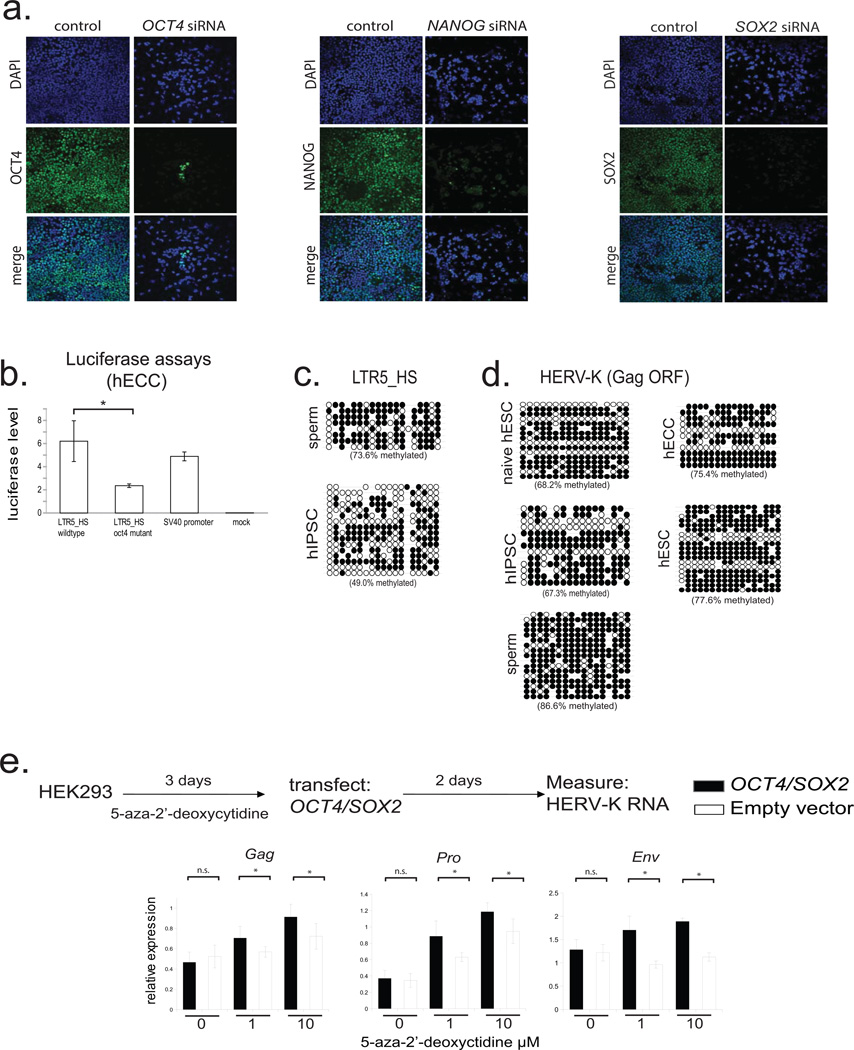
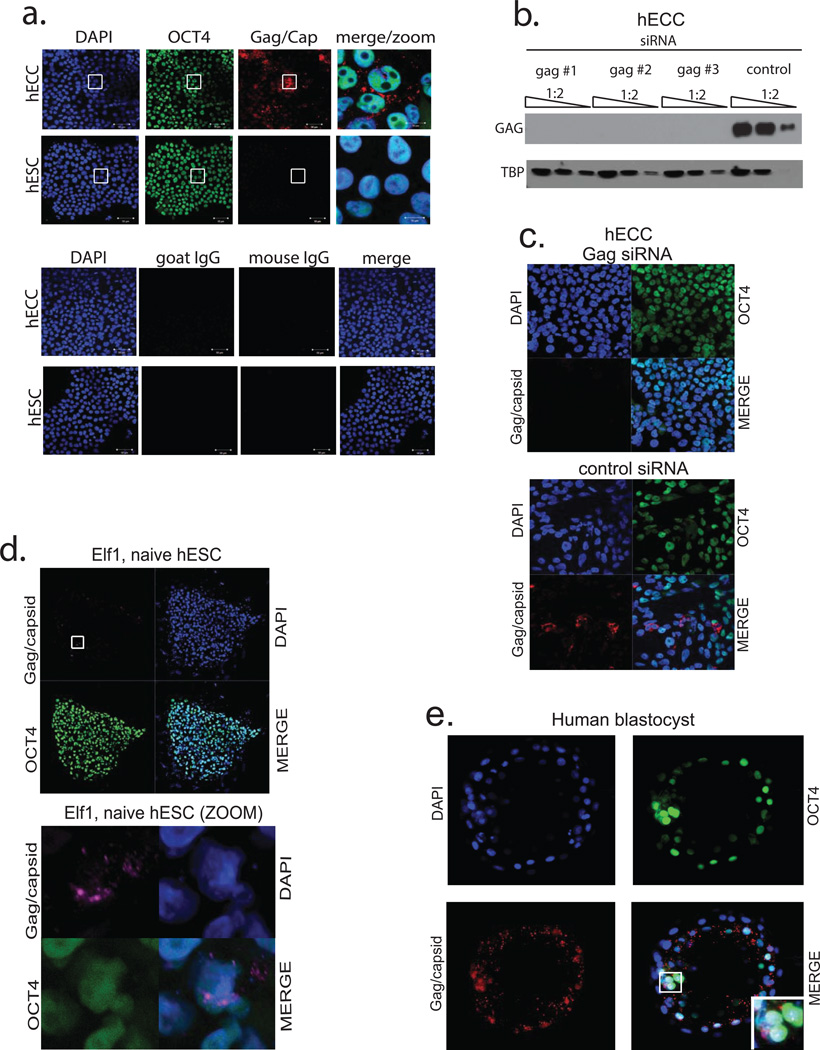
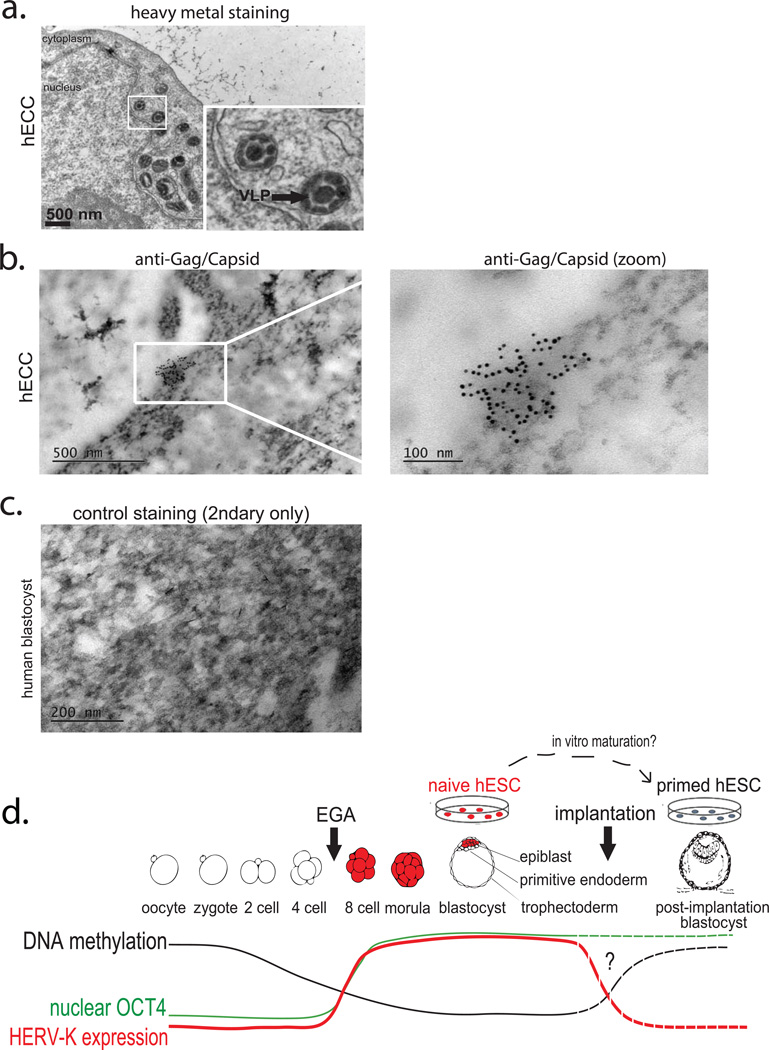
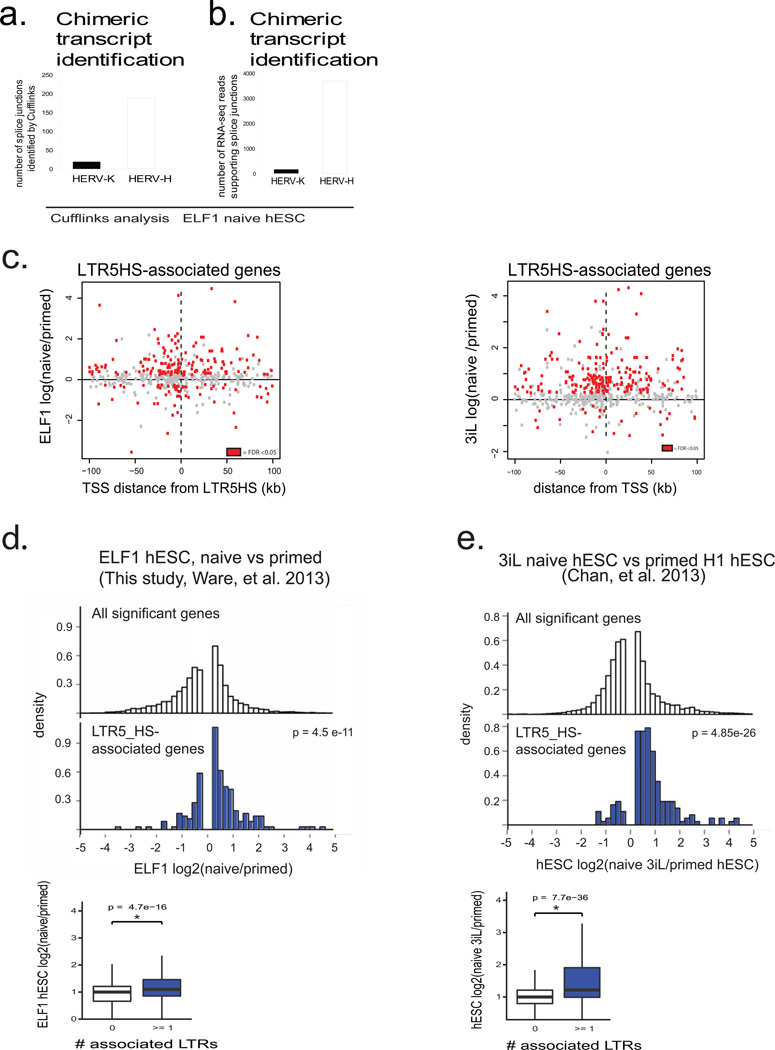
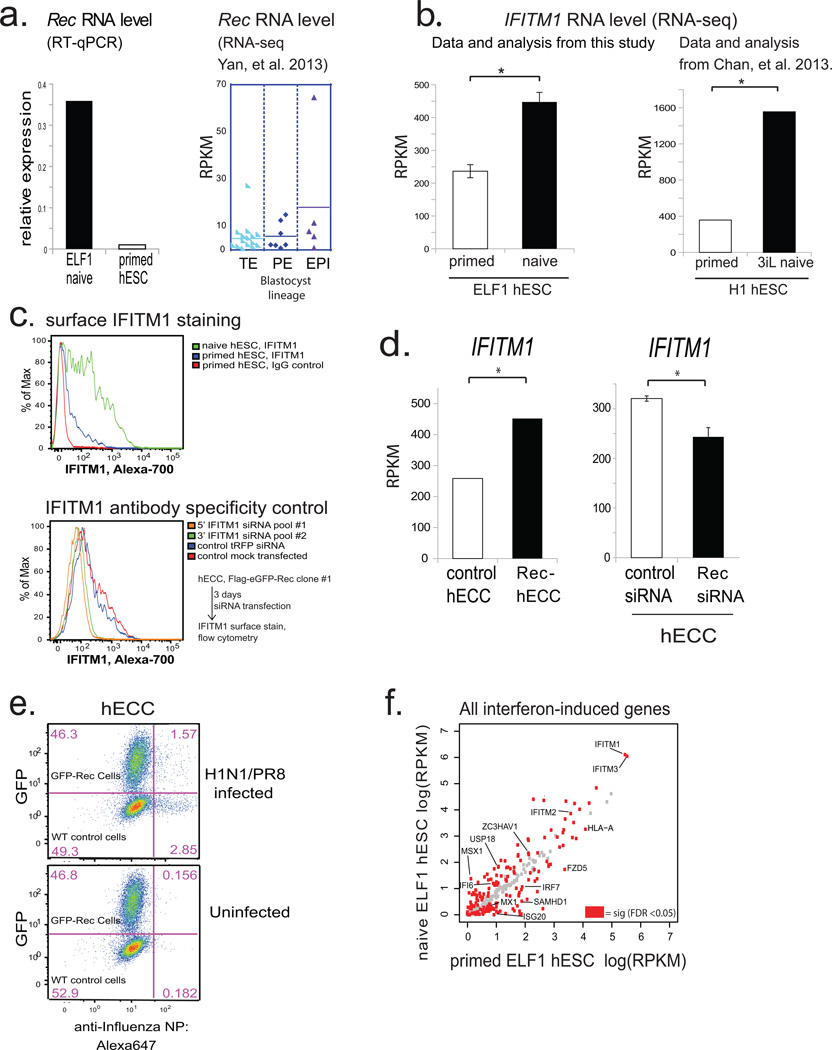
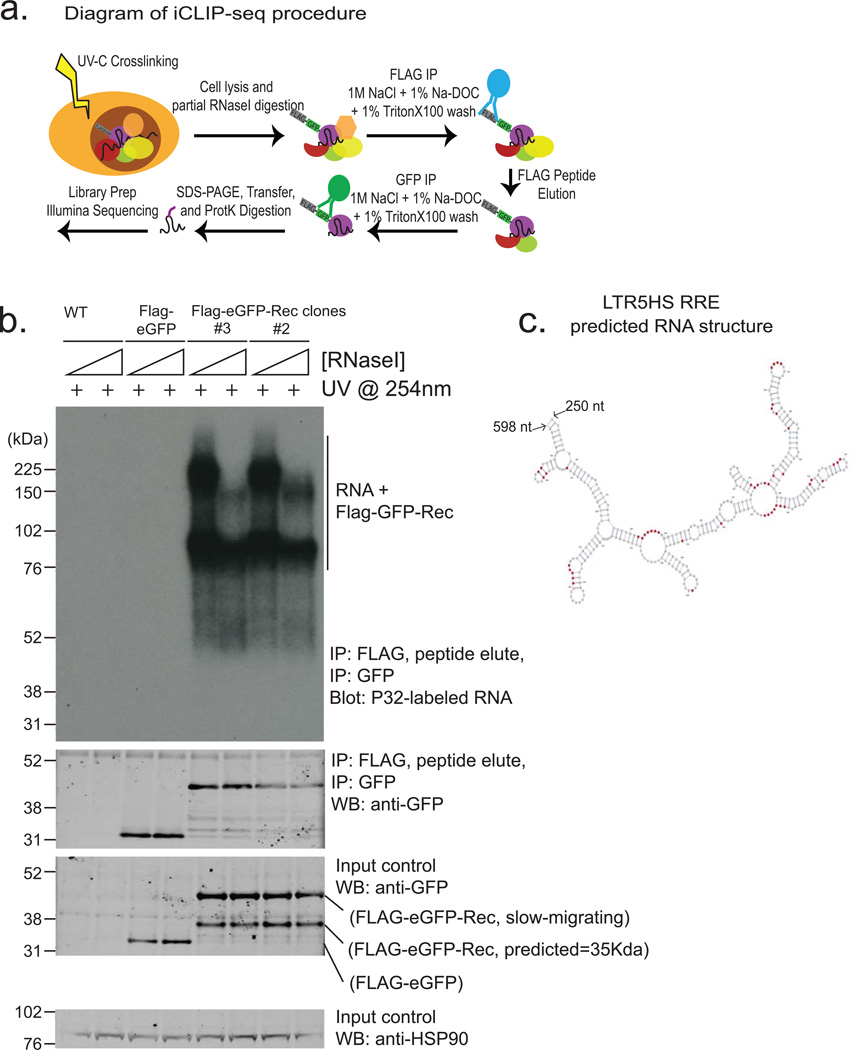
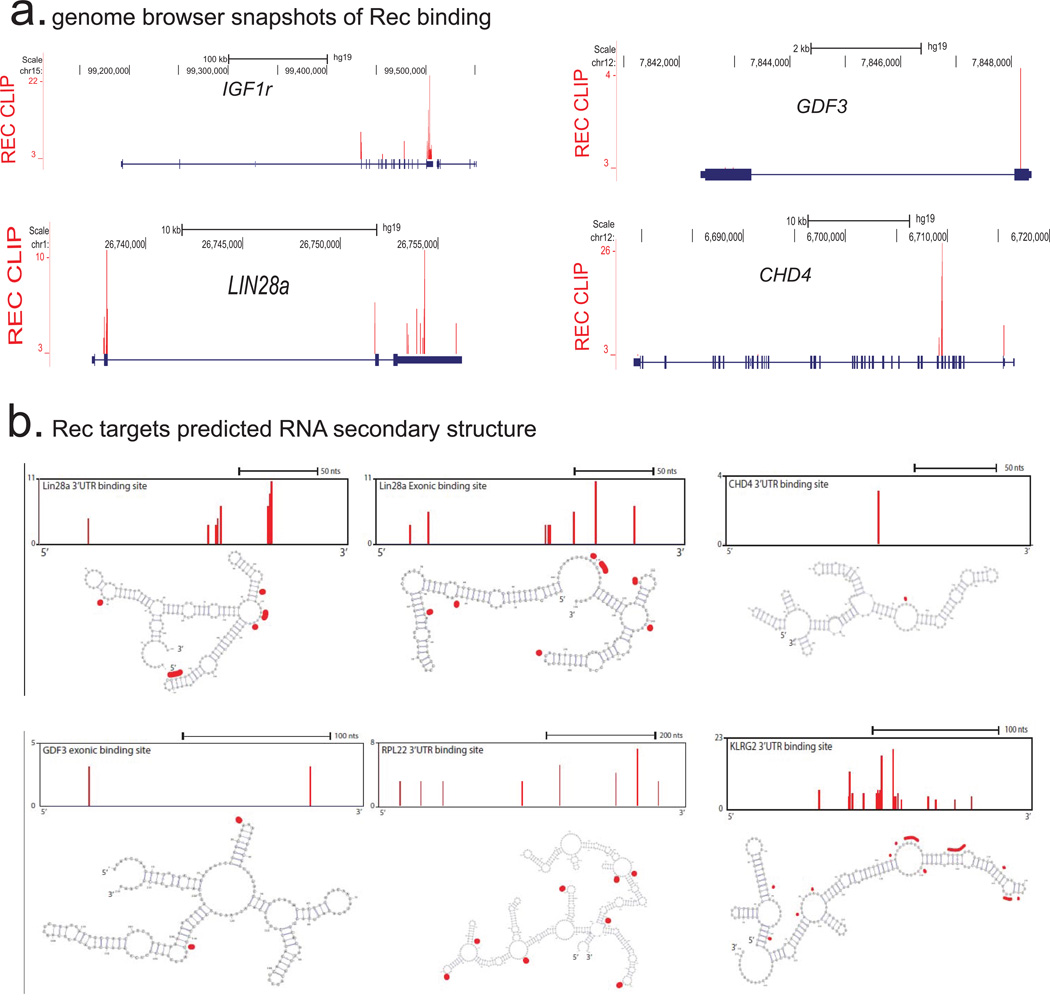
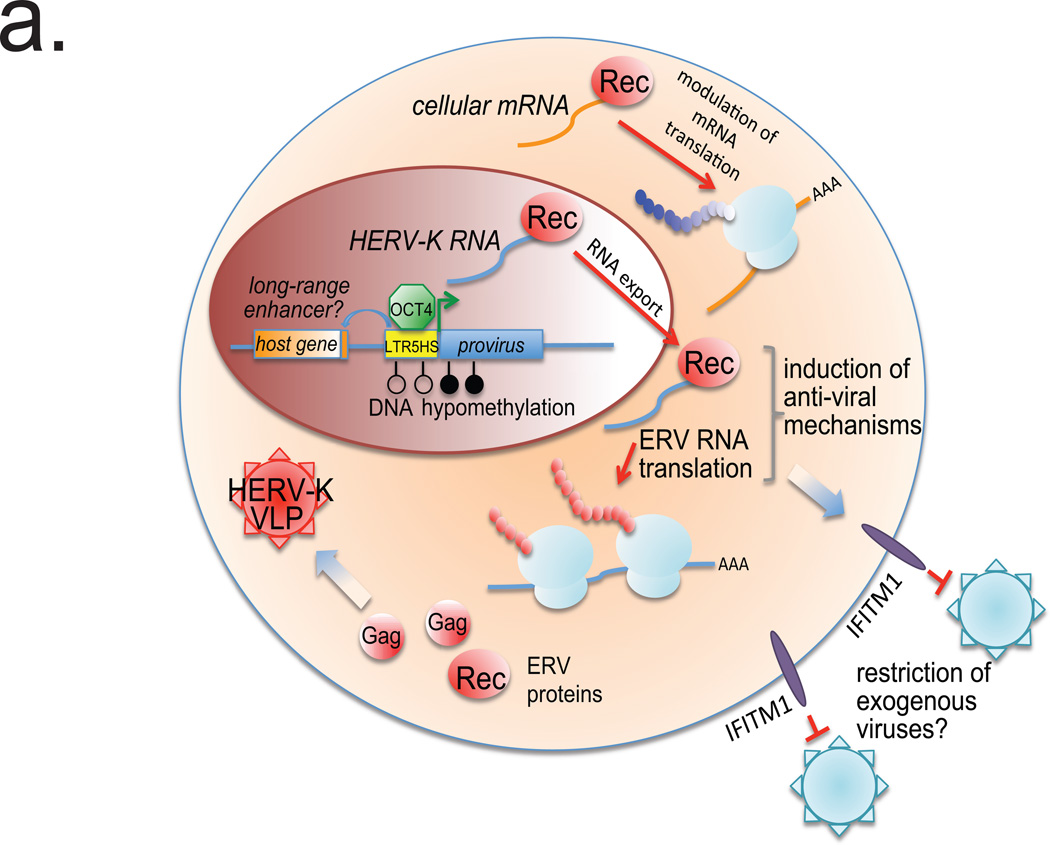
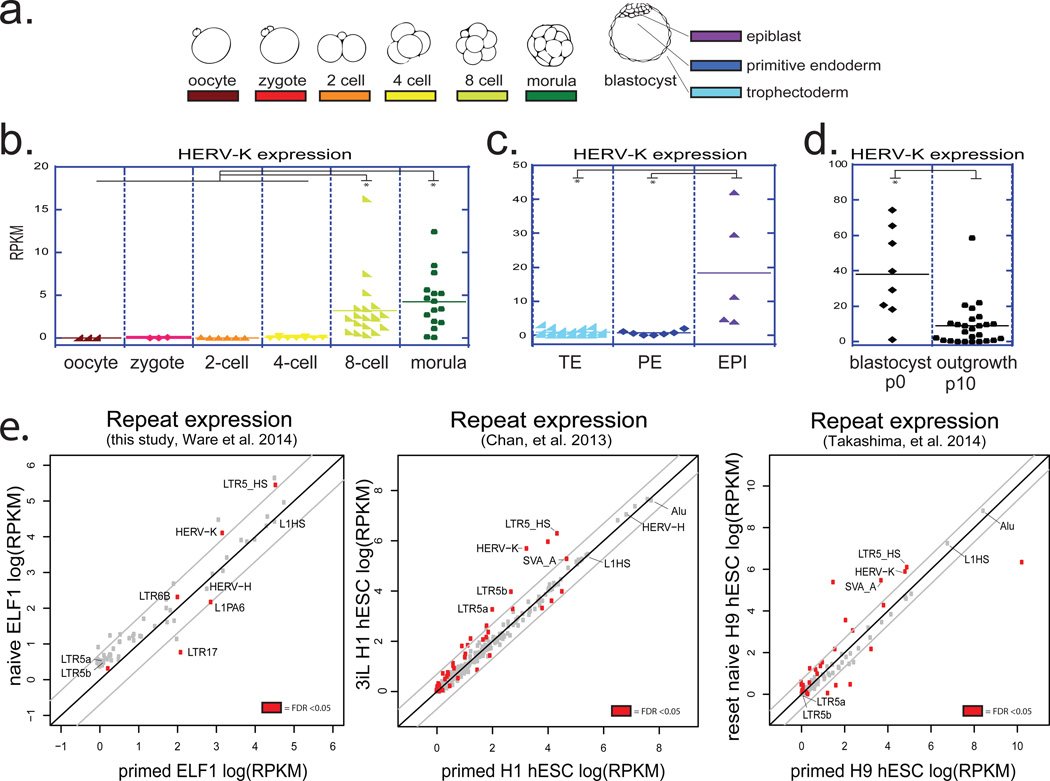
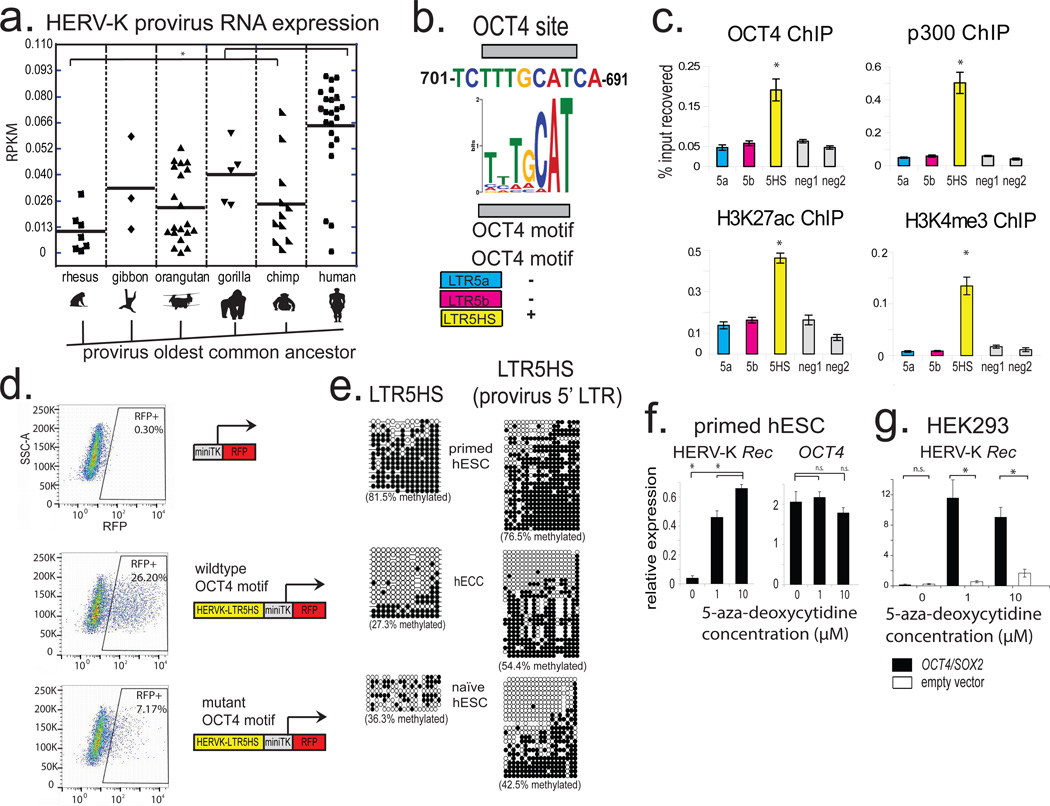
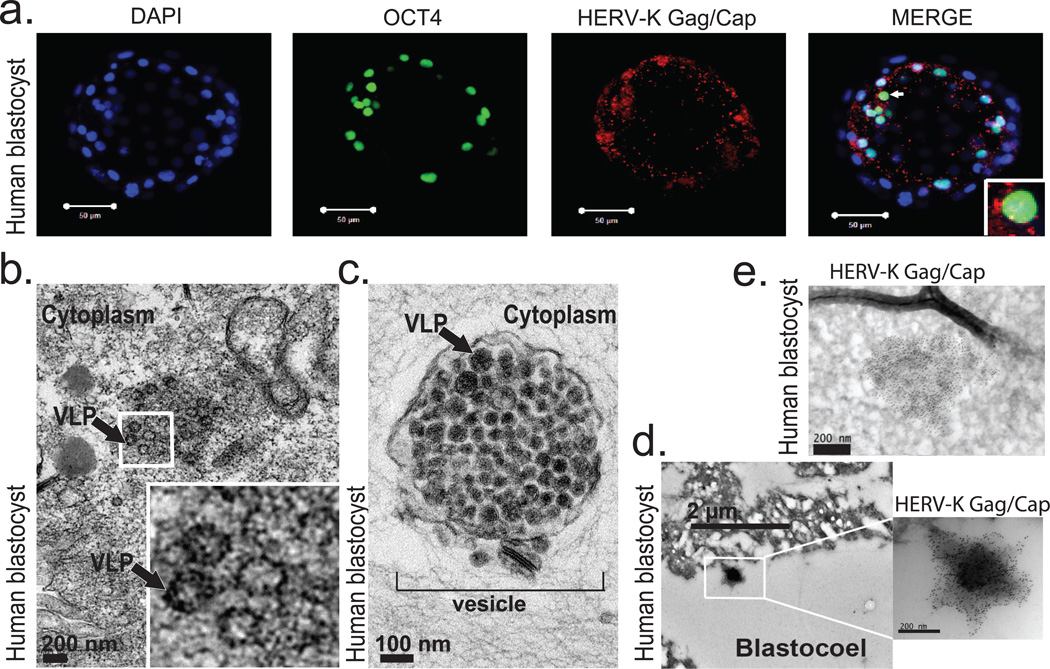
Endogenous retroviruses (ERVs) are remnants of ancient retroviral infections, and comprise nearly 8% of the human genome. The most recently acquired human ERV is HERVK(HML-2), which repeatedly infected the primate lineage both before and after the divergence of the human and chimpanzee common ancestor. Unlike most other human ERVs, HERVK retained multiple copies of intact open reading frames encoding retroviral proteins. However, HERVK is transcriptionally silenced by the host, with the exception of in certain pathological contexts such as germ-cell tumours, melanoma or human immunodeficiency virus (HIV) infection. Here we demonstrate that DNA hypomethylation at long terminal repeat elements representing the most recent genomic integrations, together with transactivation by OCT4 (also known as POU5F1), synergistically facilitate HERVK expression. Consequently, HERVK is transcribed during normal human embryogenesis, beginning with embryonic genome activation at the eight-cell stage, continuing through the emergence of epiblast cells in preimplantation blastocysts, and ceasing during human embryonic stem cell derivation from blastocyst outgrowths. Remarkably, we detected HERVK viral-like particles and Gag proteins in human blastocysts, indicating that early human development proceeds in the presence of retroviral products. We further show that overexpression of one such product, the HERVK accessory protein Rec, in a pluripotent cell line is sufficient to increase IFITM1 levels on the cell surface and inhibit viral infection, suggesting at least one mechanism through which HERVK can induce viral restriction pathways in early embryonic cells. Moreover, Rec directly binds a subset of cellular RNAs and modulates their ribosome occupancy, indicating that complex interactions between retroviral proteins and host factors can fine-tune pathways of early human development.
内源性逆转录病毒(ERVs)是古代逆转录病毒感染的遗迹,占人类基因组的近8%。最近获得的人类ERV是HERVK(HML-2),它在人类和黑猩猩共同祖先分化之前和之后都反复感染灵长类谱系。与大多数其他人类ERV不同,HERVK保留了多个编码逆转录病毒蛋白的完整开放阅读框。然而,HERVK在宿主中被转录沉默,在某些病理情况下除外,如生殖细胞肿瘤、黑色素瘤或人类免疫缺陷病毒(HIV)感染。在这里,我们证明,代表最新基因组整合的长末端重复元件处的DNA低甲基化,与OCT4(也称为POU5F1)的反式激活协同促进HERVK表达。因此,HERVK在正常人类胚胎发育过程中被转录,从八细胞阶段的胚胎基因组激活开始,持续到植入前囊胚中胚外胚层细胞的出现,并在从囊胚外植体衍生人类胚胎干细胞的过程中停止。值得注意的是,我们在人类囊胚中检测到HERVK病毒样颗粒和Gag蛋白,这表明人类早期发育是在逆转录病毒产物的存在下进行的。我们进一步表明,在多能细胞系中过表达一种这样的产物,即HERVK辅助蛋白Rec,足以增加细胞表面的IFITM1水平并抑制病毒感染,这表明HERVK可以在早期胚胎细胞中诱导病毒限制途径的至少一种机制。此外,Rec直接结合一部分细胞RNA并调节它们的核糖体占有率,这表明逆转录病毒蛋白和宿主因子之间的复杂相互作用可以微调人类早期发育途径。