Tomatsu Shunji, Sawamoto Kazuki, Alméciga-Díaz Carlos J, Shimada Tsutomu, Bober Michael B, Chinen Yasutsugu, Yabe Hiromasa, Montaño Adriana M, Giugliani Roberto, Kubaski Francyne, Yasuda Eriko, Rodríguez-López Alexander, Espejo-Mojica Angela J, Sánchez Oscar F, Mason Robert W, Barrera Luis A, Mackenzie William G, Orii Tadao
Nemours/Alfred I duPont Hospital for Children, Wilmington, DE, USA ; Department of Pediatrics, Gifu University, Gifu, Japan.
Nemours/Alfred I duPont Hospital for Children, Wilmington, DE, USA.
Drug Des Devel Ther. 2015 Apr 1;9:1937-53. doi: 10.2147/DDDT.S68562. eCollection 2015.
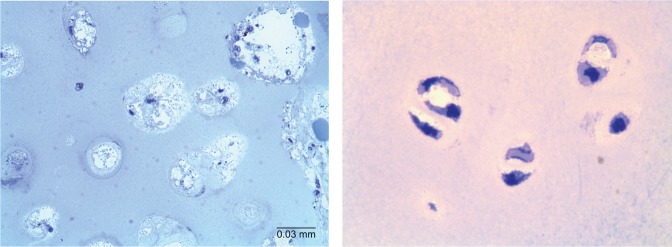
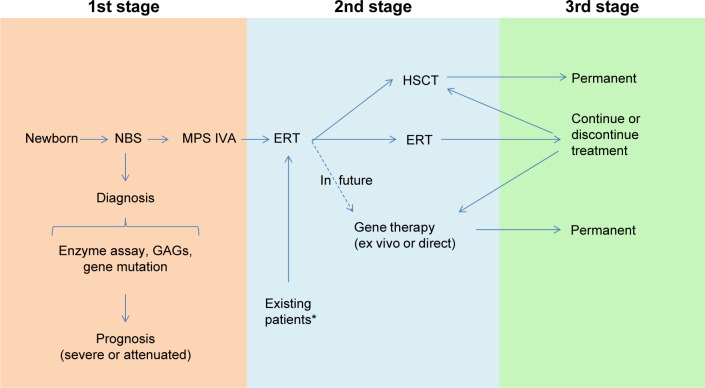
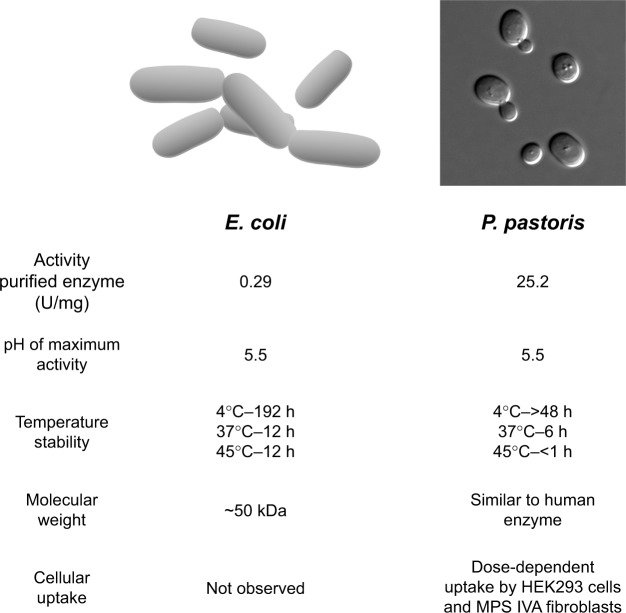
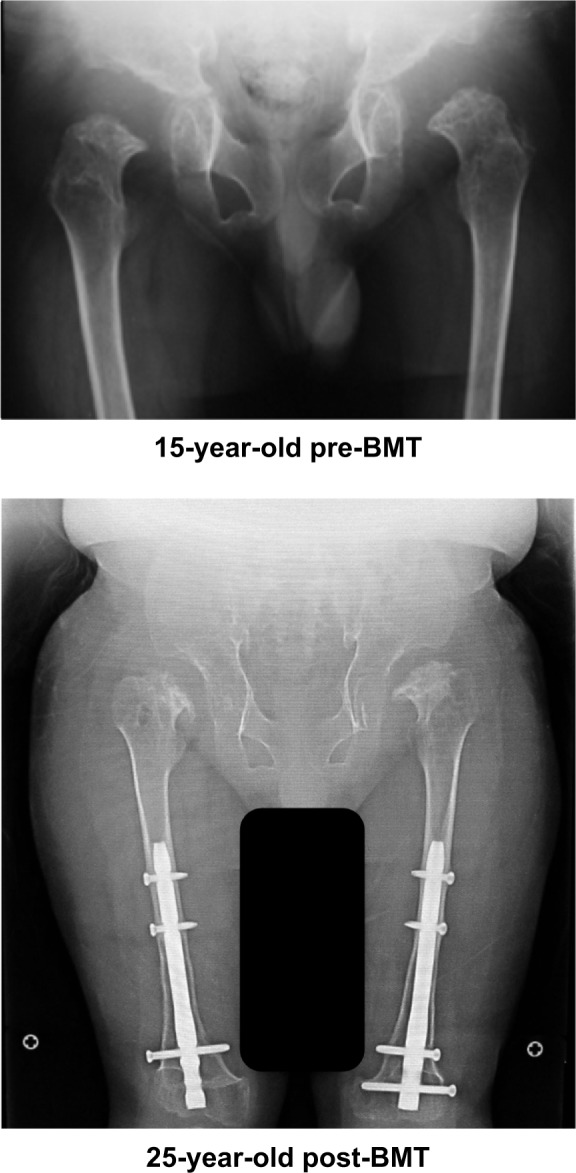
Patients with mucopolysaccharidosis IVA (MPS IVA) can present with systemic skeletal dysplasia, leading to a need for multiple orthopedic surgical procedures, and often become wheelchair bound in their teenage years. Studies on patients with MPS IVA treated by enzyme replacement therapy (ERT) showed a sharp reduction on urinary keratan sulfate, but only modest improvement based on a 6-minute walk test and no significant improvement on a 3-minute climb-up test and lung function test compared with the placebo group, at least in the short-term. Surgical remnants from ERT-treated patients did not show reduction of storage materials in chondrocytes. The impact of ERT on bone lesions in patients with MPS IVA remains limited. ERT seems to be enhanced in a mouse model of MPS IVA by a novel form of the enzyme tagged with a bone-targeting moiety. The tagged enzyme remained in the circulation much longer than untagged native enzyme and was delivered to and retained in bone. Three-month-old MPS IVA mice treated with 23 weekly infusions of tagged enzyme showed marked clearance of the storage materials in bone, bone marrow, and heart valves. When treatment was initiated at birth, reduction of storage materials in tissues was even greater. These findings indicate that specific targeting of the enzyme to bone at an early stage may improve efficacy of ERT for MPS IVA. Recombinant N-acetylgalactosamine-6-sulfate sulfatase (GALNS) in Escherichia coli BL21 (DE3) (erGALNS) and in the methylotrophic yeast Pichia pastoris (prGALNS) has been produced as an alternative to the conventional production in Chinese hamster ovary cells. Recombinant GALNS produced in microorganisms may help to reduce the high cost of ERT and the introduction of modifications to enhance targeting. Although only a limited number of patients with MPS IVA have been treated with hematopoietic stem cell transplantation (HSCT), beneficial effects have been reported. A wheelchair-bound patient with a severe form of MPS IVA was treated with HSCT at 15 years of age and followed up for 10 years. Radiographs showed that the figures of major and minor trochanter appeared. Loud snoring and apnea disappeared. In all, 1 year after bone marrow transplantation, bone mineral density at L2-L4 was increased from 0.372 g/cm(2) to 0.548 g/cm(2) and was maintained at a level of 0.48±0.054 for the following 9 years. Pulmonary vital capacity increased approximately 20% from a baseline of 1.08 L to around 1.31 L over the first 2 years and was maintained thereafter. Activity of daily living was improved similar to the normal control group. After bilateral osteotomies, a patient can walk over 400 m using hip-knee-ankle-foot orthoses. This long-term observation of a patient shows that this treatment can produce clinical improvements although bone deformity remained unchanged. In conclusion, ERT is a therapeutic option for MPS IVA patients, and there are some indications that HSCT may be an alternative to treat this disease. However, as neither seems to be a curative therapy, at least for the skeletal dysplasia in MPS IVA patients, new approaches are investigated to enhance efficacy and reduce costs to benefit MPS IVA patients.
IVA型黏多糖贮积症(MPS IVA)患者可出现全身性骨骼发育异常,需要进行多次骨科手术,且常在青少年时期就需要依靠轮椅行动。对接受酶替代疗法(ERT)治疗的MPS IVA患者的研究表明,尿中硫酸角质素大幅减少,但基于6分钟步行试验仅有适度改善,与安慰剂组相比,3分钟爬梯试验和肺功能试验无显著改善,至少在短期内如此。ERT治疗患者的手术残余物未显示软骨细胞中储存物质减少。ERT对MPS IVA患者骨病变的影响仍然有限。在MPS IVA小鼠模型中,一种新型的带有骨靶向部分的酶似乎增强了ERT的效果。这种标记酶在循环中的停留时间比未标记的天然酶长得多,并被输送到骨骼并保留在其中。用标记酶每周输注23次治疗3个月大的MPS IVA小鼠,结果显示骨骼、骨髓和心脏瓣膜中的储存物质明显清除。若在出生时就开始治疗,组织中储存物质的减少甚至更明显。这些发现表明,早期将酶特异性靶向骨骼可能会提高ERT治疗MPS IVA的疗效。已生产出在大肠杆菌BL21(DE3)(erGALNS)和甲基营养酵母毕赤酵母(prGALNS)中表达的重组N - 乙酰半乳糖胺 - 6 - 硫酸酯酶(GALNS),作为在中国仓鼠卵巢细胞中常规生产的替代方法。微生物生产的重组GALNS可能有助于降低ERT的高成本,并引入修饰以增强靶向性。尽管仅有少数MPS IVA患者接受了造血干细胞移植(HSCT)治疗,但已有有益效果的报道。一名重度MPS IVA且依靠轮椅行动的患者在15岁时接受了HSCT治疗,并随访了10年。X线片显示大小转子出现。大声打鼾和呼吸暂停消失。总体而言,骨髓移植1年后,L2 - L4的骨密度从0.372 g/cm²增加到0.548 g/cm²,并在接下来的9年中维持在0.48±0.054的水平。肺肺活量在最初2年中从基线的1.08 L增加了约20%,达到约1.31 L,此后保持稳定。日常生活活动能力得到改善,与正常对照组相似。双侧截骨术后,一名患者使用髋 - 膝 - 踝 - 足矫形器可以行走超过400米。对该患者的长期观察表明,尽管骨畸形未改变,但这种治疗可产生临床改善。总之,ERT是MPS IVA患者的一种治疗选择,并且有一些迹象表明HSCT可能是治疗该疾病的另一种选择。然而,由于两者似乎都不是治愈性疗法,至少对于MPS IVA患者的骨骼发育异常而言,正在研究新的方法以提高疗效并降低成本,使MPS IVA患者受益。