Abat Ferran, Valles Soraya-L, Gelber Pablo-Eduardo, Polidori Fernando, Jorda Adrian, García-Herreros Sergio, Monllau Joan-Carles, Sanchez-Ibáñez Jose-Manuel
Department of Sports Orthopedics, ReSport Clinic, Barcelona, Spain.
Department of Physiology, Faculty of Medicine, University of Valencia, Valencia, Spain.
BMC Sports Sci Med Rehabil. 2015 Apr 17;7:7. doi: 10.1186/s13102-015-0002-0. eCollection 2015.
The mechanisms of muscle injury repair after EPI® technique, a treatment based on electrical stimulation, have not been described. This study determines whether EPI® therapy could improve muscle damage.
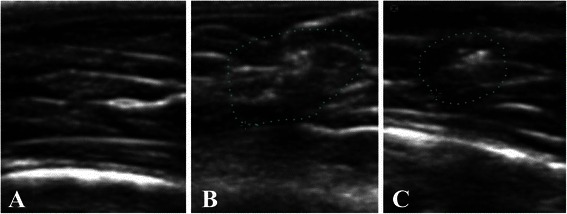
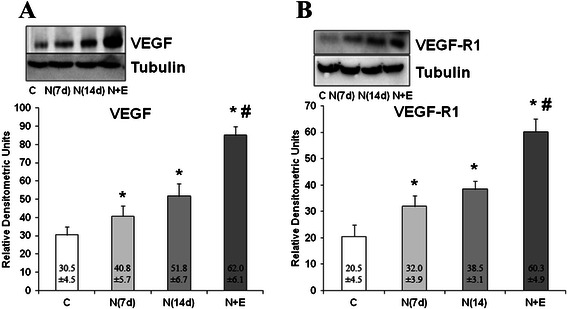
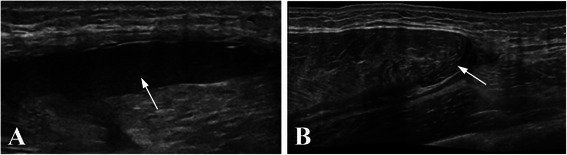
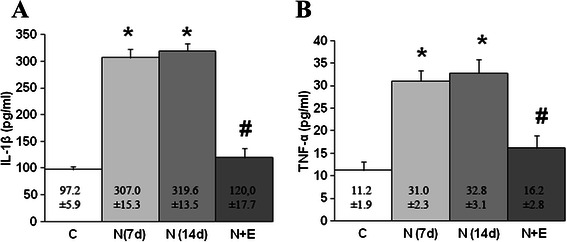
Twenty-four rats were divided into a control group, Notexin group (7 and 14 days) and a Notexin + EPI group. To induce muscle injury, Notexin was injected in the quadriceps of the left extremity of rats. Pro-inflammatory interleukin 1-beta (IL-1beta) and tumoral necrosis factor-alpha (TNF-alpha) were determined by ELISA. The expression of receptor peroxisome gamma proliferator activator (PPAR-gamma), vascular endothelial growth factor (VEGF) and vascular endothelial growth factor receptor-1 (VEGF-R1) were determined by western-blot.
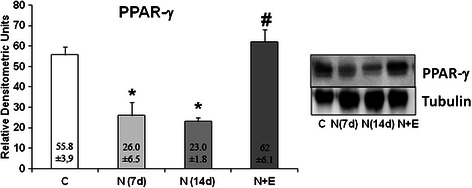
The plasma levels of TNF-alpha and IL-1beta in Notexin-injured rats showed a significant increase compared with the control group. EPI® produced a return of TNF-alpha and IL-1beta values to control levels. PPAR-gamma expression diminished injured quadriceps muscle in rats. EPI® increased PPAR-gamma, VEGF and VEGF-R1 expressions. EPI® decreased plasma levels of pro-inflammatory TNF-alpha and IL-1beta and increased anti-inflammatory PPAR-gamma and proangiogenic factors as well as VEGF and VEGF-R1 expressions.
The EPI® technique may affect inflammatory mediators in damaged muscle tissue and influences the new vascularization of the injured area. These results suggest that EPI® might represent a useful new therapy for the treatment of muscle injuries. Although our study in rats may represent a valid approach to evaluate EPI® treatment, studies designed to determine how the EPI® treatment may affect recovery of injury in humans are needed.
基于电刺激的EPI®技术治疗后肌肉损伤修复的机制尚未见报道。本研究旨在确定EPI®疗法是否能改善肌肉损伤。
将24只大鼠分为对照组、诺太克斯组(7天和14天)和诺太克斯+EPI组。为诱导肌肉损伤,在大鼠左下肢股四头肌注射诺太克斯。通过酶联免疫吸附测定法测定促炎白细胞介素1-β(IL-1β)和肿瘤坏死因子-α(TNF-α)。通过蛋白质印迹法测定过氧化物酶体γ增殖物激活受体(PPAR-γ)、血管内皮生长因子(VEGF)和血管内皮生长因子受体-1(VEGF-R1)的表达。
与对照组相比,诺太克斯损伤大鼠的血浆TNF-α和IL-1β水平显著升高。EPI®使TNF-α和IL-1β值恢复到对照水平。PPAR-γ表达在大鼠损伤的股四头肌中减少。EPI®增加了PPAR-γ、VEGF和VEGF-R1的表达。EPI®降低了促炎TNF-α和IL-1β的血浆水平,增加了抗炎PPAR-γ和促血管生成因子以及VEGF和VEGF-R1的表达。
EPI®技术可能影响受损肌肉组织中的炎症介质,并影响损伤区域的新血管形成。这些结果表明,EPI®可能是一种治疗肌肉损伤的有用新疗法。尽管我们在大鼠中的研究可能是评估EPI®治疗的有效方法,但仍需要设计研究来确定EPI®治疗如何影响人类损伤的恢复。