Tripathi Sudipta, Chabtini Lola, Dakle Pranal J, Smith Brian, Akiba Hisaya, Yagita Hideo, Guleria Indira
Children's Hospital Boston, Renal Division, Harvard Medical School, Boston, Massachusetts, United States of America.
Department of Immunology, Juntendo University, Tokyo, Japan.
PLoS One. 2015 Apr 21;10(4):e0123439. doi: 10.1371/journal.pone.0123439. eCollection 2015.
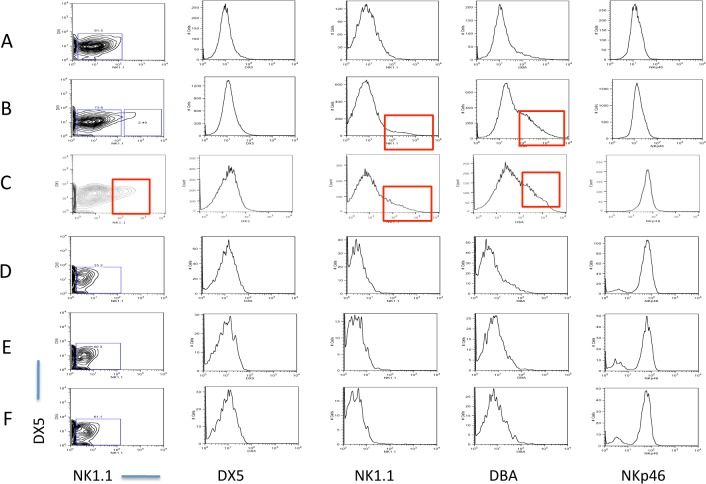
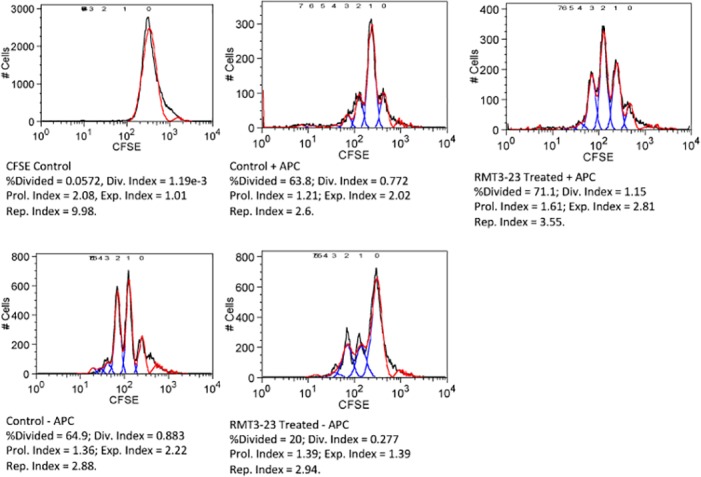
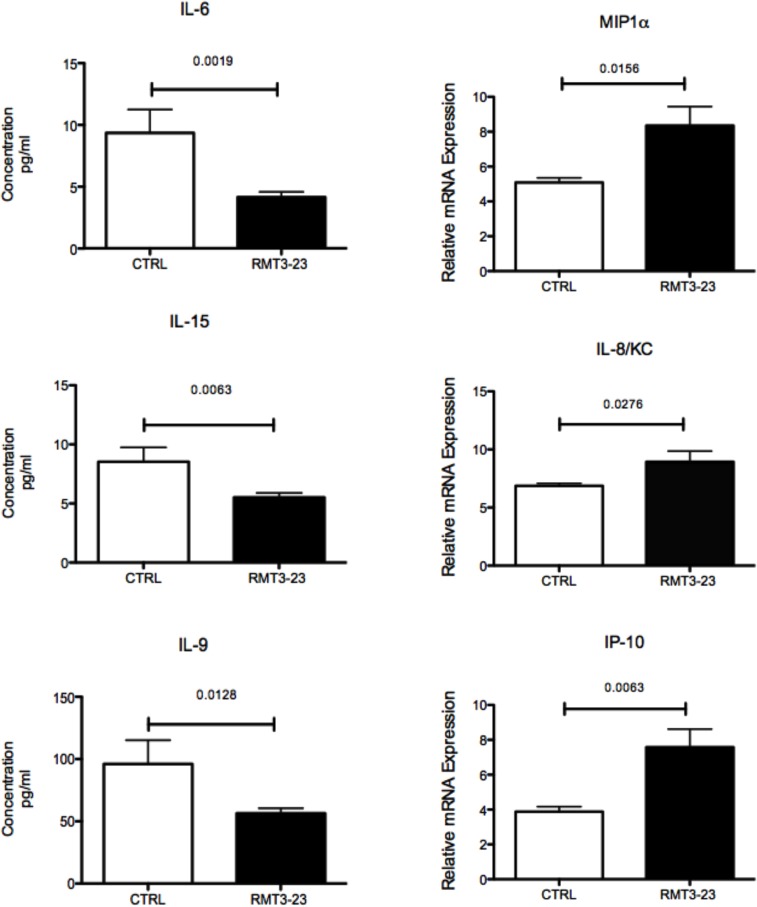
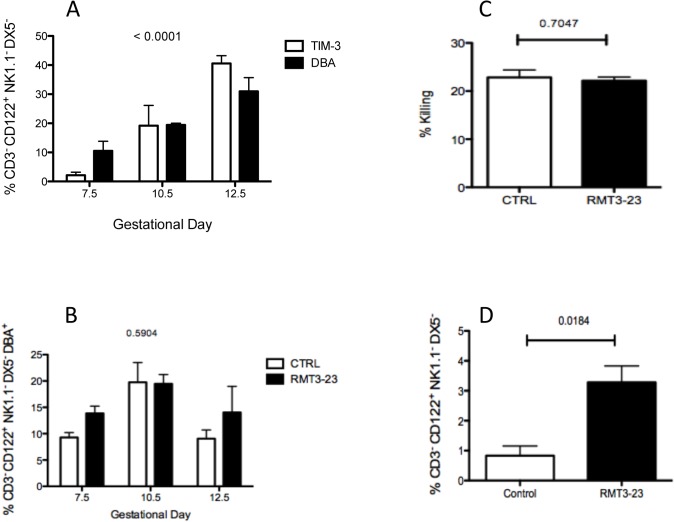
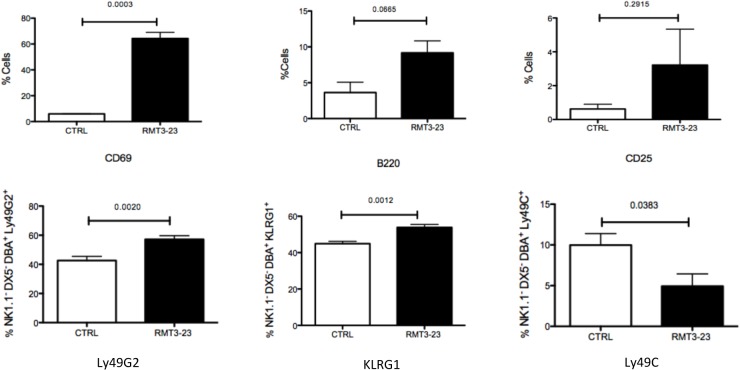
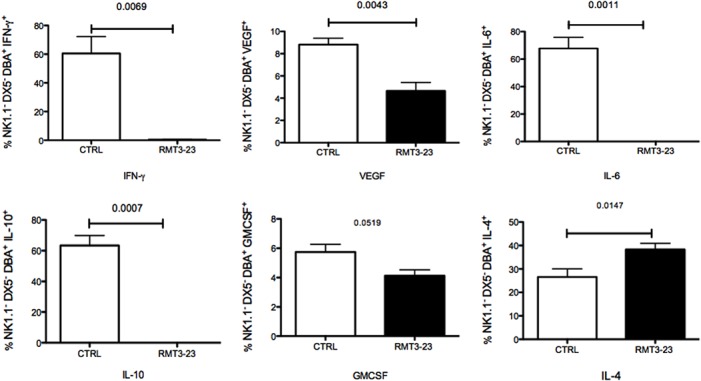
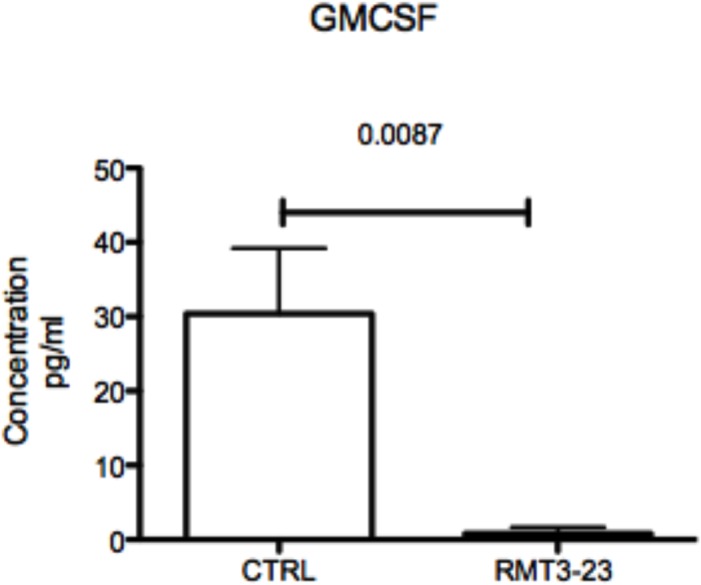
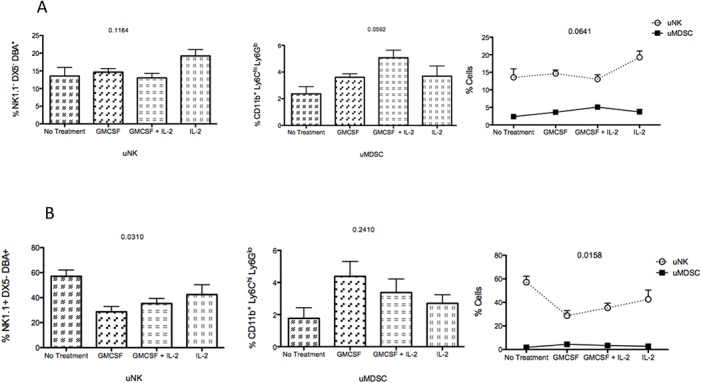
NK cells are the most abundant lymphocyte population in the feto-maternal interface during gestation. The uterine NK cells (uNK) are transient, have a unique immunophenotype and produce a number of cytokines. These cytokines play an important role in establishment and maintenance of vascular remodeling and tolerance associated with successful pregnancy. The uNK cells also express TIM-3 during gestation and blockade of TIM-3 expression results in fetal loss in mice. In this study we determined the effect of TIM-3 blockade on uNK cells. Specifically we observed surface receptor phenotype and cytokine production by uNK cells following TIM-3 blockade. Our results show that TIM-3 plays a role in regulating the uNK cells and contributes to the maintenance of tolerance at the feto-maternal interface.
自然杀伤细胞(NK细胞)是妊娠期母胎界面中最丰富的淋巴细胞群体。子宫自然杀伤细胞(uNK细胞)是短暂存在的,具有独特的免疫表型,并能产生多种细胞因子。这些细胞因子在与成功妊娠相关的血管重塑和耐受性的建立与维持中发挥重要作用。uNK细胞在妊娠期也表达T细胞免疫球蛋白黏蛋白-3(TIM-3),阻断TIM-3表达会导致小鼠发生胎儿丢失。在本研究中,我们确定了阻断TIM-3对uNK细胞的影响。具体而言,我们观察了阻断TIM-3后uNK细胞的表面受体表型和细胞因子产生情况。我们的结果表明,TIM-3在调节uNK细胞中发挥作用,并有助于维持母胎界面的耐受性。