Lin Xiaochang, Xu Wenjuan, Shao Meng, Fan Qin, Wen Ge, Li Changke, Jing Linlin, Sun Xuegang
Department of Traditional Chinese Medicine, Nanfang Hospital, Southern Medical University, Guangzhou, 510515, China.
The Key Laboratory of Molecular Biology, State Administration of Traditional Chinese Medicine; School of Traditional Chinese Medicine, Southern Medical University, Guangzhou, 510515, China.
BMC Complement Altern Med. 2015 Apr 22;15:126. doi: 10.1186/s12906-015-0649-9.
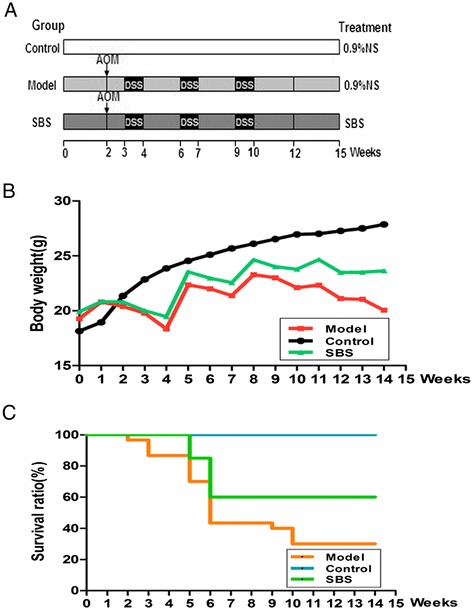
Shenling Baizhu San (SBS) is a well-known and classical Chinese medicine formula. It has been used for treatment of gastrointestinal disorders for about nine hundred years. Recent reports showed that it was effective in curing colitis and ameliorating the major manifestations of postoperational colorectal cancer (CRC). This study was to evaluate the effects of SBS on azoxymethane (AOM) and dextran sodium sulfate (DSS) induced colitis associated CRC (caCRC) and to analyze the underlying mechanism of SBS in preventing CRC.
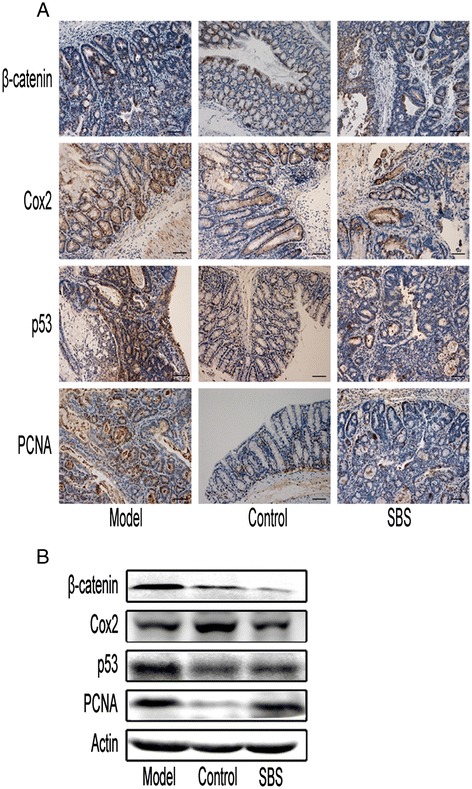
The colon tissue of mice in different group was determined by immunohistochemistry and western blot. TGF-β1 in serum was measured by ELISA. Myeloid-derived suppressor cells (MDSCs) were identified by flow cytometry and immunohistochemistry.
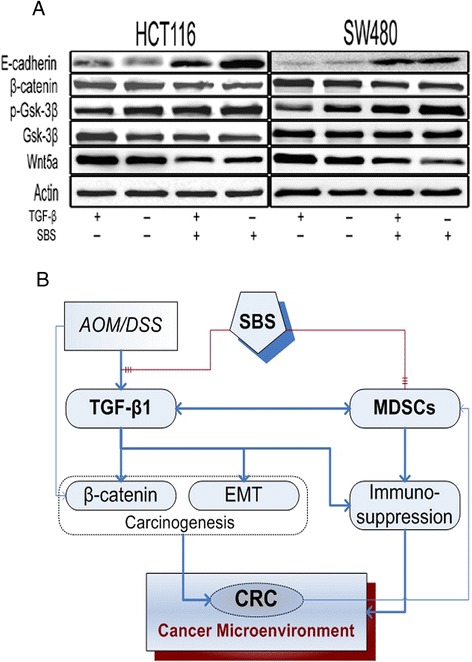
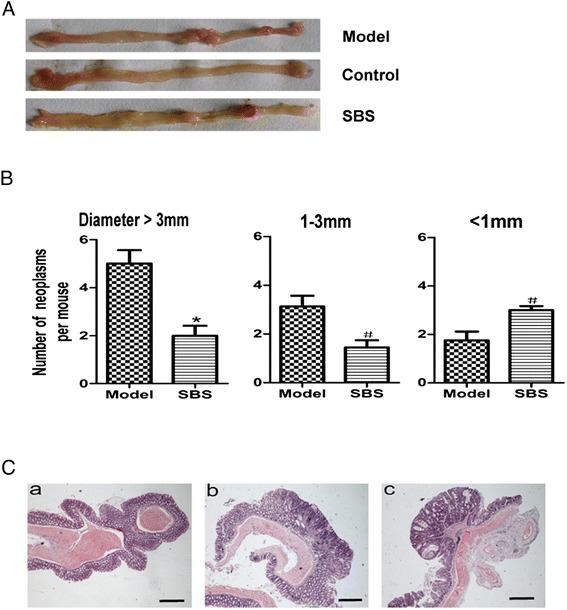
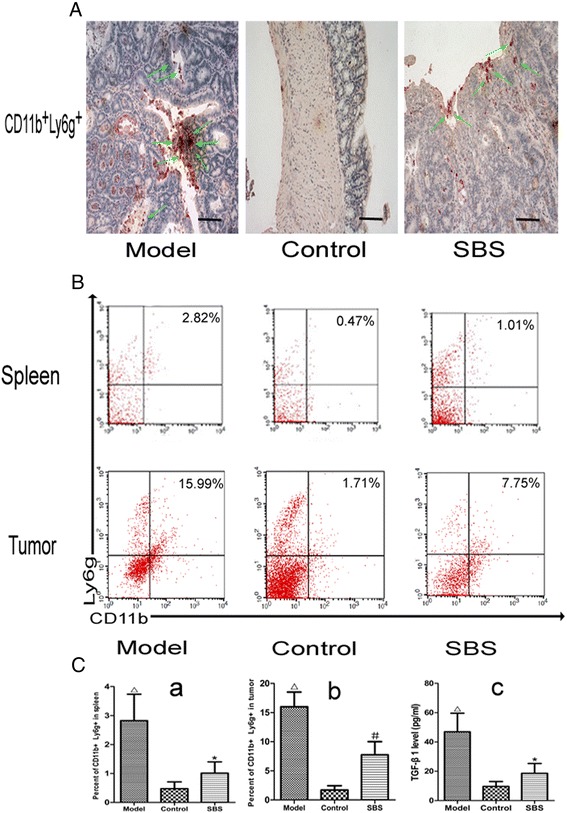
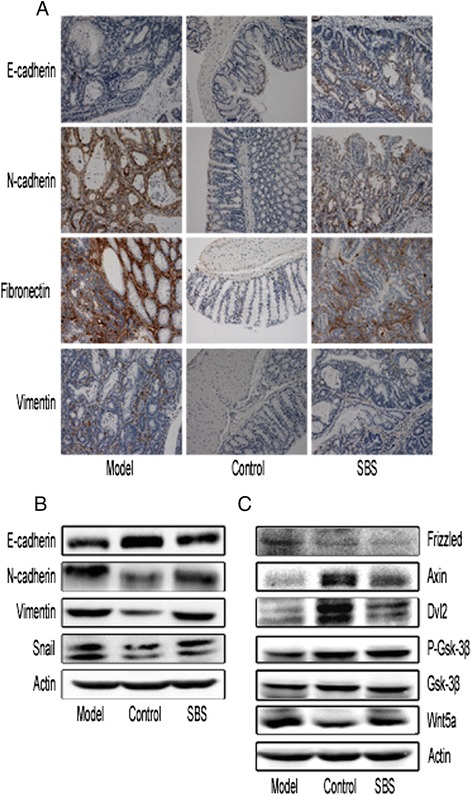
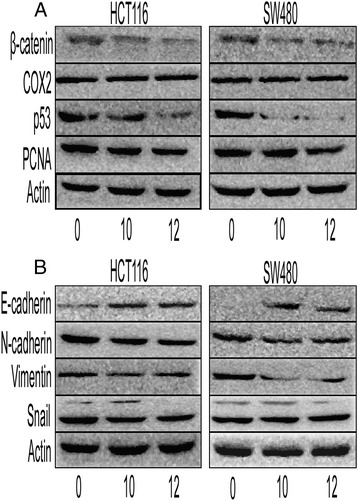
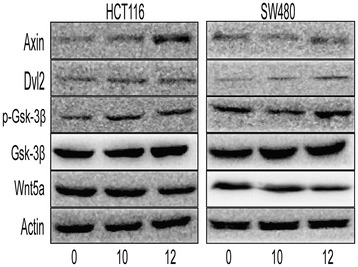
The formed neoplasms phenotypically resembled human caCRC with upregulated β-catenin, p53 and proliferating cell nuclear antigen (PCNA). SBS treatment reduced the death rate of mice and decreased the incidence and multiplicity of colonic neoplasms. SBS decreased the number of MDSCs and the level of transforming growth factor β1 (TGF-β1). SBS alleviated epithelial mesenchymal transition (EMT) through downregulating N-cadherin (N-cad), Vimentin, Fibronectin, Snail, and upregulating E-cadherin (E-cad). It reduced the activation of Wnt5a and EMT induced by TGF-β1.
SBS reduced the death rate through decreasing the incidence and multiplicity of colonic tumors. SBS lowered MDSCs infiltration and inhibited TGF-β1 induced EMT to exert its anti-caCRC effects.
参苓白术散(SBS)是一种著名的经典中药方剂。它用于治疗胃肠道疾病已有约九百年历史。最近的报道表明,它对治疗结肠炎和改善术后结直肠癌(CRC)的主要症状有效。本研究旨在评估SBS对氧化偶氮甲烷(AOM)和葡聚糖硫酸钠(DSS)诱导的结肠炎相关结直肠癌(caCRC)的影响,并分析SBS预防CRC的潜在机制。
通过免疫组织化学和蛋白质印迹法检测不同组小鼠的结肠组织。采用酶联免疫吸附测定法(ELISA)检测血清中的转化生长因子β1(TGF-β1)。通过流式细胞术和免疫组织化学鉴定髓源性抑制细胞(MDSCs)。
形成的肿瘤在表型上类似于人类caCRC,β-连环蛋白、p53和增殖细胞核抗原(PCNA)上调。SBS治疗降低了小鼠死亡率,减少了结肠肿瘤的发生率和多发性。SBS减少了MDSCs数量和转化生长因子β-1(TGF-β1)水平。SBS通过下调N-钙黏蛋白(N-cad)、波形蛋白、纤连蛋白、蜗牛蛋白,并上调E-钙黏蛋白(E-cad)来减轻上皮-间质转化(EMT)。它降低了Wnt5a的激活以及TGF-β1诱导的EMT。
SBS通过降低结肠肿瘤的发生率和多发性降低了死亡率。SBS减少了MDSCs浸润并抑制了TGF-β1诱导的EMT,从而发挥其抗caCRC作用。