Sommers Joshua A, Suhasini Avvaru N, Brosh Robert M
Laboratory of Molecular Gerontology, National Institute on Aging, National Institutes of Health, NIH Biomedical Research Center, 251 Bayview Blvd, Baltimore, MD 21224, USA.
Department of Medicine, Division of Hematology & Medical Oncology, The University of Texas Health Science Center at San Antonio, San Antonio, TX 78229, USA.
Biomolecules. 2015 Apr 21;5(2):590-616. doi: 10.3390/biom5020590.
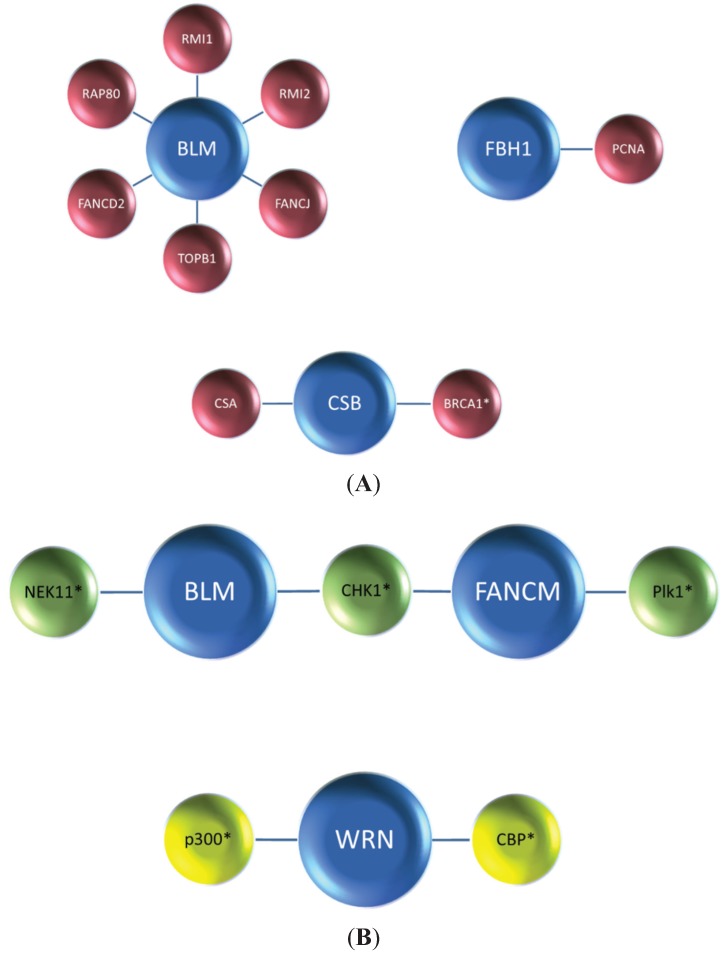
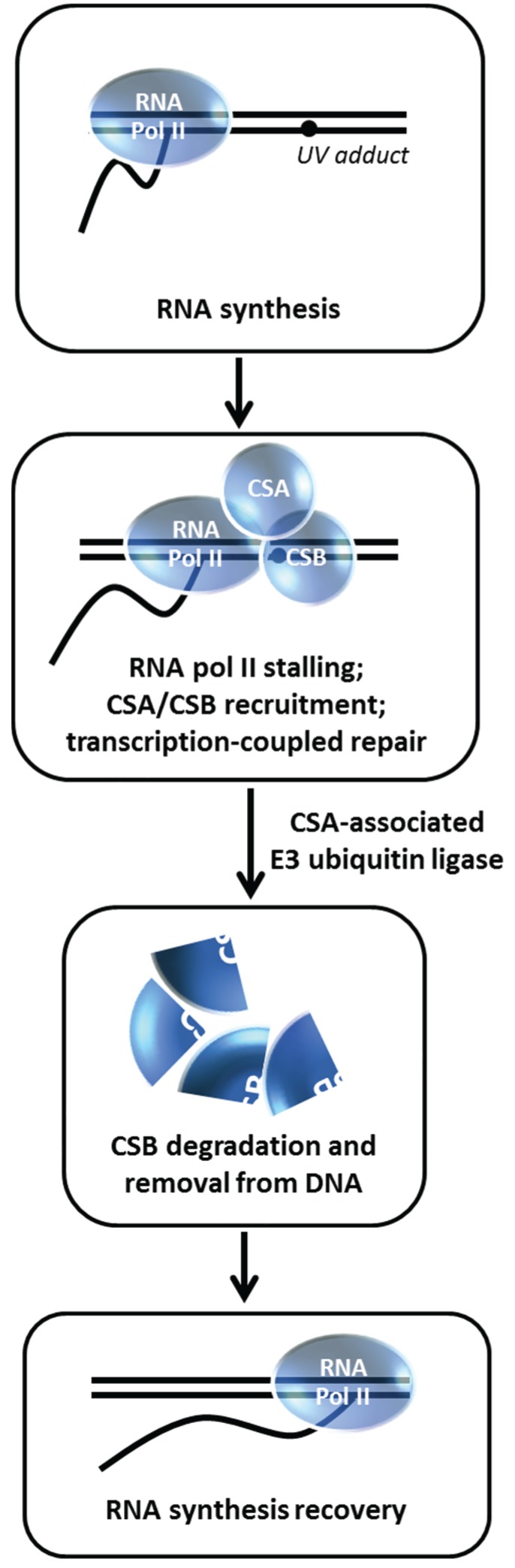
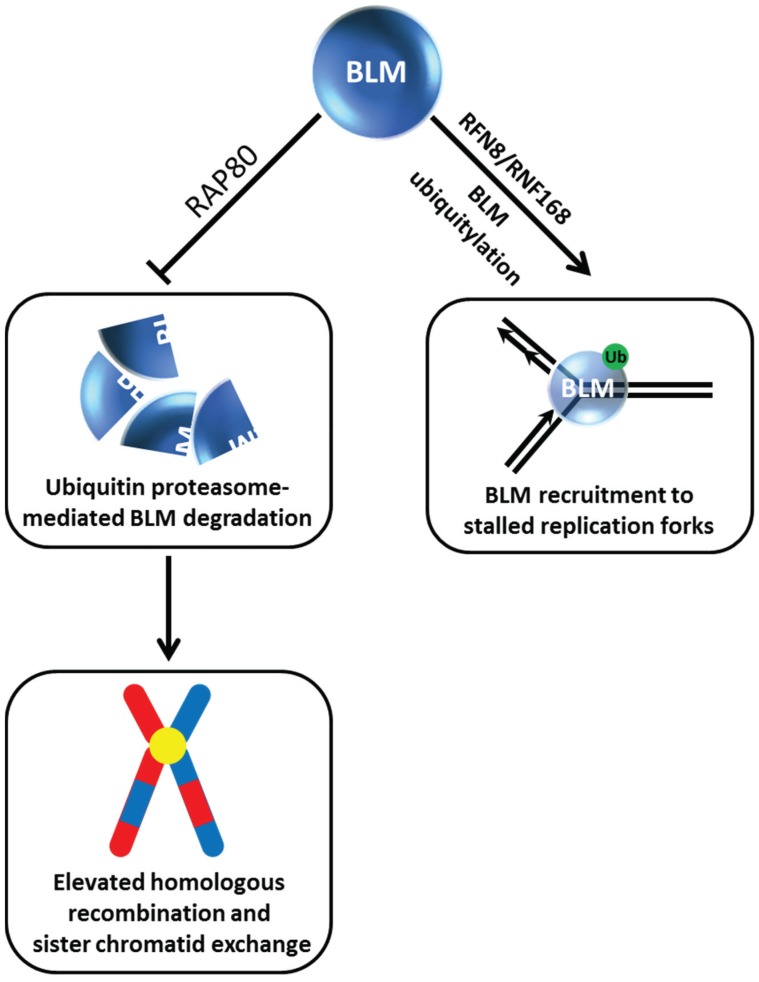
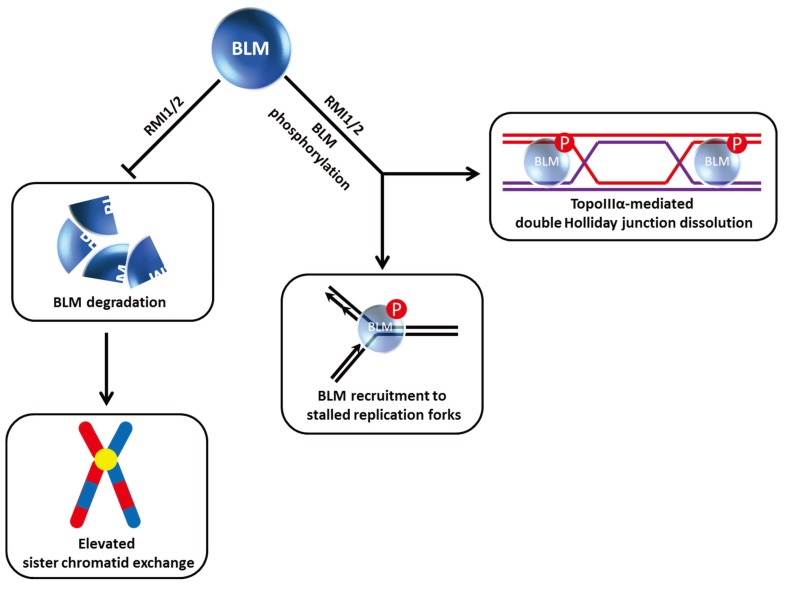
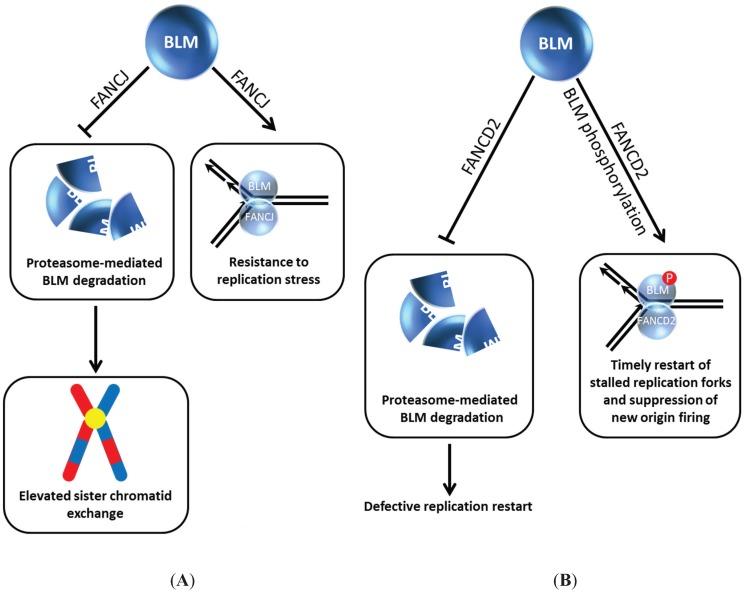
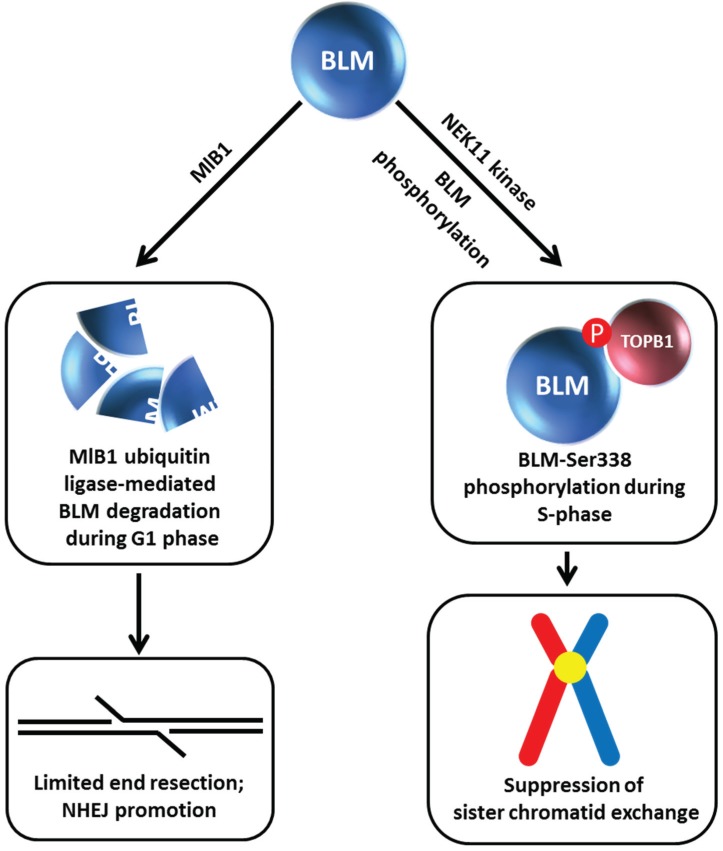
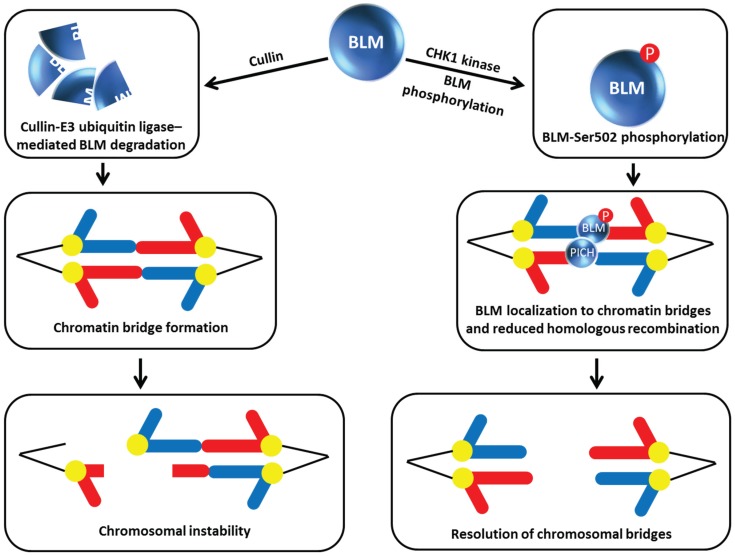
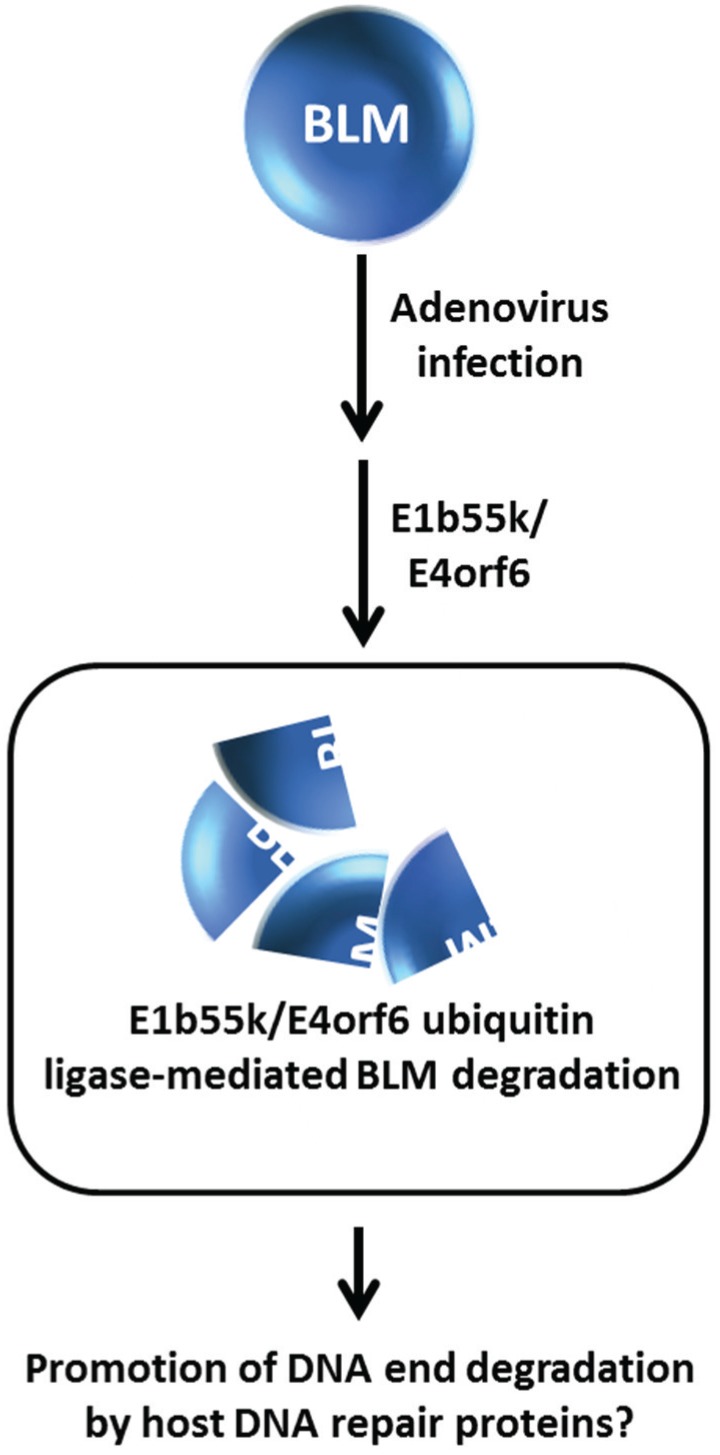
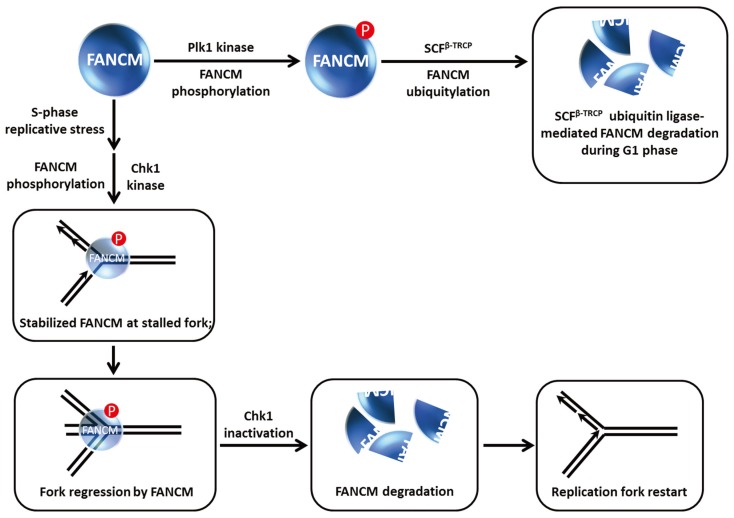
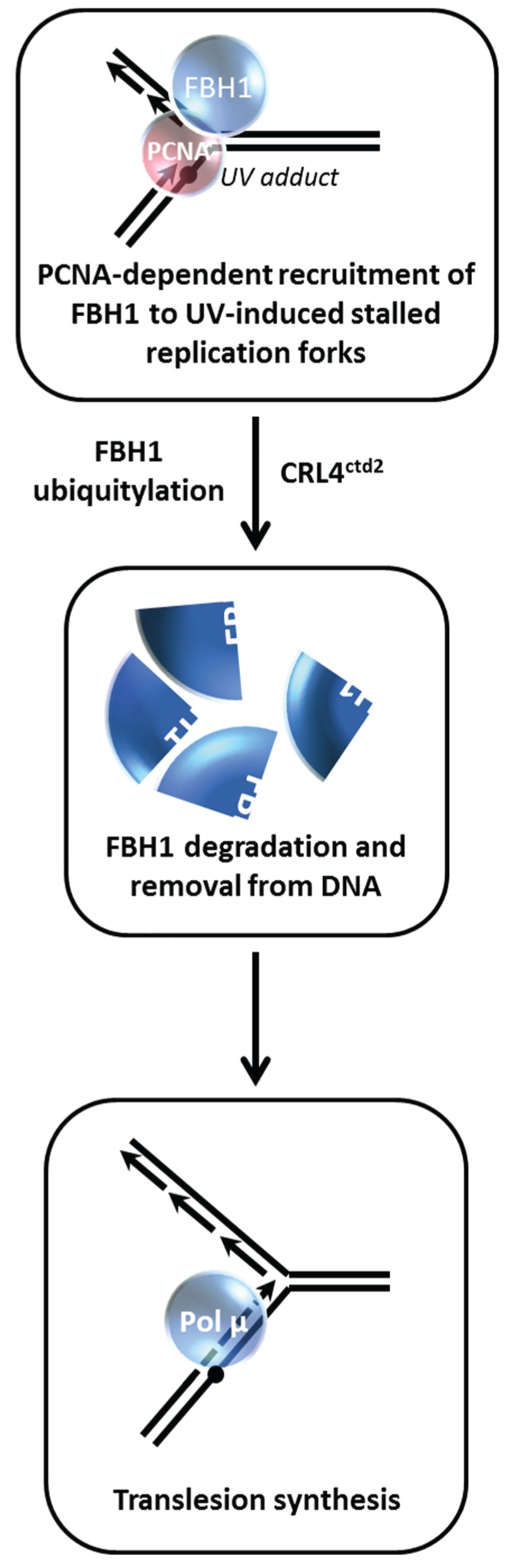
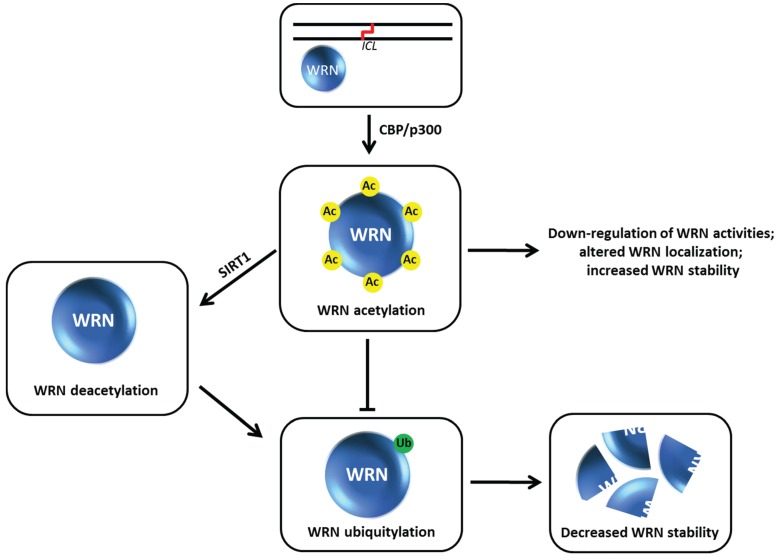
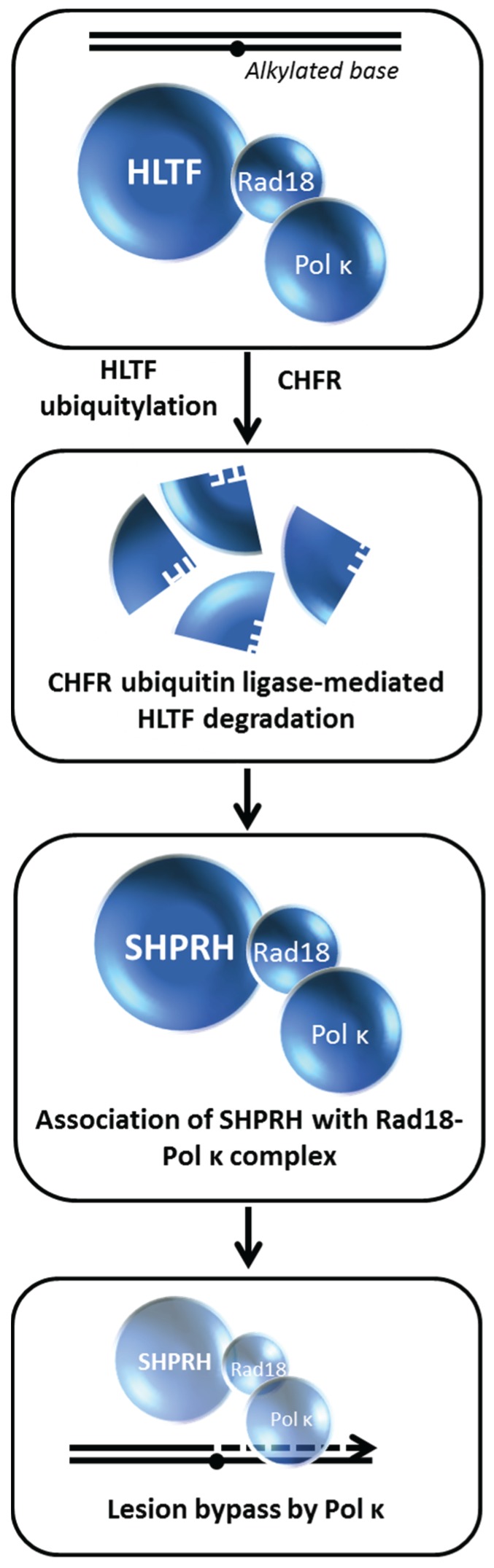
Degradation of helicases or helicase-like proteins, often mediated by ubiquitin-proteasomal pathways, plays important regulatory roles in cellular mechanisms that respond to DNA damage or replication stress. The Bloom's syndrome helicase (BLM) provides an example of how helicase degradation pathways, regulated by post-translational modifications and protein interactions with components of the Fanconi Anemia (FA) interstrand cross-link (ICL) repair pathway, influence cell cycle checkpoints, DNA repair, and replication restart. The FANCM DNA translocase can be targeted by checkpoint kinases that exert dramatic effects on FANCM stability and chromosomal integrity. Other work provides evidence that degradation of the F-box DNA helicase (FBH1) helps to balance translesion synthesis (TLS) and homologous recombination (HR) repair at blocked replication forks. Degradation of the helicase-like transcription factor (HLTF), a DNA translocase and ubiquitylating enzyme, influences the choice of post replication repair (PRR) pathway. Stability of the Werner syndrome helicase-nuclease (WRN) involved in the replication stress response is regulated by its acetylation. Turning to transcription, stability of the Cockayne Syndrome Group B DNA translocase (CSB) implicated in transcription-coupled repair (TCR) is regulated by a CSA ubiquitin ligase complex enabling recovery of RNA synthesis. Collectively, these studies demonstrate that helicases can be targeted for degradation to maintain genome homeostasis.
解旋酶或解旋酶样蛋白的降解通常由泛素-蛋白酶体途径介导,在细胞对DNA损伤或复制应激的反应机制中发挥重要的调节作用。布鲁姆综合征解旋酶(BLM)为例说明了解旋酶降解途径如何受翻译后修饰以及与范可尼贫血(FA)链间交联(ICL)修复途径成分的蛋白质相互作用调控,进而影响细胞周期检查点、DNA修复和复制重启。FANCM DNA转位酶可被检查点激酶靶向作用,这些激酶对FANCM稳定性和染色体完整性有显著影响。其他研究表明,F-box DNA解旋酶(FBH1)的降解有助于平衡受阻复制叉处的跨损伤合成(TLS)和同源重组(HR)修复。解旋酶样转录因子(HLTF)是一种DNA转位酶和泛素化酶,其降解会影响复制后修复(PRR)途径的选择。参与复制应激反应的沃纳综合征解旋酶-核酸酶(WRN)的稳定性受其乙酰化调控。在转录方面,参与转录偶联修复(TCR)的科凯恩综合征B组DNA转位酶(CSB)的稳定性由CSA泛素连接酶复合物调控,从而恢复RNA合成。总体而言,这些研究表明解旋酶可被靶向降解以维持基因组稳态。