Scholl Ute I, Stölting Gabriel, Nelson-Williams Carol, Vichot Alfred A, Choi Murim, Loring Erin, Prasad Manju L, Goh Gerald, Carling Tobias, Juhlin C Christofer, Quack Ivo, Rump Lars C, Thiel Anne, Lande Marc, Frazier Britney G, Rasoulpour Majid, Bowlin David L, Sethna Christine B, Trachtman Howard, Fahlke Christoph, Lifton Richard P
Department of Genetics, Howard Hughes Medical Institute, Yale University School of Medicine, New Haven, United States.
Institute of Complex Systems, Zelluläre Biophysik, Forschungszentrum Jülich, Jülich, Germany.
Elife. 2015 Apr 24;4:e06315. doi: 10.7554/eLife.06315.
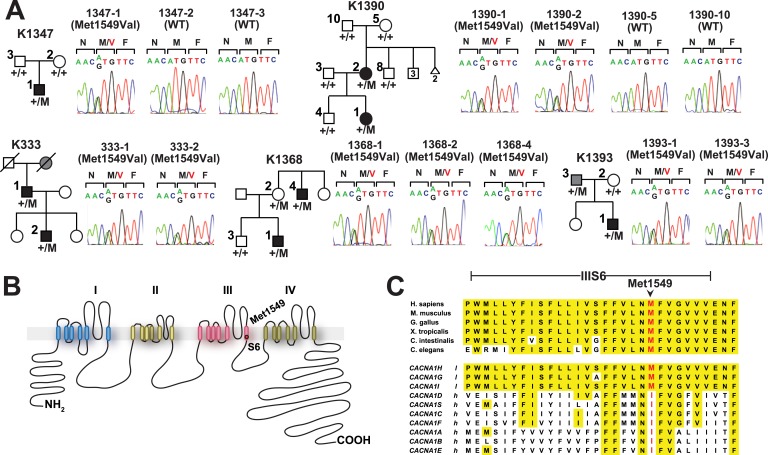
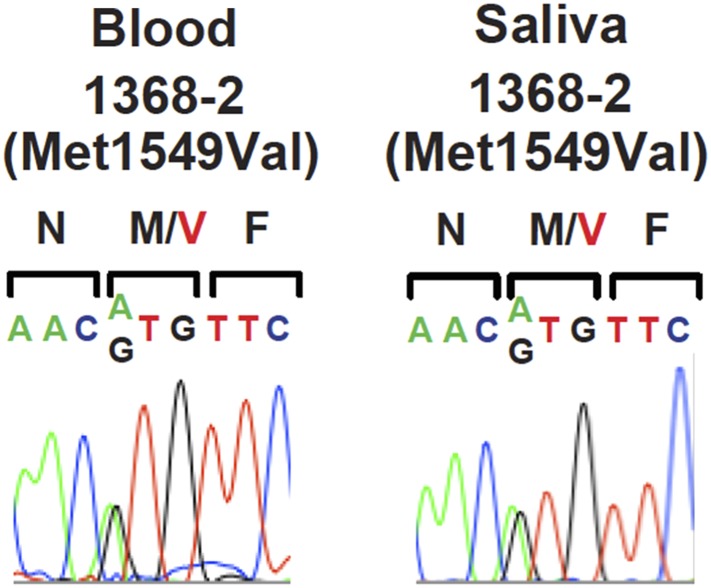
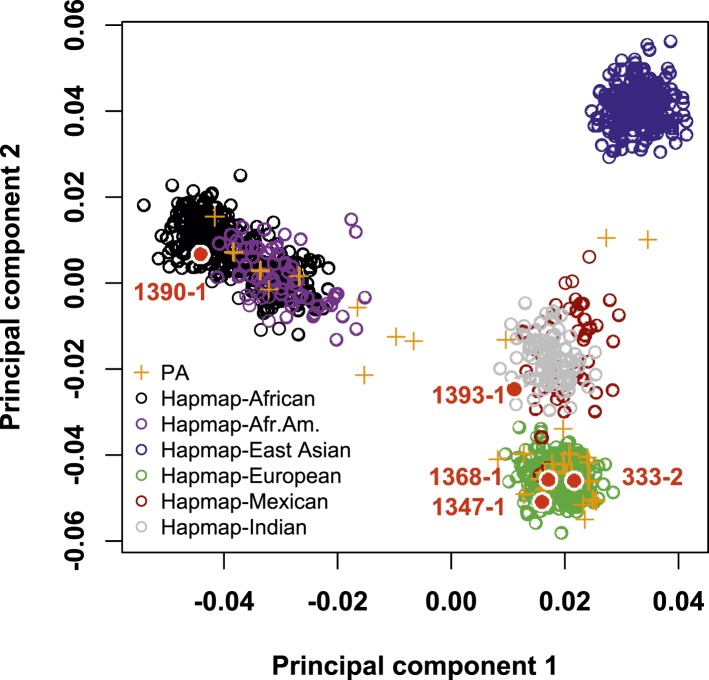
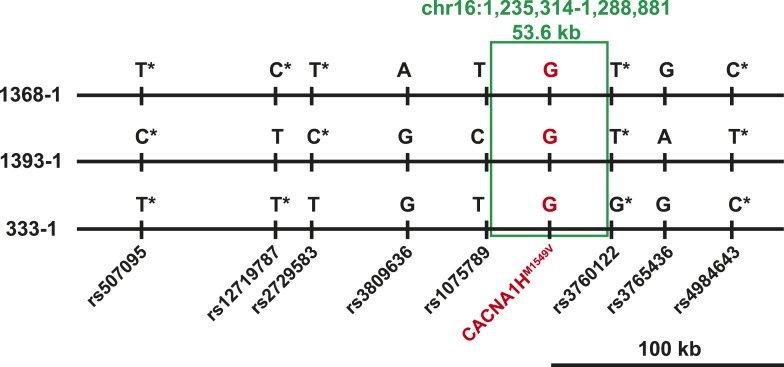
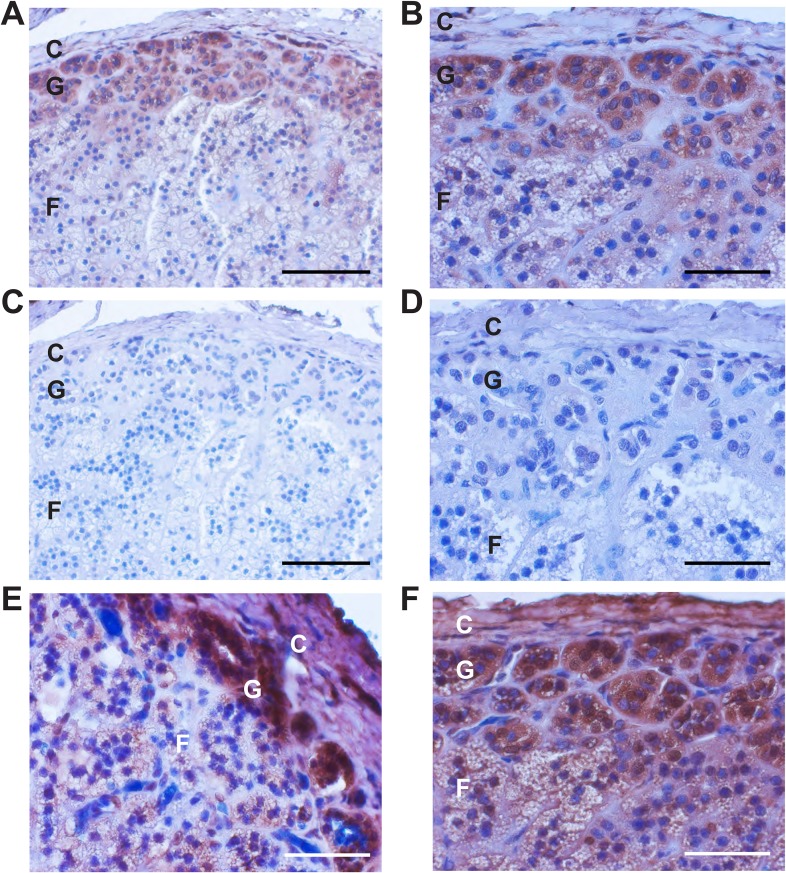
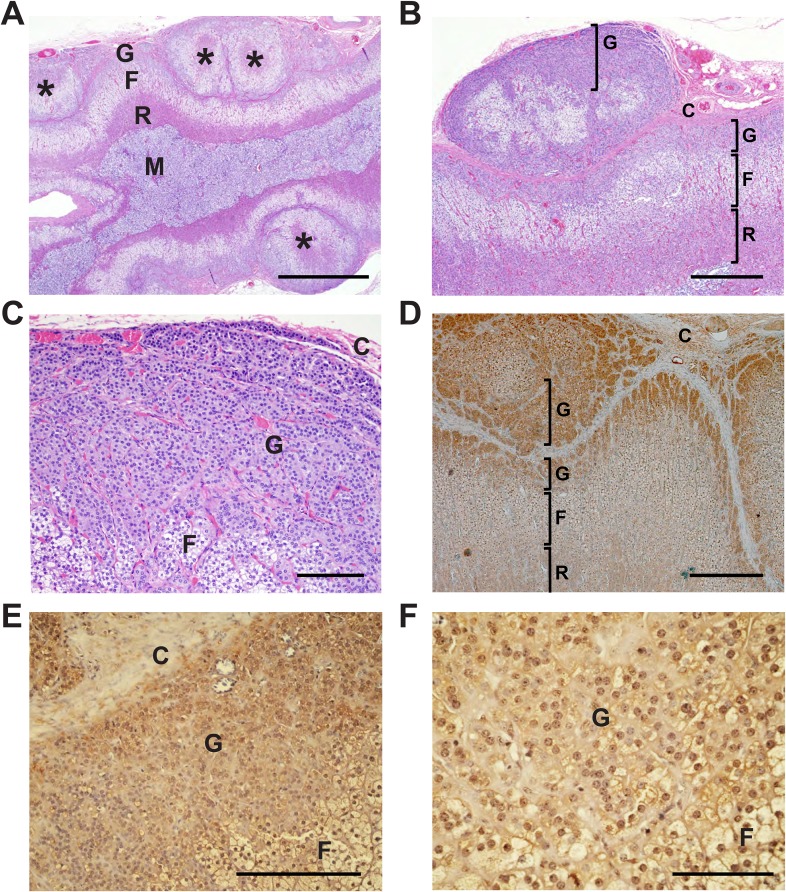
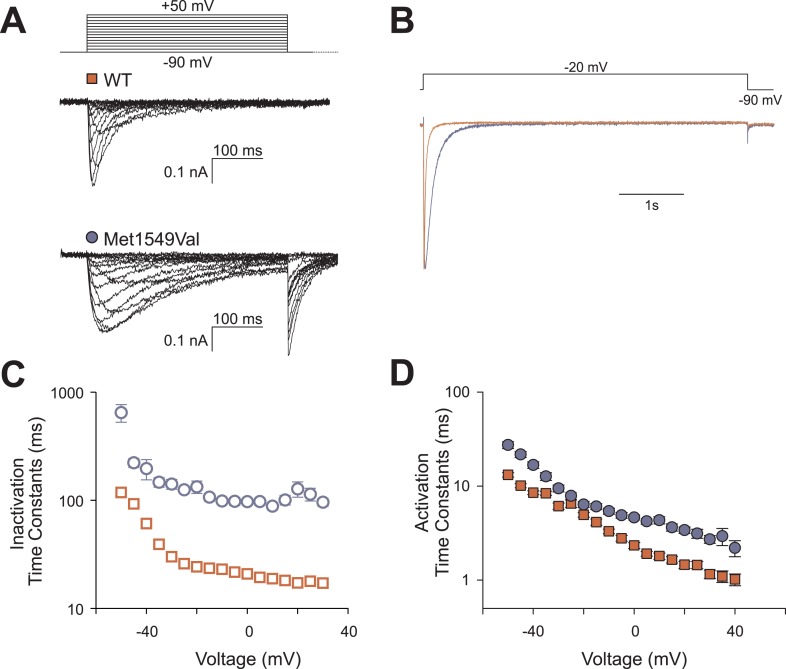
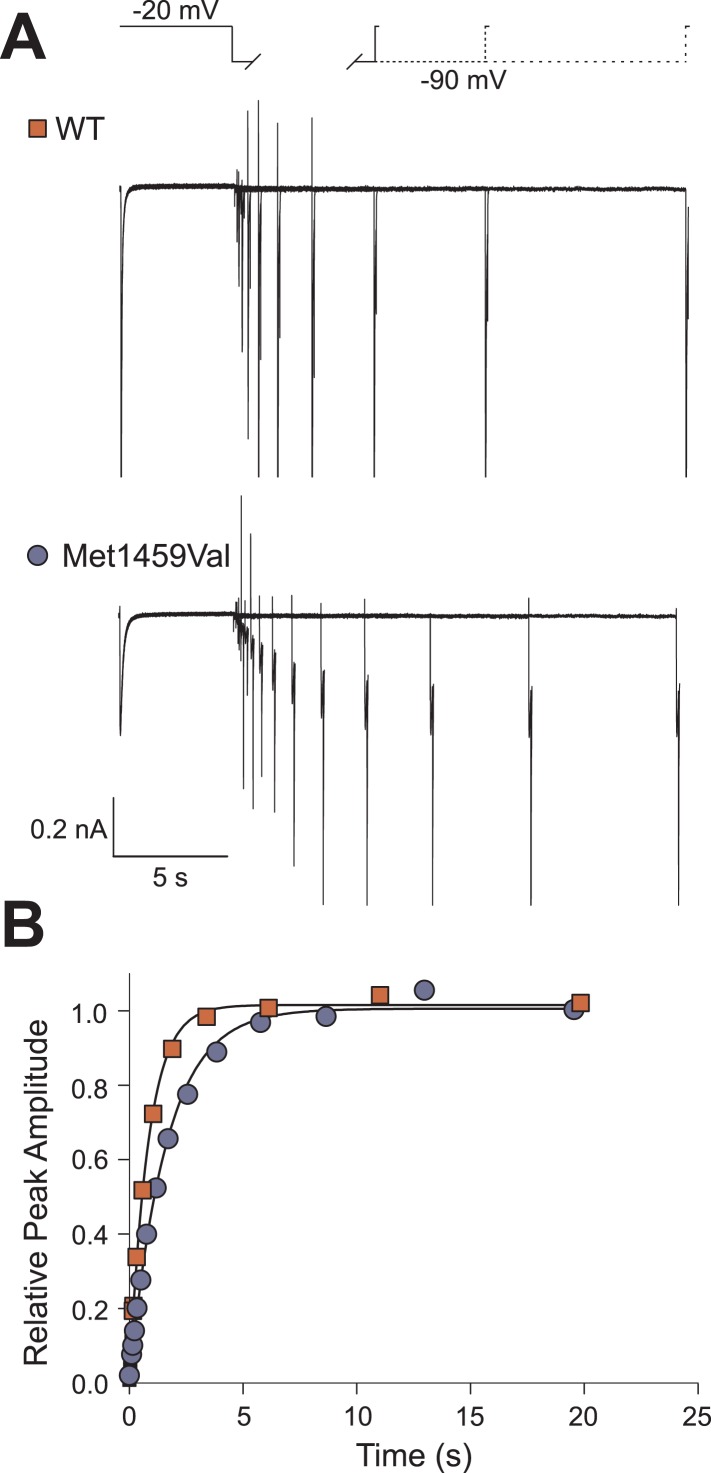
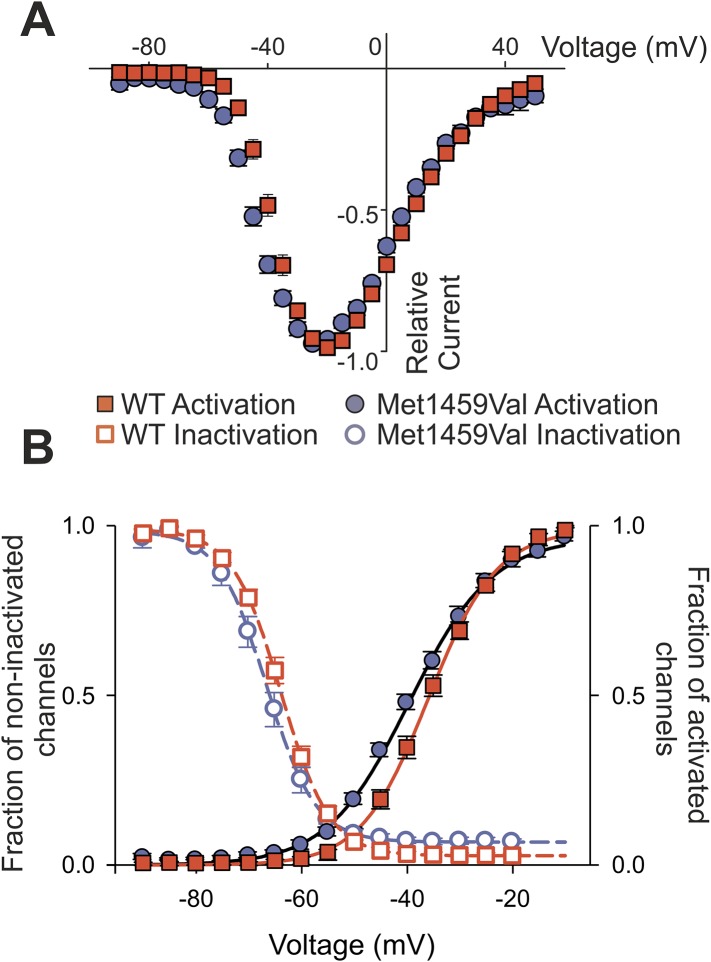
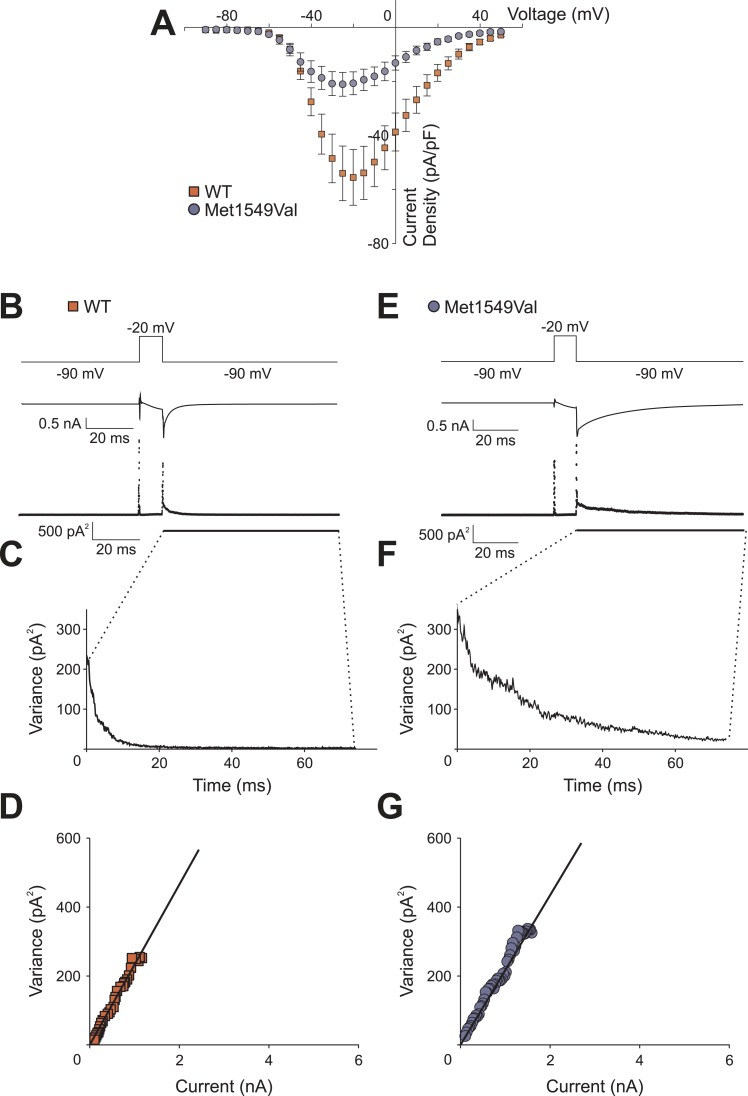
Many Mendelian traits are likely unrecognized owing to absence of traditional segregation patterns in families due to causation by de novo mutations, incomplete penetrance, and/or variable expressivity. Genome-level sequencing can overcome these complications. Extreme childhood phenotypes are promising candidates for new Mendelian traits. One example is early onset hypertension, a rare form of a global cause of morbidity and mortality. We performed exome sequencing of 40 unrelated subjects with hypertension due to primary aldosteronism by age 10. Five subjects (12.5%) shared the identical, previously unidentified, heterozygous CACNA1H(M1549V) mutation. Two mutations were demonstrated to be de novo events, and all mutations occurred independently. CACNA1H encodes a voltage-gated calcium channel (CaV3.2) expressed in adrenal glomerulosa. CACNA1H(M1549V) showed drastically impaired channel inactivation and activation at more hyperpolarized potentials, producing increased intracellular Ca(2+), the signal for aldosterone production. This mutation explains disease pathogenesis and provides new insight into mechanisms mediating aldosterone production and hypertension.
由于新发突变、不完全外显率和/或可变表达性导致家庭中缺乏传统的分离模式,许多孟德尔性状可能未被识别。基因组水平的测序可以克服这些复杂性。极端的儿童期表型是新的孟德尔性状的有希望的候选者。一个例子是早发性高血压,这是一种全球发病率和死亡率的罕见形式。我们对40名10岁前因原发性醛固酮增多症导致高血压的无亲缘关系的受试者进行了外显子组测序。五名受试者(12.5%)共享相同的、先前未鉴定的杂合CACNA1H(M1549V)突变。两个突变被证明是新发事件,所有突变均独立发生。CACNA1H编码一种在肾上腺球状带表达的电压门控钙通道(CaV3.2)。CACNA1H(M1549V)在更超极化的电位下显示出通道失活和激活严重受损,导致细胞内Ca(2+)增加,这是醛固酮产生的信号。这种突变解释了疾病的发病机制,并为介导醛固酮产生和高血压的机制提供了新的见解。