Petersen Richard C
University of Alabama at Birmingham, SDB 539, 1919 7 Avenue South, Biomaterials and Biomedical Engineering, Birmingham AL 35294, USA.
Int Res J Pure Appl Chem. 2012;2(4):247-285. doi: 10.9734/IRJPAC/2012/2104.
To provide common Organic Chemistry/Polymer Science thermoset free-radical crosslinking Sciences for Medical understanding and also present research findings for several common vitamins/antioxidants with a new class of drugs known as free-radical inhibitors.
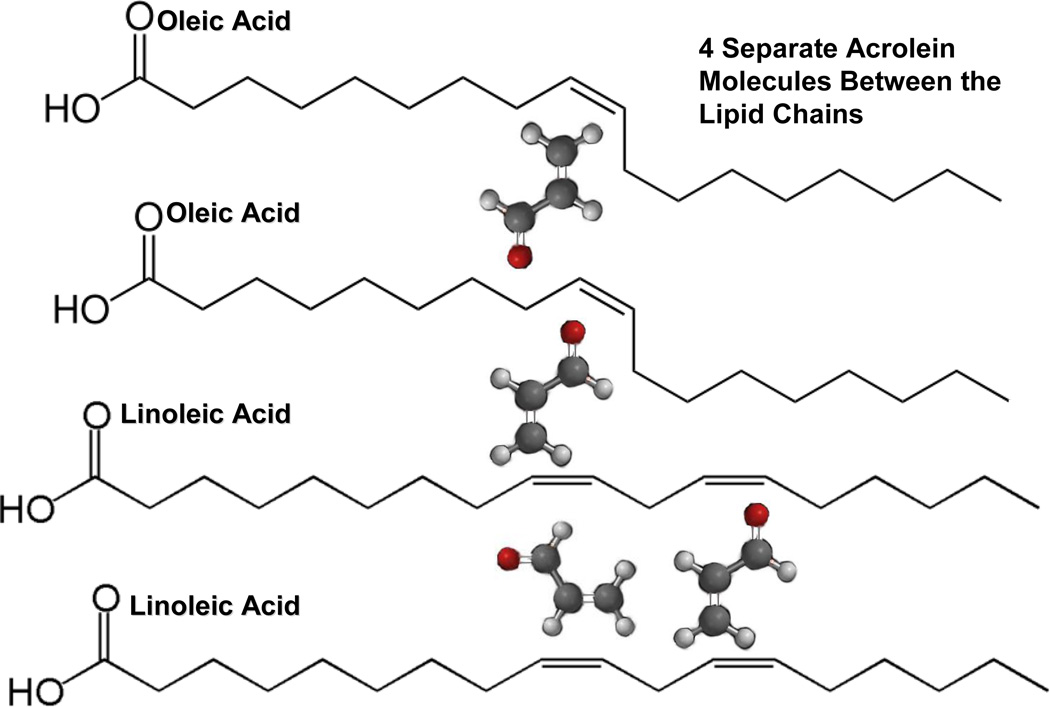
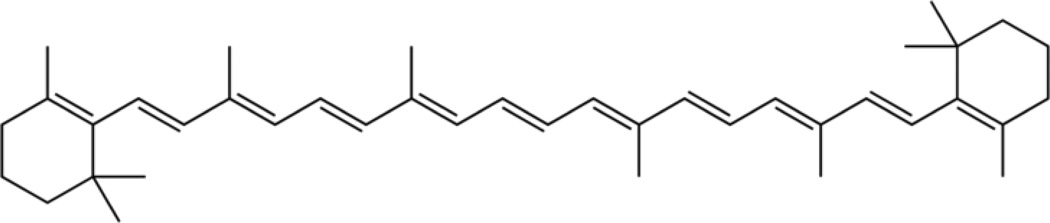
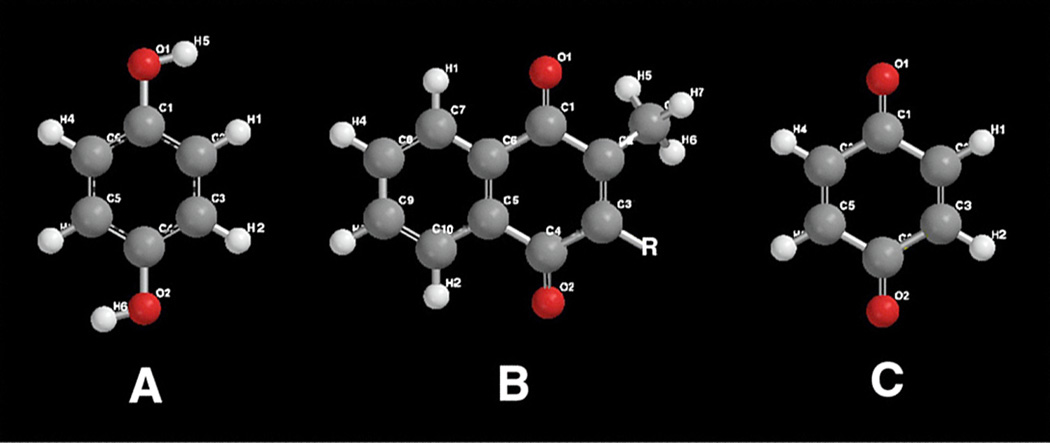
Peroxide/Fenton transition-metal redox couples that generate free radicals were combined with unsaturated lipid oils to demonstrate thermoset-polymer chain growth by crosslinking with the α-β-unsaturated aldehyde acrolein into rubbery/adhesive solids. Further, Vitamin A and beta carotene were similarly studied for crosslink pathological potential. Also, free-radical inhibitor hydroquinone was compared for antioxidant capability with Vitamin E.
Department of Materials Science and Engineering and Department of Biomaterials, University of Alabama at Birmingham, between June 2005 and August 2012.
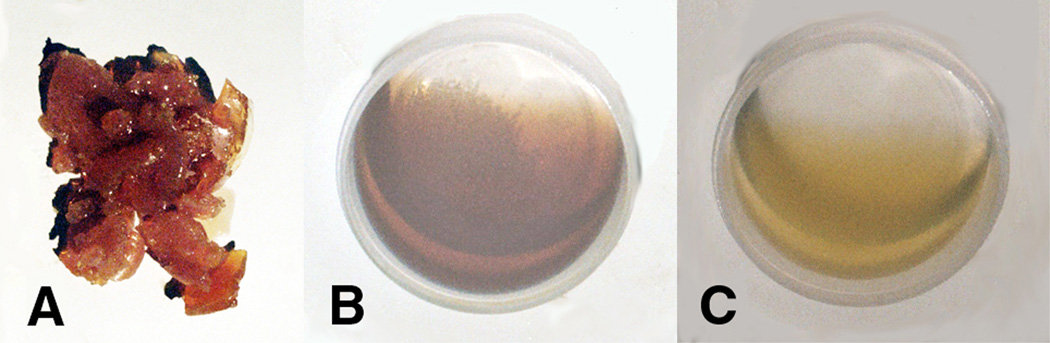
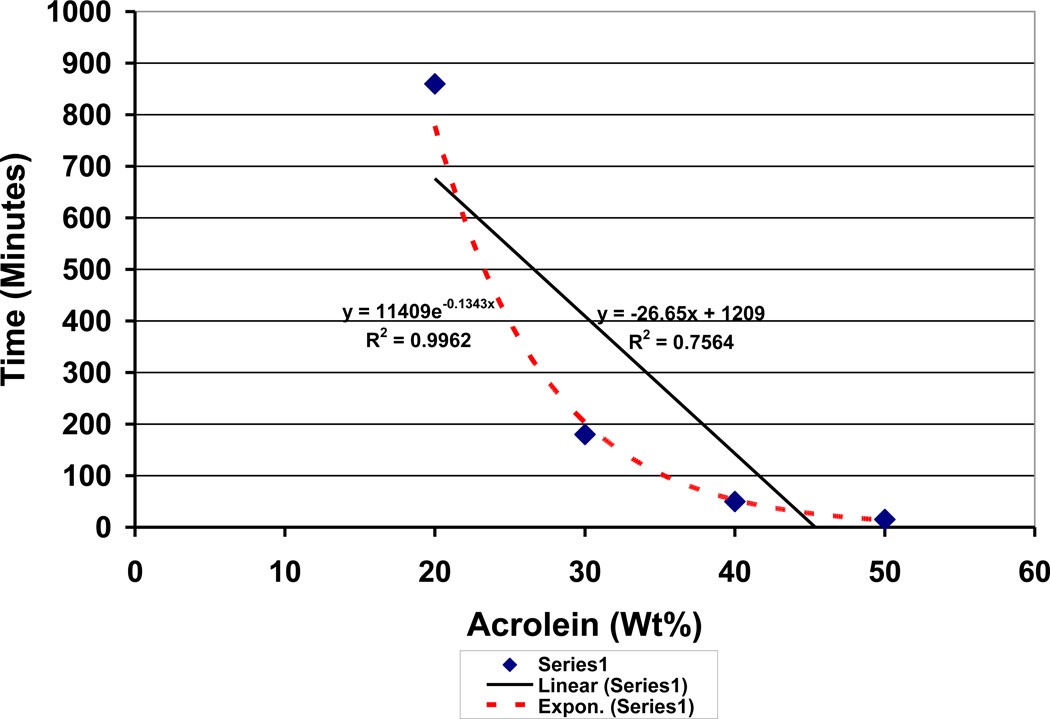
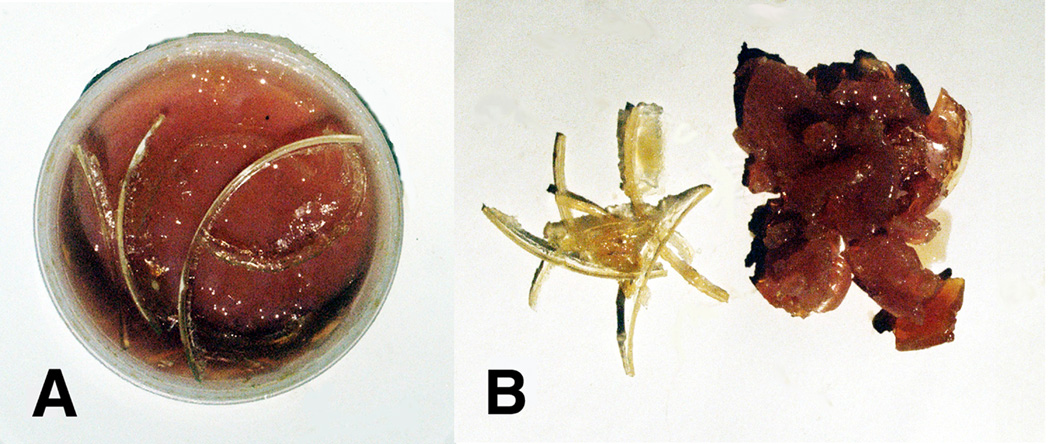
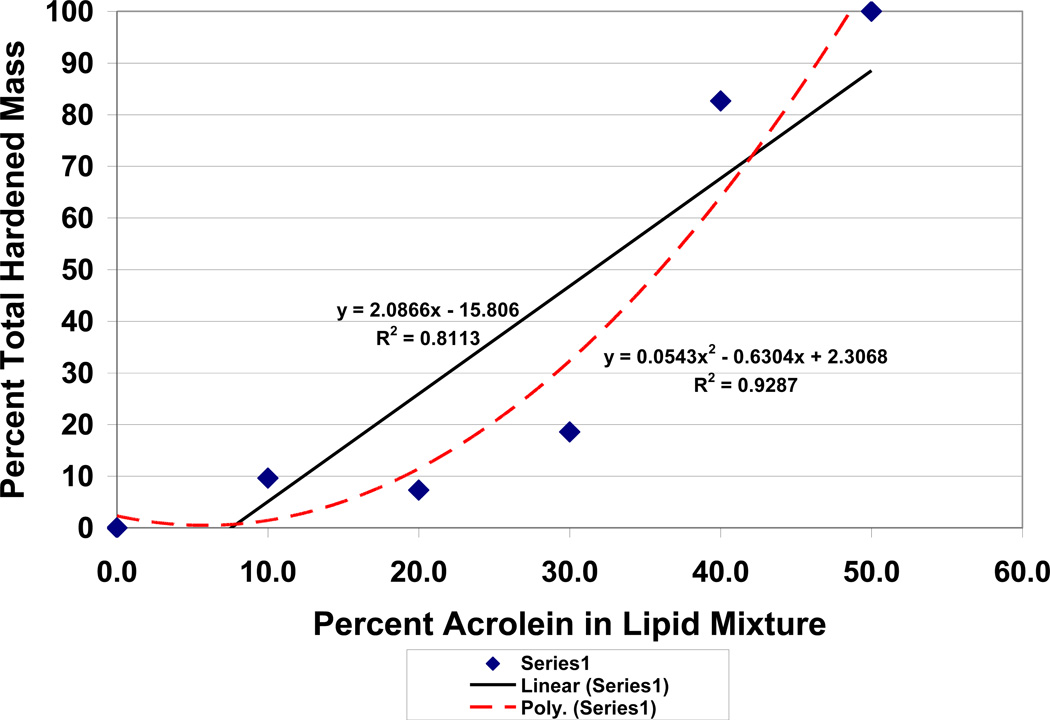
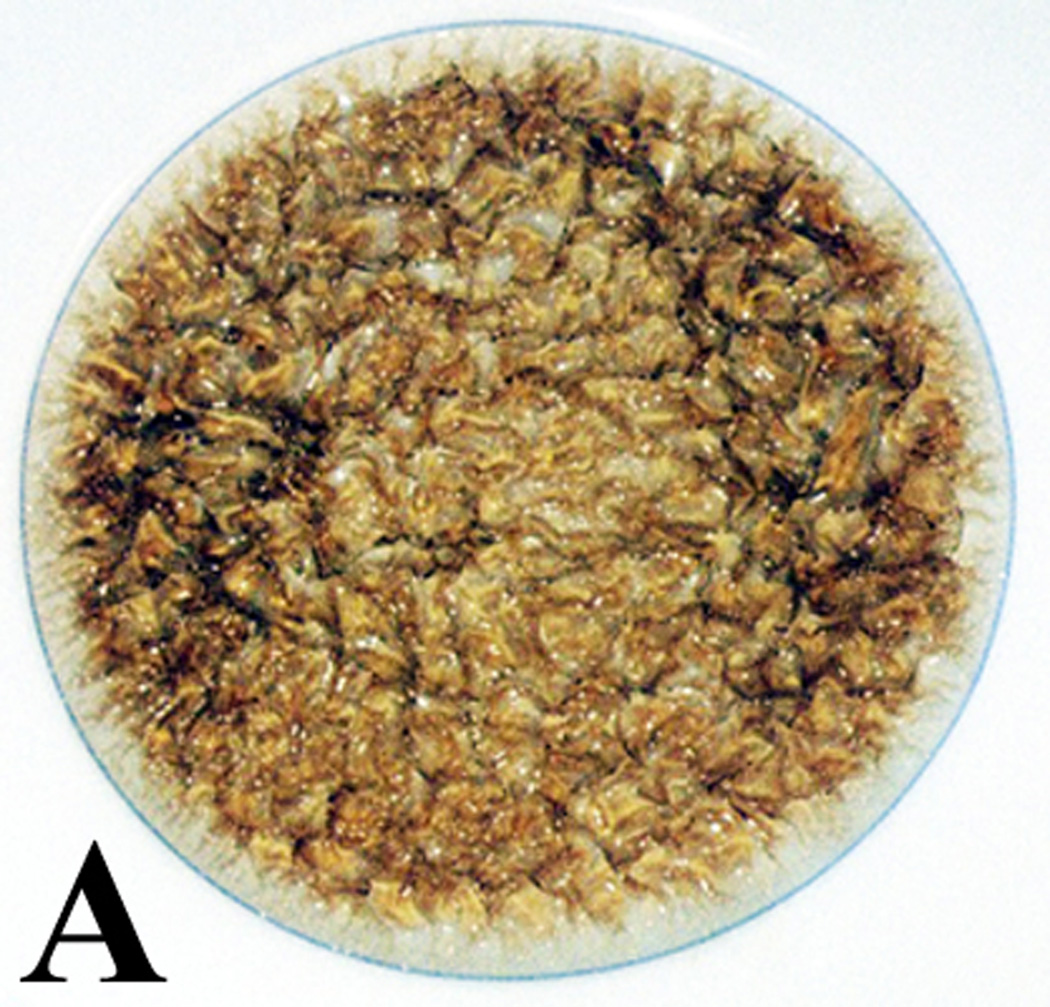
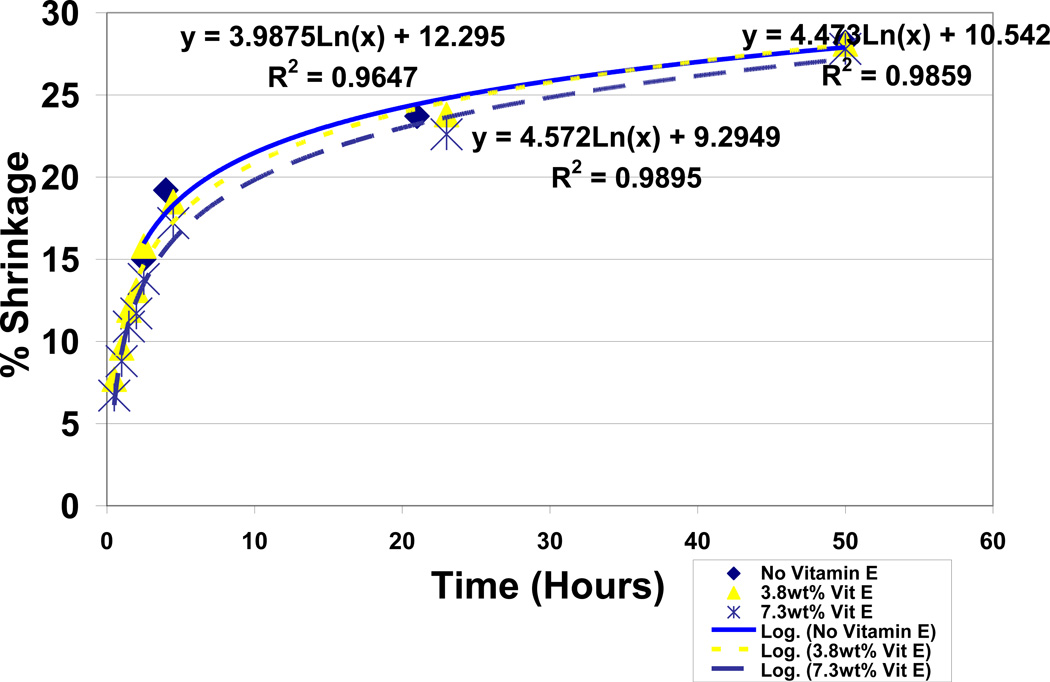
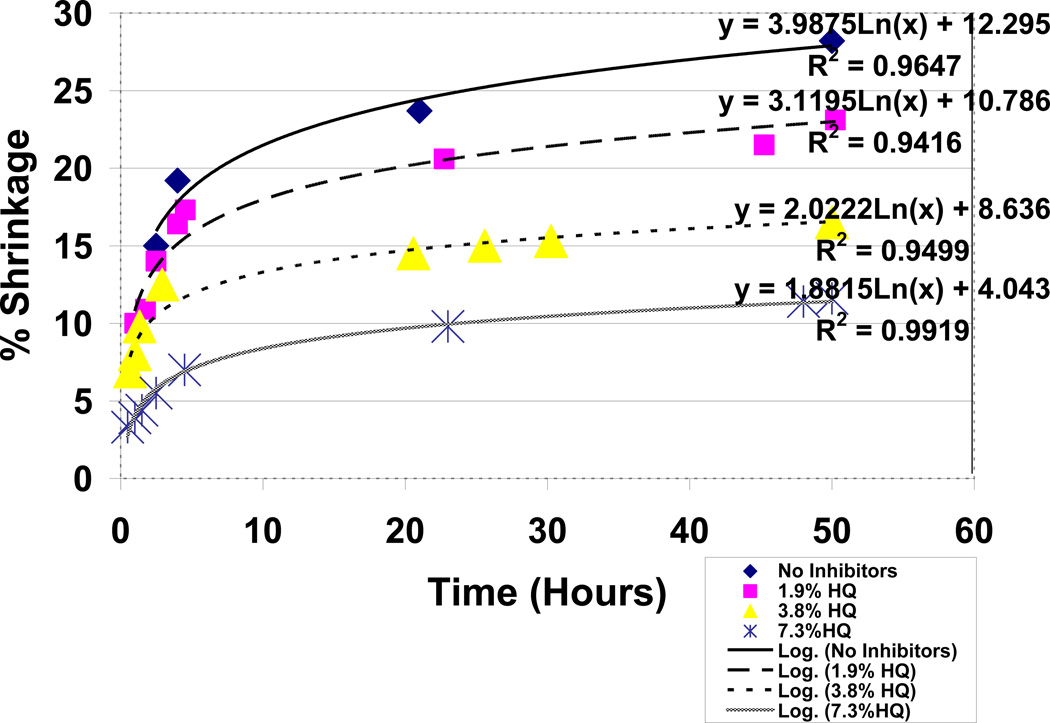
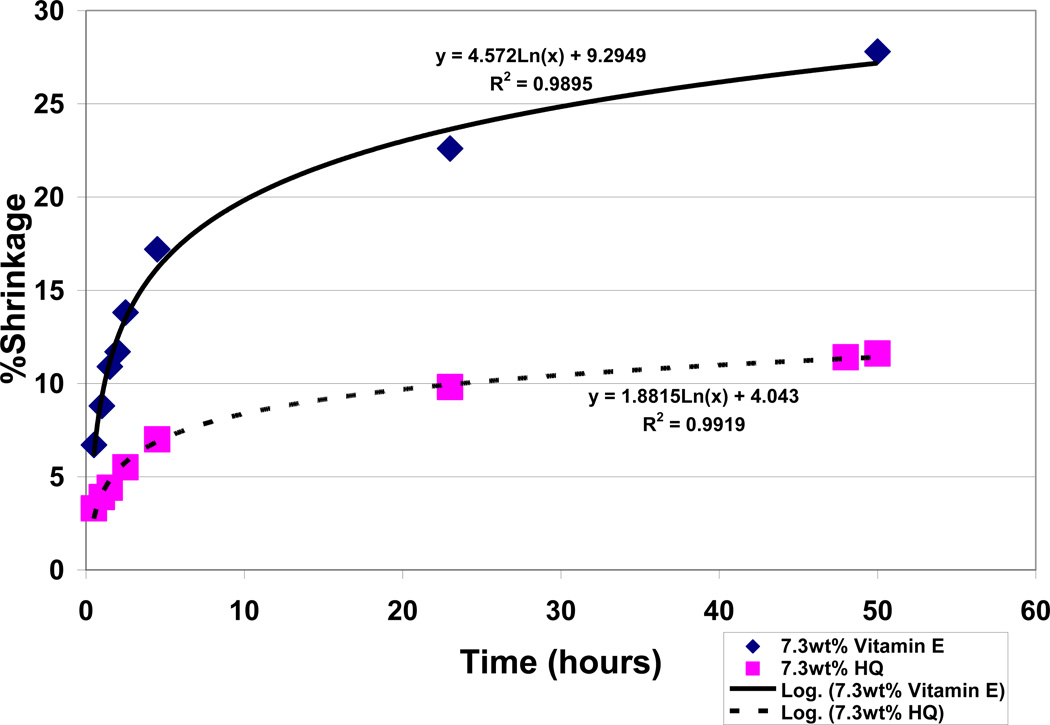
Observations were recorded for Fenton free-radical crosslinking of unsaturated lipids and vitamin A/beta carotene by photography further with weight measurements and percent-shrinkage testing directly related to covalent crosslinking of unsaturated lipids recorded over time with different concentrations of acrolein. Also, hydroquinone and vitamin E were compared at concentrations from 0.0-7.3wt% as antioxidants for reductions in percent-shrinkage measurements, n = 5.
Unsaturated lipid oils responded to Fenton thermoset-polymer reactive secondary sequence reactions only by acrolein with crosslinking into rubbery-type solids and different non-solid gluey products. Further, molecular oxygen crosslinking was demonstrated with lipid peroxidation and acrolein at specially identified margins. By peroxide/Fenton free-radical testing, both vitamin A and beta-carotene demonstrated possible pathology chemistry for chain-growth crosslinking. During lipid/acrolein testing over a 50 hour time period at 7.3wt% antioxidants, hydroquinone significantly reduced percent shrinkage greatly compared to the standard antioxidant vitamin E, %shrinkage at 11.6 ±1.3 for hydroquinone and 27.8 ±2.2 for vitamin E, = .001.
Free radicals crosslinked unsaturated lipid fatty acids into thermoset polymers through Fenton reactions when combined with acrolein. Further, hydroquinone was a superior antioxidant to vitamin E.
提供常见的有机化学/聚合物科学热固性自由基交联科学以供医学理解,并展示几种常见维生素/抗氧化剂与一类新型药物自由基抑制剂的研究结果。
将产生自由基的过氧化物/芬顿过渡金属氧化还原对与不饱和脂质油相结合,以证明通过与α-β-不饱和醛丙烯醛交联形成橡胶状/粘性固体来实现热固性聚合物链增长。此外,对维生素A和β-胡萝卜素的交联病理潜力进行了类似研究。还比较了自由基抑制剂对苯二酚与维生素E的抗氧化能力。
2005年6月至2012年8月期间,阿拉巴马大学伯明翰分校材料科学与工程系及生物材料系。
通过摄影记录不饱和脂质和维生素A/β-胡萝卜素的芬顿自由基交联情况,并进行重量测量和与不饱和脂质共价交联直接相关的收缩率测试,在不同浓度丙烯醛作用下随时间记录。还比较了浓度为0.0 - 7.3wt%的对苯二酚和维生素E作为抗氧化剂对收缩率测量值的降低情况,n = 5。
不饱和脂质油仅在丙烯醛存在下对芬顿热固性聚合物反应二级序列反应有响应,交联形成橡胶状固体和不同的非固体粘性产物。此外,在特定边界处通过脂质过氧化和丙烯醛证明了分子氧交联。通过过氧化物/芬顿自由基测试,维生素A和β-胡萝卜素均显示出链增长交联的可能病理化学过程。在7.3wt%抗氧化剂存在下,对50小时的脂质/丙烯醛测试期间,与标准抗氧化剂维生素E相比,对苯二酚显著降低了收缩率,对苯二酚的收缩率为11.6±1.3%,维生素E为27.8±2.2%,P = 0.001。
自由基与丙烯醛结合时,通过芬顿反应将不饱和脂质脂肪酸交联成热固性聚合物。此外,对苯二酚是比维生素E更优的抗氧化剂。