Tabuchi Sadaharu, Kadowaki Mitsutoshi
Department of Neurosurgery, Tottori Prefectural Central Hospital, Tottori, Japan.
Asian J Endosc Surg. 2015 May;8(2):180-4. doi: 10.1111/ases.12162.
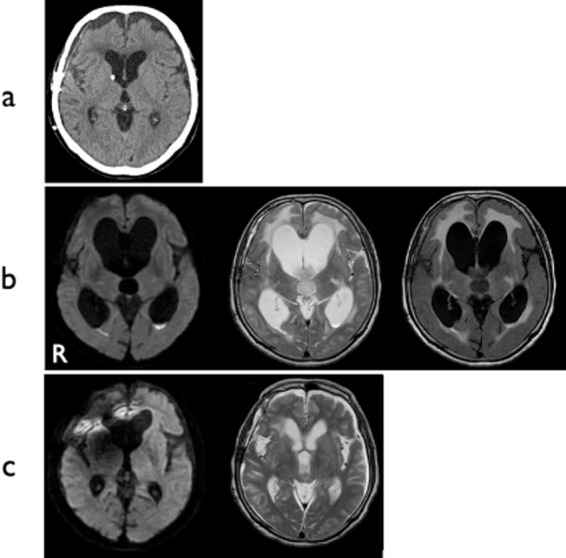
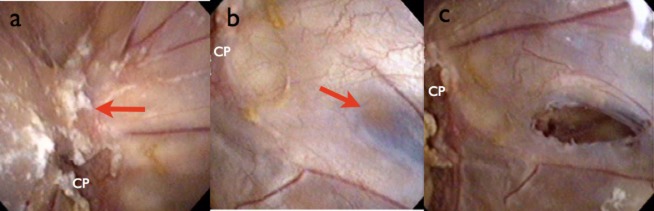
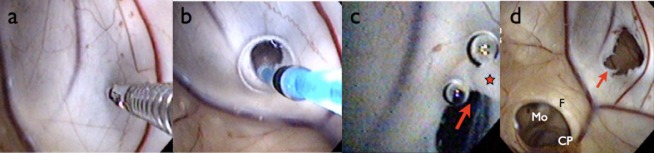
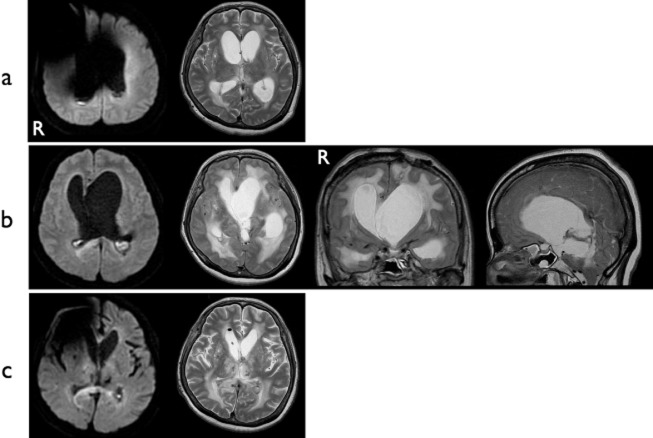
If not controlled in the early stage, ventriculitis is difficult to treat neurosurgically and can lead to serious sequelae, a long course of treatment, and hospitalization. We report two cases of ventriculitis and progressive hydrocephalus after shunt infection. Both were successfully treated by neuroendoscopic septostomy in combination with thorough intraventricular irrigation through a single burr hole followed by single shunt revision. Although surgical intervention has not been established as a first-choice treatment for ventriculitis, including early-stage ventriculitis, prompt neuroendoscopic surgery appears effective for the management of ventriculitis and hydrocephalus after shunt infection. The strategy described in this report might be useful to avoid recurrent shunt infections and malfunctions, simplify a shunt, and reduce the overall duration of hospitalization.
如果在早期未得到控制,脑室炎很难通过神经外科手术治疗,并且会导致严重的后遗症、漫长的治疗过程和住院时间。我们报告两例分流感染后发生脑室炎和进行性脑积水的病例。两例均通过神经内镜隔膜造口术成功治疗,同时通过单个骨孔进行彻底的脑室内冲洗,随后进行单次分流修复。尽管手术干预尚未被确立为包括早期脑室炎在内的脑室炎的首选治疗方法,但及时的神经内镜手术似乎对分流感染后脑室炎和脑积水的治疗有效。本报告中描述的策略可能有助于避免分流感染和故障的复发,简化分流装置,并缩短总体住院时间。