Mendonsa Alisha M, Chalfant Madeleine C, Gorden Lee D, VanSaun Michael N
Department of Cancer Biology, Vanderbilt University Medical Center, Nashville, Tennessee, United States of America.
Department of Cancer Biology, Vanderbilt University Medical Center, Nashville, Tennessee, United States of America; Department of Surgery, Vanderbilt University Medical Center, Nashville, Tennessee, United States of America.
PLoS One. 2015 Apr 28;10(4):e0126686. doi: 10.1371/journal.pone.0126686. eCollection 2015.
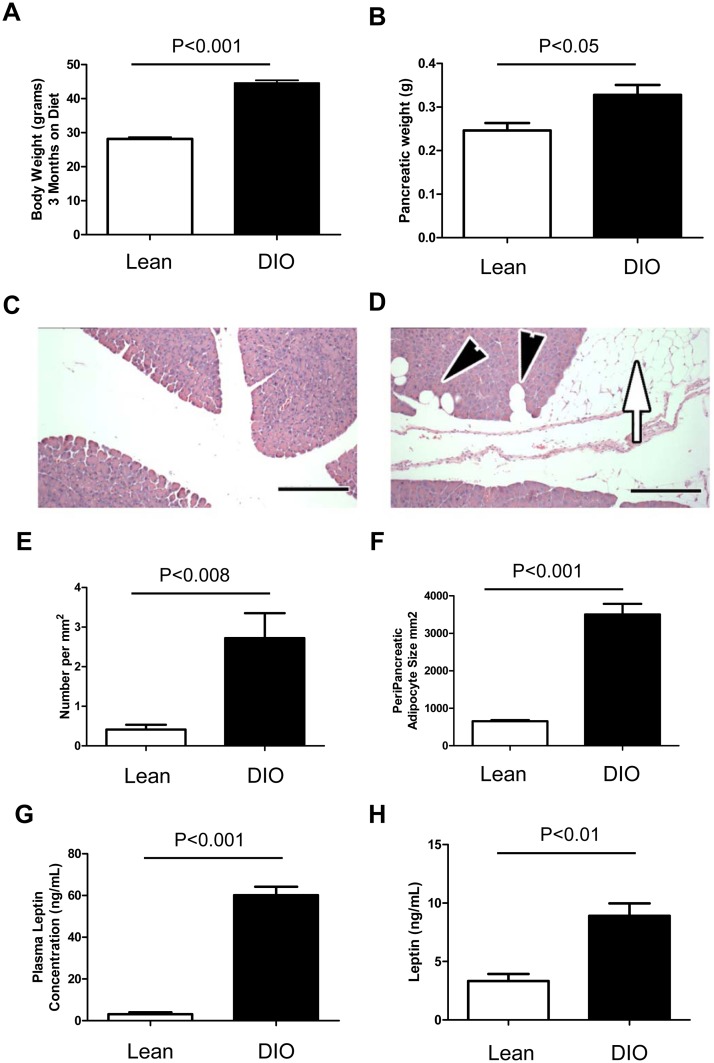
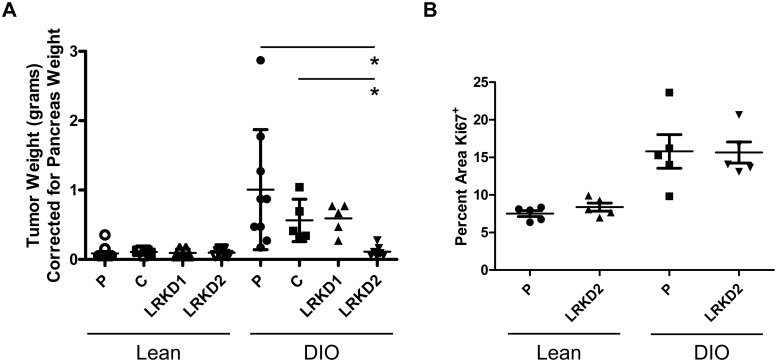
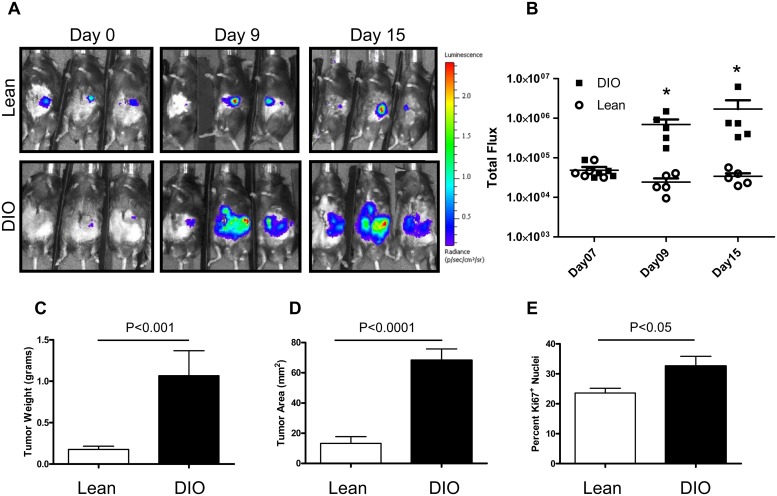
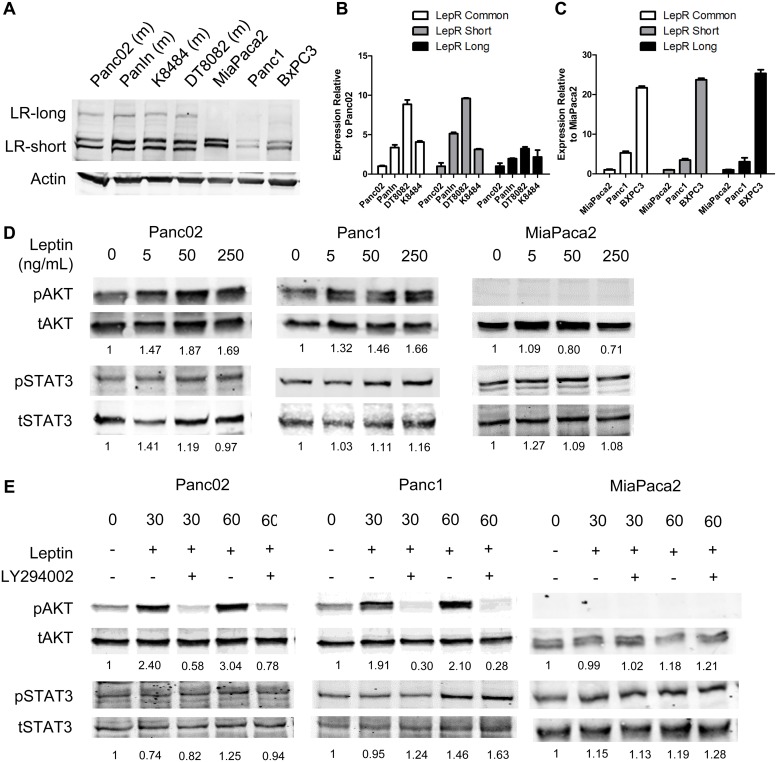
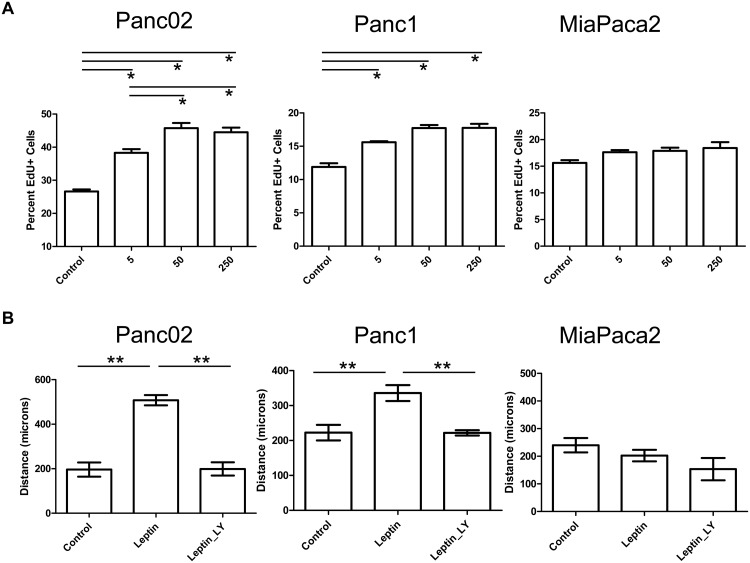
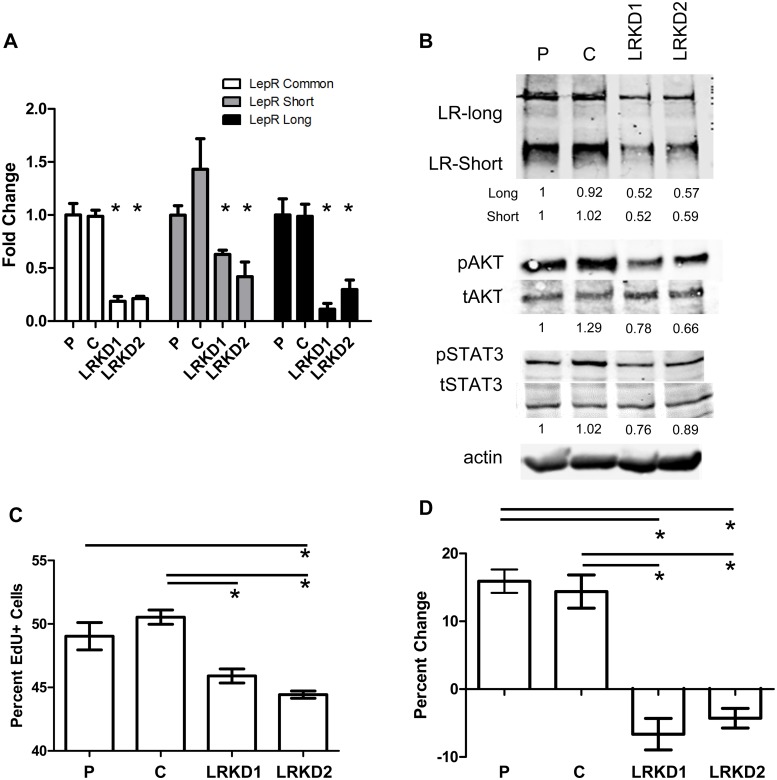
Obesity has been implicated as a significant risk factor for development of pancreatic cancer. In the setting of obesity, a systemic chronic inflammatory response is characterized by alterations in the production and secretion of a wide variety of growth factors. Leptin is a hormone whose level increases drastically in the serum of obese patients. High fat diet induced obesity in mice leads to an overall increased body weight, pancreatic weight, serum leptin, and pancreatic tissue leptin levels. Here we report the contribution of obesity and leptin to pancreatic cancer growth utilizing an in vivo orthotopic murine pancreatic cancer model, which resulted in increased tumor proliferation with concomitant increased tumor burden in the diet induced obese mice compared to lean mice. Human and murine pancreatic cancer cell lines were found to express the short as well as the long form of the leptin receptor and functionally responded to leptin induced activation through an increased phosphorylation of AKT473. In vitro, leptin stimulation increased cellular migration which was blocked by addition of a PI3K inhibitor. In vivo, depletion of the leptin receptor through shRNA knockdown partially abrogated increased orthotopic tumor growth in obese mice. These findings suggest that leptin contributes to pancreatic tumor growth through activation of the PI3K/AKT pathway, which promotes pancreatic tumor cell migration.
肥胖已被认为是胰腺癌发生的一个重要危险因素。在肥胖情况下,全身性慢性炎症反应的特征是多种生长因子的产生和分泌发生改变。瘦素是一种激素,其在肥胖患者血清中的水平会急剧升高。高脂饮食诱导的小鼠肥胖会导致总体体重、胰腺重量、血清瘦素和胰腺组织瘦素水平增加。在此,我们利用体内原位小鼠胰腺癌模型报告了肥胖和瘦素对胰腺癌生长的作用,结果显示与瘦小鼠相比,饮食诱导的肥胖小鼠肿瘤增殖增加,同时肿瘤负荷也增加。发现人源和鼠源胰腺癌细胞系表达瘦素受体的短型和长型,并且通过AKT473磷酸化增加对瘦素诱导的激活产生功能性反应。在体外,瘦素刺激增加细胞迁移,而添加PI3K抑制剂可阻断这种迁移。在体内,通过shRNA敲低使瘦素受体缺失可部分消除肥胖小鼠原位肿瘤生长的增加。这些发现表明,瘦素通过激活PI3K/AKT途径促进胰腺肿瘤生长,该途径可促进胰腺肿瘤细胞迁移。