Gagliani Nicola, Amezcua Vesely Maria Carolina, Iseppon Andrea, Brockmann Leonie, Xu Hao, Palm Noah W, de Zoete Marcel R, Licona-Limón Paula, Paiva Ricardo S, Ching Travers, Weaver Casey, Zi Xiaoyuan, Pan Xinghua, Fan Rong, Garmire Lana X, Cotton Matthew J, Drier Yotam, Bernstein Bradley, Geginat Jens, Stockinger Brigitta, Esplugues Enric, Huber Samuel, Flavell Richard A
Department of Immunobiology, School of Medicine, Yale University, New Haven, 06520, USA.
Medizinische Klinik und Poliklinik, Universitätsklinikum Hamburg-Eppendorf, Hamburg 20246, Germany.
Nature. 2015 Jul 9;523(7559):221-5. doi: 10.1038/nature14452. Epub 2015 Apr 29.
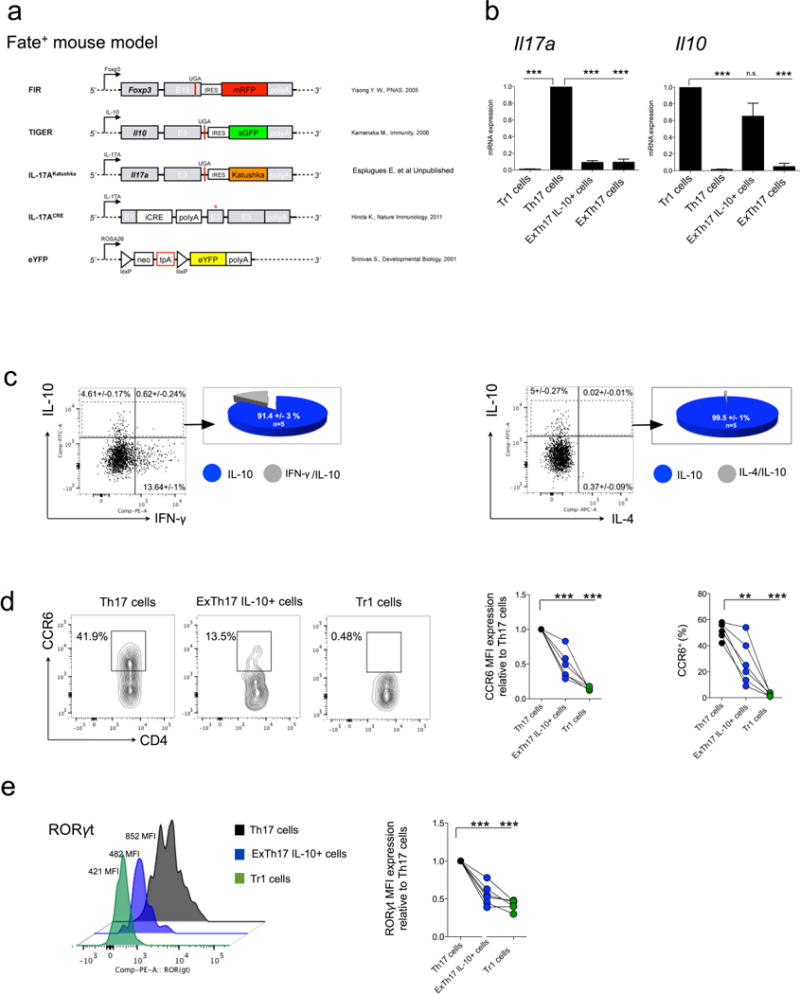
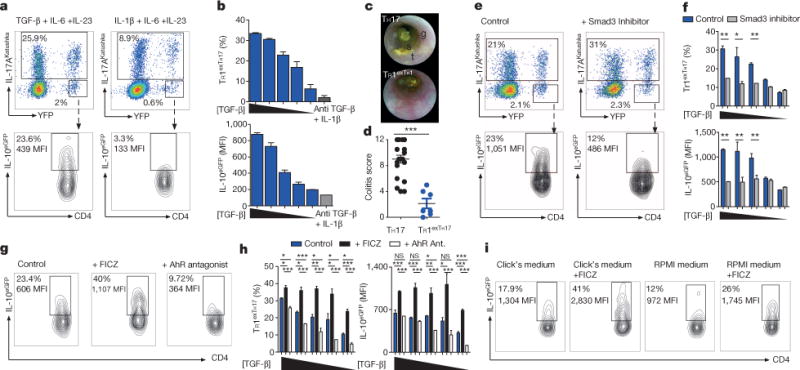
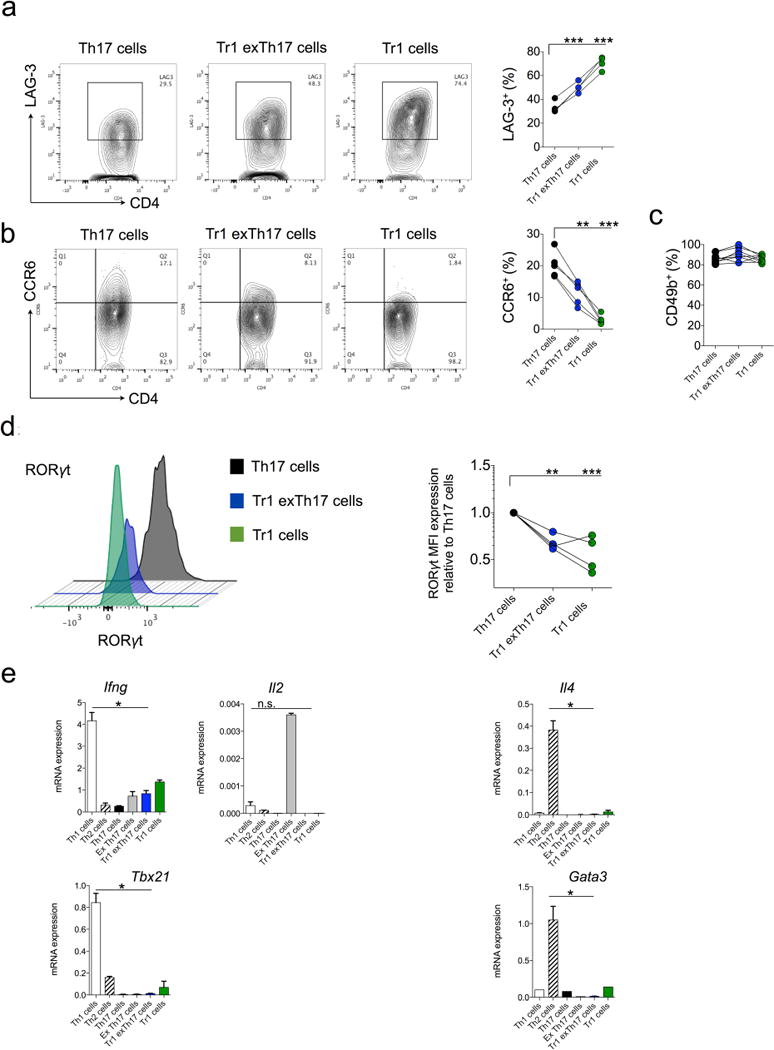
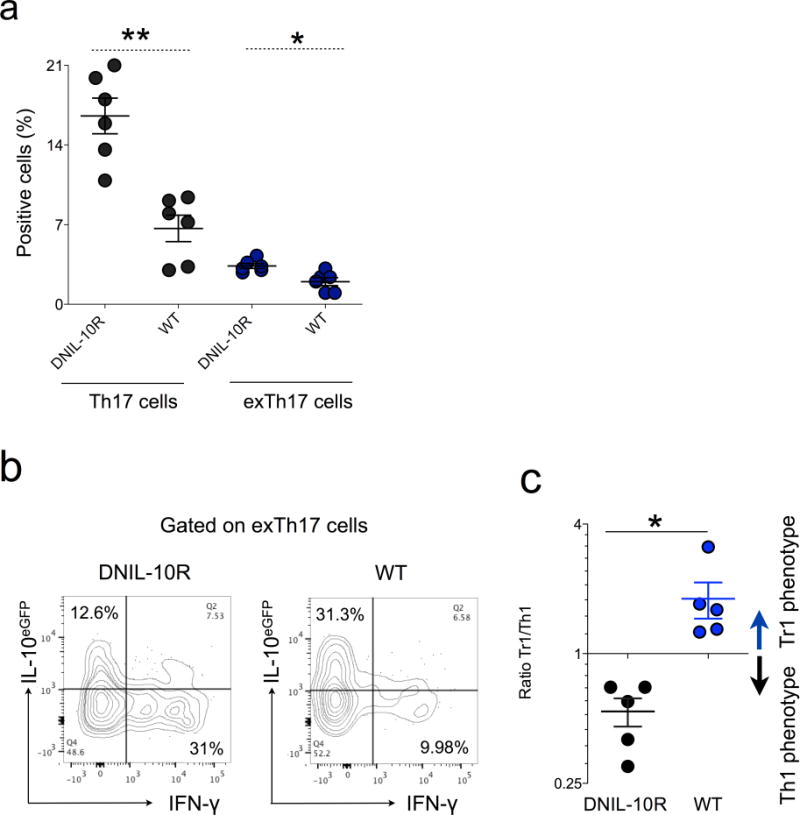
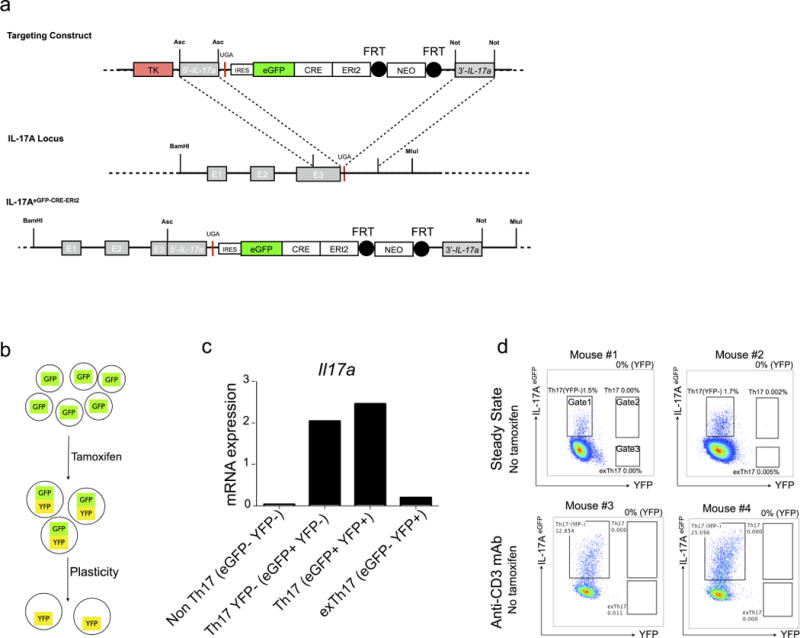
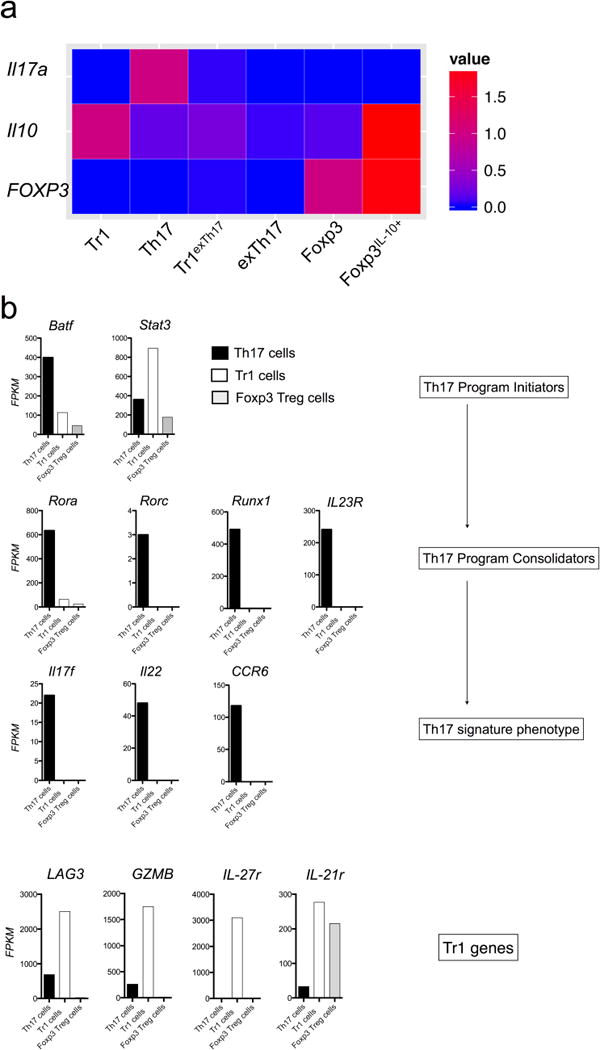
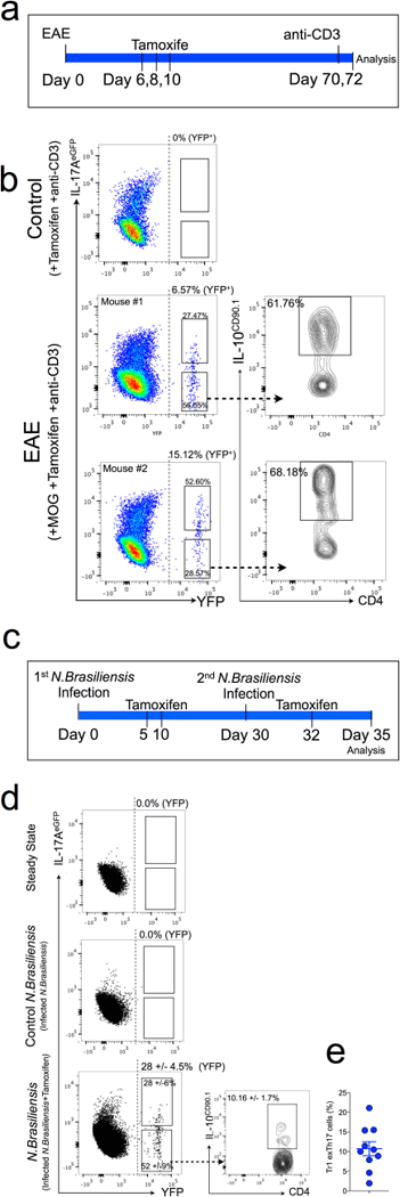
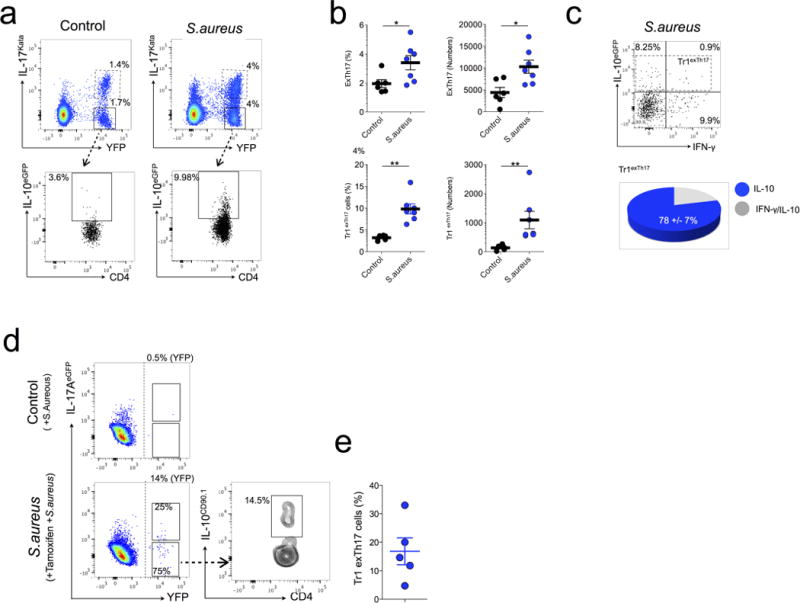
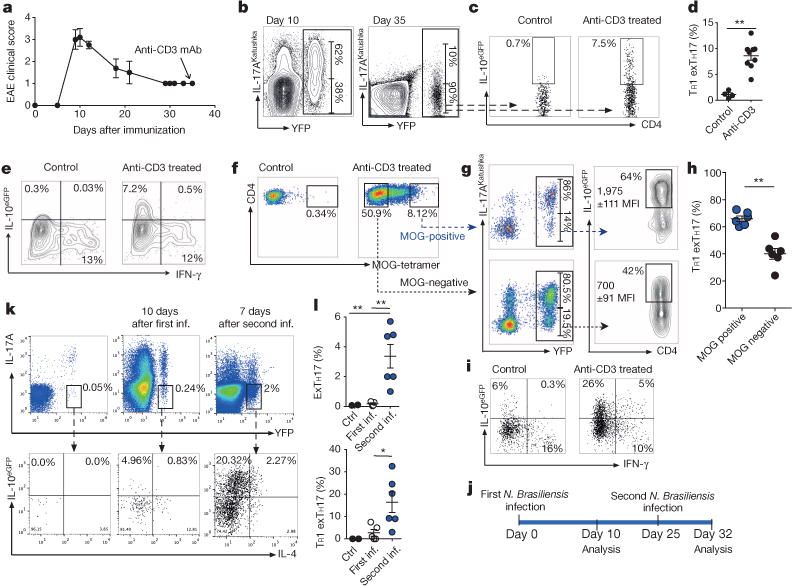
Inflammation is a beneficial host response to infection but can contribute to inflammatory disease if unregulated. The Th17 lineage of T helper (Th) cells can cause severe human inflammatory diseases. These cells exhibit both instability (they can cease to express their signature cytokine, IL-17A) and plasticity (they can start expressing cytokines typical of other lineages) upon in vitro re-stimulation. However, technical limitations have prevented the transcriptional profiling of pre- and post-conversion Th17 cells ex vivo during immune responses. Thus, it is unknown whether Th17 cell plasticity merely reflects change in expression of a few cytokines, or if Th17 cells physiologically undergo global genetic reprogramming driving their conversion from one T helper cell type to another, a process known as transdifferentiation. Furthermore, although Th17 cell instability/plasticity has been associated with pathogenicity, it is unknown whether this could present a therapeutic opportunity, whereby formerly pathogenic Th17 cells could adopt an anti-inflammatory fate. Here we used two new fate-mapping mouse models to track Th17 cells during immune responses to show that CD4(+) T cells that formerly expressed IL-17A go on to acquire an anti-inflammatory phenotype. The transdifferentiation of Th17 into regulatory T cells was illustrated by a change in their signature transcriptional profile and the acquisition of potent regulatory capacity. Comparisons of the transcriptional profiles of pre- and post-conversion Th17 cells also revealed a role for canonical TGF-β signalling and consequently for the aryl hydrocarbon receptor (AhR) in conversion. Thus, Th17 cells transdifferentiate into regulatory cells, and contribute to the resolution of inflammation. Our data suggest that Th17 cell instability and plasticity is a therapeutic opportunity for inflammatory diseases.
炎症是宿主对感染的一种有益反应,但如果不受调控,可能会导致炎症性疾病。辅助性T(Th)细胞中的Th17谱系可引发严重的人类炎症性疾病。这些细胞在体外再次刺激时既表现出不稳定性(它们可停止表达其标志性细胞因子白细胞介素-17A)又具有可塑性(它们可开始表达其他谱系典型的细胞因子)。然而,技术限制使得在免疫反应期间无法对体外转化前后的Th17细胞进行转录谱分析。因此,尚不清楚Th17细胞的可塑性仅仅是反映了少数细胞因子表达的变化,还是Th17细胞在生理上经历了整体基因重编程,从而驱动它们从一种辅助性T细胞类型转变为另一种类型,即所谓的转分化过程。此外,尽管Th17细胞的不稳定性/可塑性与致病性有关,但尚不清楚这是否会带来治疗机会,即以前具有致病性的Th17细胞是否可以转变为抗炎命运。在这里,我们使用了两种新的命运映射小鼠模型来在免疫反应期间追踪Th17细胞,以表明以前表达白细胞介素-17A的CD4(+) T细胞会继续获得抗炎表型。Th17向调节性T细胞的转分化通过其标志性转录谱的变化和强大调节能力的获得得以体现。对转化前后Th17细胞转录谱的比较还揭示了经典转化生长因子-β信号传导以及芳烃受体(AhR)在转化中的作用。因此,Th17细胞转分化为调节性细胞,并有助于炎症的消退。我们的数据表明,Th17细胞的不稳定性和可塑性是炎症性疾病的一个治疗机会。