Hovelson Daniel H, McDaniel Andrew S, Cani Andi K, Johnson Bryan, Rhodes Kate, Williams Paul D, Bandla Santhoshi, Bien Geoffrey, Choppa Paul, Hyland Fiona, Gottimukkala Rajesh, Liu Guoying, Manivannan Manimozhi, Schageman Jeoffrey, Ballesteros-Villagrana Efren, Grasso Catherine S, Quist Michael J, Yadati Venkata, Amin Anmol, Siddiqui Javed, Betz Bryan L, Knudsen Karen E, Cooney Kathleen A, Feng Felix Y, Roh Michael H, Nelson Peter S, Liu Chia-Jen, Beer David G, Wyngaard Peter, Chinnaiyan Arul M, Sadis Seth, Rhodes Daniel R, Tomlins Scott A
Michigan Center for Translational Pathology, Computational Medicine and Bioinformatics, University of Michigan Medical School, Ann Arbor, MI, USA.
Department of Pathology, University of Michigan Medical School, Ann Arbor, MI, USA.
Neoplasia. 2015 Apr;17(4):385-99. doi: 10.1016/j.neo.2015.03.004.
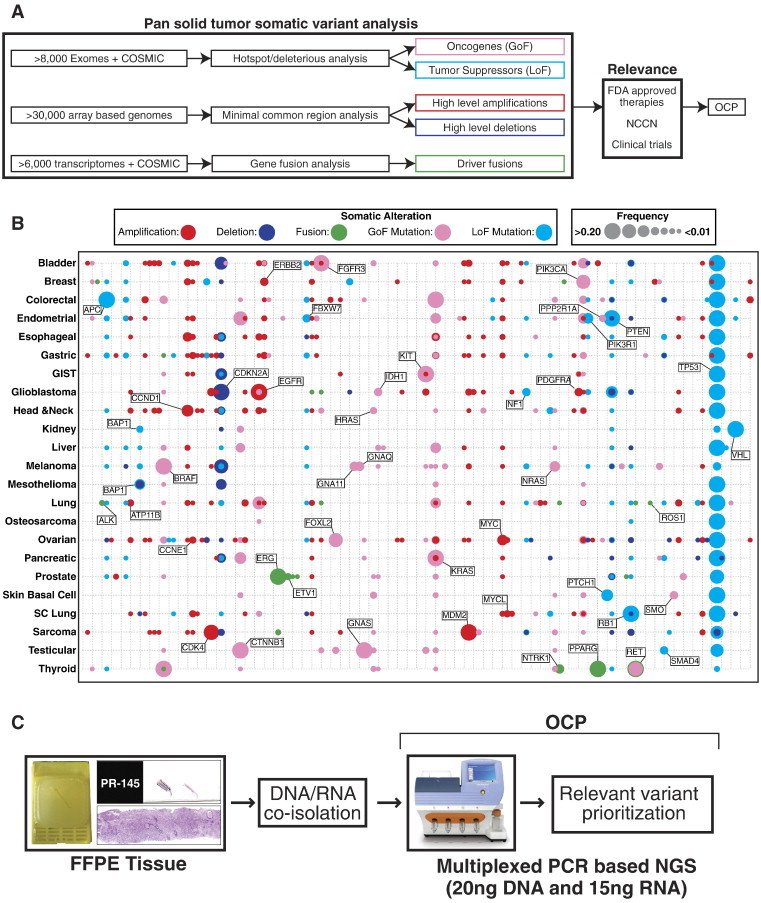
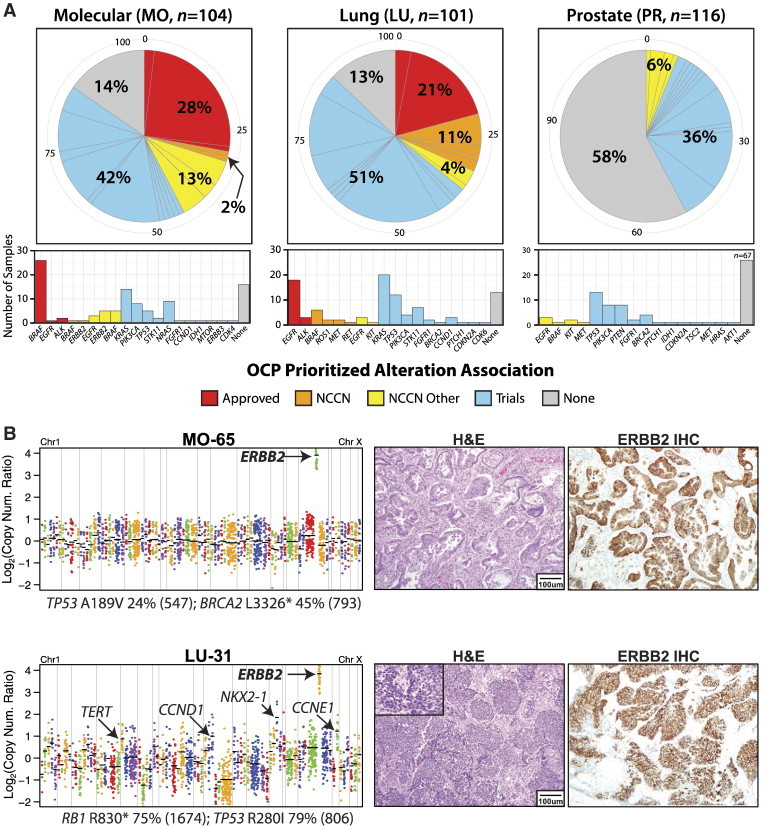
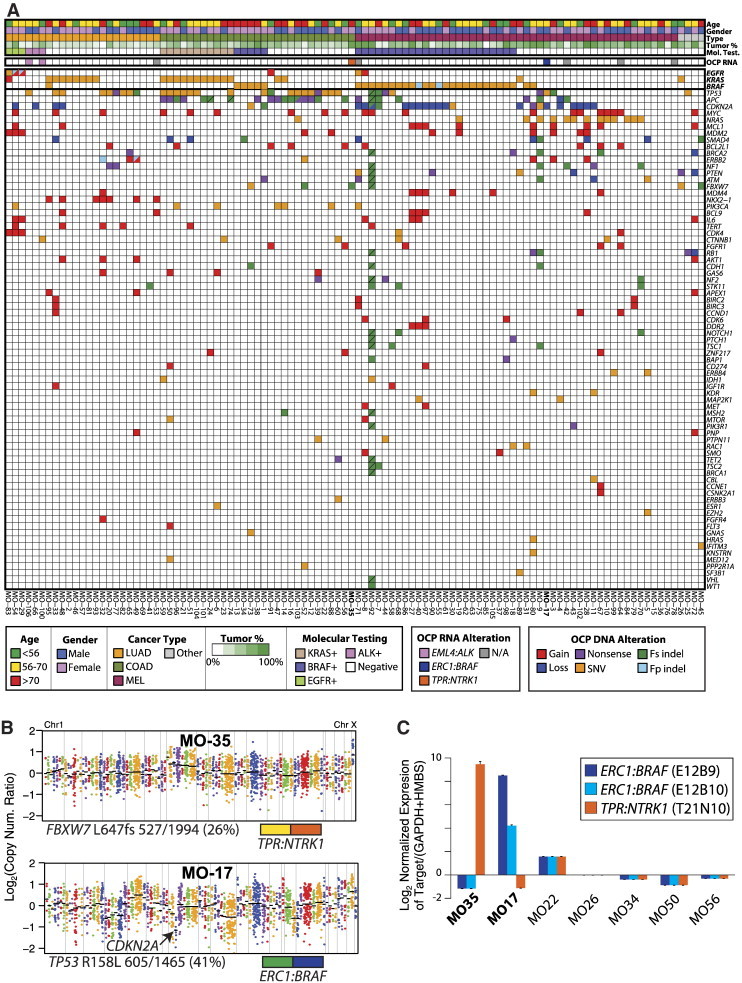
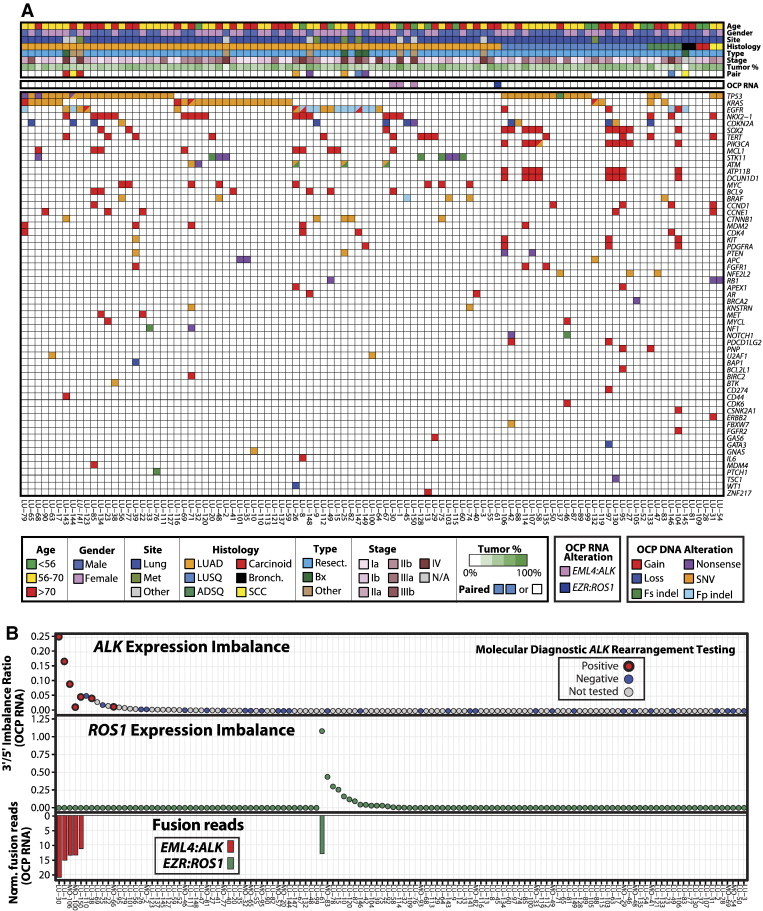
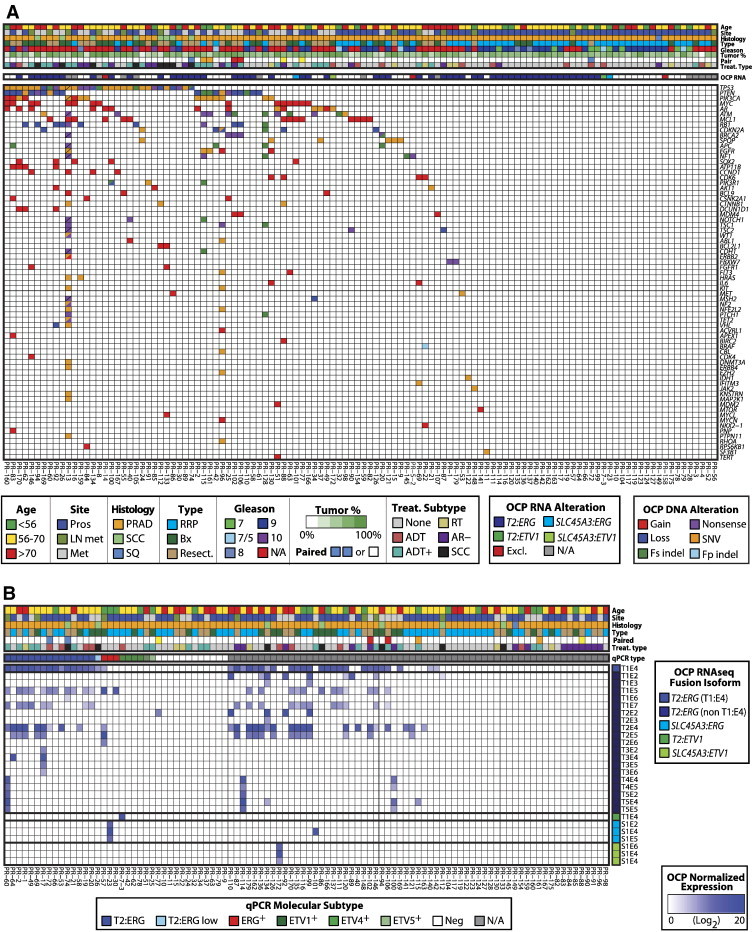
Next-generation sequencing (NGS) has enabled genome-wide personalized oncology efforts at centers and companies with the specialty expertise and infrastructure required to identify and prioritize actionable variants. Such approaches are not scalable, preventing widespread adoption. Likewise, most targeted NGS approaches fail to assess key relevant genomic alteration classes. To address these challenges, we predefined the catalog of relevant solid tumor somatic genome variants (gain-of-function or loss-of-function mutations, high-level copy number alterations, and gene fusions) through comprehensive bioinformatics analysis of >700,000 samples. To detect these variants, we developed the Oncomine Comprehensive Panel (OCP), an integrative NGS-based assay [compatible with <20 ng of DNA/RNA from formalin-fixed paraffin-embedded (FFPE) tissues], coupled with an informatics pipeline to specifically identify relevant predefined variants and created a knowledge base of related potential treatments, current practice guidelines, and open clinical trials. We validated OCP using molecular standards and more than 300 FFPE tumor samples, achieving >95% accuracy for KRAS, epidermal growth factor receptor, and BRAF mutation detection as well as for ALK and TMPRSS2:ERG gene fusions. Associating positive variants with potential targeted treatments demonstrated that 6% to 42% of profiled samples (depending on cancer type) harbored alterations beyond routine molecular testing that were associated with approved or guideline-referenced therapies. As a translational research tool, OCP identified adaptive CTNNB1 amplifications/mutations in treated prostate cancers. Through predefining somatic variants in solid tumors and compiling associated potential treatment strategies, OCP represents a simplified, broadly applicable targeted NGS system with the potential to advance precision oncology efforts.
下一代测序(NGS)已使具备识别和优先排序可操作变异所需专业知识及基础设施的中心和公司能够开展全基因组个性化肿瘤学研究。但此类方法无法扩展,阻碍了其广泛应用。同样,大多数靶向NGS方法未能评估关键的相关基因组改变类别。为应对这些挑战,我们通过对超700,000个样本进行全面的生物信息学分析,预先定义了相关实体瘤体细胞基因组变异目录(功能获得或功能丧失突变、高水平拷贝数改变和基因融合)。为检测这些变异,我们开发了Oncomine综合检测板(OCP),这是一种基于NGS的综合检测方法[与来自福尔马林固定石蜡包埋(FFPE)组织的<20 ng DNA/RNA兼容],并结合了一个信息学流程,以专门识别相关的预定义变异,并创建了一个关于相关潜在治疗方法、现行实践指南和开放临床试验的知识库。我们使用分子标准和300多个FFPE肿瘤样本对OCP进行了验证,对于KRAS、表皮生长因子受体和BRAF突变检测以及ALK和TMPRSS2:ERG基因融合,准确率超过95%。将阳性变异与潜在的靶向治疗方法相关联表明,6%至42%的分析样本(取决于癌症类型)存在超出常规分子检测范围的改变,这些改变与已批准或指南推荐的治疗方法相关。作为一种转化研究工具,OCP在接受治疗的前列腺癌中识别出适应性CTNNB1扩增/突变。通过预先定义实体瘤中的体细胞变异并汇编相关的潜在治疗策略,OCP代表了一种简化的、广泛适用的靶向NGS系统,有潜力推动精准肿瘤学研究。