Olasz Edit B, Seline Lauren N, Schock Ashley M, Duncan Nathan E, Lopez Argelia, Lazar Jozef, Flister Michael J, Lu Yan, Liu Pengyuan, Sokumbi Olayemi, Harwood Catherine A, Proby Charlotte M, Neuburg Marcy, Lazarova Zelmira
Department of Dermatology, Medical College of Wisconsin, Milwaukee, Wisconsin, United States of America.
Department of Physiology, Medical College of Wisconsin, Milwaukee, Wisconsin, United States of America.
PLoS One. 2015 May 4;10(5):e0125412. doi: 10.1371/journal.pone.0125412. eCollection 2015.
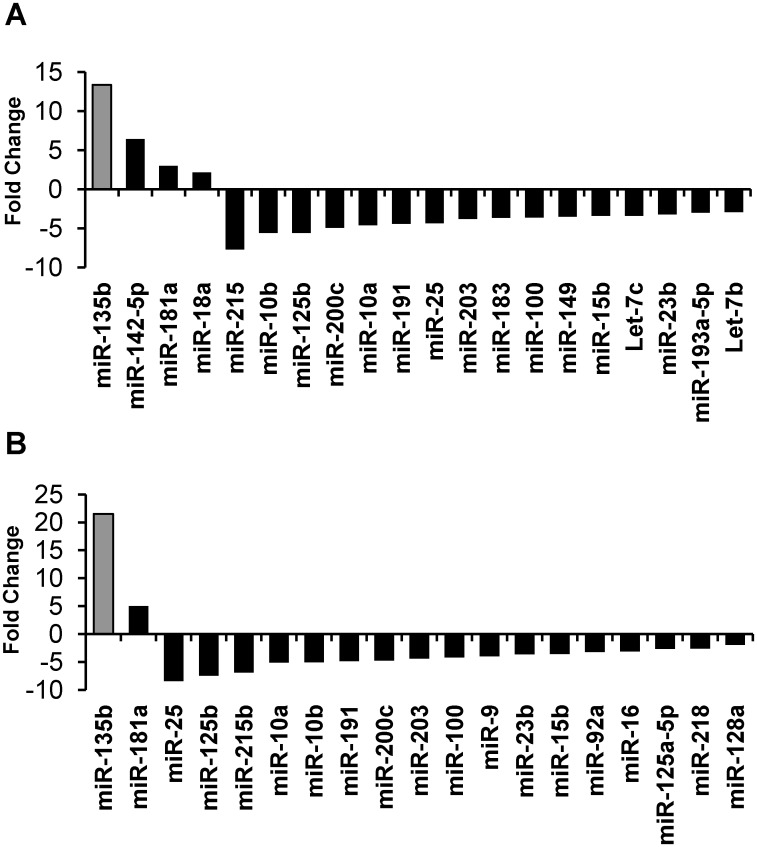
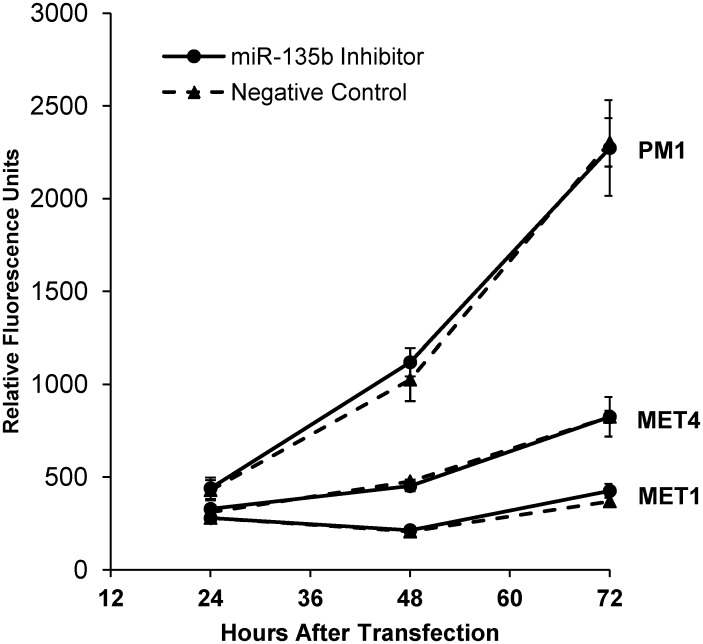
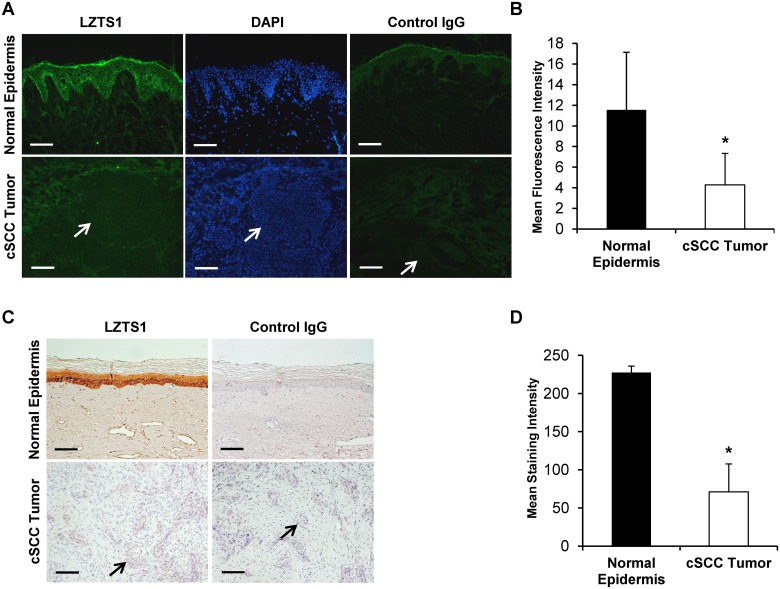
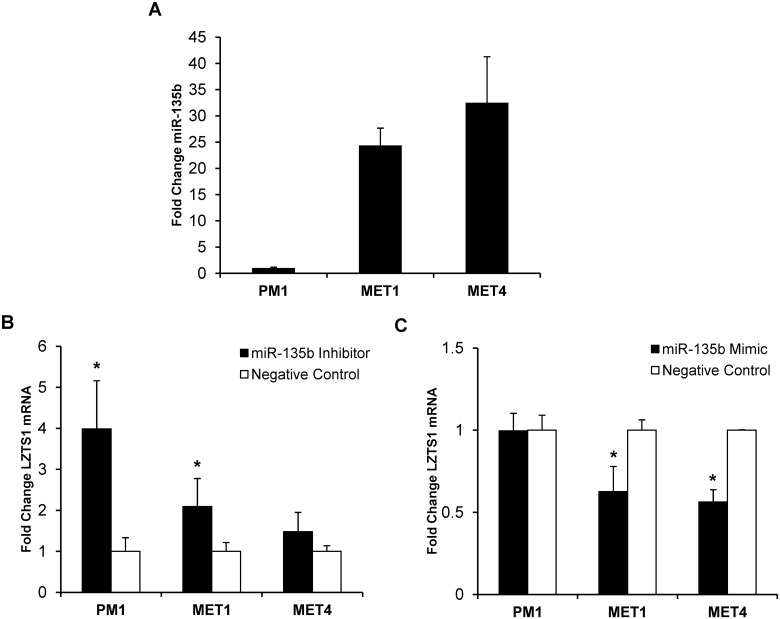
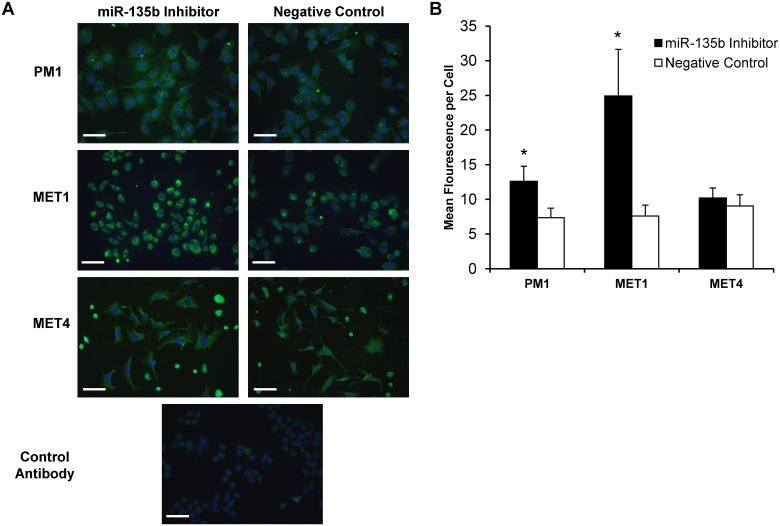
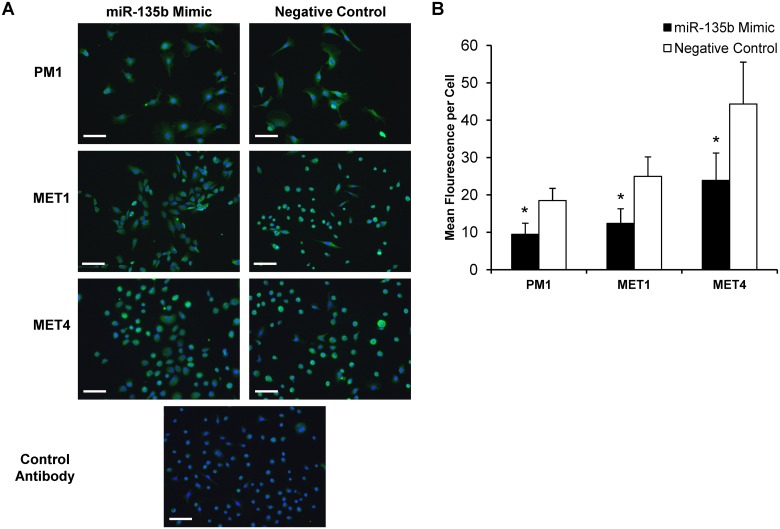
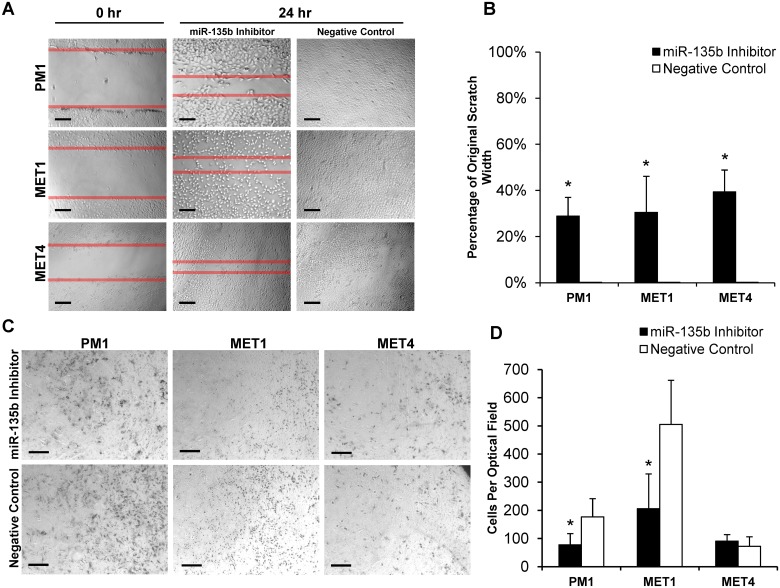
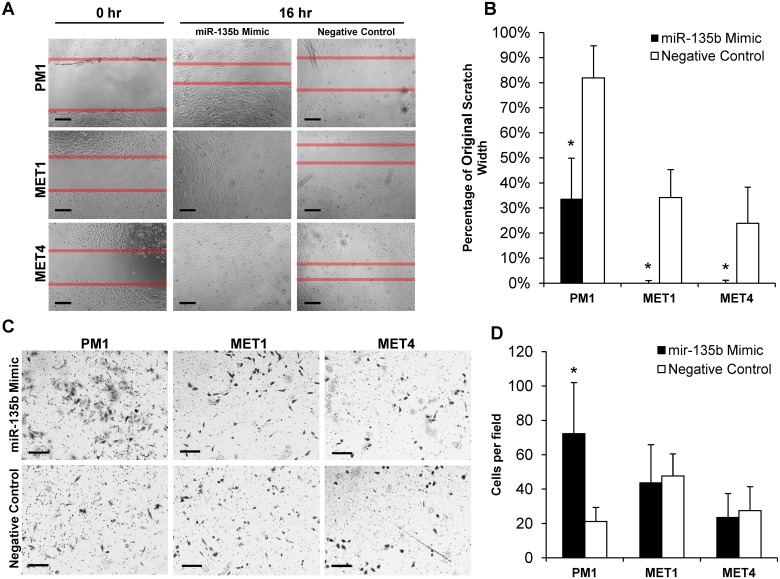
Cutaneous squamous cell carcinoma (cSCC) is the second most common skin malignancy and it presents a therapeutic challenge in organ transplant recipient patients. Despite the need, there are only a few targeted drug treatment options. Recent studies have revealed a pivotal role played by microRNAs (miRNAs) in multiple cancers, but only a few studies tested their function in cSCC. Here, we analyzed differential expression of 88 cancer related miRNAs in 43 study participants with cSCC; 32 immunocompetent, 11 OTR patients, and 15 non-lesional skin samples by microarray analysis. Of the examined miRNAs, miR-135b was the most upregulated (13.3-fold, 21.5-fold; p=0.0001) in both patient groups. Similarly, the miR-135b expression was also upregulated in three cSCC cell lines when evaluated by quantitative real-time PCR. In functional studies, inhibition of miR-135b by specific anti-miR oligonucleotides resulted in upregulation of its target gene LZTS1 mRNA and protein levels and led to decreased cell motility and invasion of both primary and metastatic cSCC cell lines. In contrast, miR-135b overexpression by synthetic miR-135b mimic induced further down-regulation of LZTS1 mRNA in vitro and increased cancer cell motility and invasiveness. Immunohistochemical evaluation of 67 cSCC tumor tissues demonstrated that miR-135b expression inversely correlated with LZTS1 staining intensity and the tumor grade. These results indicate that miR-135b functions as an oncogene in cSCC and provide new understanding into its pathological role in cSCC progression and invasiveness.
皮肤鳞状细胞癌(cSCC)是第二常见的皮肤恶性肿瘤,对器官移植受者患者来说是一个治疗挑战。尽管有需求,但靶向药物治疗选择却很少。最近的研究揭示了微小RNA(miRNA)在多种癌症中发挥的关键作用,但只有少数研究测试了它们在cSCC中的功能。在此,我们通过微阵列分析,对43名cSCC研究参与者(32名免疫功能正常者、11名器官移植受者患者和15份非病变皮肤样本)中88种癌症相关miRNA的差异表达进行了分析。在所检测的miRNA中,miR-135b在两个患者组中上调最为明显(分别为13.3倍和21.5倍;p = 0.0001)。同样,通过定量实时PCR评估时,三种cSCC细胞系中miR-135b的表达也上调。在功能研究中,用特异性抗miR寡核苷酸抑制miR-135b导致其靶基因LZTS1的mRNA和蛋白水平上调,并导致原发性和转移性cSCC细胞系的细胞运动性和侵袭性降低。相反,通过合成的miR-135b模拟物过表达miR-135b在体外诱导LZTS1 mRNA进一步下调,并增加癌细胞的运动性和侵袭性。对67份cSCC肿瘤组织进行免疫组织化学评估表明,miR-135b的表达与LZTS1染色强度及肿瘤分级呈负相关。这些结果表明,miR-135b在cSCC中起癌基因作用,并为其在cSCC进展和侵袭中的病理作用提供了新的认识。