Yamamoto-Hino Miki, Yoshida Hideki, Ichimiya Tomomi, Sakamura Sho, Maeda Megumi, Kimura Yoshinobu, Sasaki Norihiko, Aoki-Kinoshita Kiyoko F, Kinoshita-Toyoda Akiko, Toyoda Hidenao, Ueda Ryu, Nishihara Shoko, Goto Satoshi
Department of Life Science, Rikkyo University, Toshima-ku, Tokyo, Japan.
Core Research for Evolutional Science and Technology (CREST) of Japan Science and Technology Agency (JST), Kawaguchi, Saitama, Japan.
Genes Cells. 2015 Jun;20(6):521-42. doi: 10.1111/gtc.12246. Epub 2015 May 4.
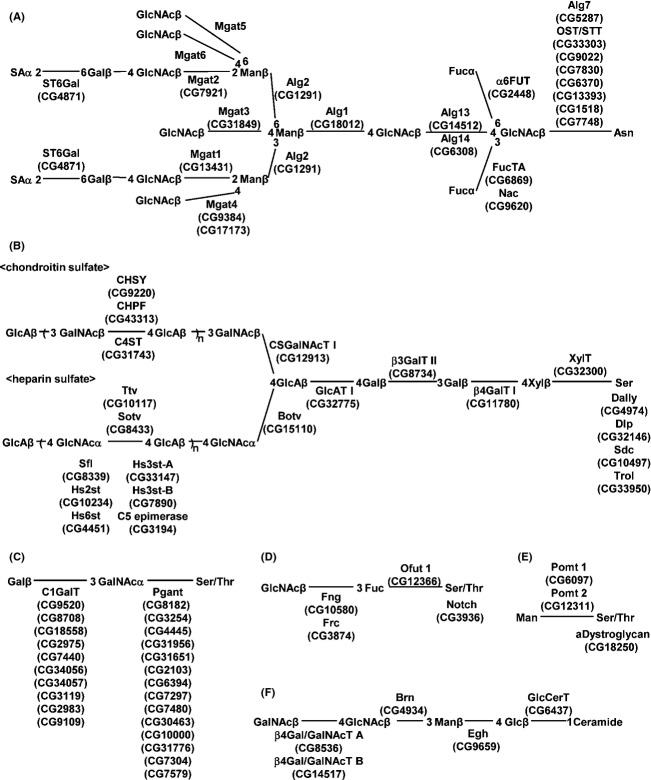
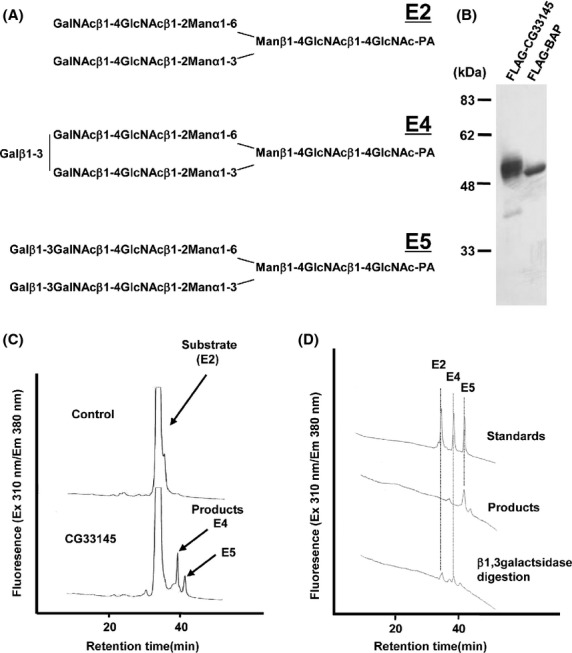
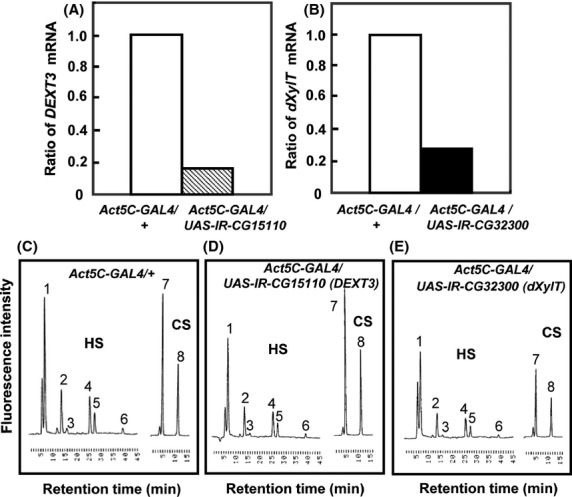
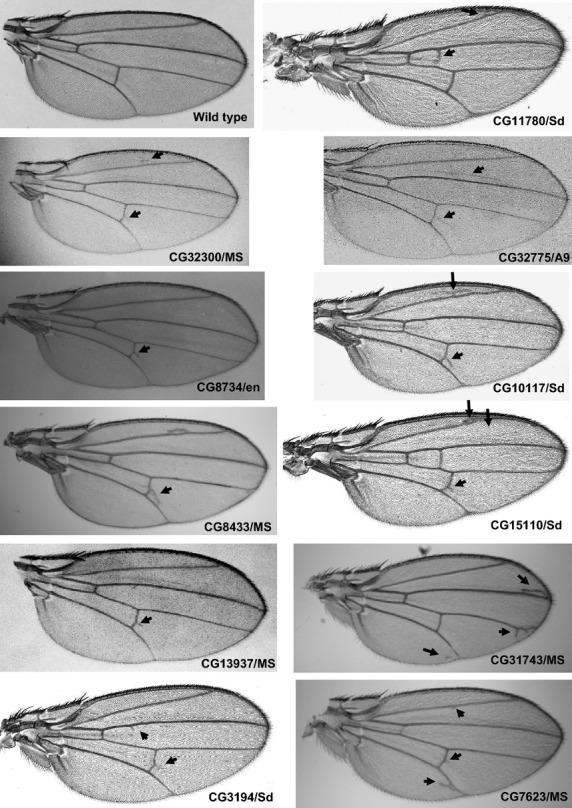
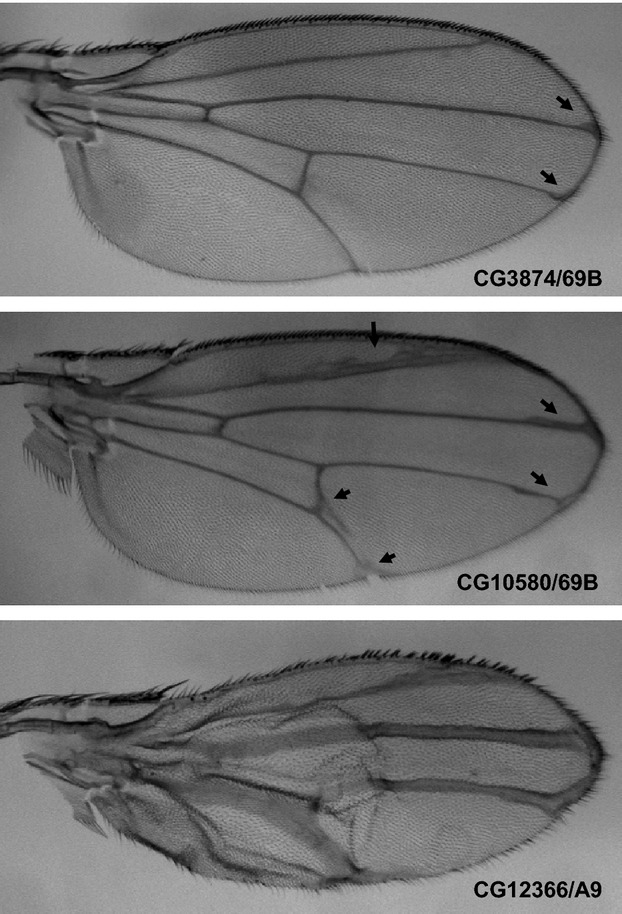
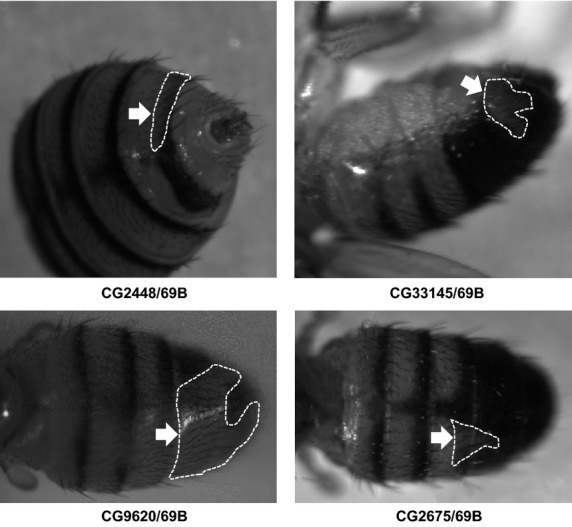
Glycan structures are synthesized by a series of reactions conducted by glycosylation-related (GR) proteins such as glycosyltransferases, glycan-modifying enzymes, and nucleotide-sugar transporters. For example, the common core region of glycosaminoglycans (GAGs) is sequentially synthesized by peptide-O-xylosyltransferase, β1,4-galactosyltransferase I, β1,3-galactosyltransferase II, and β1,3-glucuronyltransferase. This raises the possibility that functional impairment of GR proteins involved in synthesis of the same glycan might result in the same phenotypic abnormality. To examine this possibility, comprehensive silencing of genes encoding GR and proteoglycan core proteins was conducted in Drosophila. Drosophila GR candidate genes (125) were classified into five functional groups for synthesis of GAGs, N-linked, O-linked, Notch-related, and unknown glycans. Spatiotemporally regulated silencing caused a range of malformed phenotypes that fell into three types: extra veins, thick veins, and depigmentation. The clustered phenotypes reflected the biosynthetic pathways of GAGs, Fringe-dependent glycan on Notch, and glycans placed at or near nonreducing ends (herein termed terminal domains of glycans). Based on the phenotypic clustering, CG33145 was predicted to be involved in formation of terminal domains. Our further analysis showed that CG33145 exhibited galactosyltransferase activity in synthesis of terminal N-linked glycans. Phenotypic clustering, therefore, has potential for the functional prediction of novel GR genes.
聚糖结构是由一系列由糖基化相关(GR)蛋白介导的反应合成的,这些蛋白包括糖基转移酶、聚糖修饰酶和核苷酸糖转运体。例如,糖胺聚糖(GAGs)的常见核心区域是由肽-O-木糖基转移酶、β1,4-半乳糖基转移酶I、β1,3-半乳糖基转移酶II和β1,3-葡萄糖醛酸基转移酶依次合成的。这就增加了一种可能性,即参与相同聚糖合成的GR蛋白功能受损可能导致相同的表型异常。为了检验这种可能性,在果蝇中对编码GR和蛋白聚糖核心蛋白的基因进行了全面沉默。果蝇GR候选基因(125个)被分为五个功能组,用于合成GAGs、N-连接聚糖、O-连接聚糖、Notch相关聚糖和未知聚糖。时空调控的沉默导致了一系列畸形表型,这些表型分为三种类型:额外的静脉、粗大的静脉和色素沉着减退。这些聚集的表型反映了GAGs、Notch上依赖边缘的聚糖以及位于非还原末端或其附近的聚糖(本文称为聚糖的末端结构域)的生物合成途径。基于表型聚类,预测CG33145参与末端结构域的形成。我们的进一步分析表明,CG33145在末端N-连接聚糖的合成中表现出半乳糖基转移酶活性。因此,表型聚类具有对新型GR基因进行功能预测的潜力。