Brossa Alessia, Grange Cristina, Mancuso Letizia, Annaratone Laura, Satolli Maria Antonietta, Mazzone Massimiliano, Camussi Giovanni, Bussolati Benedetta
Department of Molecular Biotechnology and Health Sciences, University of Torino, Torino, Italy.
Department of Medical Sciences, University of Torino, Torino, Italy.
Oncotarget. 2015 May 10;6(13):11295-309. doi: 10.18632/oncotarget.3123.
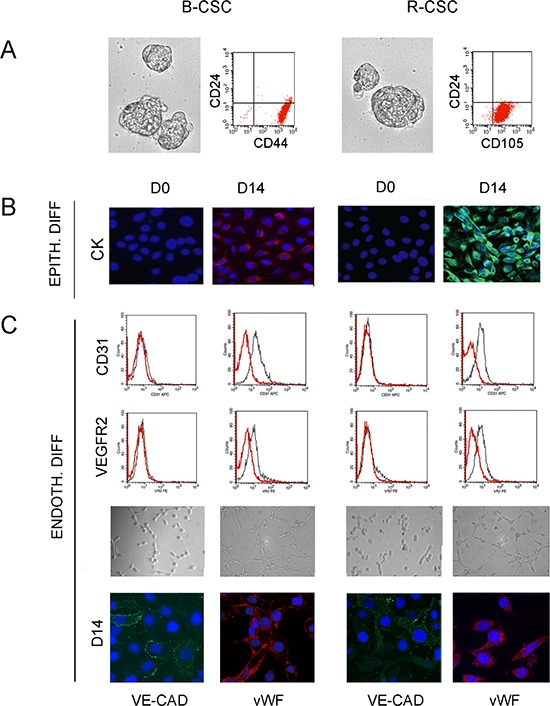
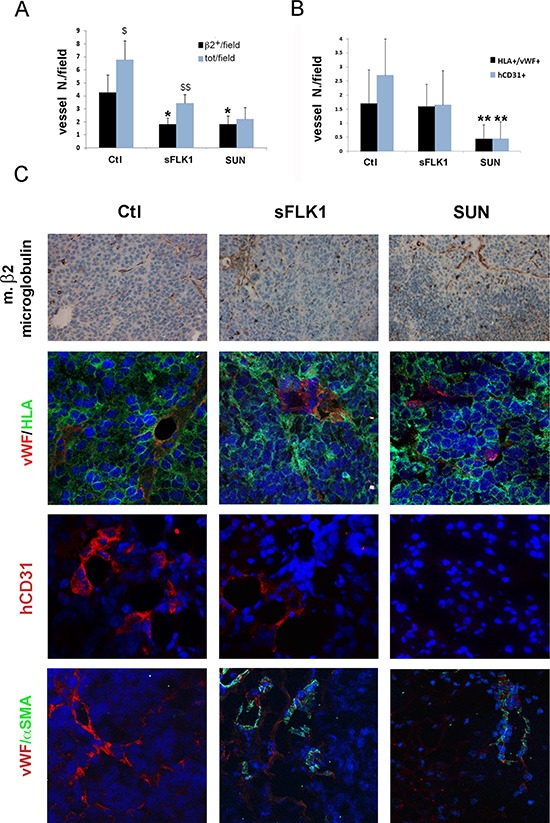
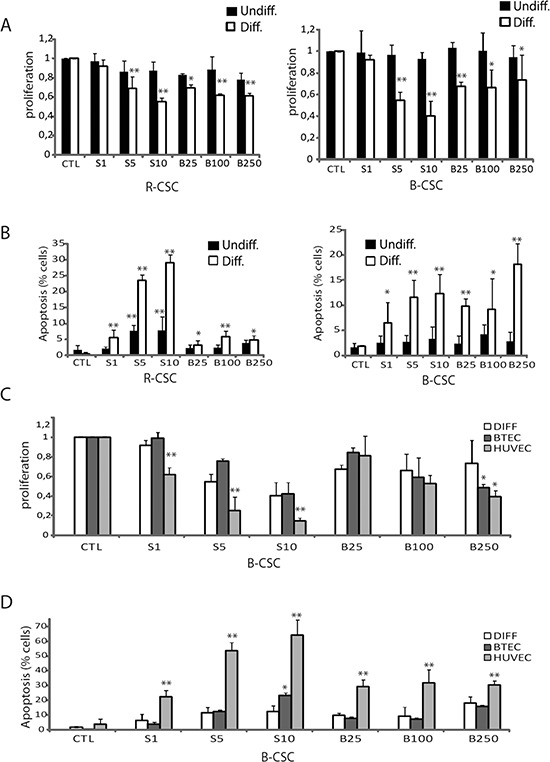
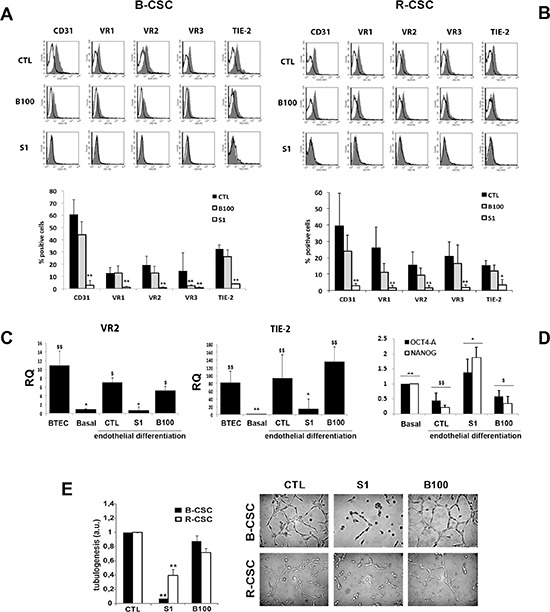
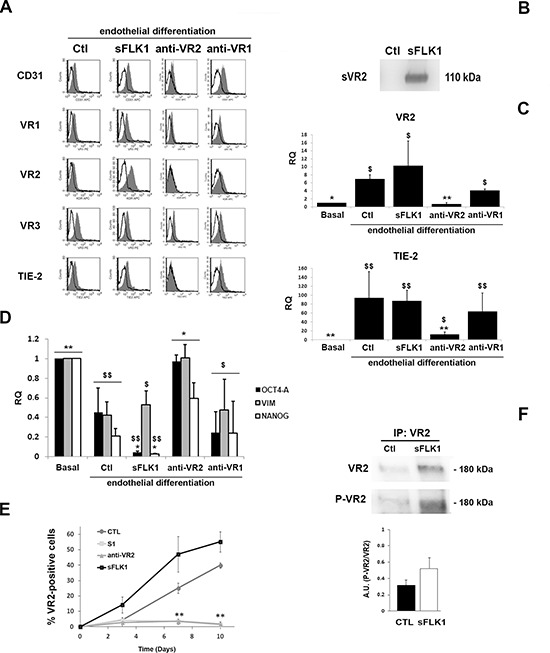
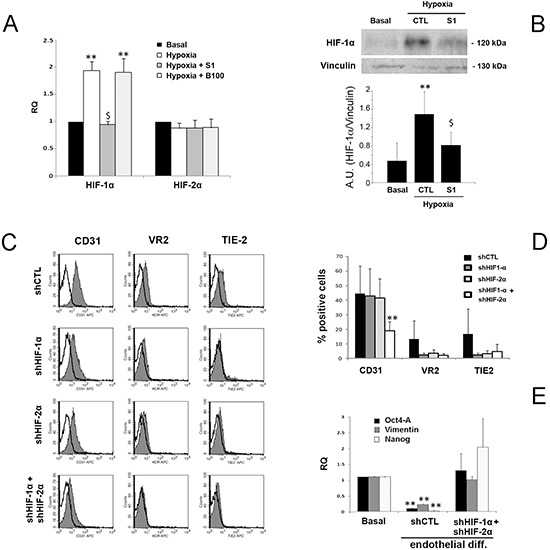
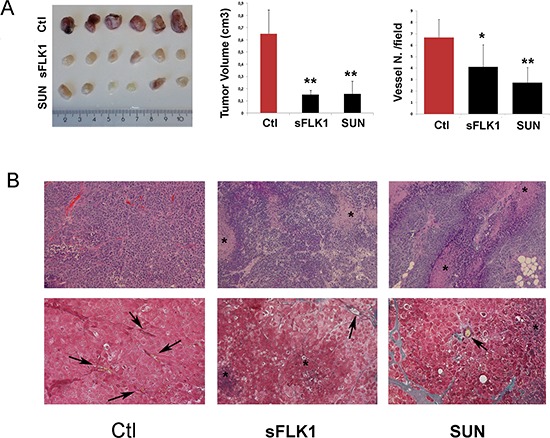
Different mechanisms of angiogenesis and vasculogenesis are involved in the development of the tumor vasculature. Among them, cancer stem cells are known to contribute to tumor vasculogenesis through their direct endothelial differentiation. Here, we investigated the effect of anti-angiogenic therapy on vasculogenesis of cancer stem cells derived from breast and renal carcinomas. We found that all the anti-angiogenic approaches impaired proliferation and survival of cancer stem cells once differentiated into endothelial cells in vitro and reduced murine angiogenesis in vivo. At variance, only VEGF-receptor inhibition using the non-specific tyrosine kinase inhibitor Sunitinib or the anti-VEGF-receptor 2 neutralizing antibody, but not VEGF blockade using Bevacizumab, impaired the process of endothelial differentiation in vitro, suggesting a VEGF-independent mechanism. In addition, tyrosine kinase inhibition by Sunitinib but not VEGF blockade using the soluble VEGF trap sFlk1 inhibited the cancer stem cell-induced vasculogenesis in vivo. Accordingly, Sunitinib but not Bevacizumab inhibited the induction of hypoxia-inducible factor pathway occurring during endothelial differentiation under hypoxia. The present results highlight a differential effect of VEGF-receptor blockade versus VEGF inhibition in tumor vascularization. VEGFR blockade inhibits the process of tumor vasculogenesis occurring during tumor hypoxia whereas the effect of VEGF inhibition appears restricted to differentiated endothelial cells.
肿瘤脉管系统的发育涉及血管生成和血管发生的不同机制。其中,已知癌症干细胞通过其直接向内皮细胞分化来促进肿瘤血管发生。在此,我们研究了抗血管生成疗法对源自乳腺癌和肾癌的癌症干细胞血管发生的影响。我们发现,所有抗血管生成方法一旦在体外将癌症干细胞分化为内皮细胞,就会损害其增殖和存活,并在体内减少小鼠血管生成。不同的是,只有使用非特异性酪氨酸激酶抑制剂舒尼替尼或抗VEGF受体2中和抗体抑制VEGF受体,而不是使用贝伐单抗阻断VEGF,会在体外损害内皮细胞分化过程,提示存在不依赖VEGF的机制。此外,舒尼替尼抑制酪氨酸激酶,但使用可溶性VEGF陷阱sFlk1阻断VEGF则不会抑制体内癌症干细胞诱导的血管发生。因此,舒尼替尼而非贝伐单抗抑制了缺氧条件下内皮细胞分化过程中发生的缺氧诱导因子途径的激活。目前的结果突出了VEGF受体阻断与VEGF抑制在肿瘤血管形成中的不同作用。VEGFR阻断抑制肿瘤缺氧期间发生的肿瘤血管发生过程,而VEGF抑制的作用似乎仅限于分化的内皮细胞。