Hull Rodney, Oosthuysen Brent, Cajee Umar-Faruq, Mokgohloa Lehlogonolo, Nweke Ekene, Antunes Ricardo Jorge, Coetzer Theresa H T, Ntwasa Monde
School of Molecular & Cell Biology, University of the Witwatersrand, Johannesburg, South Africa Private Bag 3, WITS-2050 Johannesburg, South Africa.
School of Life Sciences, University of KwaZulu-Natal (Pietermaritzburg campus); 3209 Scottsville, South Africa.
Int J Mol Sci. 2015 May 6;16(5):10242-66. doi: 10.3390/ijms160510242.
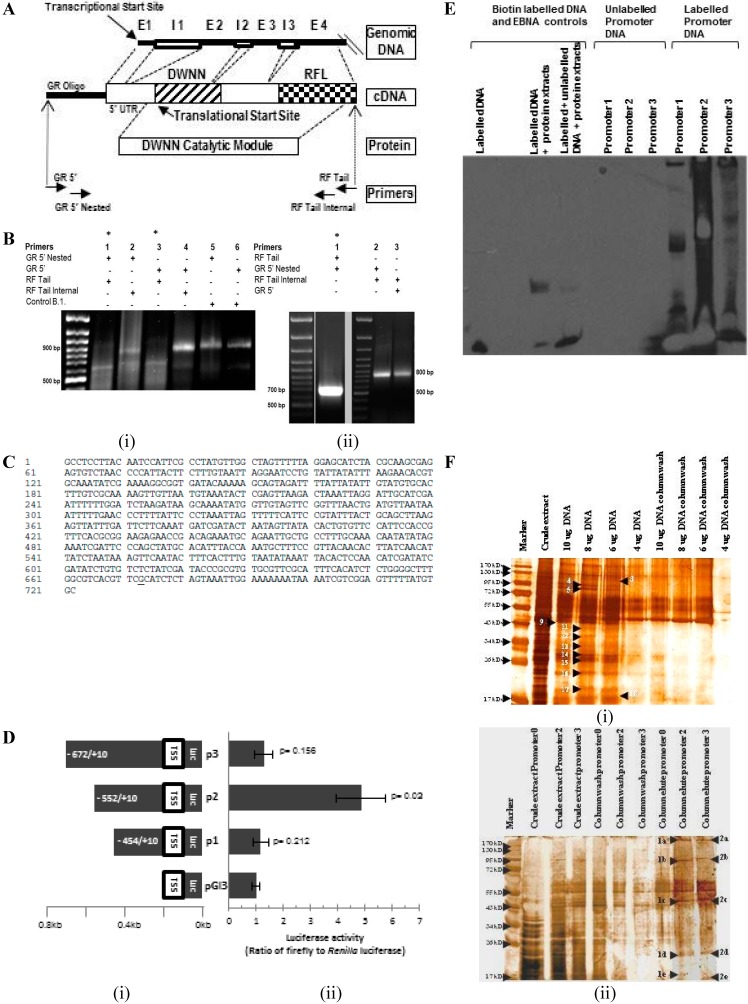
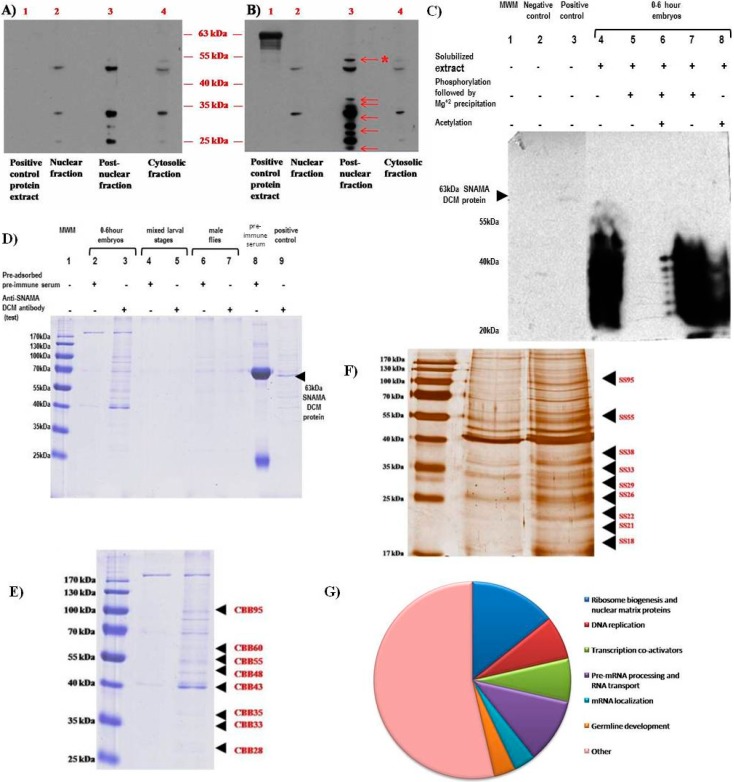
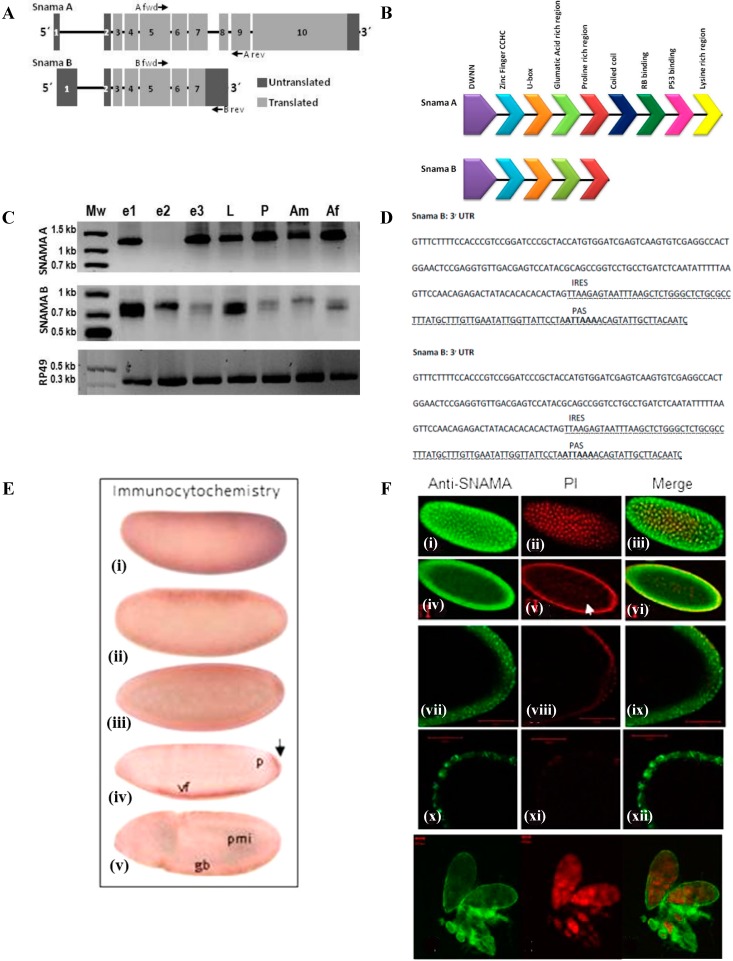
The human retinoblastoma binding protein 6 (RBBP6) is implicated in esophageal, lung, hepatocellular and colon cancers. Furthermore, RBBP6 was identified as a strong marker for colon cancer prognosis and as a predisposing factor in familial myeloproliferative neoplasms. Functionally, the mammalian protein interacts with p53 and enhances the activity of Mdm2, the prototypical negative regulator of p53. However, since RBBP6 (known as PACT in mice) exists in multiple isoforms and pact-/- mice exhibit a more severe phenotype than mdm2-/- mutants, it must possess some Mdm2-independent functions. The function of the invertebrate homologue is poorly understood. This is complicated by the absence of the Mdm2 gene in both Drosophila and Caenorhabditis elegans. We have experimentally identified the promoter region of Snama, the Drosophila homologue, analyzed potential transcription factor binding sites and confirmed the existence of an additional isoform. Using band shift and co-immunoprecipitation assays combined with mass spectrometry, we found evidence that this gene may be regulated by, amongst others, DREF, which regulates hundreds of genes related to cell proliferation. The potential transcription factors for Snama fall into distinct functional groups, including anteroposterior embryonic patterning and nucleic acid metabolism. Significantly, previous work in mice shows that pact-/- induces an anteroposterior phenotype in embryos when rescued by simultaneous deletion of p53. Taken together, these observations indicate the significance of RBBP6 proteins in carcinogenesis and in developmental defects.
人类视网膜母细胞瘤结合蛋白6(RBBP6)与食管癌、肺癌、肝细胞癌和结肠癌有关。此外,RBBP6被确定为结肠癌预后的一个重要标志物以及家族性骨髓增殖性肿瘤的一个易感因素。在功能上,这种哺乳动物蛋白与p53相互作用并增强Mdm2的活性,Mdm2是p53的典型负调节因子。然而,由于RBBP6(在小鼠中称为PACT)存在多种异构体,且pact-/-小鼠表现出比mdm2-/-突变体更严重的表型,因此它必定具有一些不依赖Mdm2的功能。对无脊椎动物同源物的功能了解甚少。果蝇和秀丽隐杆线虫中都没有Mdm2基因,这使得情况变得复杂。我们通过实验确定了果蝇同源物Snama的启动子区域,分析了潜在的转录因子结合位点,并证实了另一种异构体的存在。使用凝胶迁移试验和免疫共沉淀试验结合质谱分析,我们发现有证据表明该基因可能受DREF等因子的调控,DREF调控数百个与细胞增殖相关的基因。Snama的潜在转录因子可分为不同的功能组,包括胚胎前后模式形成和核酸代谢。重要的是,之前在小鼠中的研究表明,当通过同时缺失p53来挽救时,pact-/-会在胚胎中诱导出前后表型。综上所述,这些观察结果表明RBBP6蛋白在致癌作用和发育缺陷中的重要性。