Immunovaccine Inc. ; Halifax; Nova Scotia, Canada ; Department of Microbiology & Immunology; Dalhousie University ; Halifax; Nova Scotia, Canada.
Immunovaccine Inc. ; Halifax; Nova Scotia, Canada ; Department of Biology; Dalhousie University ; Halifax; Nova Scotia, Cananda.
Oncoimmunology. 2014 Nov 14;3(8):e953407. doi: 10.4161/21624011.2014.953407. eCollection 2014.
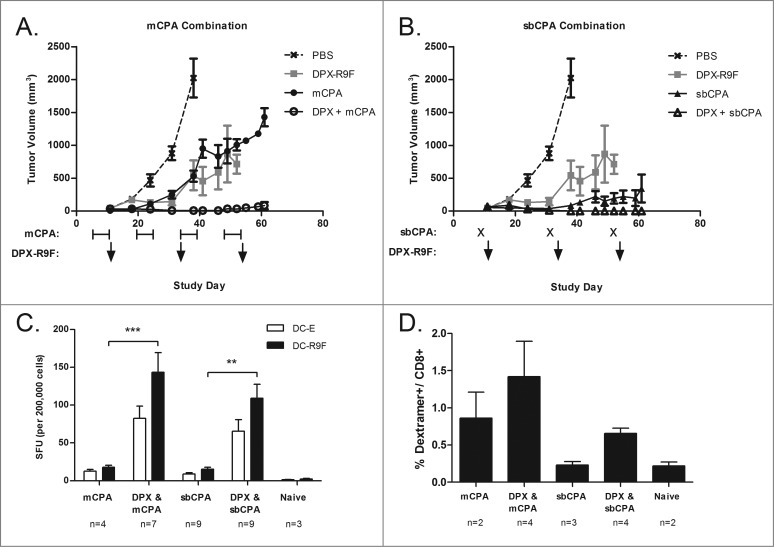
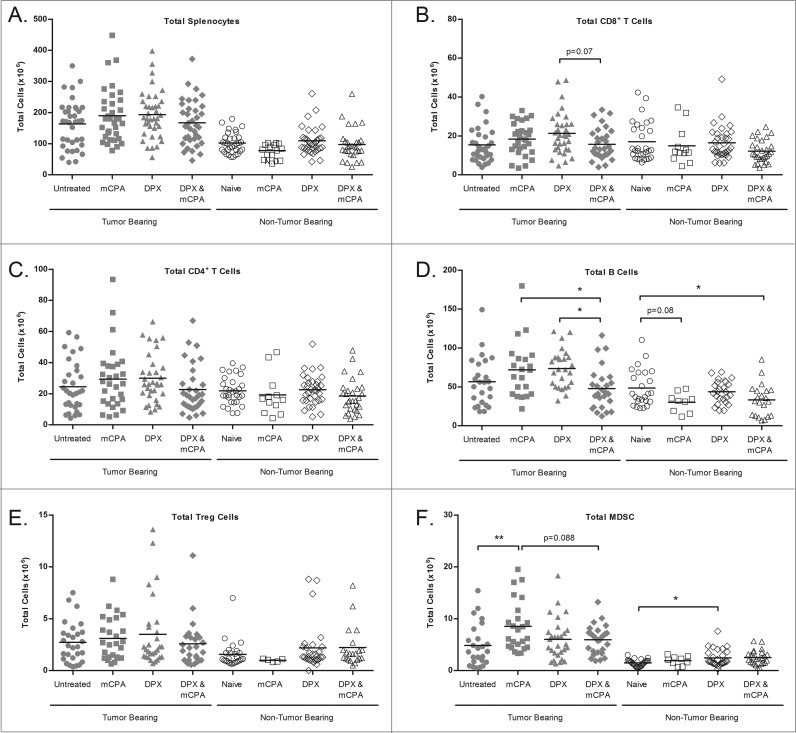
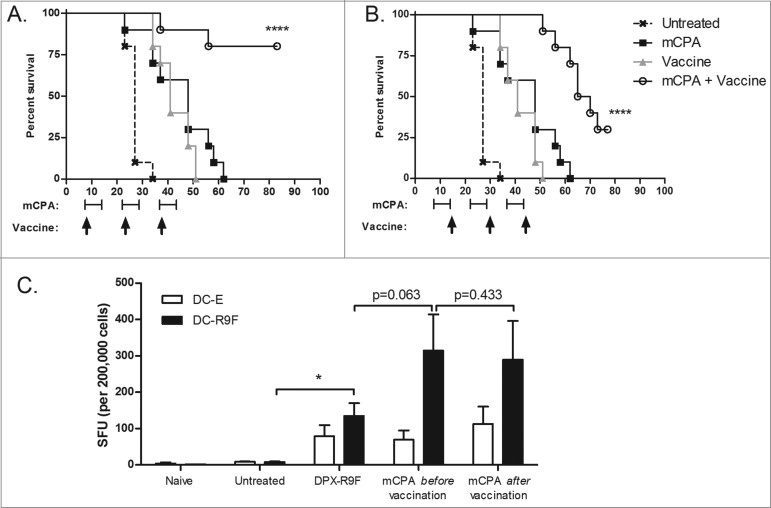
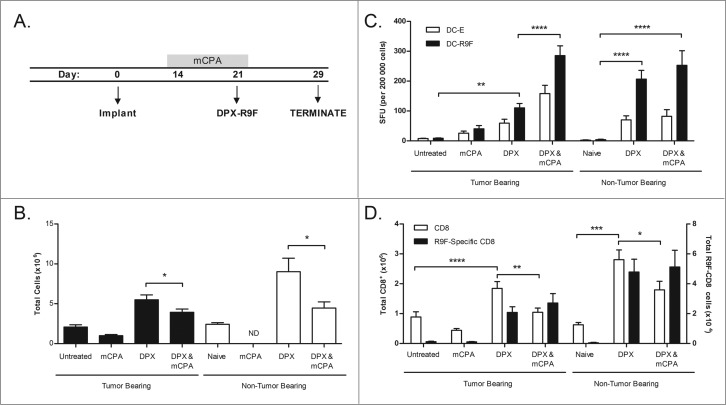
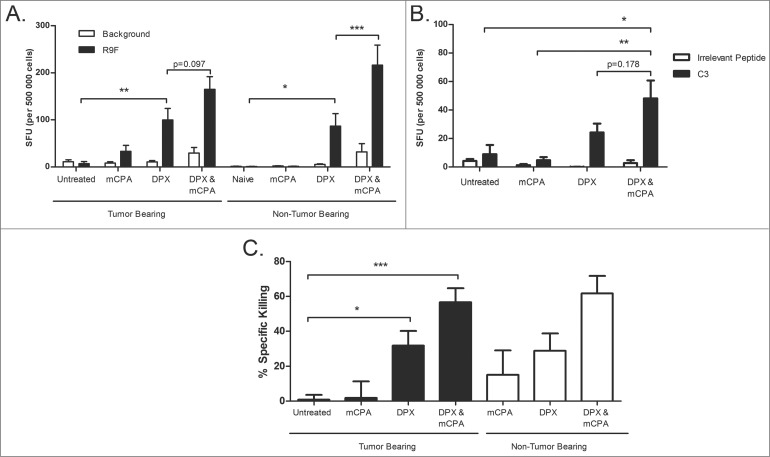
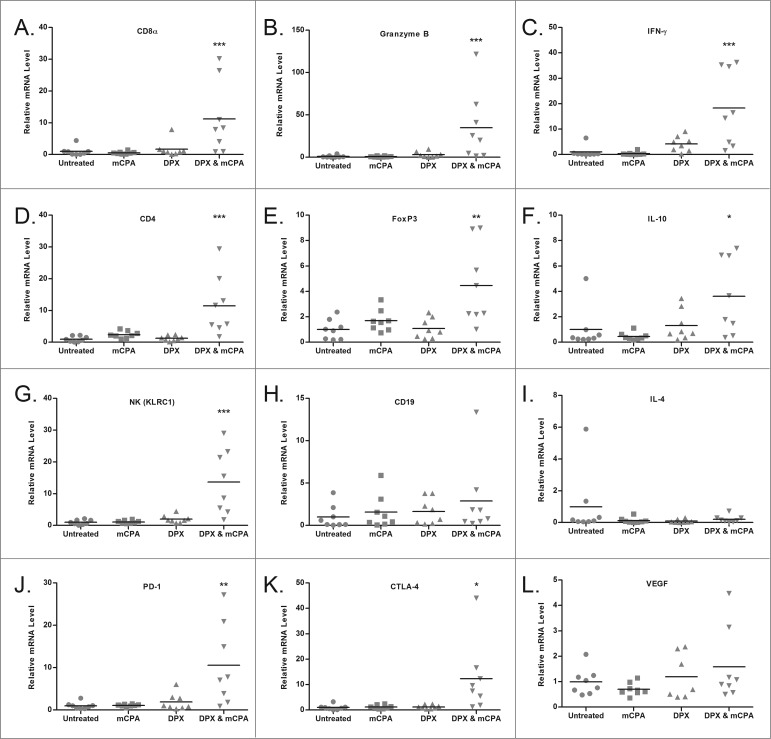
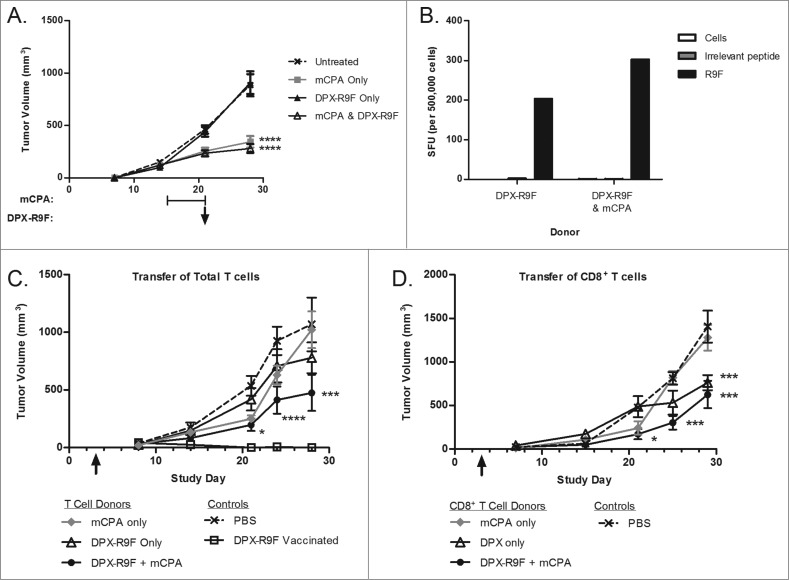
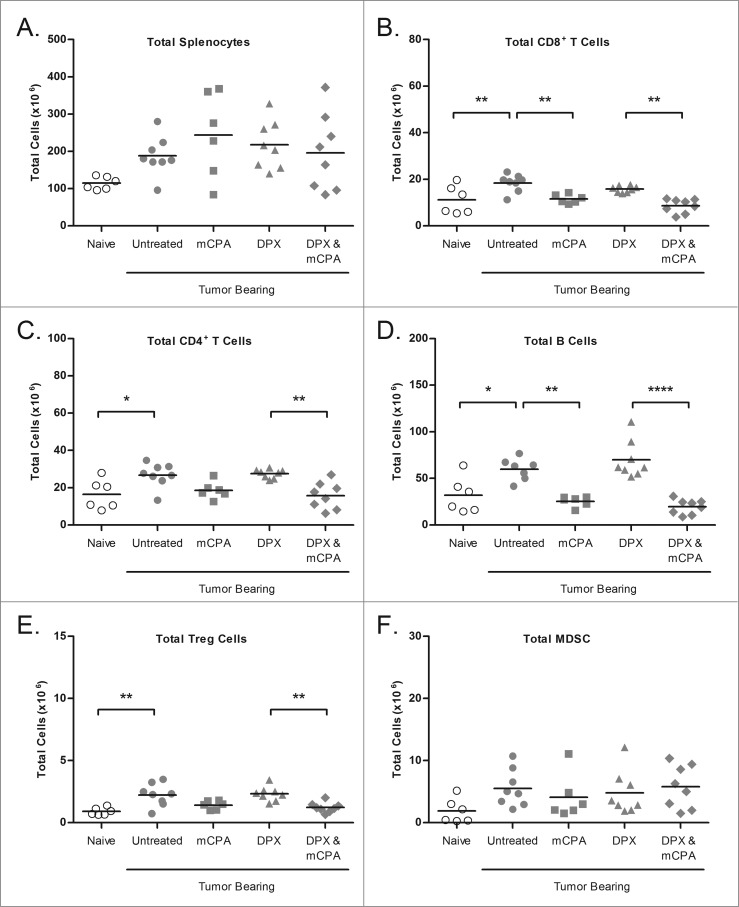
In clinical trials, metronomic cyclophosphamide (CPA) is increasingly being combined with vaccines to reduce tumor-induced immune suppression. Previous strategies to modulate the immune system during vaccination have involved continuous administration of low dose chemotherapy, studies that have posed unique considerations for clinical trial design. Here, we evaluated metronomic CPA in combination with a peptide vaccine targeting HPV16E7 in an HPV16-induced tumor model, focusing on the cytotoxic T-cell response and timing of low dose metronomic CPA (mCPA) treatment relative to vaccination. Mice bearing C3 tumors were given metronomic CPA on alternating weeks in combination with immunization with a DepoVax vaccine containing HPV16E7 peptide antigen every 3 weeks. Only the combination therapy provided significant long-term control of tumor growth. The efficacy of the vaccine was uncompromised if given at the beginning or end of a cycle of metronomic CPA. Metronomic CPA had a pronounced lymphodepletive effect on the vaccine draining lymph node, yet did not reduce the development of antigen-specific CD8 T cells induced by vaccination. This enrichment correlated with increased cytotoxic activity in the spleen and increased expression of cytotoxic gene signatures in the tumor. Immunity could be passively transferred through CD8 T cells isolated from tumor-bearing mice treated with the combinatorial treatment regimen. A comprehensive survey of splenocytes indicated that metronomic CPA, in the absence of vaccination, induced transient lymphodepletion marked by a selective expansion of myeloid-derived suppressor cells. These results provide important insights into the multiple mechanisms of metronomic CPA induced immune modulation in the context of a peptide cancer vaccine that may be translated into more effective clinical trial designs.
在临床试验中,节拍式环磷酰胺(CPA)越来越多地与疫苗联合使用,以减少肿瘤引起的免疫抑制。以前在疫苗接种期间调节免疫系统的策略涉及低剂量化疗的连续给药,这些研究对临床试验设计提出了独特的考虑因素。在这里,我们在 HPV16 诱导的肿瘤模型中评估了节拍式环磷酰胺(CPA)与靶向 HPV16E7 的肽疫苗联合使用的情况,重点关注细胞毒性 T 细胞反应和低剂量节拍式环磷酰胺(mCPA)治疗相对于疫苗接种的时间。携带 C3 肿瘤的小鼠在每隔一周交替接受节拍式环磷酰胺治疗,并每隔 3 周接受一次含有 HPV16E7 肽抗原的 DepoVax 疫苗免疫。只有联合治疗才能显著长期控制肿瘤生长。如果在节拍式环磷酰胺周期的开始或结束时给予疫苗,疫苗的疗效不会受到影响。节拍式环磷酰胺对疫苗引流淋巴结有明显的淋巴耗竭作用,但不会降低疫苗诱导的抗原特异性 CD8 T 细胞的发育。这种富集与脾脏中细胞毒性活性的增加以及肿瘤中细胞毒性基因特征的表达增加相关。通过从接受联合治疗方案治疗的荷瘤小鼠中分离的 CD8 T 细胞可以被动转移免疫力。对脾细胞的全面调查表明,在没有疫苗接种的情况下,节拍式环磷酰胺会诱导短暂的淋巴耗竭,其特征是髓样来源的抑制细胞选择性扩张。这些结果为节拍式环磷酰胺在肽癌症疫苗背景下诱导免疫调节的多种机制提供了重要的见解,这些机制可能转化为更有效的临床试验设计。