Department of Surgery, Yale University School of Medicine , New Haven, CT , USA ; Division of Vascular Surgery, Department of Surgery, Graduate School of Medicine, The University of Tokyo , Tokyo , Japan.
Department of Molecular Medical Research, Tokyo Metropolitan Institute of Medical Science , Tokyo , Japan.
Front Pediatr. 2015 Apr 24;3:33. doi: 10.3389/fped.2015.00033. eCollection 2015.
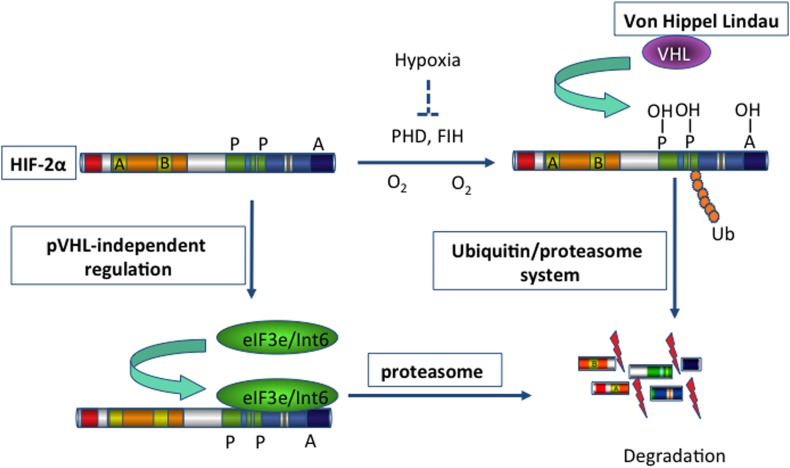
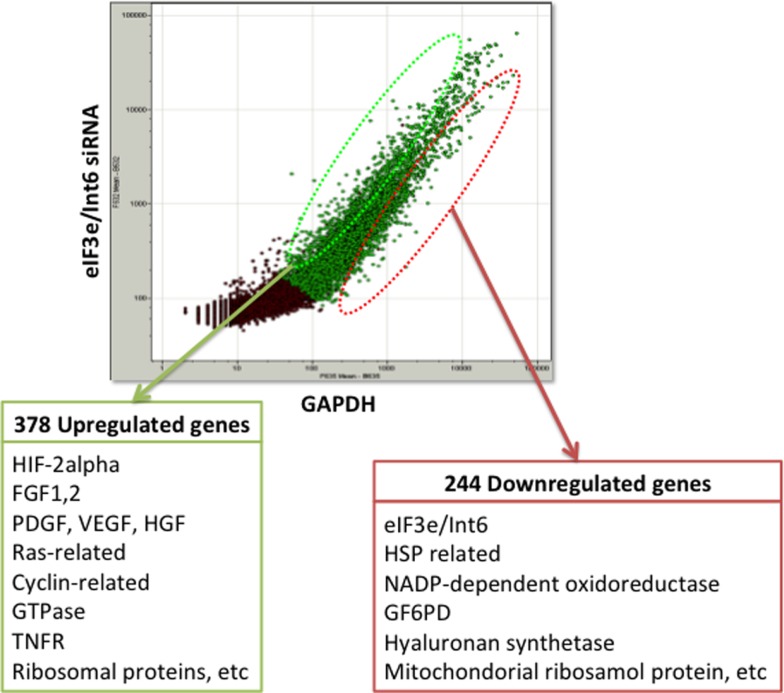
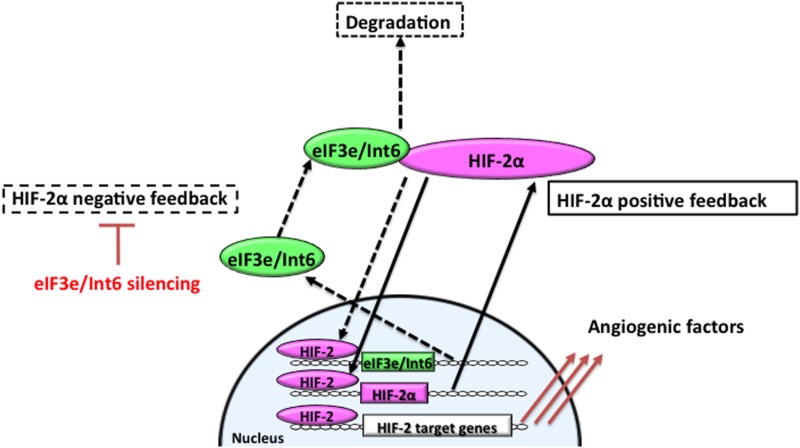
Hypoxia-inducible factors (HIFs) regulate the transcription of genes that mediate the response to hypoxia. HIFs are constantly expressed and degraded under normoxia, but stabilized under hypoxia. HIFs have been widely studied in physiological and pathological conditions and have been shown to contribute to the pathogenesis of various vascular diseases. In clinical settings, the HIF pathway has been studied for its role in inhibiting carcinogenesis. HIFs might also play a protective role in the pathology of ischemic diseases. Clinical trials of therapeutic angiogenesis after the administration of a single growth factor have yielded unsatisfactory or controversial results, possibly because the coordinated activity of different HIF-induced factors is necessary to induce mature vessel formation. Thus, manipulation of HIF activity to simultaneously induce a spectrum of angiogenic factors offers a superior strategy for therapeutic angiogenesis. Because HIF-2α plays an essential role in vascular remodeling, manipulation of HIF-2α is a promising approach to the treatment of ischemic diseases caused by arterial obstruction, where insufficient development of collateral vessels impedes effective therapy. Eukaryotic initiation factor 3 subunit e (eIF3e)/INT6 interacts specifically with HIF-2α and induces the proteasome inhibitor-sensitive degradation of HIF-2α, independent of hypoxia and von Hippel-Lindau protein. Treatment with eIF3e/INT6 siRNA stabilizes HIF-2α activity even under normoxic conditions and induces the expression of several angiogenic factors, at levels sufficient to produce functional arteries and veins in vivo. We have demonstrated that administration of eIF3e/INT6 siRNA to ischemic limbs or cold-injured brains reduces ischemic damage in animal models. This review summarizes the current understanding of the relationship between HIFs and vascular diseases. We also discuss novel oxygen-independent regulatory proteins that bind HIF-α and the implications of a new method for therapeutic angiogenesis using HIF stabilizers.
缺氧诱导因子 (HIFs) 调节介导缺氧反应的基因转录。在常氧条件下,HIFs 持续表达并降解,但在缺氧下稳定。HIFs 在生理和病理条件下得到了广泛研究,并且已经表明它们有助于各种血管疾病的发病机制。在临床环境中,已经研究了 HIF 途径在抑制致癌作用中的作用。HIFs 也可能在缺血性疾病的病理学中发挥保护作用。单一生长因子给药后治疗性血管生成的临床试验结果并不理想或存在争议,可能是因为不同 HIF 诱导因子的协调活动对于诱导成熟血管形成是必要的。因此,操纵 HIF 活性以同时诱导一系列血管生成因子为治疗性血管生成提供了一种优越的策略。由于 HIF-2α 在血管重塑中起着重要作用,因此操纵 HIF-2α 是治疗由动脉阻塞引起的缺血性疾病的一种有前途的方法,在这种疾病中,侧支血管的发育不足会阻碍有效的治疗。真核起始因子 3 亚基 e (eIF3e)/INT6 与 HIF-2α 特异性相互作用,并诱导蛋白酶体抑制剂敏感的 HIF-2α 降解,而与缺氧和 von Hippel-Lindau 蛋白无关。用 eIF3e/INT6 siRNA 处理可稳定 HIF-2α 活性,即使在常氧条件下也可诱导几种血管生成因子的表达,其水平足以在体内产生功能性动静脉。我们已经证明,在缺血肢体或冷损伤大脑中给予 eIF3e/INT6 siRNA 可减少动物模型中的缺血性损伤。本综述总结了目前对 HIFs 与血管疾病之间关系的理解。我们还讨论了新型与 HIF-α 结合的氧非依赖性调节蛋白以及使用 HIF 稳定剂进行治疗性血管生成的新方法的意义。