DeCoursey Thomas E
Department of Molecular Biophysics and Physiology, Rush University, 1750 West Harrison, Chicago, Illinois 60612, United States.
Biochemistry. 2015 Jun 2;54(21):3250-68. doi: 10.1021/acs.biochem.5b00353. Epub 2015 May 20.
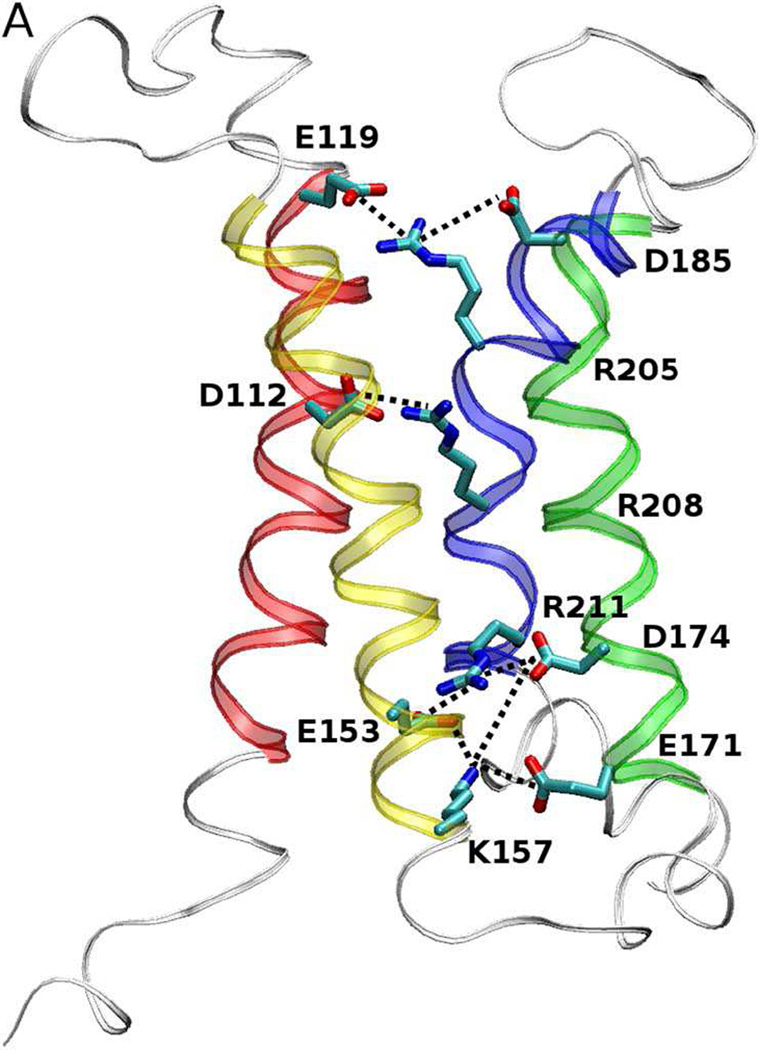
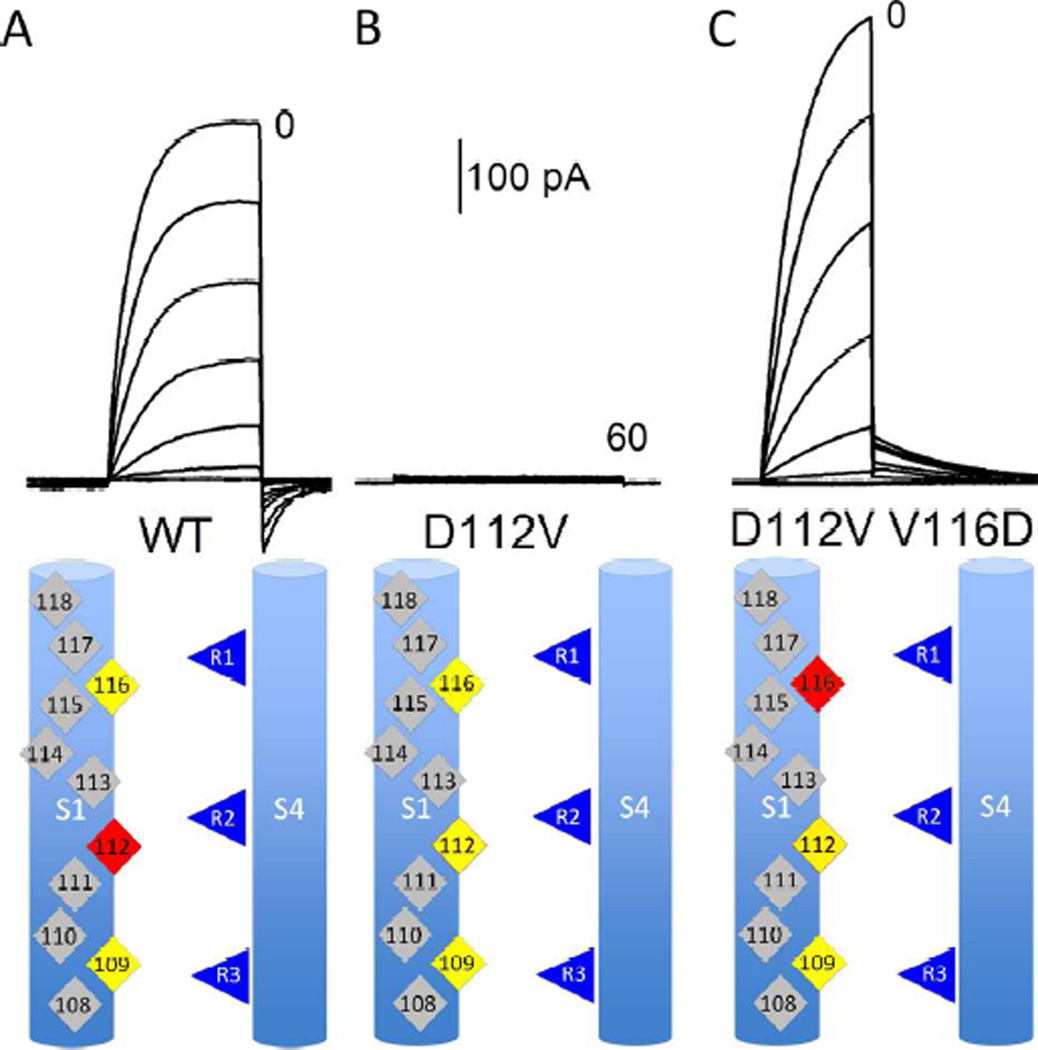
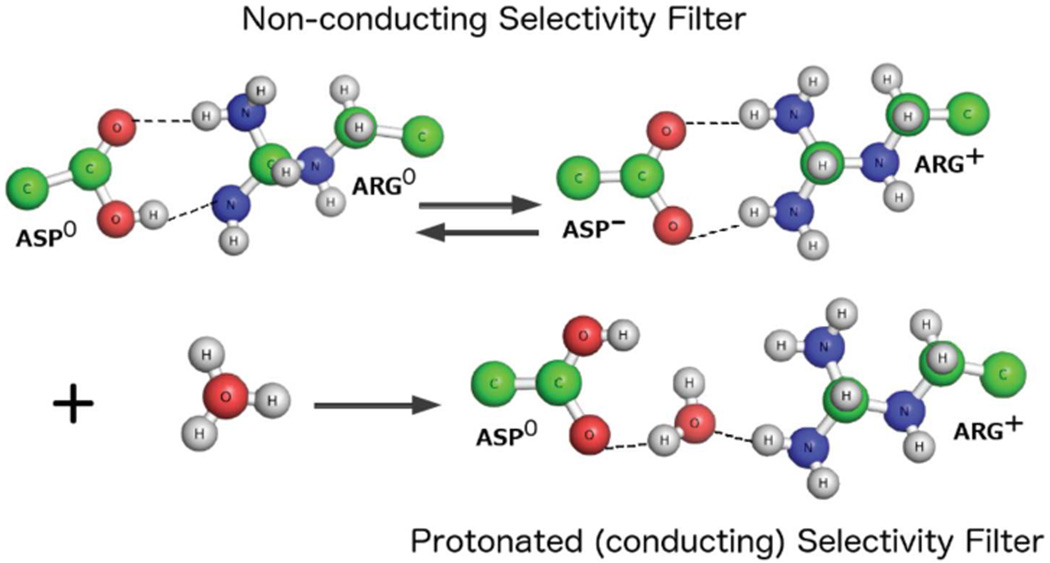
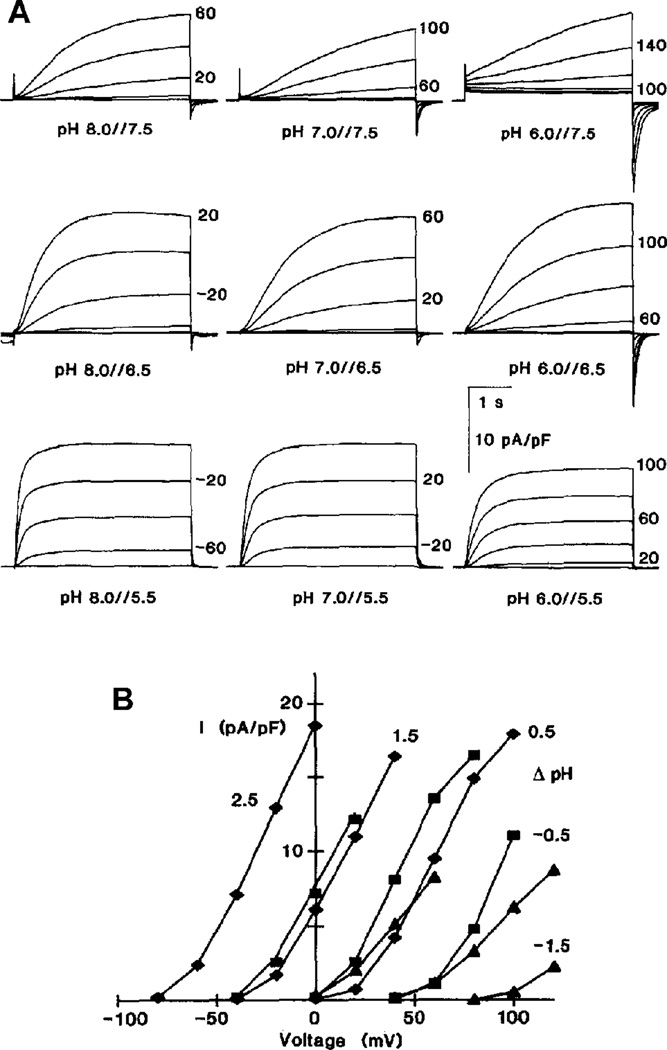
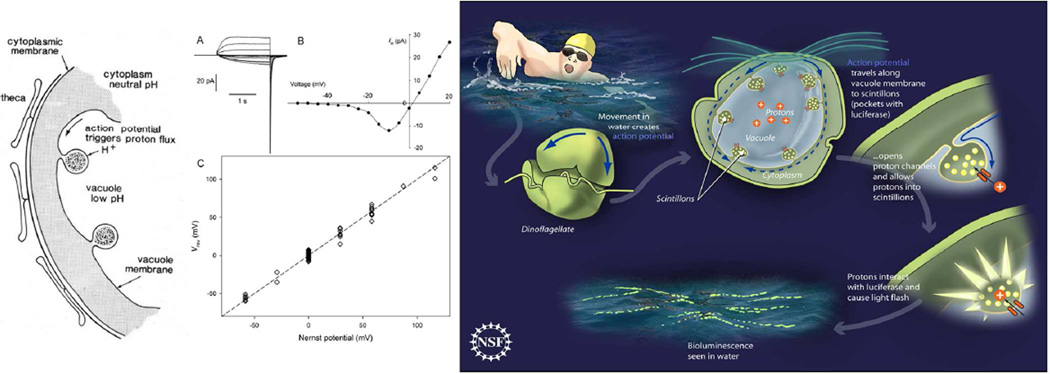
The main properties of the voltage-gated proton channel (HV1) are described in this review, along with what is known about how the channel protein structure accomplishes its functions. Just as protons are unique among ions, proton channels are unique among ion channels. Their four transmembrane helices sense voltage and the pH gradient and conduct protons exclusively. Selectivity is achieved by the unique ability of H3O(+) to protonate an Asp-Arg salt bridge. Pathognomonic sensitivity of gating to the pH gradient ensures HV1 channel opening only when acid extrusion will result, which is crucial to most of its biological functions. An exception occurs in dinoflagellates in which influx of H(+) through HV1 triggers the bioluminescent flash. Pharmacological interventions that promise to ameliorate cancer, asthma, brain damage in ischemic stroke, Alzheimer's disease, autoimmune diseases, and numerous other conditions await future progress.
本综述描述了电压门控质子通道(HV1)的主要特性,以及关于通道蛋白结构如何实现其功能的已知信息。正如质子在离子中独一无二一样,质子通道在离子通道中也独一无二。它们的四个跨膜螺旋感知电压和pH梯度,并仅传导质子。选择性是通过H3O(+)使天冬氨酸 - 精氨酸盐桥质子化的独特能力实现的。门控对pH梯度的特征性敏感性确保HV1通道仅在酸外排时才会打开,这对其大多数生物学功能至关重要。在甲藻中出现了一个例外,其中H(+)通过HV1的流入触发生物发光闪光。有望改善癌症、哮喘、缺血性中风脑损伤、阿尔茨海默病、自身免疫性疾病和许多其他病症的药物干预措施有待未来取得进展。