Chen Jie, Tan Ren-Ke, Guo Xiao-Juan, Fu Zheng-Li, Wang Zheng, Zhang Zhi-Yan, Tan Xiao-Li
Institute of Life Sciences, Jiangsu University, Zhenjiang, P. R. China.
PLoS One. 2015 May 12;10(5):e0126250. doi: 10.1371/journal.pone.0126250. eCollection 2015.
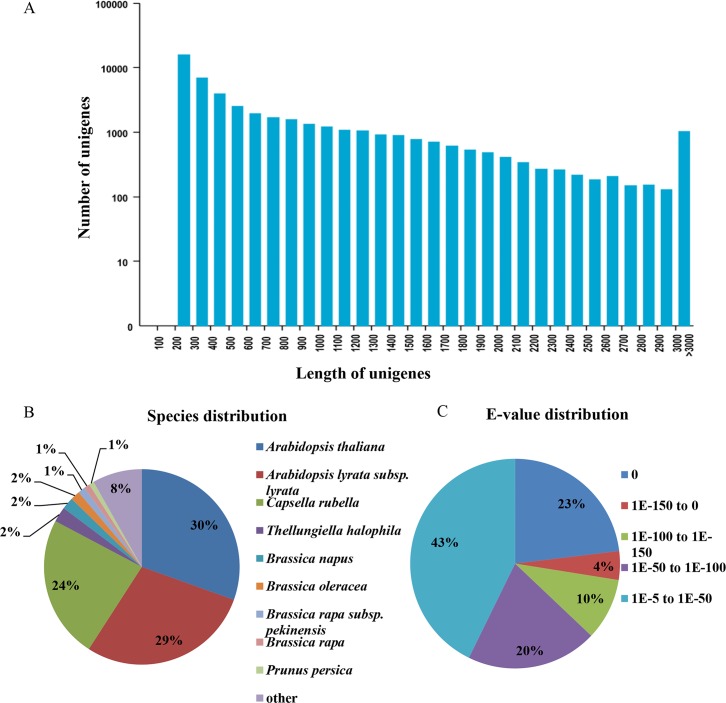
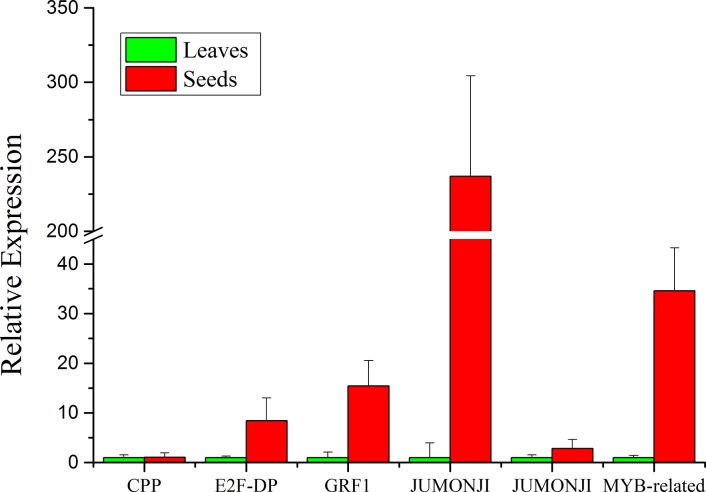
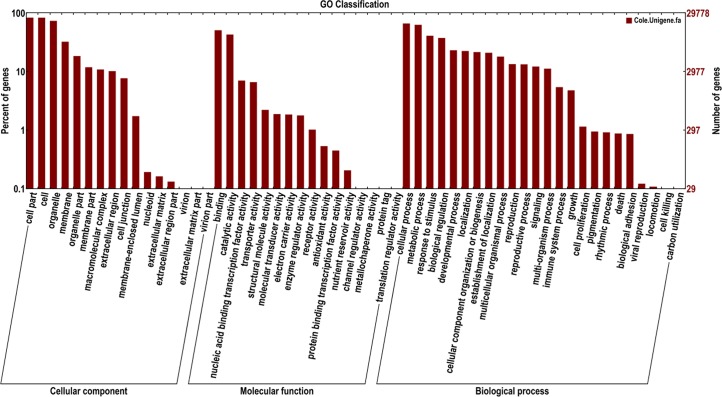
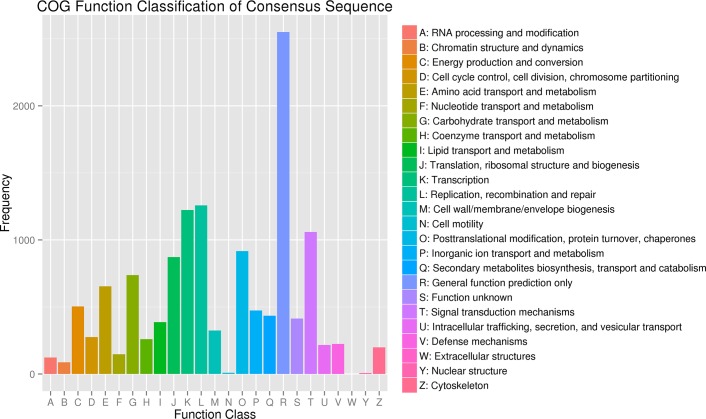
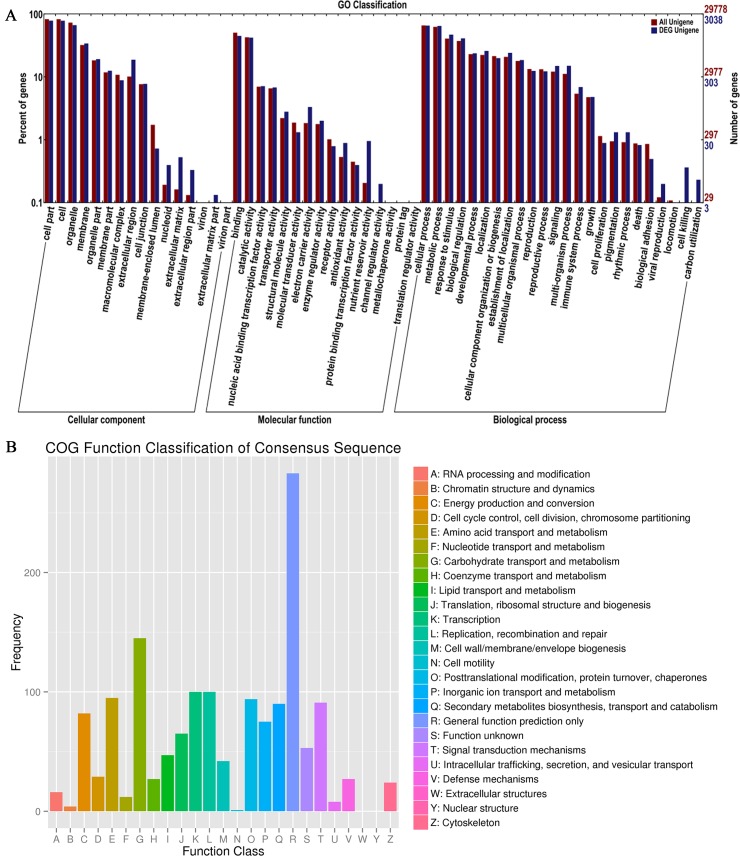
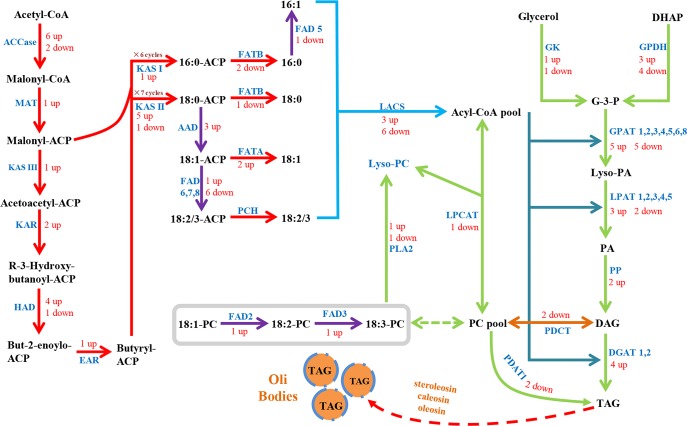
Brassica napus seed is a lipid storage organ containing approximately 40% oil, while its leaves contain many kinds of lipids for many biological roles, but the overall amounts are less than in seeds. Thus, lipid biosynthesis in the developing seeds and the leaves is strictly regulated which results the final difference of lipids. However, there are few reports about the molecular mechanism controlling the difference in lipid biosynthesis between developing seeds and leaves. In this study, we tried to uncover this mechanism by analyzing the transcriptome data for lipid biosynthesis. The transcriptome data were de novo assembled and a total of 47,216 unigenes were obtained, which had an N50 length and median of 1271 and 755 bp, respectively. Among these unigenes, 36,368 (about 77.02%) were annotated and there were 109 up-regulated unigenes and 72 down-regulated unigenes in the developing seeds lipid synthetic pathway after comparing with leaves. In the oleic acid pathway, 23 unigenes were up-regulated and four unigenes were down-regulated. During triacylglycerol (TAG) synthesis, the key unigenes were all up-regulated, such as phosphatidate phosphatase and diacylglycerol O-acyltransferase. During palmitic acid, palmitoleic acid, stearic acid, linoleic acid and linolenic acid synthesis in leaves, the unigenes were nearly all up-regulated, which indicated that the biosynthesis of these particular fatty acids were more important in leaves. In the developing seeds, almost all the unigenes in the ABI3VP1, RKD, CPP, E2F-DP, GRF, JUMONJI, MYB-related, PHD and REM transcript factor families were up-regulated, which helped us to discern the regulation mechanism underlying lipid biosynthesis. The differential up/down-regulation of the genes and TFs involved in lipid biosynthesis in developing seeds and leaves provided direct evidence that allowed us to map the network that regulates lipid biosynthesis, and the identification of new TFs that are up-regulated in developing seeds will help us to further elucidate the lipids biosynthesis pathway in developing seeds and leaves.
甘蓝型油菜种子是一种脂质储存器官,含油量约为40%,而其叶片含有多种具有多种生物学功能的脂质,但总体含量低于种子。因此,发育中的种子和叶片中的脂质生物合成受到严格调控,这导致了脂质的最终差异。然而,关于控制发育中的种子和叶片脂质生物合成差异的分子机制的报道很少。在本研究中,我们试图通过分析脂质生物合成的转录组数据来揭示这一机制。对转录组数据进行了从头组装,共获得47216个单基因,其N50长度和中位数分别为1271和755 bp。在这些单基因中,36368个(约77.02%)得到注释,与叶片相比,发育中的种子脂质合成途径中有109个上调单基因和72个下调单基因。在油酸途径中,23个单基因上调而4个单基因下调。在三酰甘油(TAG)合成过程中,关键单基因均上调,如磷脂酸磷酸酶和二酰甘油O-酰基转移酶。在叶片中棕榈酸、棕榈油酸、硬脂酸、亚油酸和亚麻酸合成过程中,单基因几乎全部上调,这表明这些特定脂肪酸的生物合成在叶片中更为重要。在发育中的种子中,ABI3VP1、RKD、CPP、E2F-DP、GRF、JUMONJI、MYB相关、PHD和REM转录因子家族中的几乎所有单基因都上调,这有助于我们识别脂质生物合成的调控机制。发育中的种子和叶片中参与脂质生物合成的基因和转录因子的差异上调/下调提供了直接证据,使我们能够绘制调控脂质生物合成的网络,而在发育中的种子中上调的新转录因子的鉴定将有助于我们进一步阐明发育中的种子和叶片中的脂质生物合成途径。