Marasinghe Keshini Madara
BMJ Open. 2015 May 12;5(5):e006539. doi: 10.1136/bmjopen-2014-006539.
Computerised clinical decision support systems (CCDSS) are used to improve the quality of care in various healthcare settings. This systematic review evaluated the impact of CCDSS on improving medication safety in long-term care homes (LTC). Medication safety in older populations is an important health concern as inappropriate medication use can elevate the risk of potentially severe outcomes (ie, adverse drug reactions, ADR). With an increasing ageing population, greater use of LTC by the growing ageing population and increasing number of medication-related health issues in LTC, strategies to improve medication safety are essential.
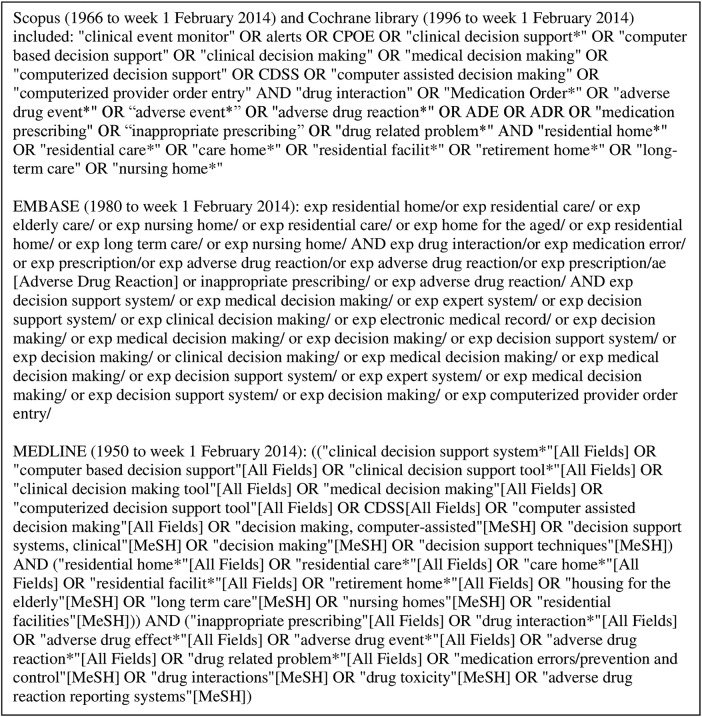
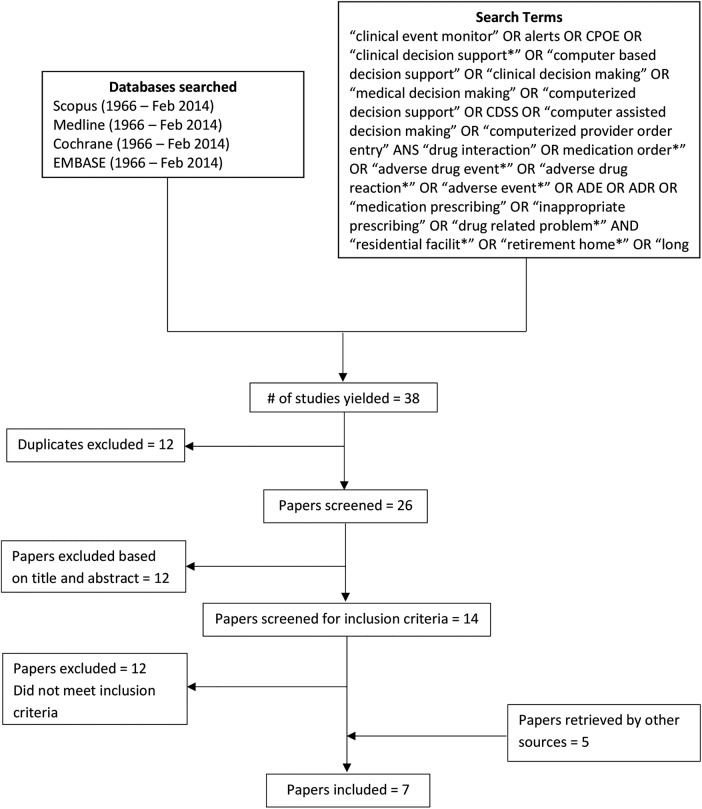
Databases searched included MEDLINE, EMBASE, Scopus and Cochrane Library. Three groups of keywords were combined: those relating to LTC, medication safety and CCDSS. One reviewer undertook screening and quality assessment.
Overall findings suggest that CCDSS in LTC improved the quality of prescribing decisions (ie, appropriate medication orders), detected ADR, triggered warning messages (ie, related to central nervous system side effects, drug-associated constipation, renal insufficiency) and reduced injury risk among older adults.
CCDSS have received little attention in LTC, as attested by the limited published literature. With an increasing ageing population, greater use of LTC by the ageing population and increased workload for health professionals, merely relying on physicians' judgement on medication safety would not be sufficient. CCDSS to improve medication safety and enhance the quality of prescribing decisions are essential. Analysis of review findings indicates that CCDSS are beneficial, effective and have potential to improve medication safety in LTC; however, the use of CCDSS in LTC is scarce. Careful assessment on the impact of CCDSS on medication safety and further modifications to existing CCDSS are recommended for wider acceptance. Due to scant evidence in the current literature, further research on implementation and effectiveness of CCDSS is required.
计算机化临床决策支持系统(CCDSS)用于改善各种医疗环境中的护理质量。本系统评价评估了CCDSS对改善长期护理机构(LTC)用药安全的影响。老年人群的用药安全是一个重要的健康问题,因为不适当用药会增加潜在严重后果(即药物不良反应,ADR)的风险。随着人口老龄化加剧、老年人口对长期护理机构的使用增加以及长期护理机构中与药物相关的健康问题增多,改善用药安全的策略至关重要。
检索的数据库包括MEDLINE、EMBASE、Scopus和Cochrane图书馆。将三组关键词进行组合:与长期护理机构、用药安全和CCDSS相关的关键词。由一名评审员进行筛选和质量评估。
总体研究结果表明,长期护理机构中的CCDSS改善了处方决策质量(即适当的用药医嘱),检测到了药物不良反应,触发了警示信息(即与中枢神经系统副作用、药物相关性便秘、肾功能不全相关的信息),并降低了老年人的受伤风险。
如有限的已发表文献所证明的那样,CCDSS在长期护理机构中很少受到关注。随着人口老龄化加剧、老年人口对长期护理机构的使用增加以及卫生专业人员工作量加大,仅依靠医生对用药安全的判断是不够的。改善用药安全和提高处方决策质量的CCDSS至关重要。对综述结果的分析表明,CCDSS有益、有效且有潜力改善长期护理机构中的用药安全;然而,CCDSS在长期护理机构中的使用很少。建议对CCDSS对用药安全的影响进行仔细评估,并对现有CCDSS进行进一步修改,以获得更广泛的接受。由于当前文献中的证据不足,需要对CCDSS的实施和有效性进行进一步研究。