Heussler Gary E, Cady Kyle C, Koeppen Katja, Bhuju Sabin, Stanton Bruce A, O'Toole George A
Department of Microbiology and Immunology, Geisel School of Medicine at Dartmouth, Hanover, New Hampshire, USA.
Genome Analytics Helmholtz Centre for Infection Research, Braunschweig, Germany.
mBio. 2015 May 12;6(3):e00129-15. doi: 10.1128/mBio.00129-15.
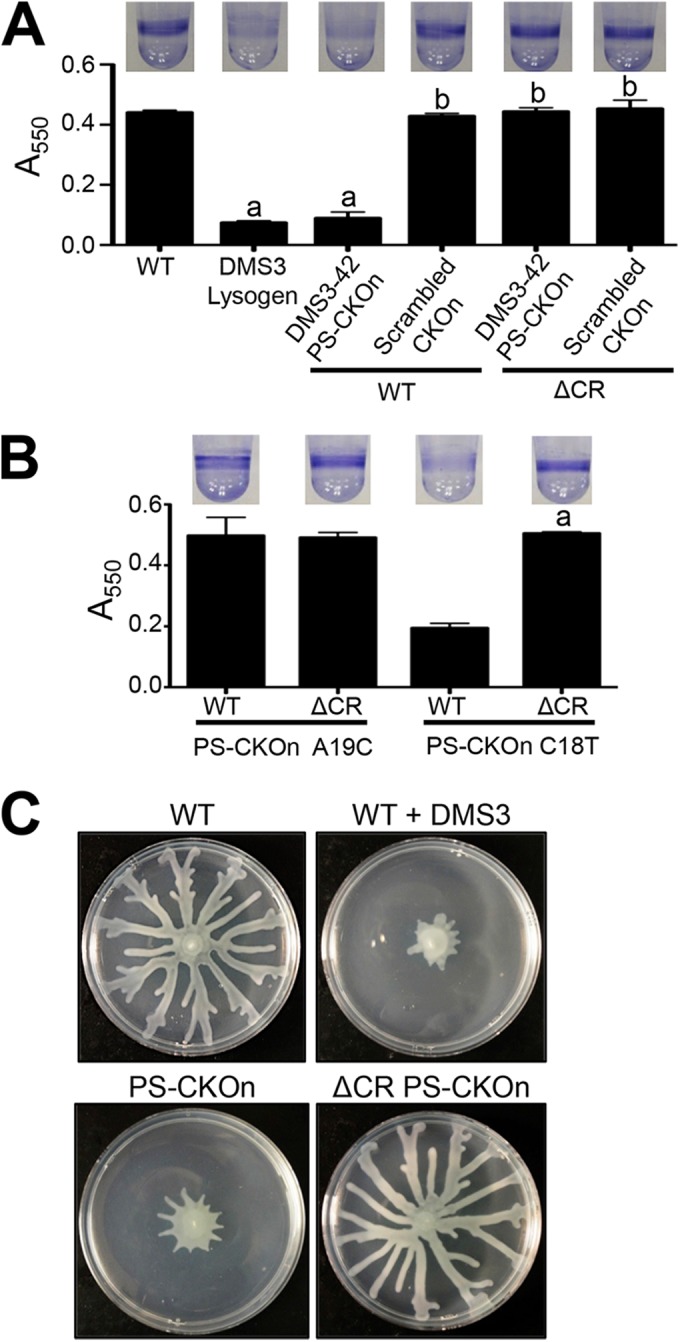
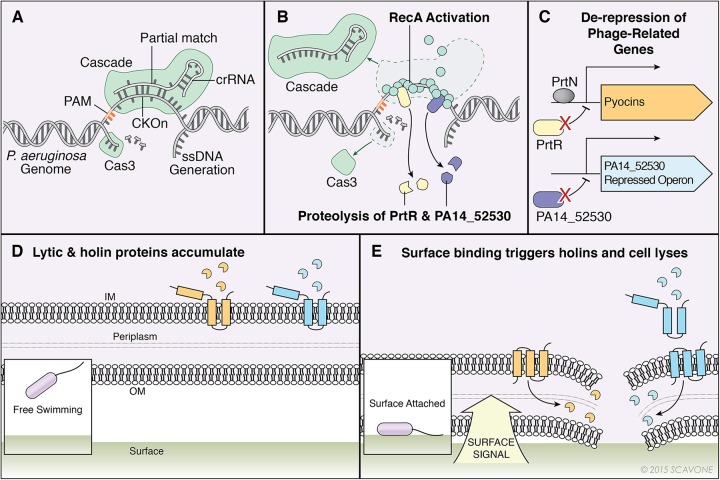
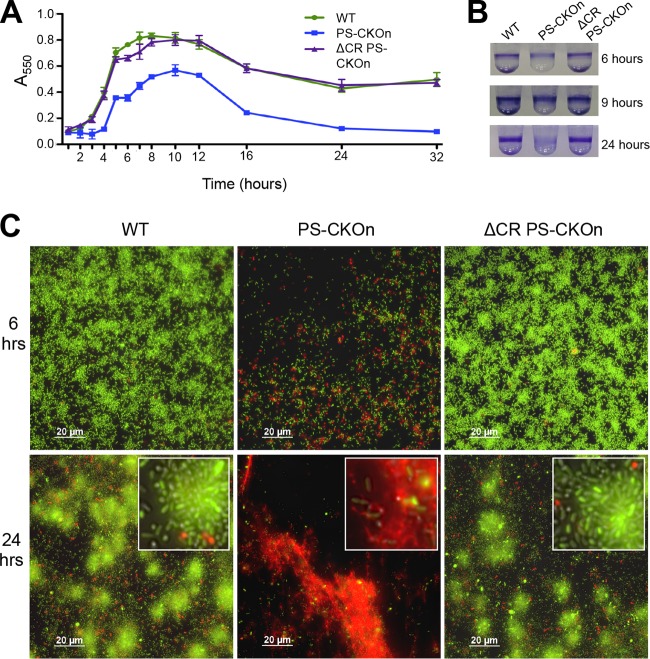
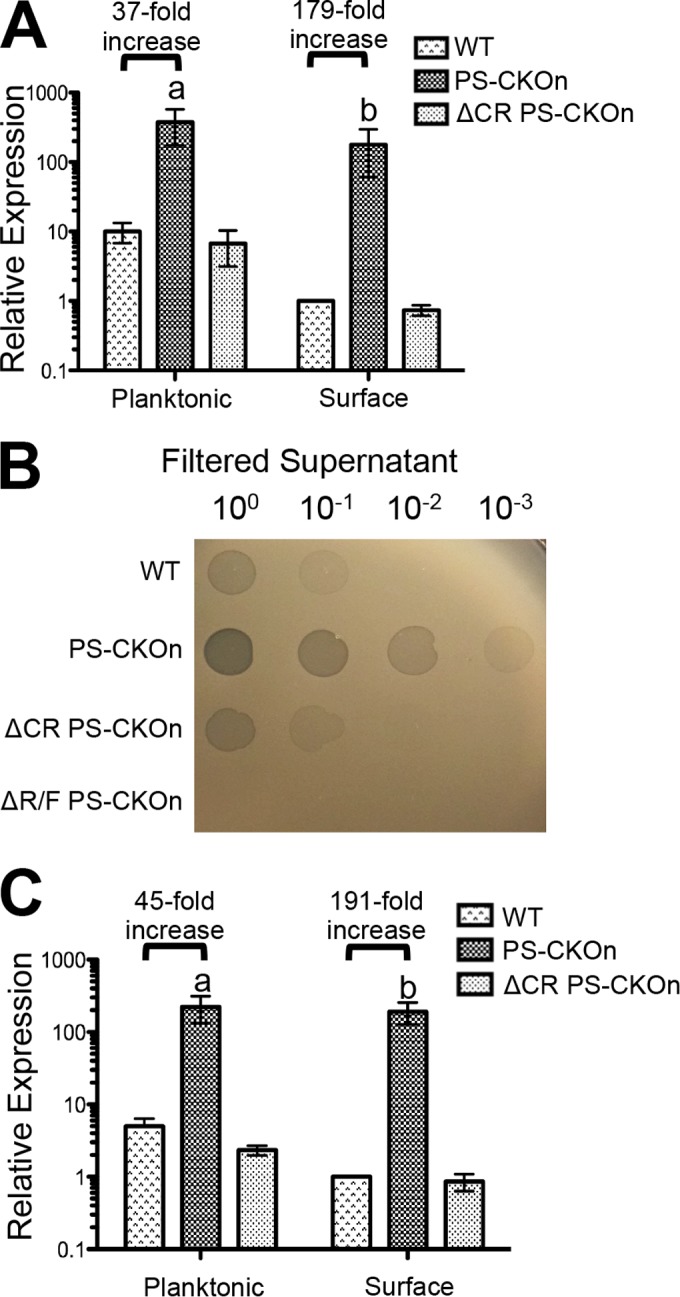
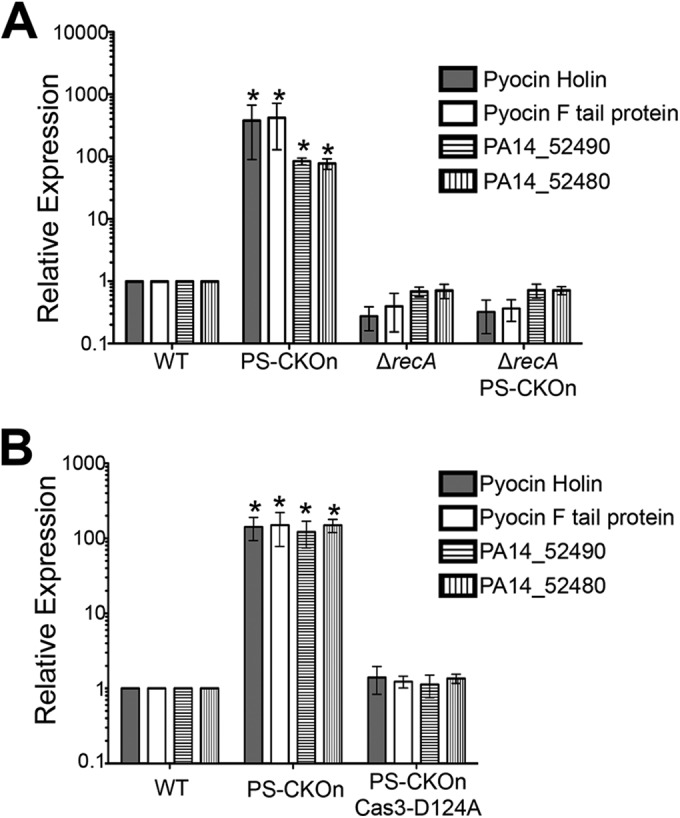
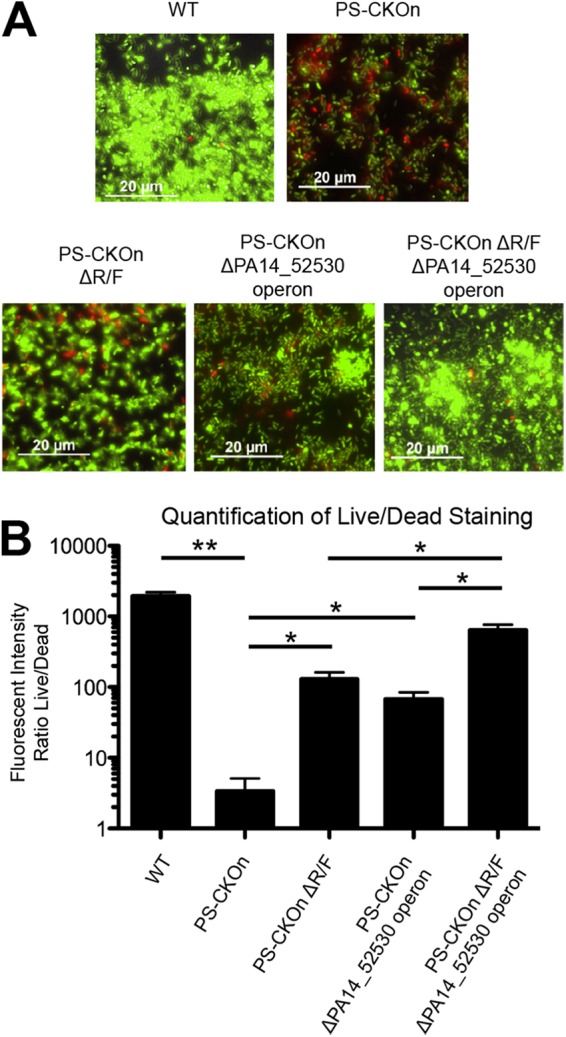
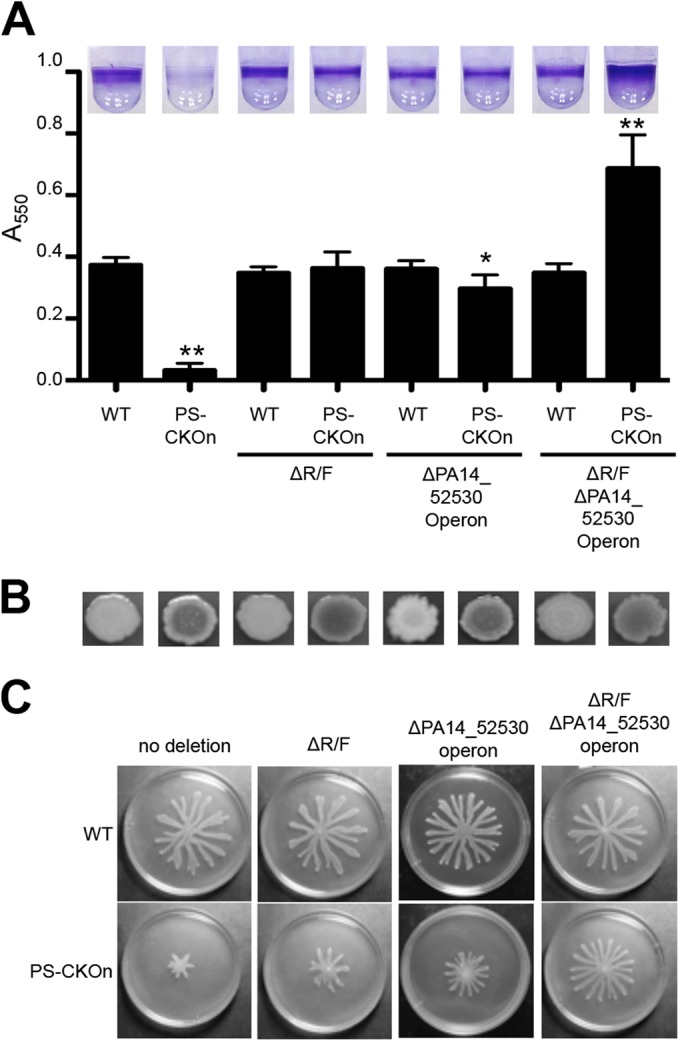
The clustered regularly interspaced short palindromic repeat (CRISPR)/CRISPR-associated (CRISPR/Cas) system is an adaptive immune system present in many archaea and bacteria. CRISPR/Cas systems are incredibly diverse, and there is increasing evidence of CRISPR/Cas systems playing a role in cellular functions distinct from phage immunity. Previously, our laboratory reported one such alternate function in which the type 1-F CRISPR/Cas system of the opportunistic pathogen Pseudomonas aeruginosa strain UCBPP-PA14 (abbreviated as P. aeruginosa PA14) inhibits both biofilm formation and swarming motility when the bacterium is lysogenized by the bacteriophage DMS3. In this study, we demonstrated that the presence of just the DMS3 protospacer and the protospacer-adjacent motif (PAM) on the P. aeruginosa genome is necessary and sufficient for this CRISPR-dependent loss of these group behaviors, with no requirement of additional DMS3 sequences. We also demonstrated that the interaction of the CRISPR system with the DMS3 protospacer induces expression of SOS-regulated phage-related genes, including the well-characterized pyocin operon, through the activity of the nuclease Cas3 and subsequent RecA activation. Furthermore, our data suggest that expression of the phage-related genes results in bacterial cell death on a surface due to the inability of the CRISPR-engaged strain to downregulate phage-related gene expression, while these phage-related genes have minimal impact on growth and viability under planktonic conditions. Deletion of the phage-related genes restores biofilm formation and swarming motility while still maintaining a functional CRISPR/Cas system, demonstrating that the loss of these group behaviors is an indirect effect of CRISPR self-targeting.
The various CRISPR/Cas systems found in both archaea and bacteria are incredibly diverse, and advances in understanding the complex mechanisms of these varied systems has not only increased our knowledge of host-virus interplay but has also led to a major advancement in genetic engineering. Recently, increasing evidence suggested that bacteria can co-opt the CRISPR system for functions besides adaptive immunity to phage infection. This study examined one such alternative function, and this report describes the mechanism of type 1-F CRISPR-dependent loss of the biofilm and swarming in the medically relevant opportunistic pathogen Pseudomonas aeruginosa. Since both biofilm formation and swarming motility are important in the virulence of P. aeruginosa, a full understanding of how the CRISPR system can regulate such group behaviors is fundamental to developing new therapeutics.
成簇规律间隔短回文重复序列(CRISPR)/CRISPR相关蛋白(CRISPR/Cas)系统是存在于许多古菌和细菌中的一种适应性免疫系统。CRISPR/Cas系统极其多样,越来越多的证据表明CRISPR/Cas系统在不同于噬菌体免疫的细胞功能中发挥作用。此前,我们实验室报道了一种这样的替代功能,即机会致病菌铜绿假单胞菌菌株UCBPP - PA14(简称为铜绿假单胞菌PA14)的1 - F型CRISPR/Cas系统在该细菌被噬菌体DMS3溶原化时,会抑制生物膜形成和群体游动。在本研究中,我们证明,铜绿假单胞菌基因组上仅存在DMS3原间隔序列和原间隔序列相邻基序(PAM)对于这些群体行为的CRISPR依赖性丧失是必要且充分的,无需额外的DMS3序列。我们还证明,CRISPR系统与DMS3原间隔序列的相互作用通过核酸酶Cas3的活性和随后的RecA激活,诱导SOS调控的噬菌体相关基因的表达,包括特征明确的绿脓菌素操纵子。此外,我们的数据表明,由于CRISPR参与的菌株无法下调噬菌体相关基因的表达,噬菌体相关基因的表达导致细菌在表面死亡,而这些噬菌体相关基因在浮游条件下对生长和活力的影响最小。删除噬菌体相关基因可恢复生物膜形成和群体游动,同时仍维持功能性的CRISPR/Cas系统,这表明这些群体行为的丧失是CRISPR自我靶向的间接效应。
在古菌和细菌中发现的各种CRISPR/Cas系统极其多样,对这些不同系统复杂机制的理解进展不仅增加了我们对宿主 - 病毒相互作用的认识,还推动了基因工程的重大进步。最近,越来越多的证据表明,细菌可以将CRISPR系统用于除对噬菌体感染的适应性免疫之外的功能。本研究考察了一种这样的替代功能,本报告描述了医学上相关的机会致病菌铜绿假单胞菌中1 - F型CRISPR依赖性生物膜和群体游动丧失的机制。由于生物膜形成和群体游动在铜绿假单胞菌的毒力中都很重要,全面了解CRISPR系统如何调节此类群体行为对于开发新疗法至关重要。