Sack Brandon K, Keitany Gladys J, Vaughan Ashley M, Miller Jessica L, Wang Ruobing, Kappe Stefan H I
Seattle Biomedical Research Institute, Seattle, Washington, United States of America.
Department of Immunology, University of Washington, Seattle, Washington, United States of America.
PLoS Pathog. 2015 May 14;11(5):e1004855. doi: 10.1371/journal.ppat.1004855. eCollection 2015 May.
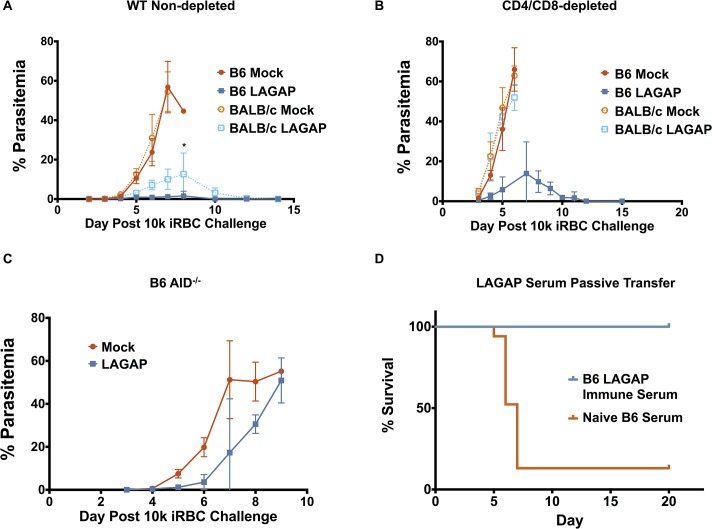
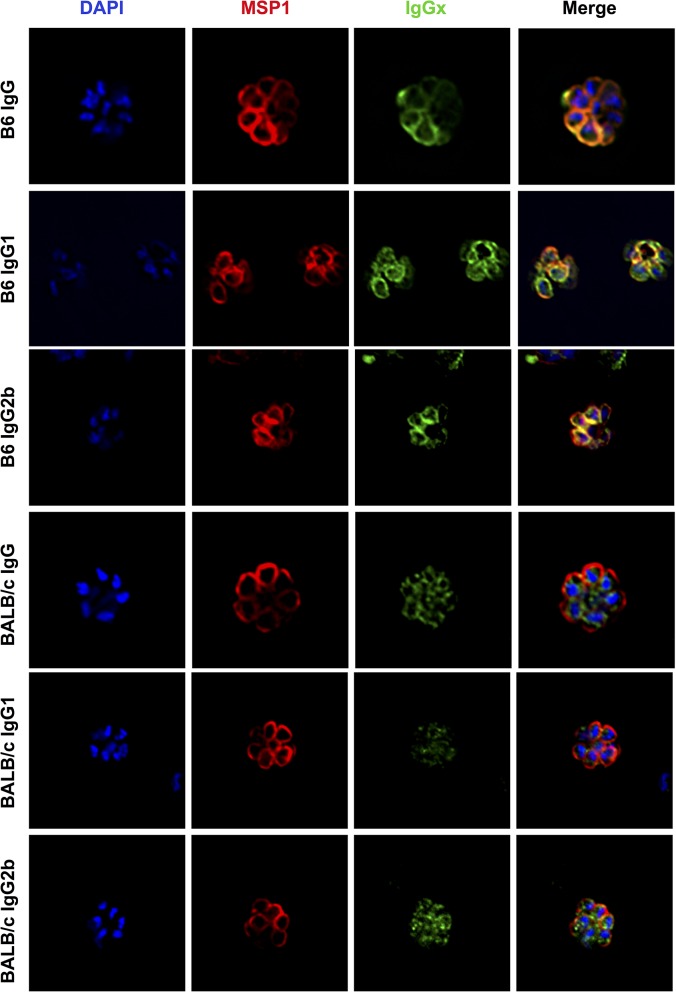
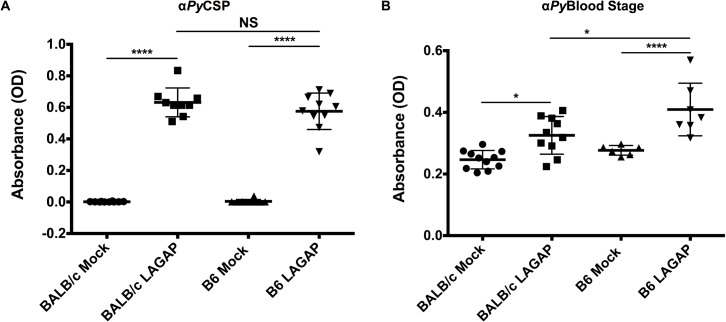
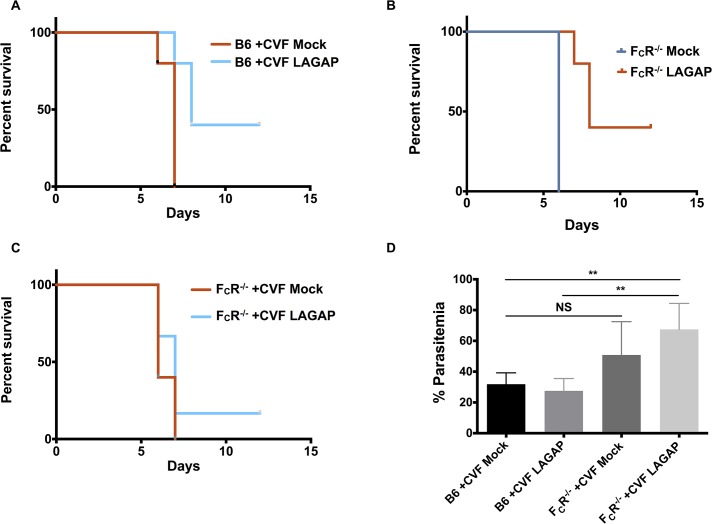
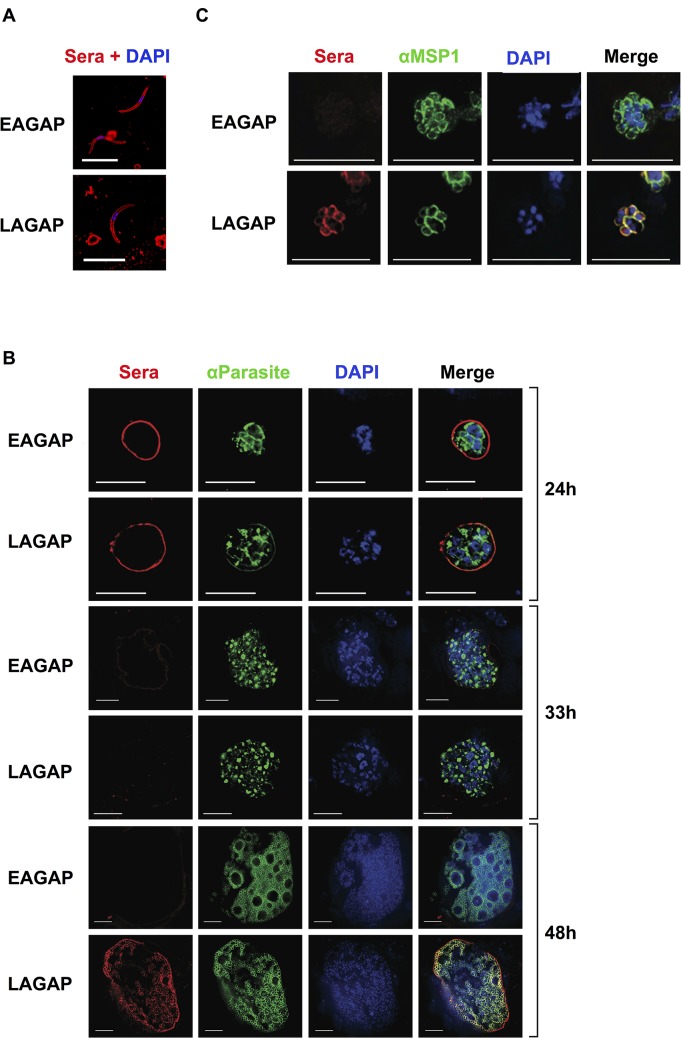
Malaria, caused by Plasmodium parasite infection, continues to be one of the leading causes of worldwide morbidity and mortality. Development of an effective vaccine has been encumbered by the complex life cycle of the parasite that has distinct pre-erythrocytic and erythrocytic stages of infection in the mammalian host. Historically, malaria vaccine development efforts have targeted each stage in isolation. An ideal vaccine, however, would target multiple life cycle stages with multiple arms of the immune system and be capable of eliminating initial infection in the liver, the subsequent blood stage infection, and would prevent further parasite transmission. We have previously shown that immunization of mice with Plasmodium yoelii genetically attenuated parasites (GAP) that arrest late in liver stage development elicits stage-transcending protection against both a sporozoite challenge and a direct blood stage challenge. Here, we show that this immunization strategy engenders both T- and B-cell responses that are essential for stage-transcending protection, but the relative importance of each is determined by the host genetic background. Furthermore, potent anti-blood stage antibodies elicited after GAP immunization rely heavily on FC-mediated functions including complement fixation and FC receptor binding. These protective antibodies recognize the merozoite surface but do not appear to recognize the immunodominant merozoite surface protein-1. The antigen(s) targeted by stage-transcending immunity are present in both the late liver stages and blood stage parasites. The data clearly show that GAP-engendered protective immune responses can target shared antigens of pre-erythrocytic and erythrocytic parasite life cycle stages. As such, this model constitutes a powerful tool to identify novel, protective and stage-transcending T and B cell targets for incorporation into a multi-stage subunit vaccine.
由疟原虫寄生虫感染引起的疟疾仍然是全球发病和死亡的主要原因之一。有效的疫苗开发受到寄生虫复杂生命周期的阻碍,该生命周期在哺乳动物宿主中具有不同的红细胞前期和红细胞期感染阶段。从历史上看,疟疾疫苗开发工作一直是孤立地针对每个阶段。然而,理想的疫苗将利用免疫系统的多个分支针对多个生命周期阶段,并且能够消除肝脏中的初始感染、随后的血液阶段感染,并防止寄生虫进一步传播。我们之前已经表明,用在肝脏阶段发育后期停滞的约氏疟原虫基因减毒寄生虫(GAP)免疫小鼠,可引发针对子孢子攻击和直接血液阶段攻击的跨阶段保护。在这里,我们表明这种免疫策略产生了对于跨阶段保护至关重要的T细胞和B细胞反应,但每个反应的相对重要性由宿主遗传背景决定。此外,GAP免疫后引发的强效抗血液阶段抗体严重依赖于Fc介导的功能,包括补体固定和Fc受体结合。这些保护性抗体识别裂殖子表面,但似乎不识别免疫显性裂殖子表面蛋白-1。跨阶段免疫靶向的抗原存在于肝脏后期阶段和血液阶段的寄生虫中。数据清楚地表明,GAP引发的保护性免疫反应可以靶向红细胞前期和红细胞期寄生虫生命周期阶段的共享抗原。因此,该模型构成了一个强大的工具,用于识别新的、具有保护性和跨阶段的T细胞和B细胞靶点,以纳入多阶段亚单位疫苗。