Yu Peng, Li Xuexian, White Philip J, Li Chunjian
Department of Plant Nutrition, College of Resources and Environmental Science, China Agricultural University, Beijing, 100193, China.
Ecological Sciences, The James Hutton Institute, Invergowrie, Dundee, DD2 5DA, United Kingdom.
PLoS One. 2015 May 15;10(5):e0126293. doi: 10.1371/journal.pone.0126293. eCollection 2015.
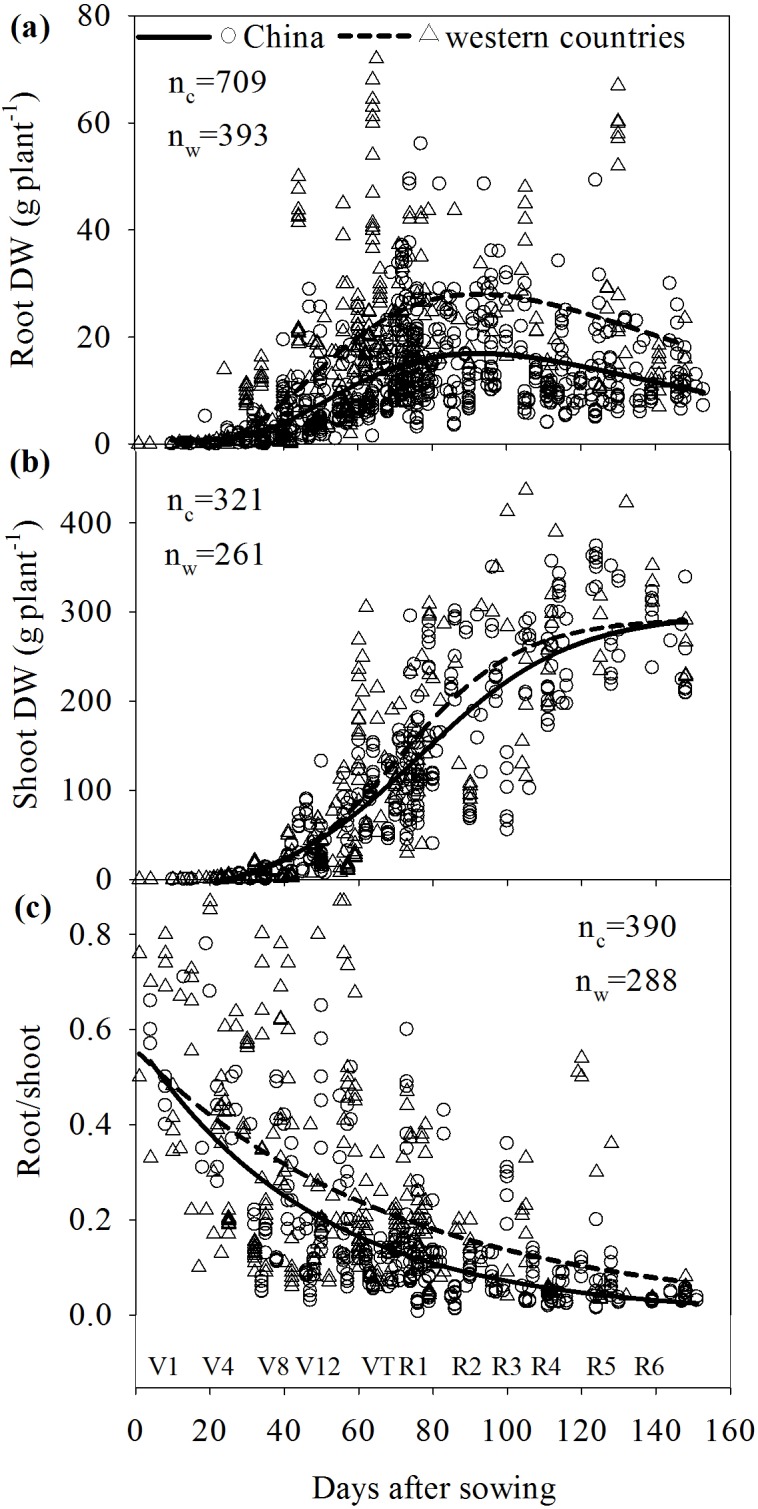
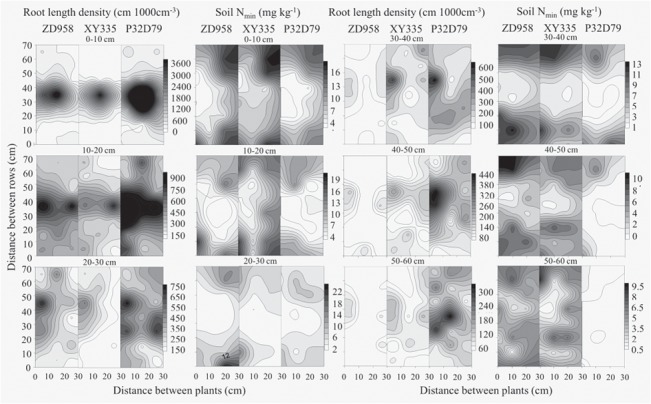
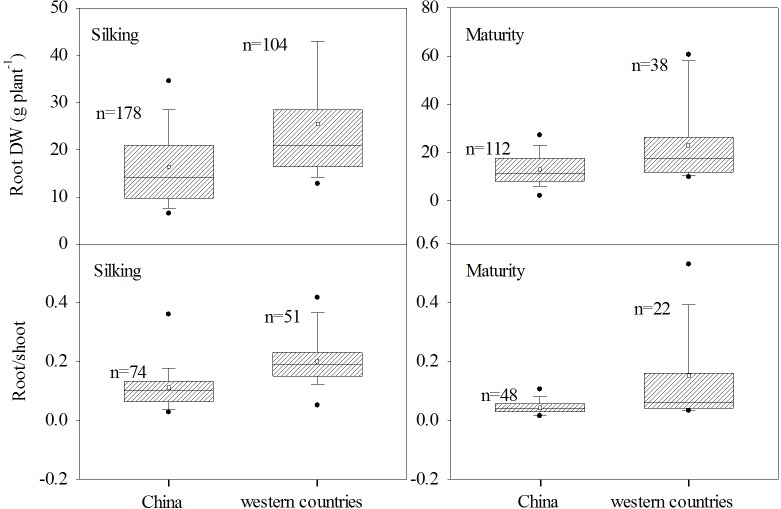
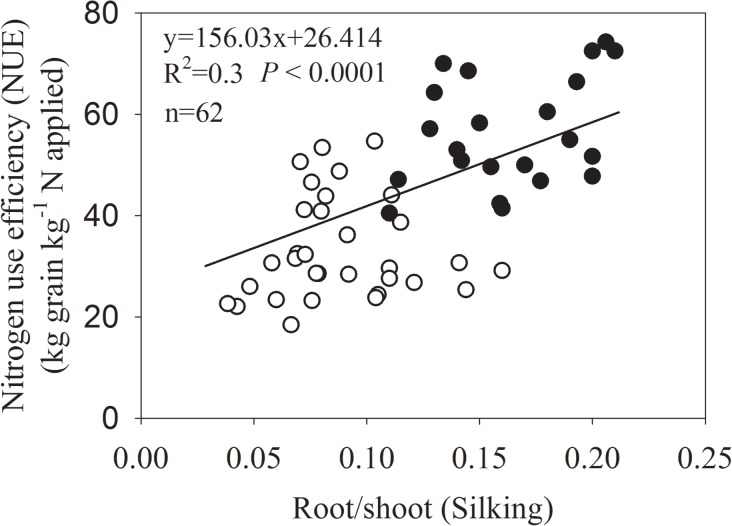
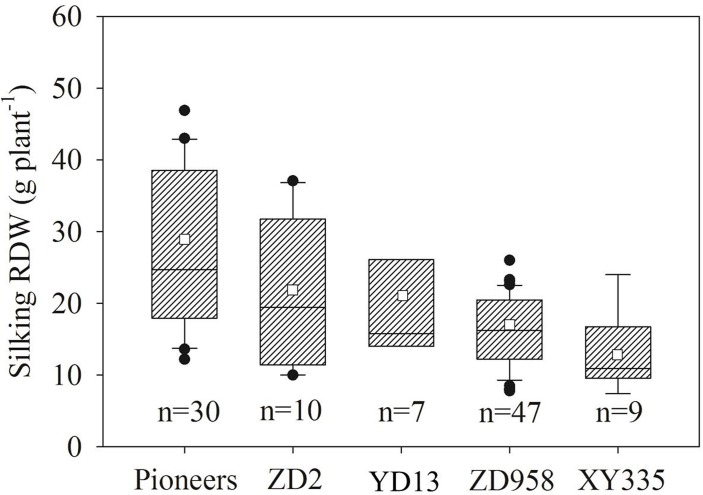
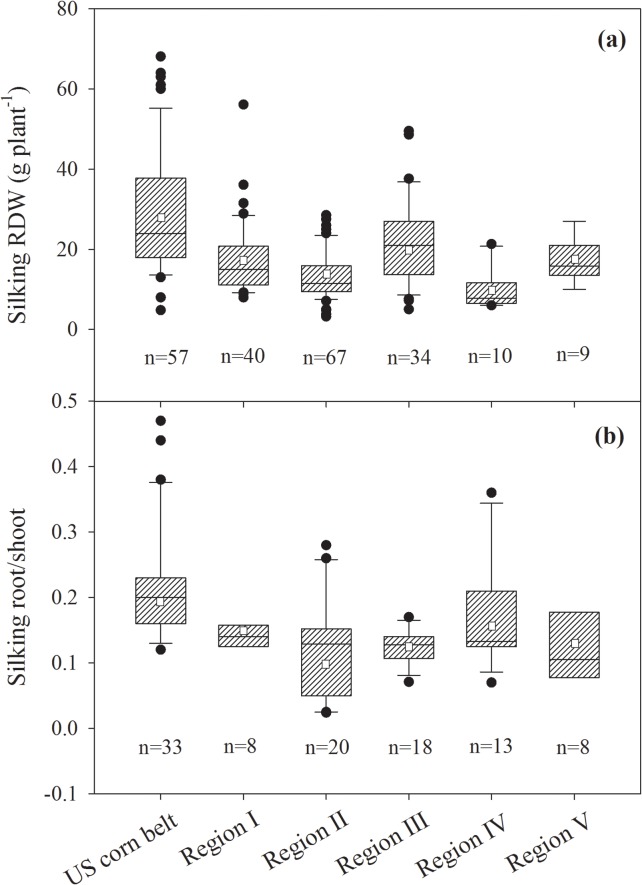
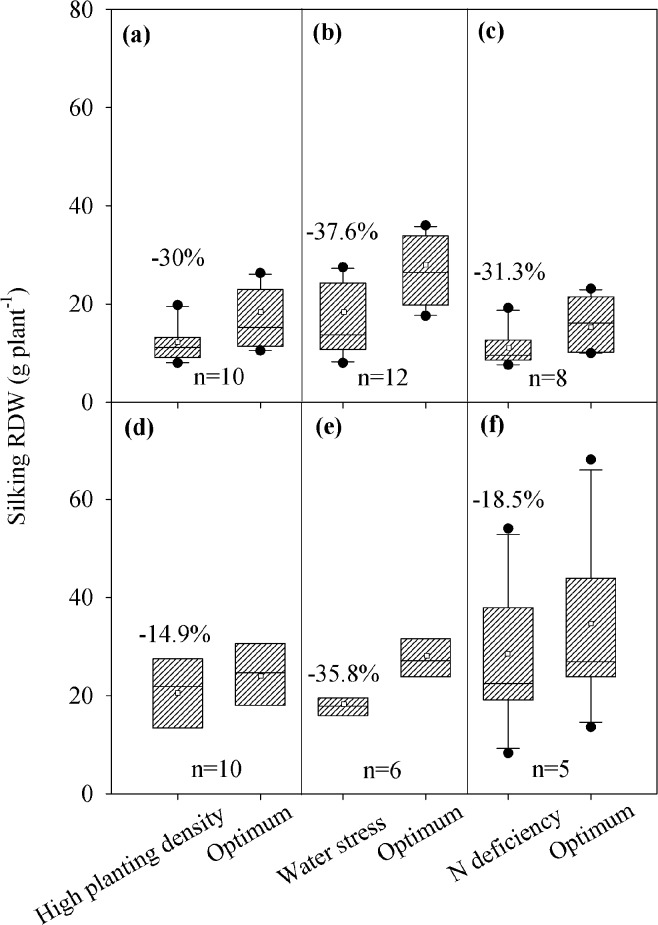
Excessive N fertilization results in low N-use efficiency (NUE) without any yield benefits and can have profound, long-term environmental consequences including soil acidification, N leaching and increased production of greenhouse gases. Improving NUE in crop production has been a longstanding, worldwide challenge. A crucial strategy to improve NUE is to enhance N uptake by roots. Taking maize as a model crop, we have compared root dry weight (RDW), root/shoot biomass ratio (R/S), and NUE of maize grown in the field in China and in western countries using data from 106 studies published since 1959. Detailed analysis revealed that the differences in the RDW and R/S of maize at silking in China and the western countries were not derived from variations in climate, geography, and stress factors. Instead, NUE was positively correlated with R/S and RDW; R/S and NUE of maize varieties grown in western countries were significantly greater than those grown in China. We then testified this conclusion by conducting field trials with representative maize hybrids in China (ZD958 and XY335) and the US (P32D79). We found that US P32D79 had a better root architecture for increased N uptake and removed more mineral N than Chinese cultivars from the 0-60 cm soil profile. Reported data and our field results demonstrate that a large and deep root, with an appropriate architecture and higher stress tolerance (higher plant density, drought and N deficiency), underlies high NUE in maize production. We recommend breeding for these traits to reduce the N-fertilizer use and thus N-leaching in maize production and paying more attention to increase tolerance to stresses in China.
过量施氮会导致氮素利用效率(NUE)低下且无增产效益,还会产生深远的长期环境后果,包括土壤酸化、氮素淋失以及温室气体排放增加。提高作物生产中的氮素利用效率一直是一项长期存在的全球性挑战。提高氮素利用效率的关键策略是增强根系对氮的吸收。以玉米作为模式作物,我们利用1959年以来发表的106项研究的数据,比较了中国和西方国家田间种植玉米的根干重(RDW)、根/茎生物量比(R/S)以及氮素利用效率。详细分析表明,中国和西方国家玉米吐丝期的根干重和根/茎比差异并非源于气候、地理和胁迫因素的变化。相反,氮素利用效率与根/茎比和根干重呈正相关;西方国家种植的玉米品种的根/茎比和氮素利用效率显著高于中国种植的品种。然后,我们通过在中国(郑单958和先玉335)和美国(P32D79)对代表性玉米杂交种进行田间试验来验证这一结论。我们发现,美国的P32D79具有更好的根系结构以增加氮素吸收,并且从0至60厘米土壤剖面中去除的矿质氮比中国品种更多。报告的数据和我们的田间试验结果表明,大而深的根系,具有合适的结构和更高的胁迫耐受性(更高的种植密度、干旱和缺氮耐受性)是玉米生产中高氮素利用效率的基础。我们建议针对这些性状进行育种,以减少玉米生产中的氮肥使用量,从而减少氮素淋失,并在中国更加注重提高对胁迫的耐受性。