Kamuya Dorcas M, Theobald Sally J, Marsh Vicki, Parker Michael, Geissler Wenzel P, Molyneux Sassy C
KEMRI-Wellcome Trust research Programme, Kilifi, Kenya; The Ethox Centre, Nuffield Department of Population Health, University of Oxford, Oxford, United Kingdom.
Department of International Public Health, Liverpool School of Tropical Medicine, Liverpool, United Kingdom.
PLoS One. 2015 May 15;10(5):e0126671. doi: 10.1371/journal.pone.0126671. eCollection 2015.
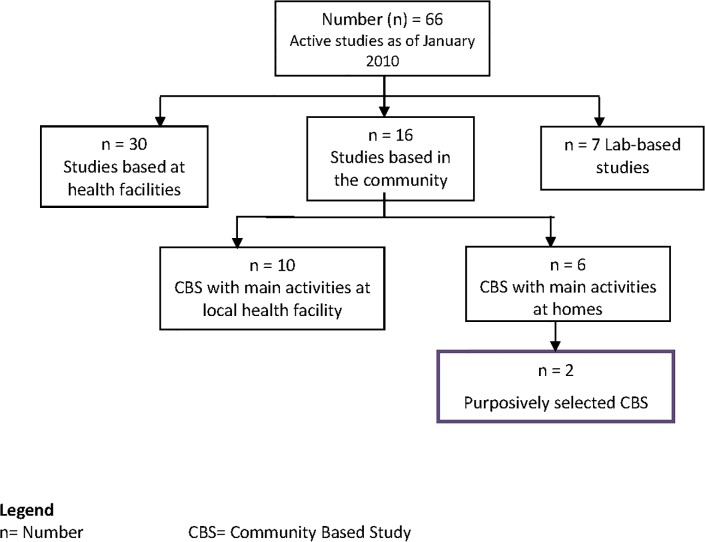
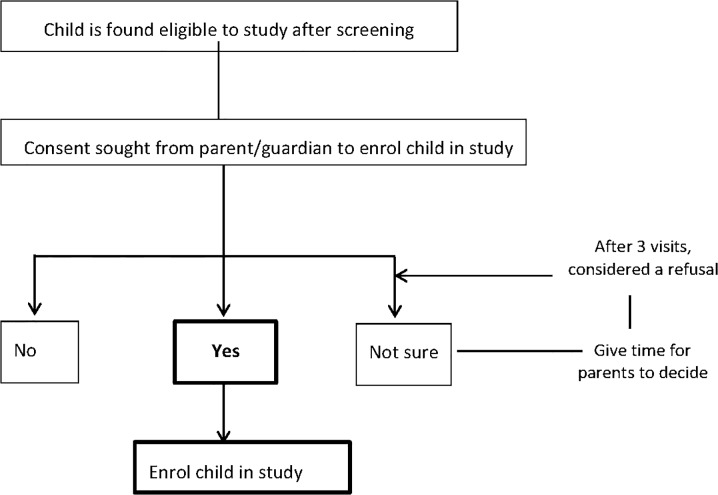
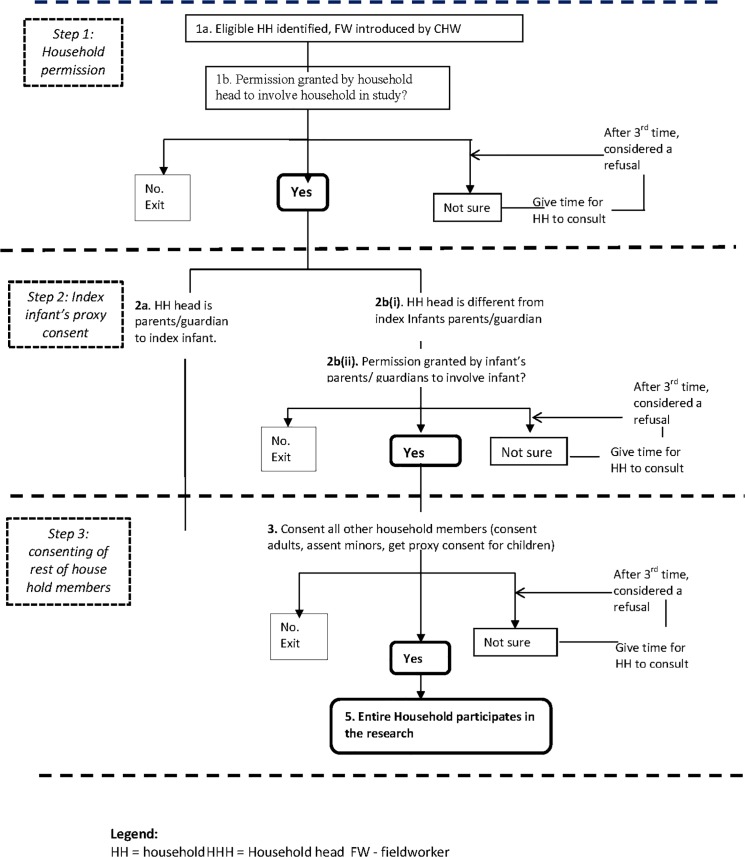
Consent processes have attracted significant research attention over the last decade, including in the global south. Although relevant studies suggest consent is a complex negotiated process involving multiple actors, most guidelines assume consent is a one-off encounter with a clear 'yes' or 'no' decision. In this paper we explore the concept of 'silent refusals', a situation where it is not clear whether potential participants want to join studies or those in studies want to withdraw from research, as they were not actively saying no. We draw on participant observation, in-depth interviews and group discussions conducted with a range of stakeholders in two large community based studies conducted by the KEMRI Wellcome Trust programme in coastal Kenya. We identified three broad inter-related rationales for silent refusals: 1) a strategy to avoid conflicts and safeguard relations within households, - for young women in particular-to appear to conform to the wishes of elders; 2) an approach to maintain friendly, appreciative and reciprocal relationships with fieldworkers, and the broader research programme; and 3) an effort to retain study benefits, either for individuals, whole households or wider communities. That refusals and underlying rationales were silent posed multiple dilemmas for fieldworkers, who are increasingly recognised to play a key interface role between researchers and communities in many settings. Silent refusals reflect and reinforce complex power relations embedded in decisions about research participation, with important implications for consent processes and broader research ethics practice. Fieldworkers need support to reflect upon and respond to the ethically charged environment they work in.
在过去十年中,同意程序吸引了大量研究关注,包括在全球南方地区。尽管相关研究表明同意是一个涉及多个行为主体的复杂协商过程,但大多数指南都假定同意是一次性的遭遇,有明确的“是”或“否”的决定。在本文中,我们探讨“沉默拒绝”的概念,即不清楚潜在参与者是否想参加研究,或者研究中的参与者是否想退出研究,因为他们没有明确说“不”。我们借鉴了在肯尼亚沿海由肯尼亚医学研究协会 - 惠康信托基金项目开展的两项大型社区研究中,与一系列利益相关者进行的参与观察、深入访谈和小组讨论。我们确定了沉默拒绝的三个广泛且相互关联的理由:1)一种避免冲突并维护家庭内部关系的策略,特别是对于年轻女性而言,表现出符合长辈的意愿;2)一种与实地工作者以及更广泛的研究项目保持友好、感激和互惠关系的方式;3)为个人、整个家庭或更广泛社区保留研究利益的努力。拒绝及其潜在理由是沉默的,这给实地工作者带来了多重困境,在许多情况下,他们越来越被认为在研究人员和社区之间起着关键的接口作用。沉默拒绝反映并强化了嵌入在研究参与决策中的复杂权力关系,对同意程序和更广泛的研究伦理实践具有重要影响。实地工作者需要支持来反思并应对他们工作所处的充满伦理挑战的环境。