Myers Stephen A
University of Tasmania (UTAS), School of Health Sciences, Newnham Campus, Launceston, TAS 7250, Australia.
Int J Endocrinol. 2015;2015:167503. doi: 10.1155/2015/167503. Epub 2015 Apr 23.
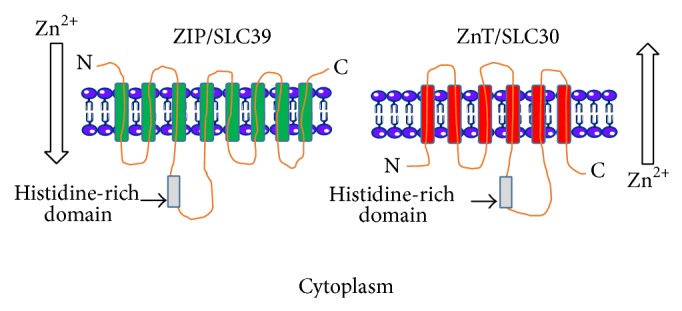
Zinc is an essential trace element that plays a vital role in many biological processes including growth and development, immunity, and metabolism. Recent studies have highlighted zinc's dynamic role as a "cellular second messenger" in the control of insulin signaling and glucose homeostasis. Accordingly, mechanisms that contribute to dysfunctional zinc signaling are suggested to be associated with metabolic disease states including cancer, cardiovascular disease, Alzheimer's disease, and diabetes. The actions of the proteins that control the uptake, storage, and distribution of zinc, the zinc transporters, are under intense investigation due to their emerging role in type 2 diabetes. The synthesis, secretion, and action of insulin are dependent on zinc and the transporters that make this ion available to cellular processes. This suggests that zinc plays a previously unidentified role where changes in zinc status over time may affect insulin activity. This previously unexplored concept would raise a whole new area of research into the pathophysiology of insulin resistance and introduce a new class of drug target with utility for diabetes pharmacotherapy.
锌是一种必需的微量元素,在许多生物过程中发挥着至关重要的作用,包括生长发育、免疫和代谢。最近的研究强调了锌作为“细胞第二信使”在控制胰岛素信号传导和葡萄糖稳态方面的动态作用。因此,导致锌信号传导功能失调的机制被认为与包括癌症、心血管疾病、阿尔茨海默病和糖尿病在内的代谢疾病状态有关。由于锌转运蛋白在2型糖尿病中日益凸显的作用,控制锌摄取、储存和分布的蛋白质(即锌转运蛋白)的作用正在受到深入研究。胰岛素的合成、分泌和作用依赖于锌以及使这种离子可用于细胞过程的转运蛋白。这表明锌发挥了以前未被认识的作用,即随着时间的推移锌状态的变化可能会影响胰岛素活性。这个以前未被探索的概念将引发一个全新的胰岛素抵抗病理生理学研究领域,并引入一类对糖尿病药物治疗有用的新的药物靶点。