Wehbe Edgard, Salem Charbel, Simon James F, Navaneethan Sankar D, Pohl Marc
Department of Nephrology and Hypertension, Glickman Urological and Kidney Institute, Cleveland Clinic, Cleveland, OH, USA.
NDT Plus. 2011 Jun;4(3):181-5. doi: 10.1093/ndtplus/sfr017. Epub 2011 Mar 8.
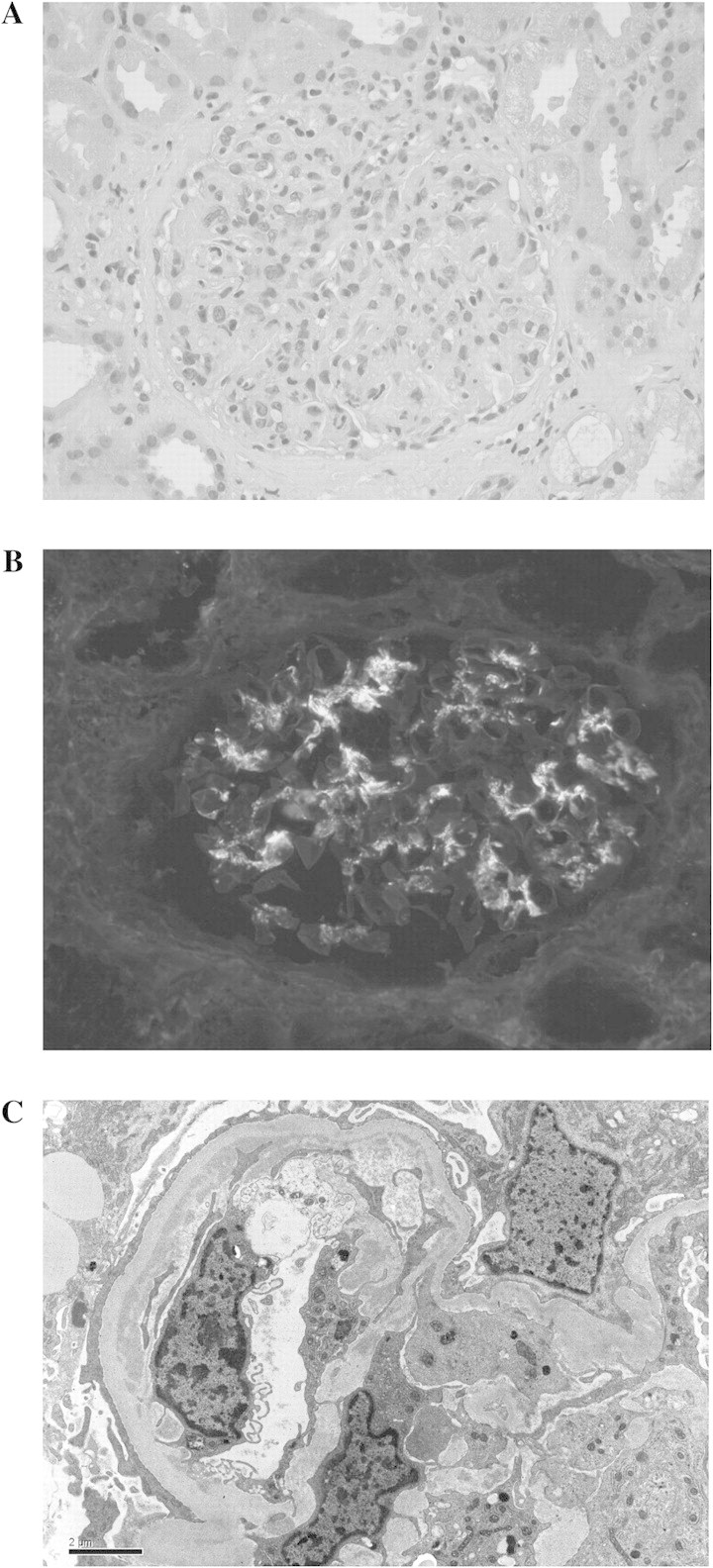
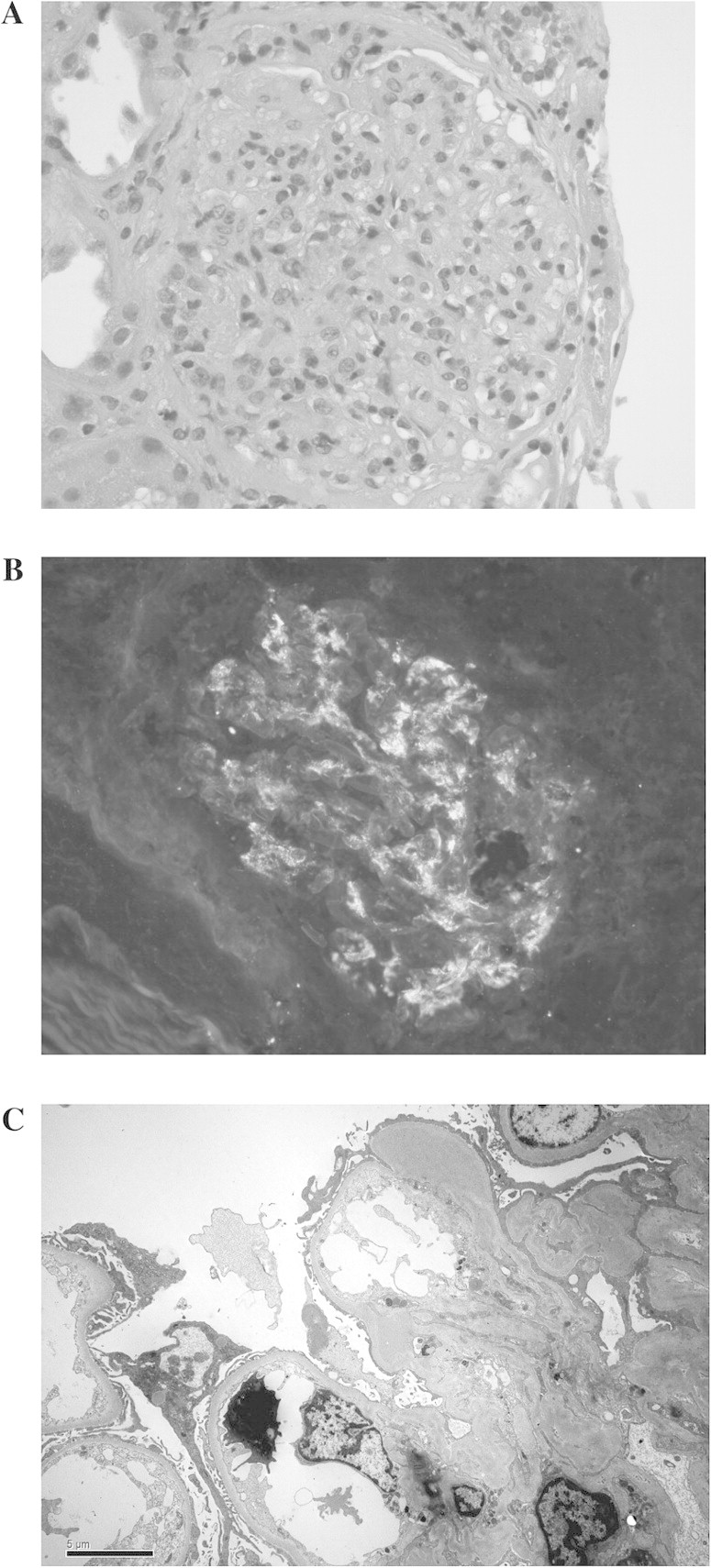
Background and objectives. The mesangial deposition of IgA is rarely described with proliferative glomerulonephritis associated with Staphylococcus infection. Recently, this association has been increasingly recognized possibly due to the increased rate of Staphylococcus infection. Design setting, participants and measurements. We report two cases of methicillin-sensitive Staphylococcus aureus bacteremia associated with acute proliferative glomerulonephritis with dominant mesangial deposit of IgA. We searched MEDLINE (1960-2009) for similar reports. We pooled individual patient data and reported descriptive statistics of all published cases. Results. Forty-six cases were included in the final analysis. The mean age of presentation was 59, with a male predominance (84%). Clinical presentation was notable for rapidly progressive glomerulonephritis with nephrotic-range proteinuria and normal complement levels in 52 and 72%, respectively. Methicillin-resistant S. aureus (68%) was the most common pathogen isolated with a latent period ranging from 1 to 16 weeks. Diffuse mesangial proliferation was commonly found with crescentic lesions noted in 35% of the cases. Antimicrobial treatment was associated with renal recovery in 58% of the cases. Need for renal replacement therapy was significantly associated with pre-existing diabetes, hypertension and interstitial fibrosis seen on kidney biopsy. Conclusions. IgA-dominant post-Staphylococcus glomerulonephritis is a rare clinical entity with certain unique clinical and morphologic features. It is difficult to differentiate from primary IgA nephropathy in cases where the infection is not apparent. An acute onset of rapidly progressive glomerulonephritis, with normal complement levels and deposition of mesangial IgA in an elderly patient should raise suspicion for this rare form of glomerulonephritis.
背景与目的。IgA在系膜区的沉积在与葡萄球菌感染相关的增殖性肾小球肾炎中鲜有描述。近来,这种关联可能由于葡萄球菌感染率上升而越来越受到认可。设计、研究场所、参与者与测量方法。我们报告了2例对甲氧西林敏感的金黄色葡萄球菌菌血症合并急性增殖性肾小球肾炎且IgA在系膜区呈显著沉积的病例。我们检索了MEDLINE(1960 - 2009年)以查找类似报告。我们汇总了个体患者数据并报告了所有已发表病例的描述性统计结果。结果。最终分析纳入了46例病例。就诊时的平均年龄为59岁,男性占优势(84%)。临床表现以快速进展性肾小球肾炎为显著特征,分别有52%和72%的患者出现肾病范围蛋白尿且补体水平正常。耐甲氧西林金黄色葡萄球菌(68%)是最常见的分离病原体,潜伏期为1至16周。常见弥漫性系膜增生,35%的病例可见新月体病变。58%的病例抗菌治疗与肾功能恢复相关。需要肾脏替代治疗与肾活检所见的既往糖尿病、高血压及间质纤维化显著相关。结论。IgA为主的葡萄球菌感染后肾小球肾炎是一种罕见的临床实体,具有某些独特的临床和形态学特征。在感染不明显的情况下,很难与原发性IgA肾病相鉴别。老年患者急性起病的快速进展性肾小球肾炎,补体水平正常且系膜区有IgA沉积,应怀疑这种罕见的肾小球肾炎形式。