Amabile Giovanni, Di Ruscio Annalisa, Müller Fabian, Welner Robert S, Yang Henry, Ebralidze Alexander K, Zhang Hong, Levantini Elena, Qi Lihua, Martinelli Giovanni, Brummelkamp Thijn, Le Beau Michelle M, Figueroa Maria E, Bock Christoph, Tenen Daniel G
1] Harvard Medical School, Boston, Massachusetts 02115, USA [2] Harvard Stem Cell Institute, Harvard University, Cambridge, Massachusetts 02138, USA.
Max Plank Institute for Informatics, Saarbrücken 117599, Germany.
Nat Commun. 2015 May 22;6:7091. doi: 10.1038/ncomms8091.
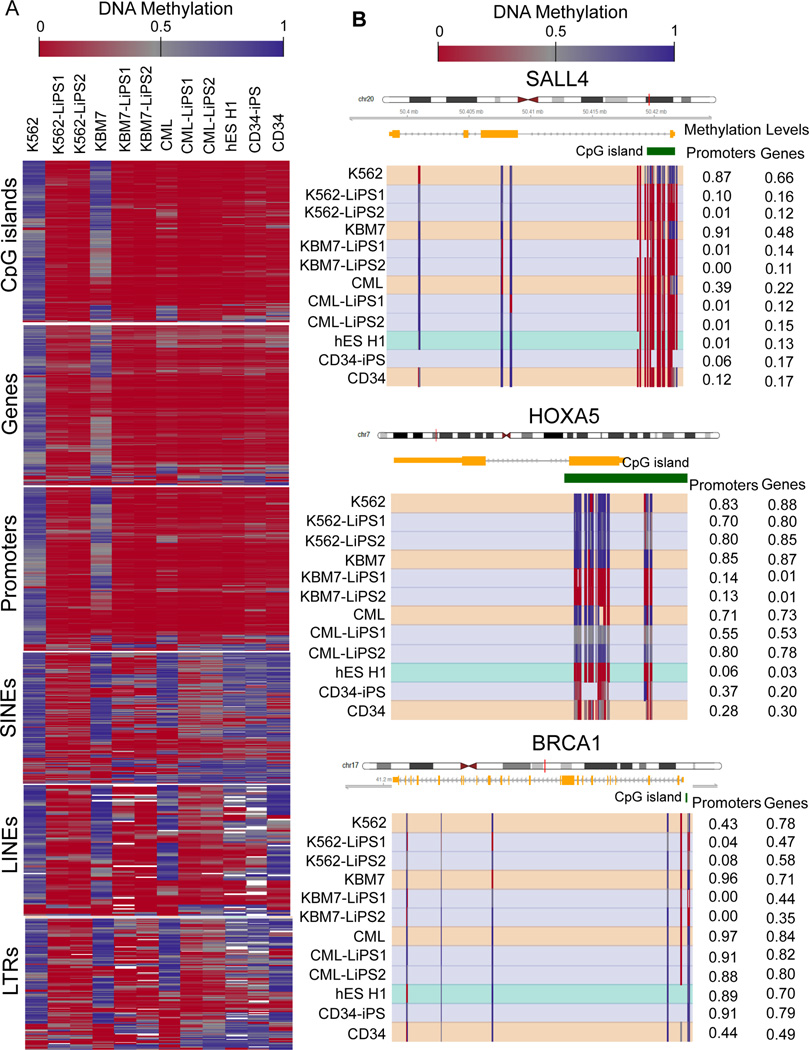
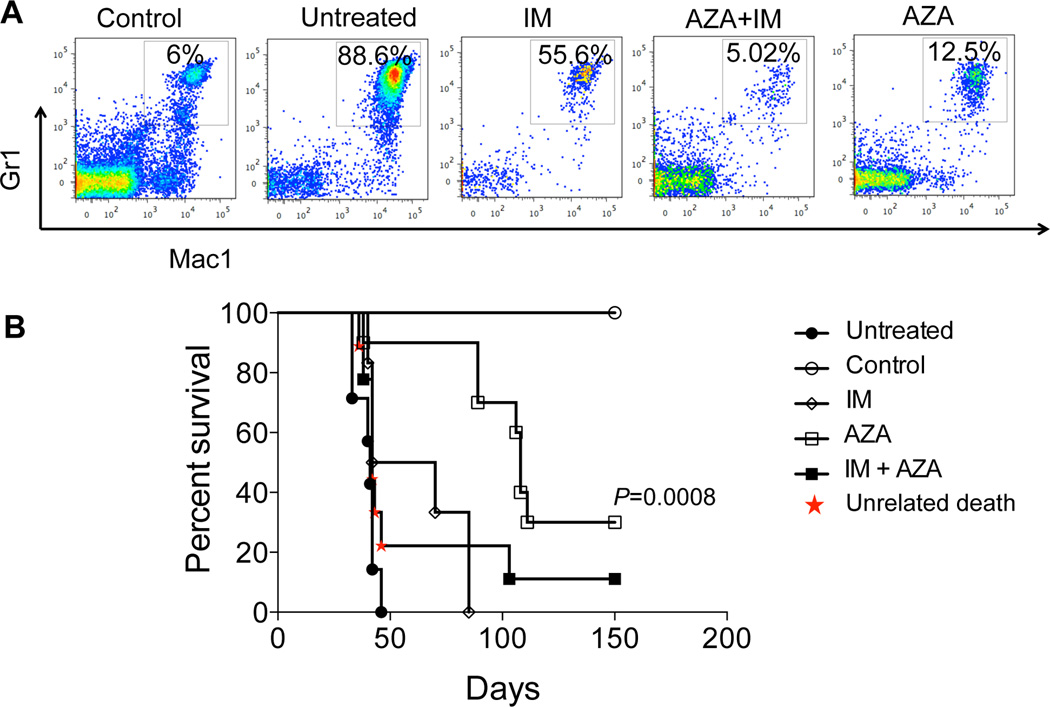
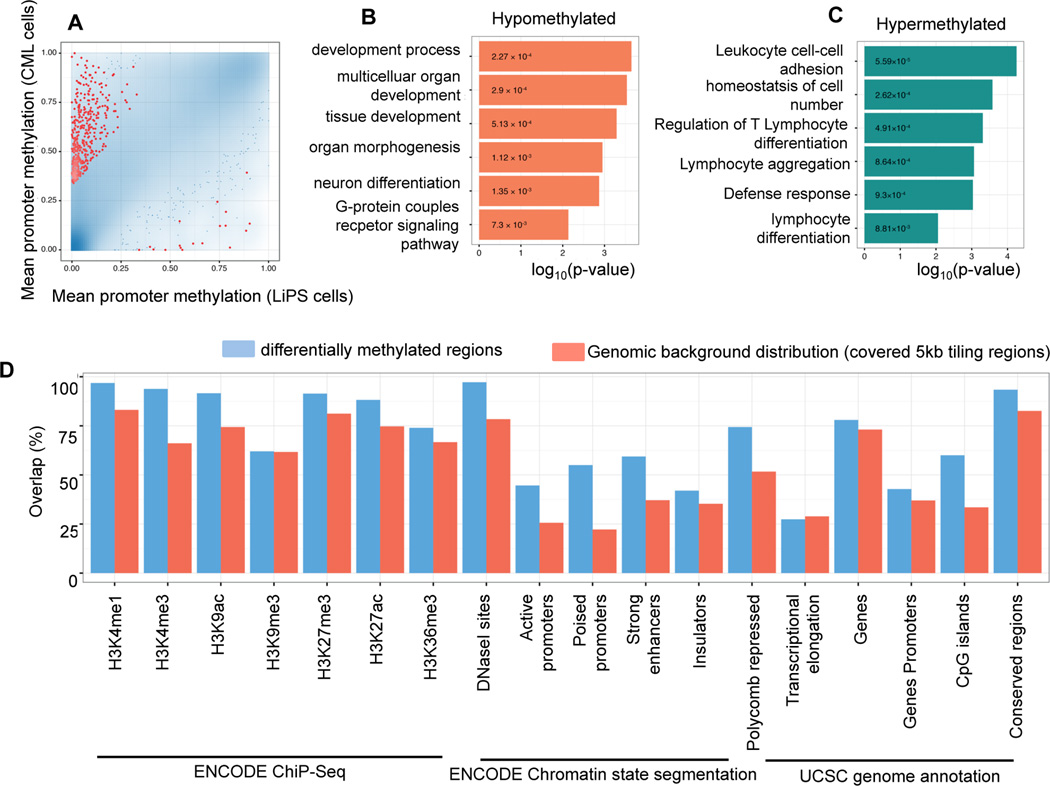
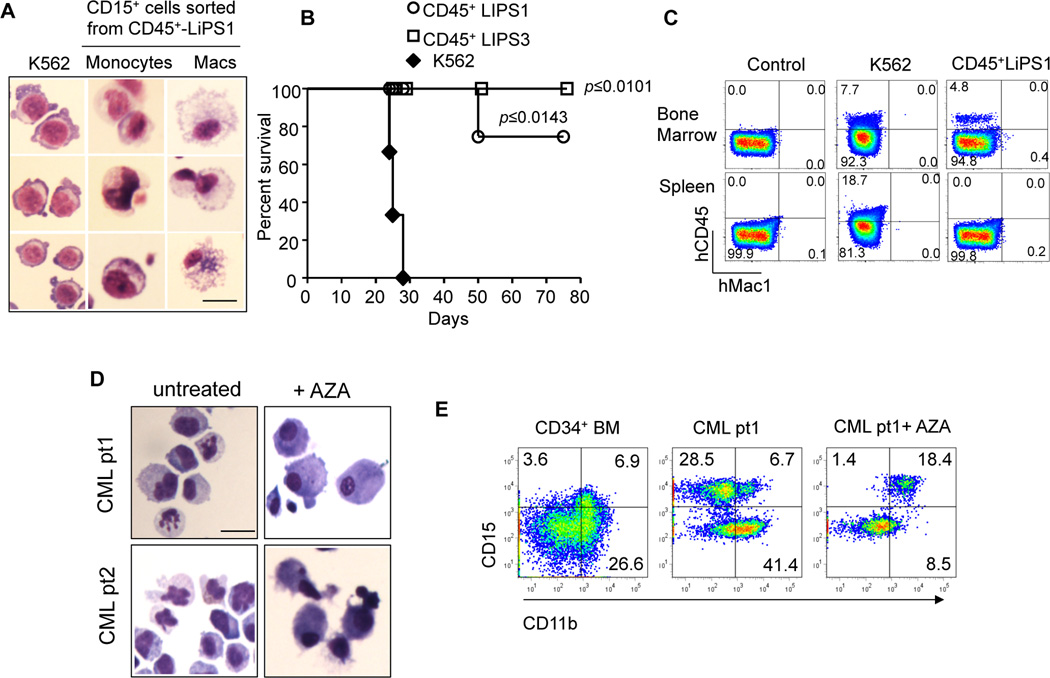
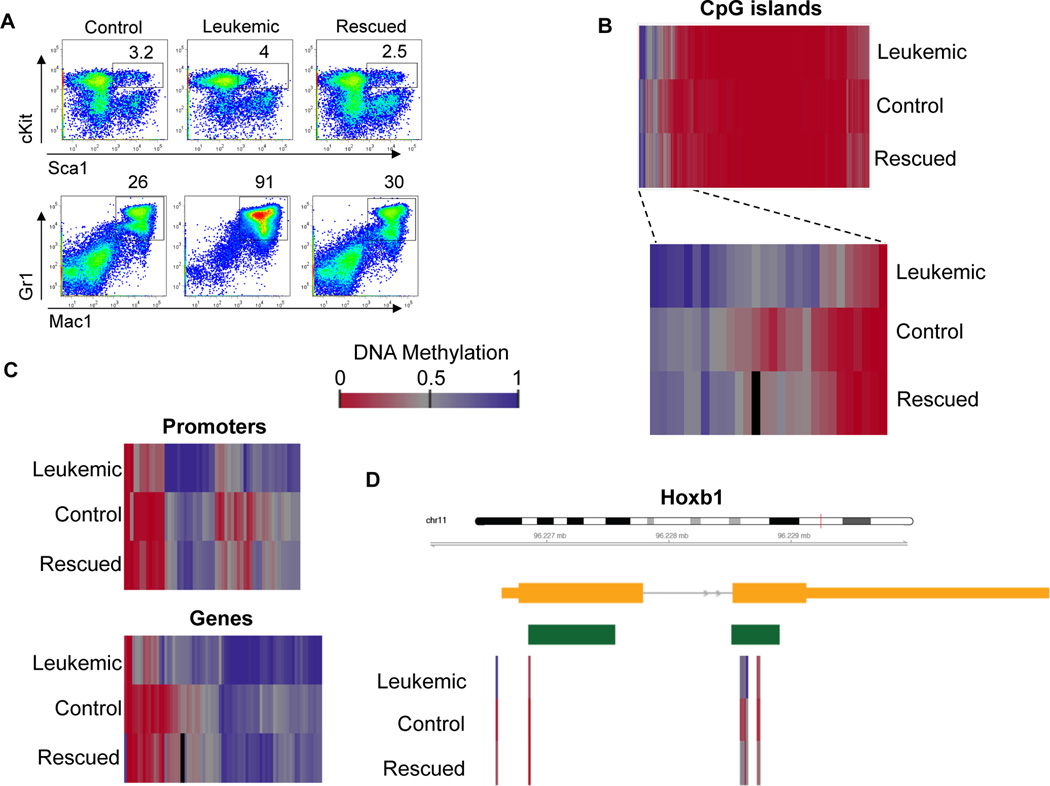
Chronic myeloid leukaemia (CML) is a myeloproliferative disorder characterized by the genetic translocation t(9;22)(q34;q11.2) encoding for the BCR-ABL fusion oncogene. However, many molecular mechanisms of the disease progression still remain poorly understood. A growing body of evidence suggests that the epigenetic abnormalities are involved in tyrosine kinase resistance in CML, leading to leukaemic clone escape and disease propagation. Here we show that, by applying cellular reprogramming to primary CML cells, aberrant DNA methylation contributes to the disease evolution. Importantly, using a BCR-ABL inducible murine model, we demonstrate that a single oncogenic lesion triggers DNA methylation changes, which in turn act as a precipitating event in leukaemia progression.
慢性髓性白血病(CML)是一种骨髓增殖性疾病,其特征是编码BCR-ABL融合致癌基因的遗传易位t(9;22)(q34;q11.2)。然而,该疾病进展的许多分子机制仍知之甚少。越来越多的证据表明,表观遗传异常参与了CML中的酪氨酸激酶耐药性,导致白血病克隆逃逸和疾病传播。在这里,我们表明,通过对原发性CML细胞应用细胞重编程,异常的DNA甲基化有助于疾病的演变。重要的是,使用BCR-ABL诱导型小鼠模型,我们证明单个致癌损伤会触发DNA甲基化变化,而这反过来又成为白血病进展中的一个促发事件。