Chang Run, Sun Linlin, Webster Thomas J
Department of Chemical Engineering, Northeastern University, Boston, MA, USA.
Department of Chemical Engineering, Northeastern University, Boston, MA, USA ; Center of Excellence for Advanced Materials Research, King Abdulaziz University, Jeddah, Saudi Arabia.
Int J Nanomedicine. 2015 May 5;10:3351-65. doi: 10.2147/IJN.S78756. eCollection 2015.
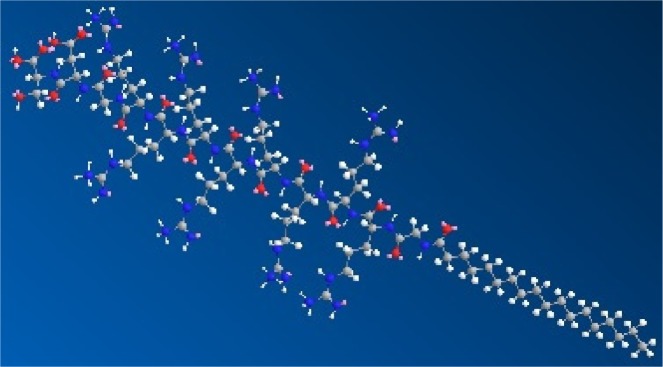
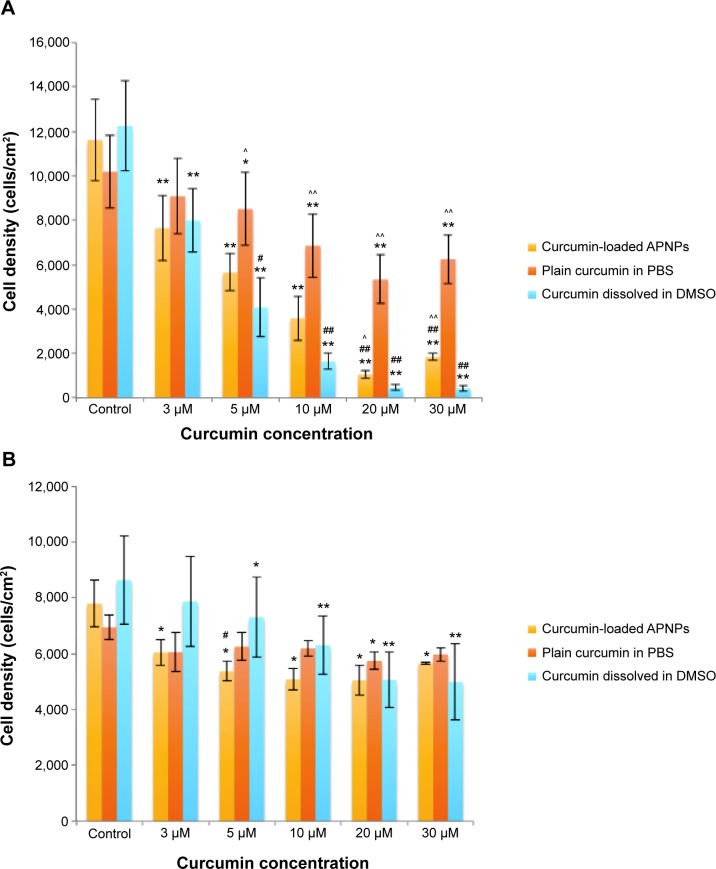
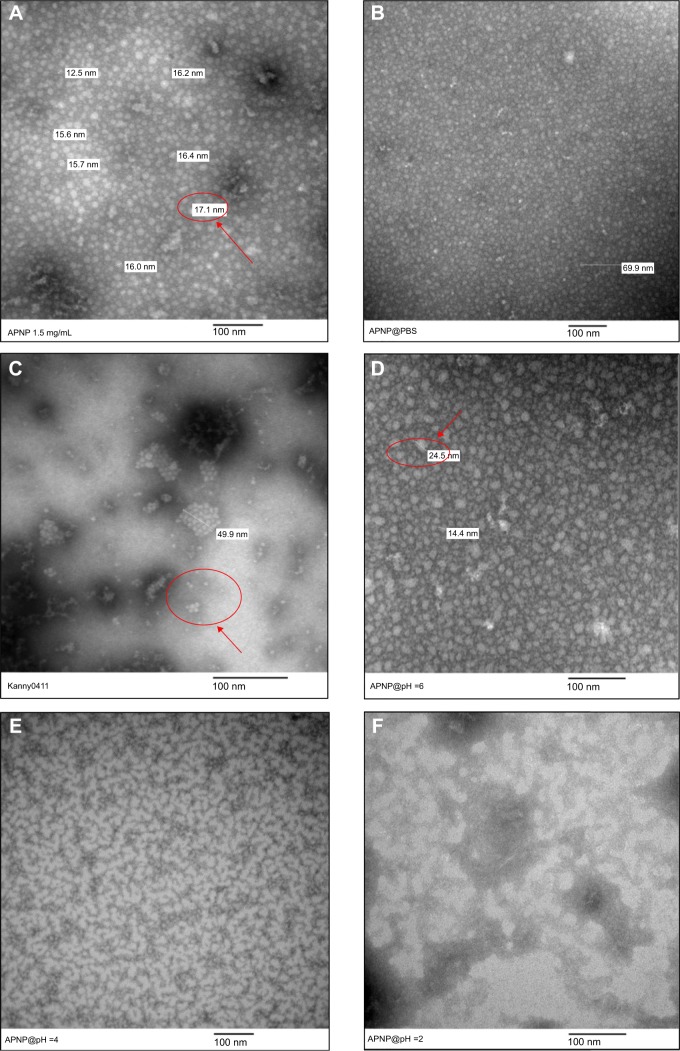
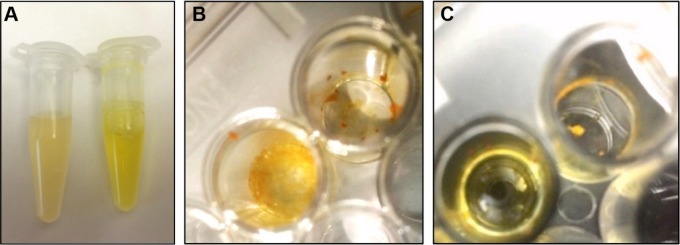
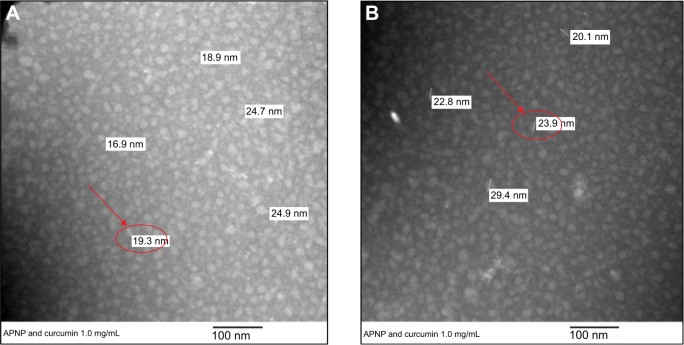
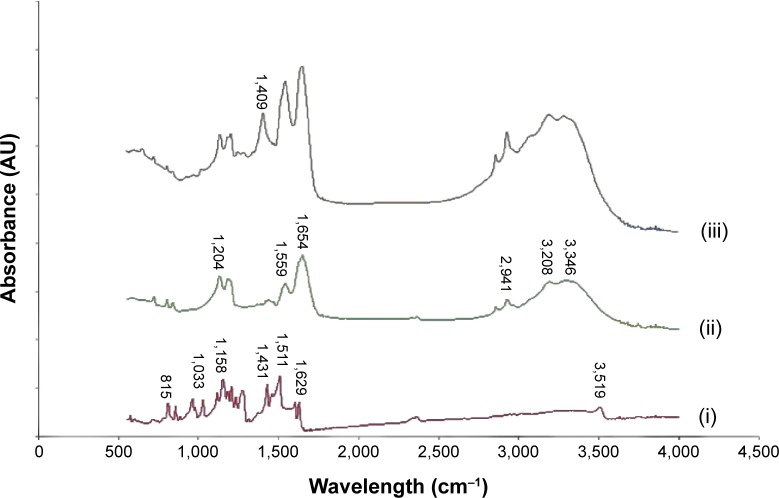
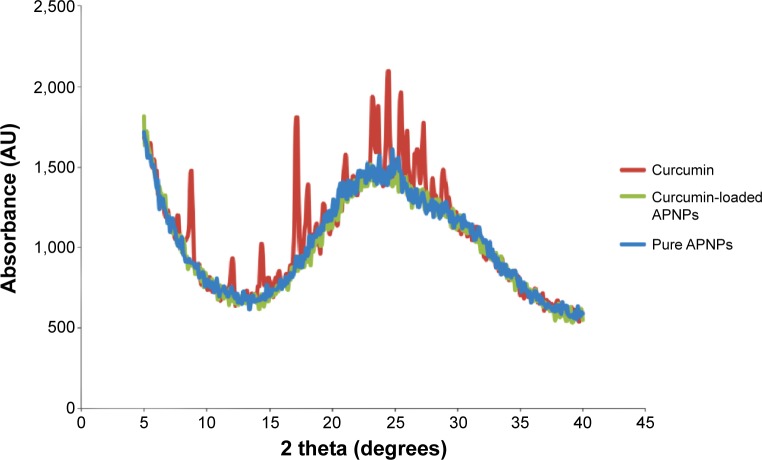
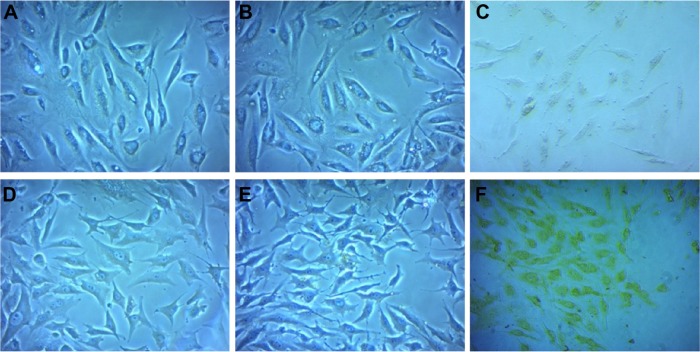
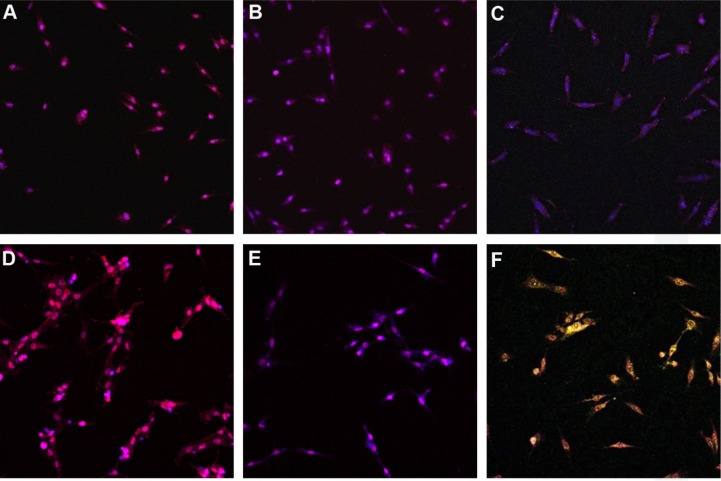
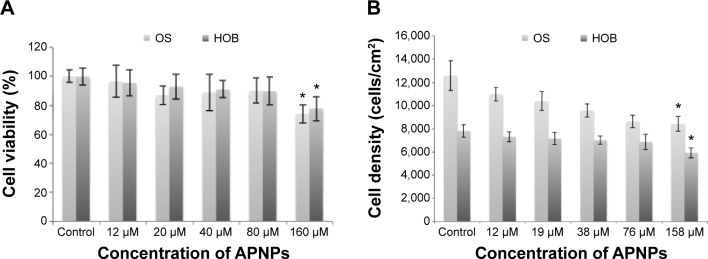
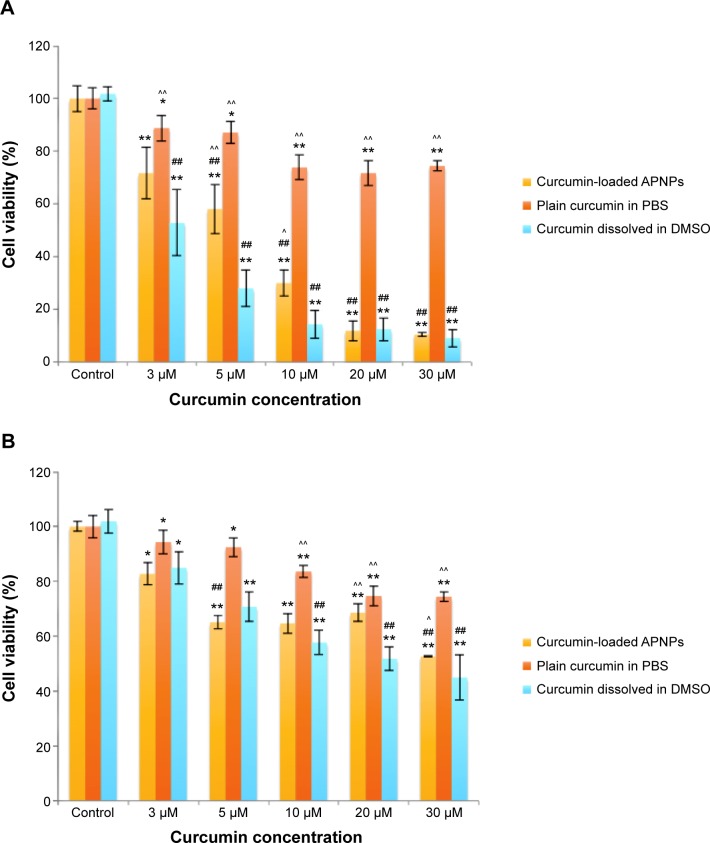
Osteosarcoma is the most frequent primary malignant form of bone cancer, comprising 30% of all bone cancer cases. The objective of this in vitro study was to develop a treatment against osteosarcoma with higher selectivity toward osteosarcoma cells and lower cytotoxicity toward normal healthy osteoblast cells. Curcumin (or diferuloylmethane) has been found to have antioxidant and anticancer effects by multiple cellular pathways. However, it has lower water solubility and a higher degradation rate in alkaline conditions. In this study, the amphiphilic peptide C18GR7RGDS was used as a curcumin carrier in aqueous solution. This peptide contains a hydrophobic aliphatic tail group leading to their self-assembly by hydrophobic interactions, as well as a hydrophilic head group composed of an arginine-rich and an arginine-glycine-aspartic acid structure. Through characterization by transmission electron microscopy, self-assembled structures of spherical amphiphilic nanoparticles (APNPs) with diameters of 10-20 nm in water and phosphate-buffered saline were observed, but this structure dissociated when the pH value was reduced to 4. Using a method of codissolution with acetic acid and dialysis tubing, the solubility of curcumin was enhanced and a homogeneous solution was formed in the presence of APNPs. Successful encapsulation of curcumin in APNPs was then confirmed by Fourier transform infrared and X-ray diffraction analyses. The cytotoxicity and cellular uptake of the APNP/curcumin complexes on both osteosarcoma and normal osteoblast cell lines were also evaluated by methyl-thiazolyl-tetrazolium assays and confocal fluorescence microscopy. The results showed that the curcumin-loaded APNPs had significant selective cytotoxicity against MG-63 osteosarcoma cells when compared with normal osteoblasts. We have demonstrated for the first time that APNPs can encapsulate hydrophobic curcumin in their hydrophobic cores, and curcumin-loaded APNPs could be an innovative treatment for the selective inhibition of osteosarcoma cells.
骨肉瘤是最常见的原发性恶性骨癌形式,占所有骨癌病例的30%。这项体外研究的目的是开发一种针对骨肉瘤的治疗方法,该方法对骨肉瘤细胞具有更高的选择性,对正常健康的成骨细胞具有更低的细胞毒性。姜黄素(或二阿魏酰甲烷)已被发现通过多种细胞途径具有抗氧化和抗癌作用。然而,它的水溶性较低,在碱性条件下降解率较高。在本研究中,两亲性肽C18GR7RGDS被用作水溶液中姜黄素的载体。该肽含有一个疏水性脂肪族尾基,通过疏水相互作用导致其自组装,以及一个由富含精氨酸和精氨酸-甘氨酸-天冬氨酸结构组成的亲水头基。通过透射电子显微镜表征,在水和磷酸盐缓冲盐溶液中观察到直径为10-20nm的球形两亲性纳米颗粒(APNP)的自组装结构,但当pH值降至4时该结构解离。使用乙酸共溶解和透析管的方法,姜黄素的溶解度得到提高,并在APNP存在下形成均匀溶液。然后通过傅里叶变换红外光谱和X射线衍射分析证实姜黄素成功包封在APNP中。还通过甲基噻唑基四氮唑测定法和共聚焦荧光显微镜评估了APNP/姜黄素复合物对骨肉瘤和正常成骨细胞系的细胞毒性和细胞摄取。结果表明,与正常成骨细胞相比,负载姜黄素的APNP对MG-63骨肉瘤细胞具有显著的选择性细胞毒性。我们首次证明APNP可以在其疏水核心中包封疏水性姜黄素,并且负载姜黄素的APNP可能是一种选择性抑制骨肉瘤细胞的创新治疗方法。