Liu Jinsong, Zeng Youyun, Shi Shuai, Xu Lihua, Zhang Hualin, Pathak Janak L, Pan Yihuai
School and Hospital of Stomatology.
Institute of Biomedical Engineering, School of Ophthalmology & Optometry and Eye Hospital, Wenzhou Medical University.
Int J Nanomedicine. 2017 May 8;12:3561-3575. doi: 10.2147/IJN.S133787. eCollection 2017.
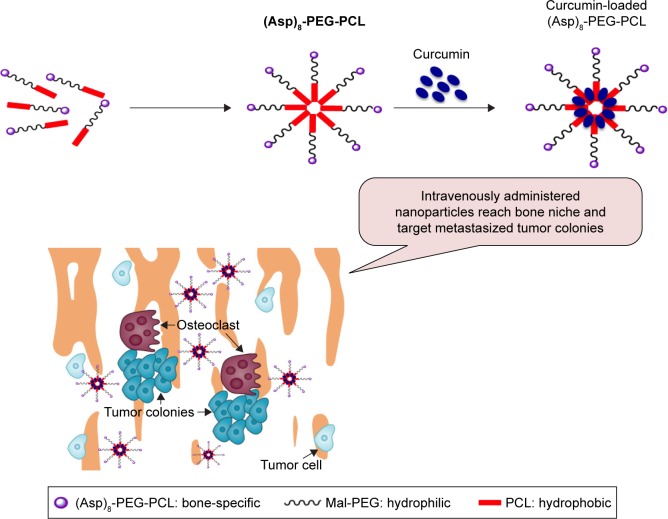
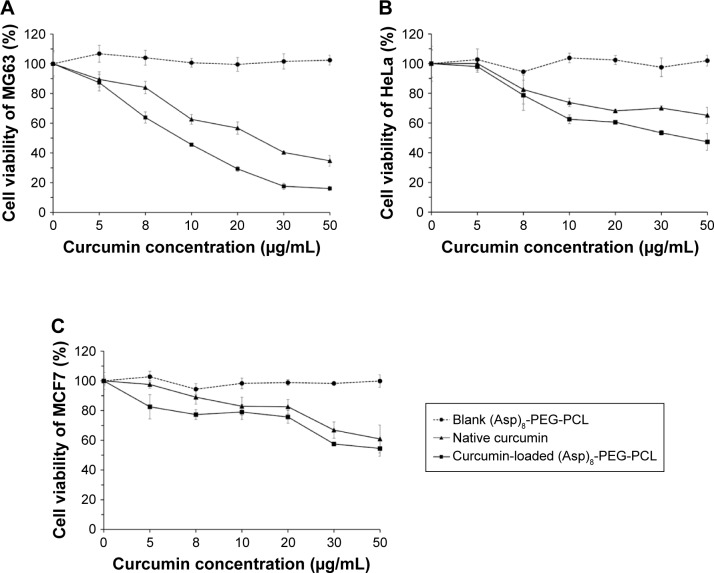
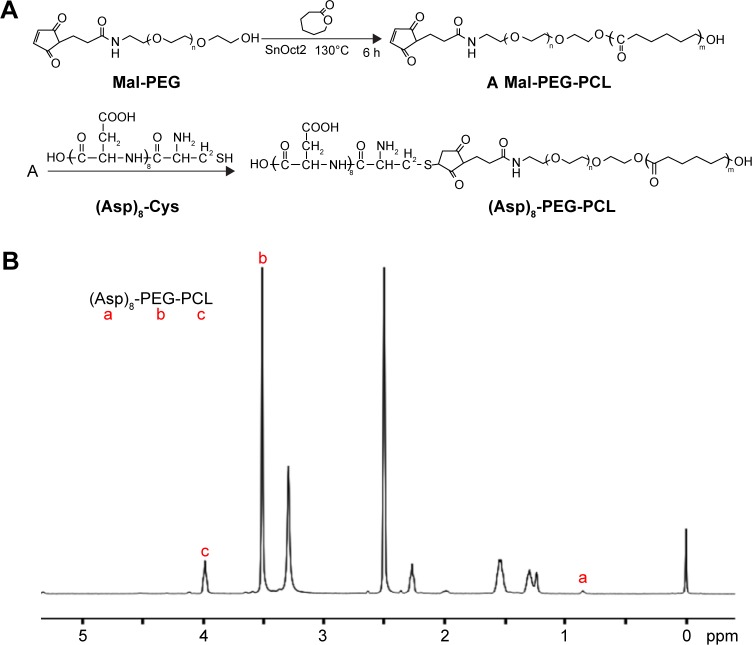
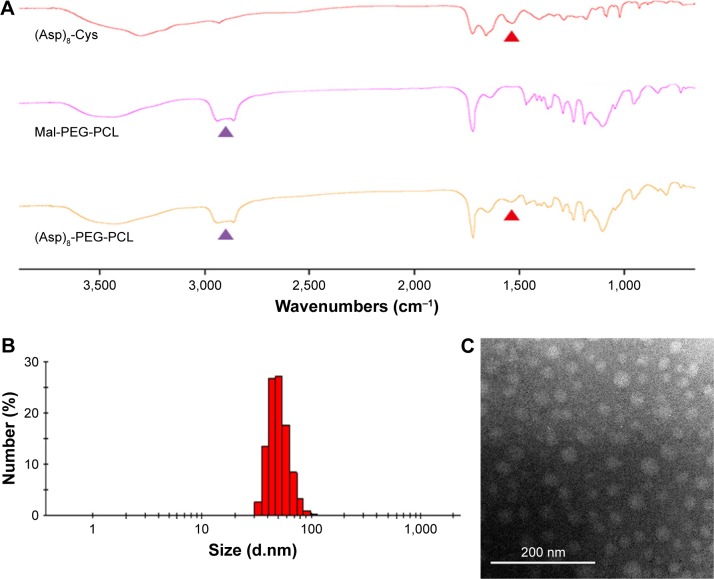
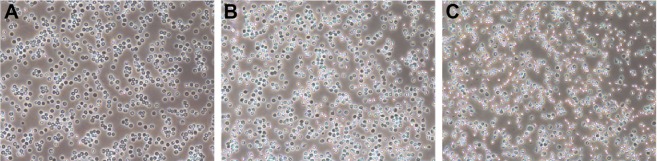
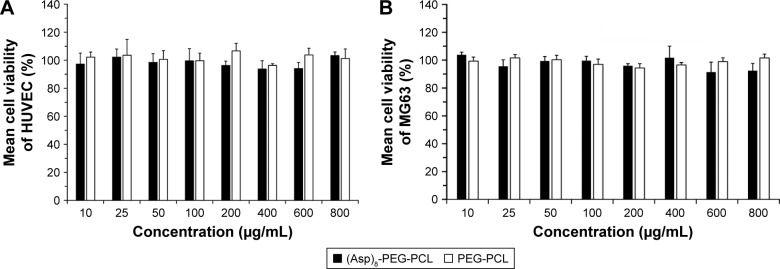
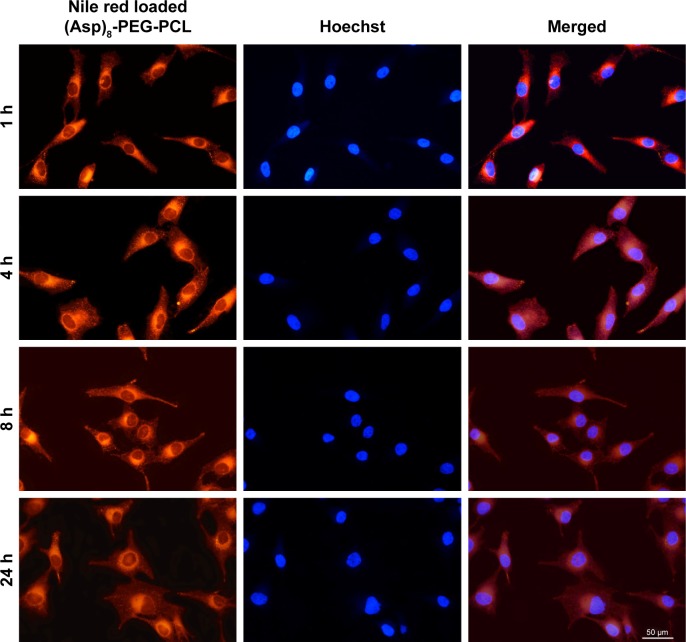
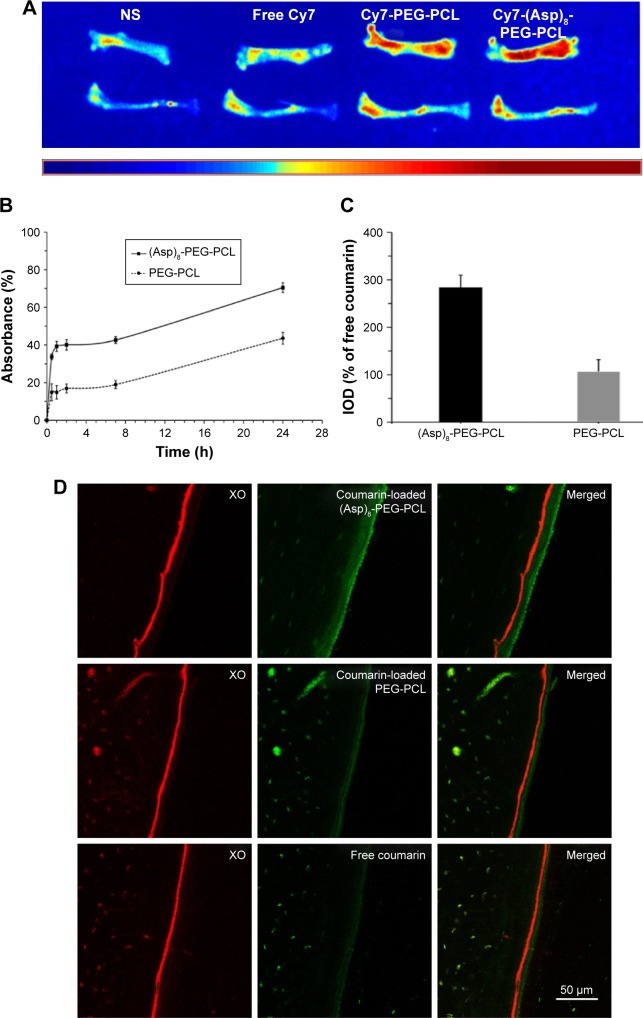
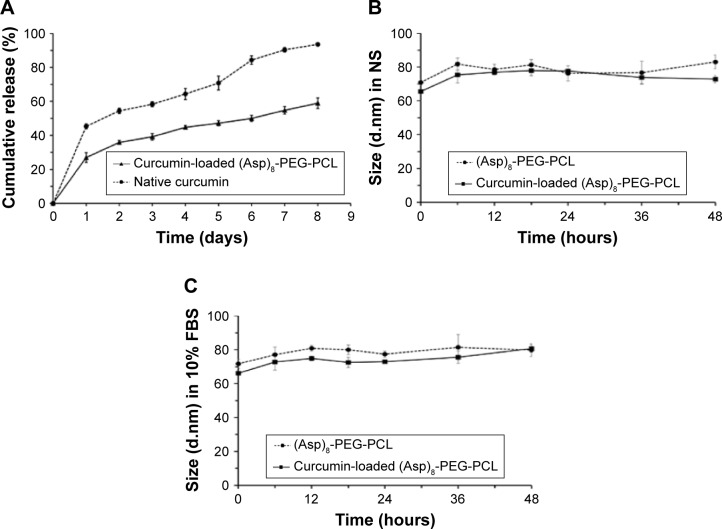
Treatment of cancer metastasized to bone is still a challenge due to hydrophobicity, instability, and lack of target specificity of anticancer drugs. Poly (ethylene glycol)-poly (ε-caprolactone) polymer (PEG-PCL) is an effective, biodegradable, and biocompatible hydrophobic drug carrier, but lacks bone specificity. Polyaspartic acid with eight peptide sequences, that is, (Asp), has a strong affinity to bone surface. The aim of this study was to synthesize (Asp)-PEG-PCL nanoparticles as a bone-specific carrier of hydrophobic drugs to treat cancer metastasized to bone. H nuclear magnetic resonance, Fourier transform infrared spectroscopy, and transmission electron microscopy data showed that (Asp)-PEG-PCL nanoparticles (size 100 nm) were synthesized successfully. (Asp)-PEG-PCL nanoparticles did not promote erythrocyte aggregation. Fluorescence microscopy showed clear uptake of Nile red-loaded (Asp)-PEG-PCL nanoparticles by cancer cells. (Asp)-PEG-PCL nanoparticles did not show cytotoxic effect on MG63 and human umbilical vein endothelial cells at the concentration of 10-800 μg/mL. (Asp)-PEG-PCL nanoparticles bound with hydroxyapatite 2-fold more than PEG-PCL. Intravenously injected (Asp)-PEG-PCL nanoparticles accumulated 2.7-fold more on mice tibial bone, in comparison to PEG-PCL. Curcumin is a hydrophobic anticancer drug with bone anabolic properties. Curcumin was loaded in the (Asp)-PEG-PCL. (Asp)-PEG-PCL showed 11.07% loading capacity and 95.91% encapsulation efficiency of curcumin. The curcumin-loaded (Asp)-PEG-PCL nanoparticles gave sustained release of curcumin in high dose for >8 days. The curcumin-loaded (Asp)-PEG-PCL nanoparticles showed strong antitumorigenic effect on MG63, MCF7, and HeLa cancer cells. In conclusion, (Asp)-PEG-PCL nanoparticles were biocompatible, permeable in cells, a potent carrier, and an efficient releaser of hydrophobic anticancer drug and were bone specific. The curcumin-loaded (Asp)-PEG-PCL nanoparticles showed strong antitumorigenic ability in vitro. Therefore, (Asp)-PEG-PCL nanoparticles could be a potent carrier of hydrophobic anticancer drugs to treat the cancer metastasized to bone.
由于抗癌药物具有疏水性、不稳定性且缺乏靶点特异性,癌症骨转移的治疗仍然是一项挑战。聚(乙二醇)-聚(ε-己内酯)聚合物(PEG-PCL)是一种有效、可生物降解且具有生物相容性的疏水性药物载体,但缺乏骨特异性。带有八个肽序列的聚天冬氨酸,即(Asp),对骨表面具有很强的亲和力。本研究的目的是合成(Asp)-PEG-PCL纳米颗粒,作为疏水性药物的骨特异性载体,用于治疗癌症骨转移。氢核磁共振、傅里叶变换红外光谱和透射电子显微镜数据表明,成功合成了(Asp)-PEG-PCL纳米颗粒(尺寸为100 nm)。(Asp)-PEG-PCL纳米颗粒不会促进红细胞聚集。荧光显微镜显示癌细胞对尼罗红负载的(Asp)-PEG-PCL纳米颗粒有明显摄取。在10 - 800 μg/mL浓度下,(Asp)-PEG-PCL纳米颗粒对MG63和人脐静脉内皮细胞未显示出细胞毒性作用。(Asp)-PEG-PCL纳米颗粒与羟基磷灰石的结合能力是PEG-PCL的2倍。与PEG-PCL相比,静脉注射的(Asp)-PEG-PCL纳米颗粒在小鼠胫骨上的蓄积量多2.7倍。姜黄素是一种具有骨合成代谢特性的疏水性抗癌药物。姜黄素被负载到(Asp)-PEG-PCL中。(Asp)-PEG-PCL对姜黄素的负载量为11.07%,包封率为95.91%。负载姜黄素的(Asp)-PEG-PCL纳米颗粒在高剂量下能持续释放姜黄素超过8天。负载姜黄素的(Asp)-PEG-PCL纳米颗粒对MG63、MCF7和HeLa癌细胞显示出强大的抗肿瘤作用。总之,(Asp)-PEG-PCL纳米颗粒具有生物相容性、可渗透进入细胞、是一种有效的载体,并且是疏水性抗癌药物的高效释放剂,且具有骨特异性。负载姜黄素的(Asp)-PEG-PCL纳米颗粒在体外显示出强大的抗肿瘤能力。因此,(Asp)-PEG-PCL纳米颗粒可能是治疗癌症骨转移的疏水性抗癌药物的有效载体。