Wong Ryan Y, Lamm Melissa S, Godwin John
Department of Biological Sciences, W.M. Keck Center for Behavioral Biology, North Carolina State University, Box 7614, Raleigh, NC 27695-7614, USA.
Current Address: Department of Biology, University of Nebraska at Omaha, Omaha, NE 68182, USA.
BMC Genomics. 2015 Jun 2;16(1):425. doi: 10.1186/s12864-015-1626-x.
Animals experience stress in many contexts and often successfully cope. Individuals exhibiting the proactive versus reactive stress coping styles display qualitatively different behavioral and neuroendocrine responses to stressors. The predisposition to exhibiting a particular coping style is due to genetic and environmental factors. In this study we explore the neurotranscriptomic and gene network biases that are associated with differences between zebrafish (Danio rerio) lines selected for proactive and reactive coping styles and reared in a common garden environment.
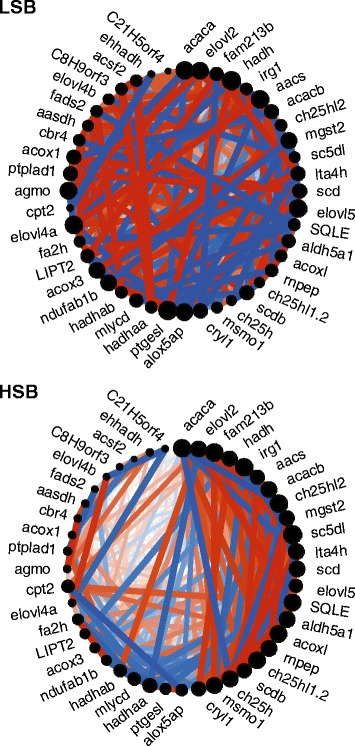
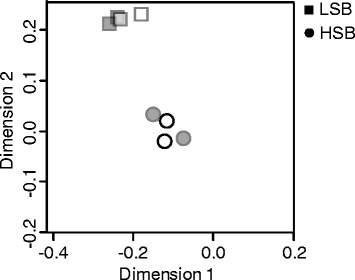
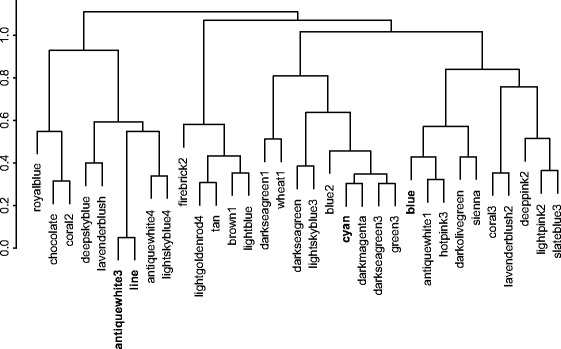
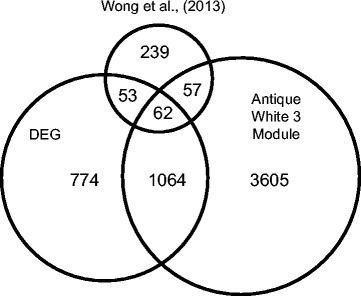
Using RNA-sequencing we quantified the basal transcriptomes from the brains of wild-derived zebrafish lines selectively bred to exhibit the proactive or reactive stress coping style. We identified 1953 genes that differed in baseline gene expression levels. Weighted gene coexpression network analyses identified one gene module associated with line differences. Together with our previous pharmacological experiment, we identified a core set of 62 genes associated with line differences. Gene ontology analyses reveal that many of these core genes are implicated in neurometabolism (e.g. organic acid biosynthetic and fatty acid metabolic processes).
Our results show that proactive and reactive stress coping individuals display distinct basal neurotranscriptomic states. Differences in baseline expression of select genes or regulation of specific gene modules are linked to the magnitude of the behavioral response and the display of a coping style, respectively. Our results expand the molecular mechanisms of stress coping from one focused on the neurotransmitter systems to a more complex system that involves an organism's capability to handle neurometabolic loads and allows for comparisons with other animal taxa to uncover potential conserved mechanisms.
动物在多种情境下会经历压力,且通常能成功应对。表现出主动型与反应型应激应对方式的个体对压力源会表现出质的不同的行为和神经内分泌反应。表现出特定应对方式的倾向归因于遗传和环境因素。在本研究中,我们探究了与在共同养殖环境中饲养的、因主动型和反应型应对方式而被选择的斑马鱼品系之间差异相关的神经转录组学和基因网络偏差。
我们使用RNA测序对野生来源的斑马鱼品系大脑的基础转录组进行了定量分析,这些品系经过选择性培育以表现出主动型或反应型应激应对方式。我们鉴定出1953个基因,其基线基因表达水平存在差异。加权基因共表达网络分析确定了一个与品系差异相关的基因模块。结合我们之前的药理学实验,我们鉴定出一组62个与品系差异相关的核心基因。基因本体分析表明,这些核心基因中的许多都与神经代谢有关(例如有机酸生物合成和脂肪酸代谢过程)。
我们的结果表明,主动型和反应型应激应对个体表现出不同的基础神经转录组状态。特定基因的基线表达差异或特定基因模块的调控分别与行为反应的程度和应对方式的表现相关。我们的结果将应激应对的分子机制从专注于神经递质系统扩展到一个更复杂的系统,该系统涉及生物体处理神经代谢负荷的能力,并允许与其他动物类群进行比较以揭示潜在的保守机制。