Purcell Robert H, Engle Ronald E, Govindarajan Sugantha, Herbert Richard, St Claire Marisa, Elkins William R, Cook Anthony, Shaver Charlene, Beauregard Michelle, Swerczek Joanne, Emerson Suzanne U
National Institute of Allergy and Infectious Diseases, National Institutes of Health , Bethesda, MD 20892, USA.
Rancho Los Amigos Hospital , Downey, CA 90242, USA.
Emerg Microbes Infect. 2013 Mar;2(3):e9. doi: 10.1038/emi.2013.9. Epub 2013 Mar 13.
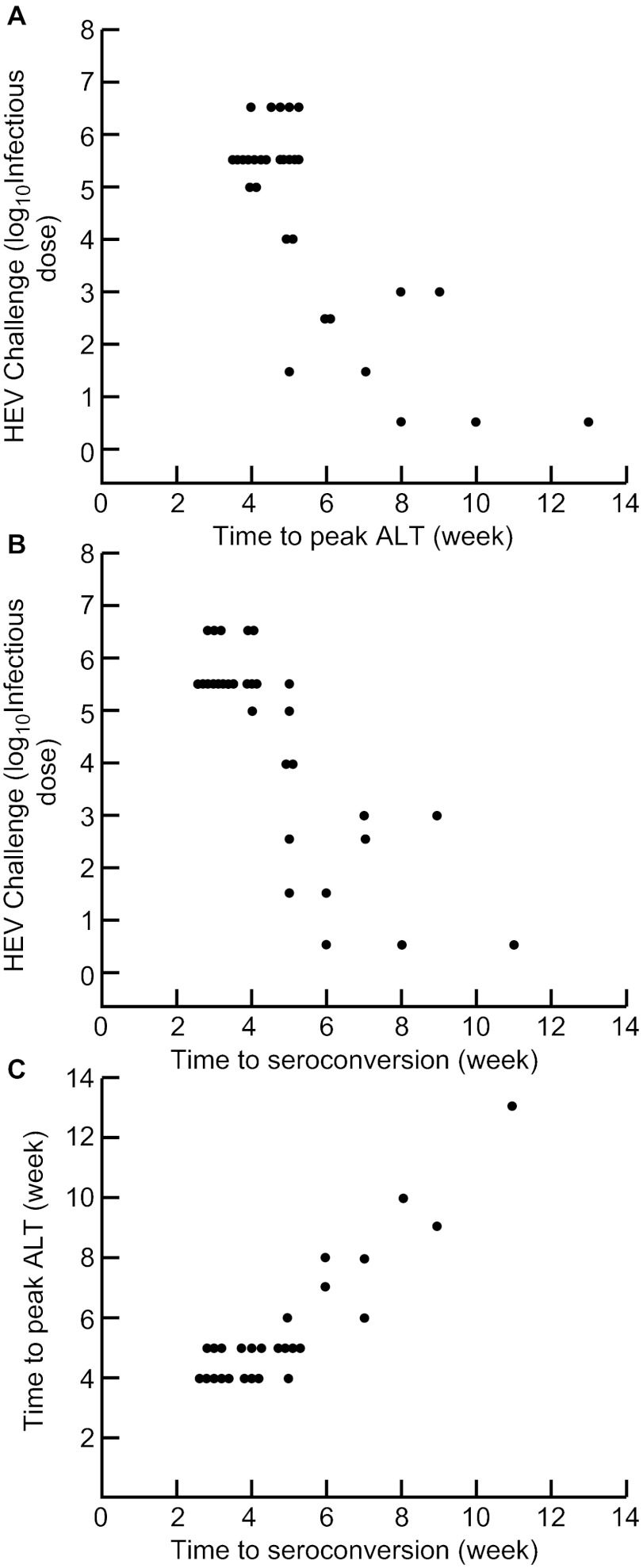
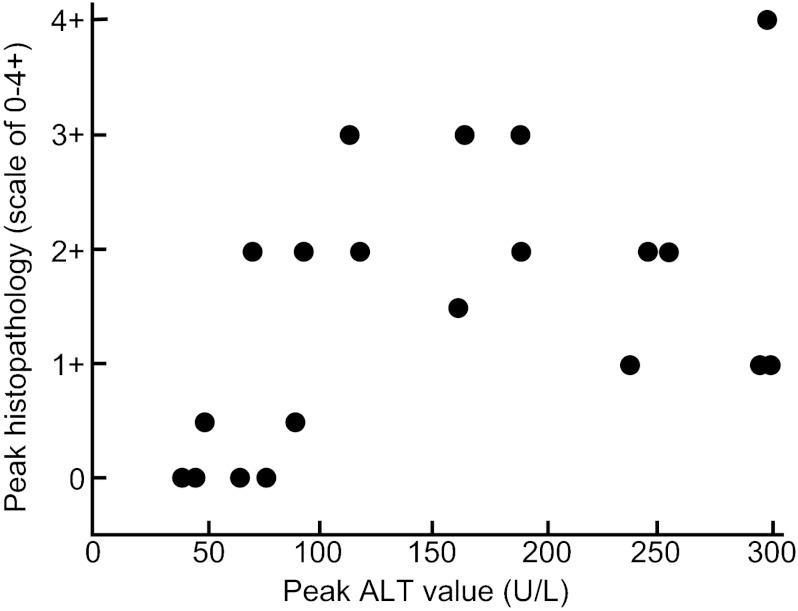
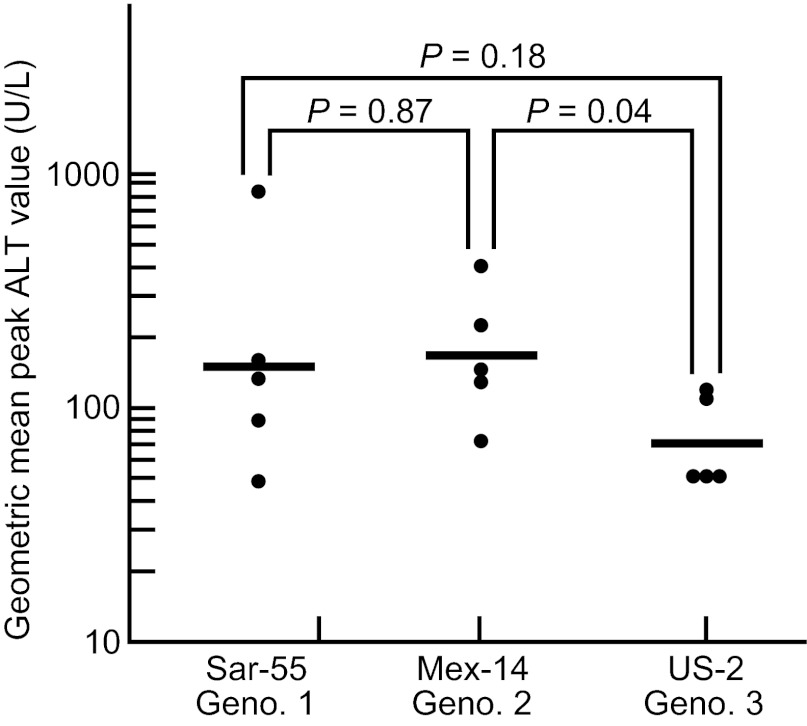
Like the other hepatitis viruses, hepatitis E virus (HEV) has been difficult to study because of limitations in cell culture systems and small animal models. Much of what we know has come from epidemiological studies in developing countries and, more recently, in industrialized countries. However, the epidemiology is very different in these two settings: hepatitis E in developing countries is epidemic as well as sporadic, principally water-borne, most likely to cause disease in older children and young adults and relatively severe, especially in pregnant women; in industrialized countries the disease is sporadic, principally food-borne, most common in the elderly and probably associated with mostly inapparent infections. These differences are believed to be genotypically determined. To examine the biological parameters of hepatitis E, we have studied HEV infections in nonhuman primates, which are surrogates of man. Infections with HEV genotypes 1-3 were compared in rhesus and cynomolgus macaques and chimpanzees. In general, the biological characteristics of the different HEV genotypes mirrored their epidemiological characteristics.
与其他肝炎病毒一样,戊型肝炎病毒(HEV)由于细胞培养系统和小动物模型的局限性而难以研究。我们所了解的大部分信息来自发展中国家以及最近在工业化国家进行的流行病学研究。然而,这两种情况下的流行病学情况非常不同:发展中国家的戊型肝炎呈流行和散发性,主要通过水传播,最易在大龄儿童和年轻人中引发疾病,且病情相对严重,尤其是在孕妇中;在工业化国家,该病为散发性,主要通过食物传播,在老年人中最为常见,可能与大多数隐性感染有关。这些差异被认为是由基因型决定的。为了研究戊型肝炎的生物学参数,我们在非人灵长类动物(人类的替代物)中研究了HEV感染。在恒河猴、食蟹猴和黑猩猩中比较了HEV 1-3基因型的感染情况。一般来说,不同HEV基因型的生物学特征反映了它们的流行病学特征。