Geriatric Research Education and Clinical Center, Veterans Affairs Puget Sound Health Care System, Seattle, WA, 98108, USA.
Mental Illness Research Education and Clinical Center, Veterans Affairs Puget Sound Health Care System, Seattle, WA, 98108, USA.
Acta Neuropathol Commun. 2015 Jun 4;3:33. doi: 10.1186/s40478-015-0210-6.
Accumulation of insoluble conformationally altered hyperphosphorylated tau occurs as part of the pathogenic process in Alzheimer's disease (AD) and other tauopathies. In most AD subjects, wild-type (WT) tau aggregates and accumulates in neurofibrillary tangles and dystrophic neurites in the brain; however, in some familial tauopathy disorders, mutations in the gene encoding tau cause disease.
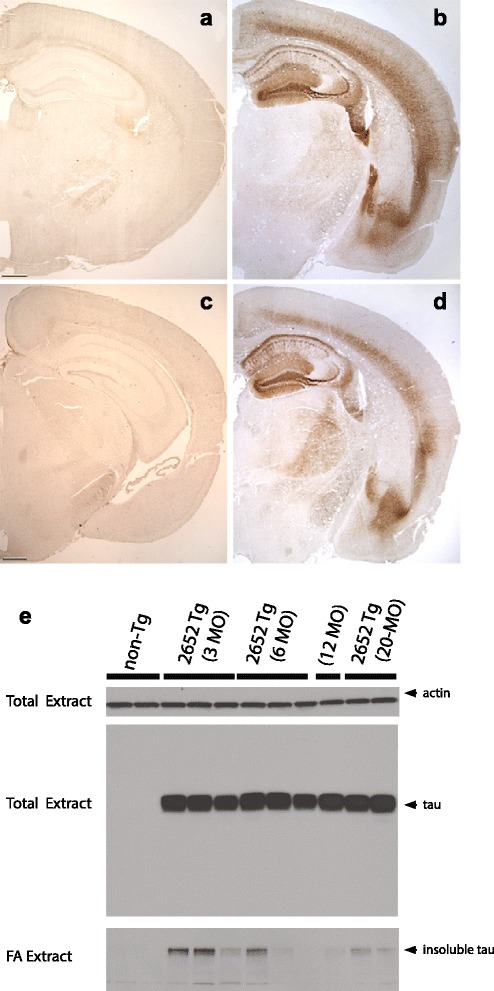
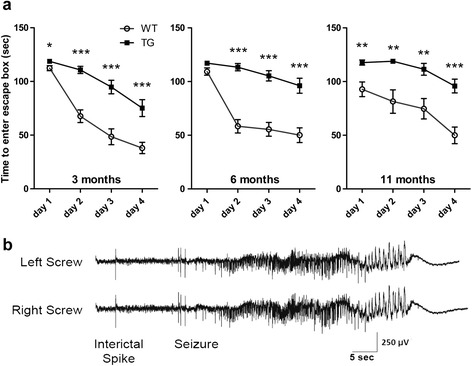
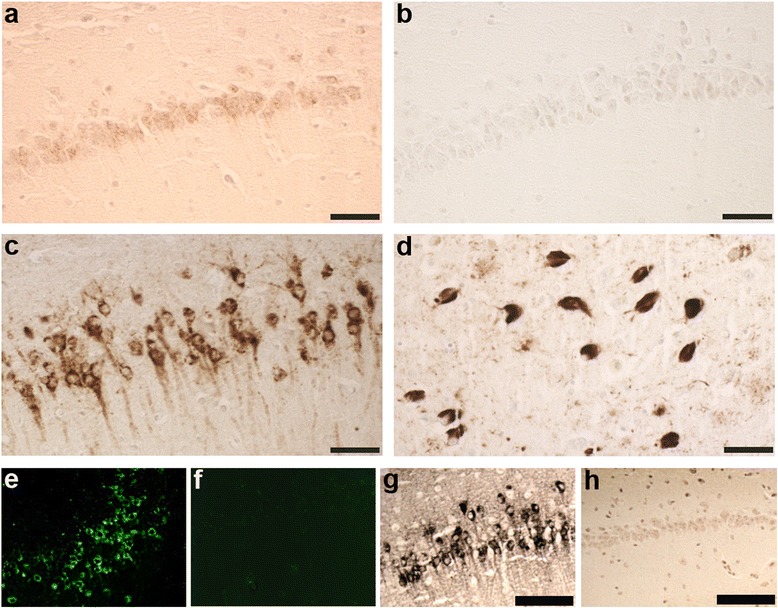
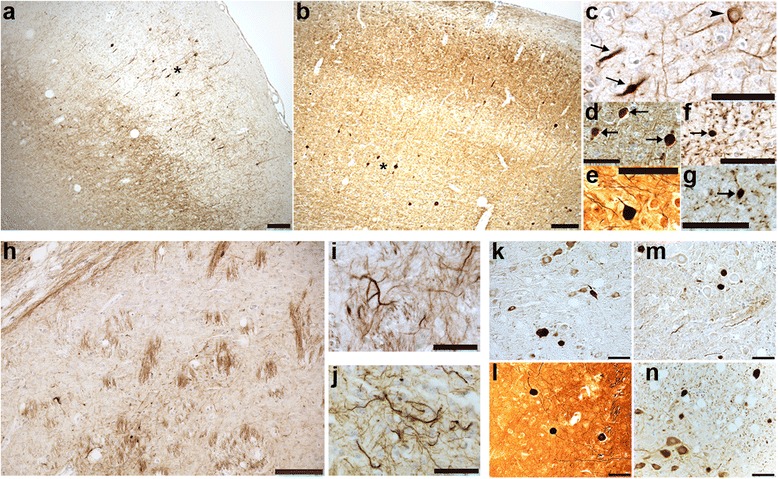
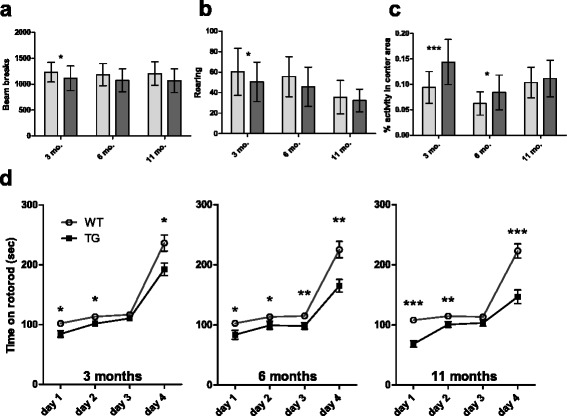
We generated a mouse model, Tau4RTg2652, that expresses high levels of normal human tau in neurons resulting in the early stages of tau pathology. In this model, over expression of WT human tau drives pre-tangle pathology in young mice resulting in behavioral deficits. These changes occur at a relatively young age and recapitulate early pre-tangle stages of tau pathology associated with AD and mild cognitive impairment. Several features distinguish the Tau4RTg2652 model of tauopathy from previously described tau transgenic mice. Unlike other mouse models where behavioral and neuropathologic changes are induced by transgenic tau harboring MAPT mutations pathogenic for frontotemporal lobar degeneration (FTLD), the mice described here express the normal tau sequence.
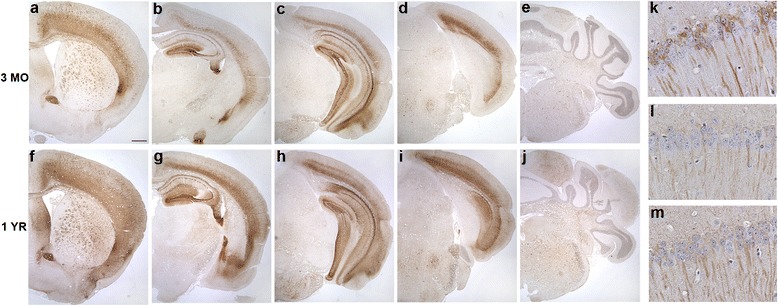
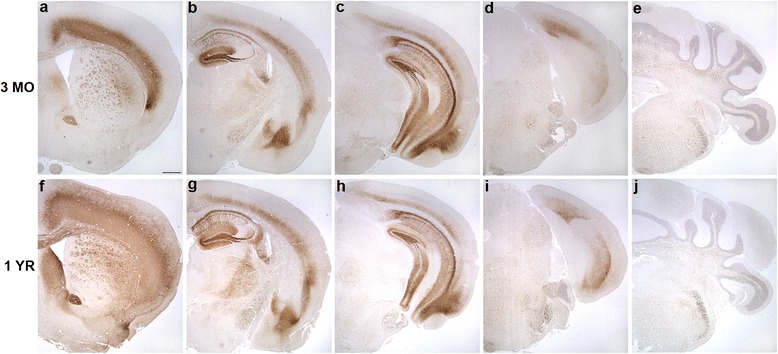
Features of Tau4RTg2652 mice distinguishing them from other established wild type tau overexpressing mice include very early phenotypic manifestations, non-progressive tau pathology, abundant pre-tangle and phosphorylated tau, sparse oligomeric tau species, undetectable fibrillar tau pathology, stability of tau transgene copy number/expression, and normal lifespan. These results suggest that Tau4RTg2652 animals may facilitate studies of tauopathy target engagement where WT tau is driving tauopathy phenotypes.
阿尔茨海默病(AD)和其他tau 病的发病过程中,会出现不溶性构象改变的过度磷酸化 tau 的积累。在大多数 AD 患者中,野生型(WT)tau 聚集并积聚在大脑中的神经纤维缠结和变性神经突中;然而,在一些家族性 tau 病中,tau 基因编码的突变导致疾病。
我们生成了一个表达高水平正常人类 tau 的 Tau4RTg2652 小鼠模型,导致 tau 病理学的早期阶段。在该模型中,WT 人类 tau 的过表达导致年轻小鼠中出现预缠结病理,导致行为缺陷。这些变化发生在相对年轻的年龄,并再现了与 AD 和轻度认知障碍相关的早期预缠结 tau 病理学阶段。与以前描述的 tau 转基因小鼠相比,Tau4RTg2652 模型的 tau 病具有几个特征。与其他通过携带导致额颞叶变性(FTLD)的 MAPT 突变的转基因 tau 诱导行为和神经病理学变化的小鼠模型不同,这里描述的小鼠表达正常的 tau 序列。
Tau4RTg2652 小鼠与其他已建立的野生型 tau 过表达小鼠的特征包括非常早期的表型表现、非进行性 tau 病理学、丰富的预缠结和磷酸化 tau、稀疏的寡聚 tau 物种、无法检测到纤维状 tau 病理学、tau 转基因拷贝数/表达的稳定性和正常寿命。这些结果表明,Tau4RTg2652 动物可能有助于研究 WT tau 驱动 tau 病表型的 tau 病靶点结合。