Bloomfield Center for Research in Aging, Lady Davis Institute for Medical Research, Jewish General Hospital, Montreal, QC, Canada.
Department of Neurology and Neurosurgery, McGill University, Montreal, QC, Canada.
Cell Death Dis. 2021 Mar 1;12(3):227. doi: 10.1038/s41419-021-03506-0.
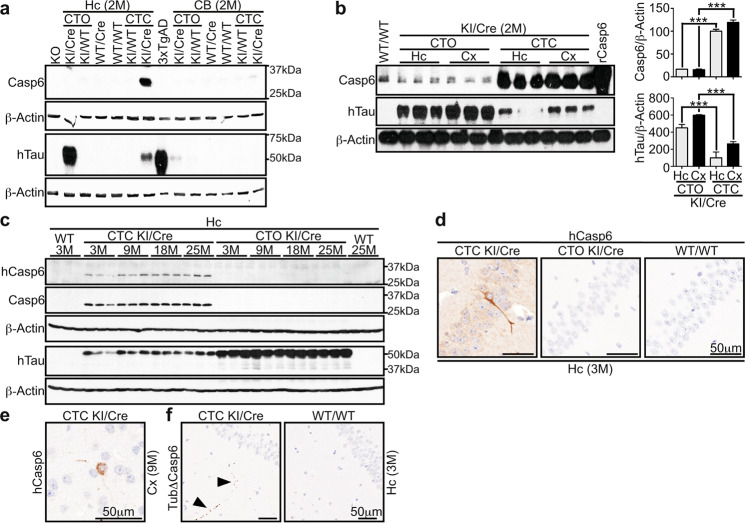
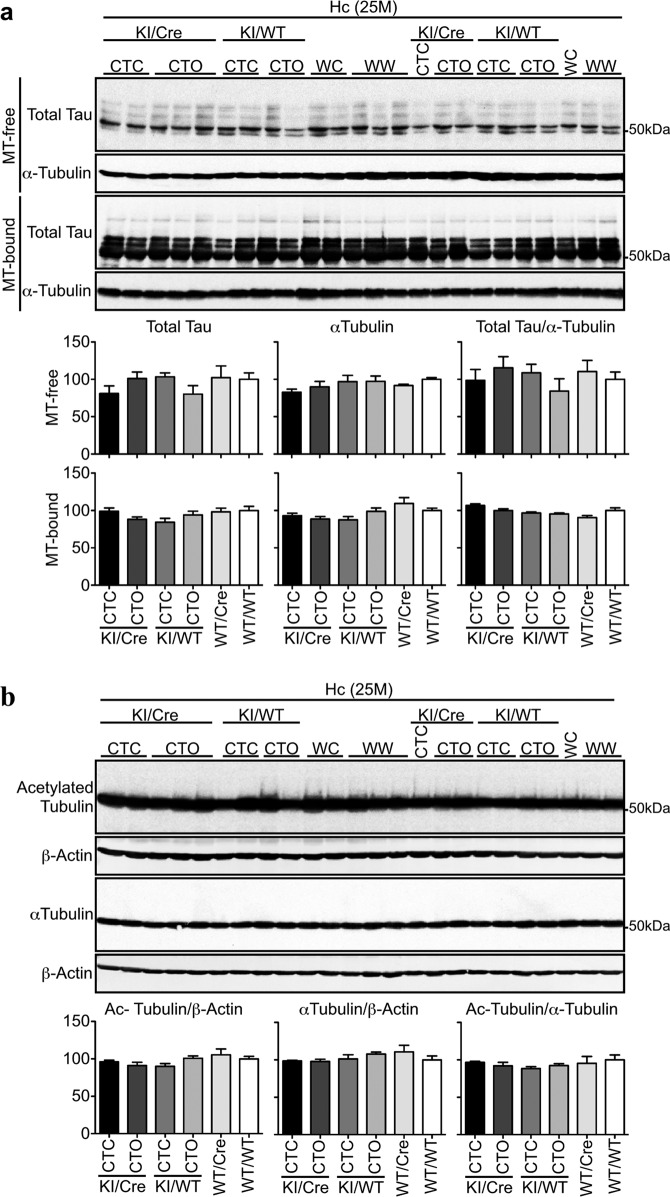
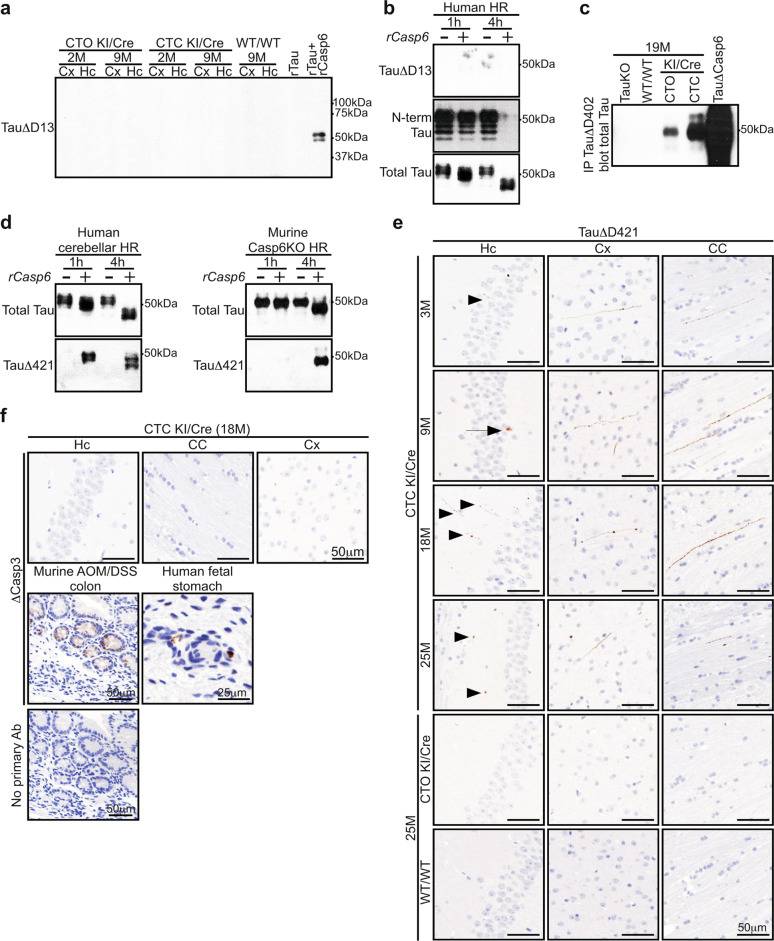
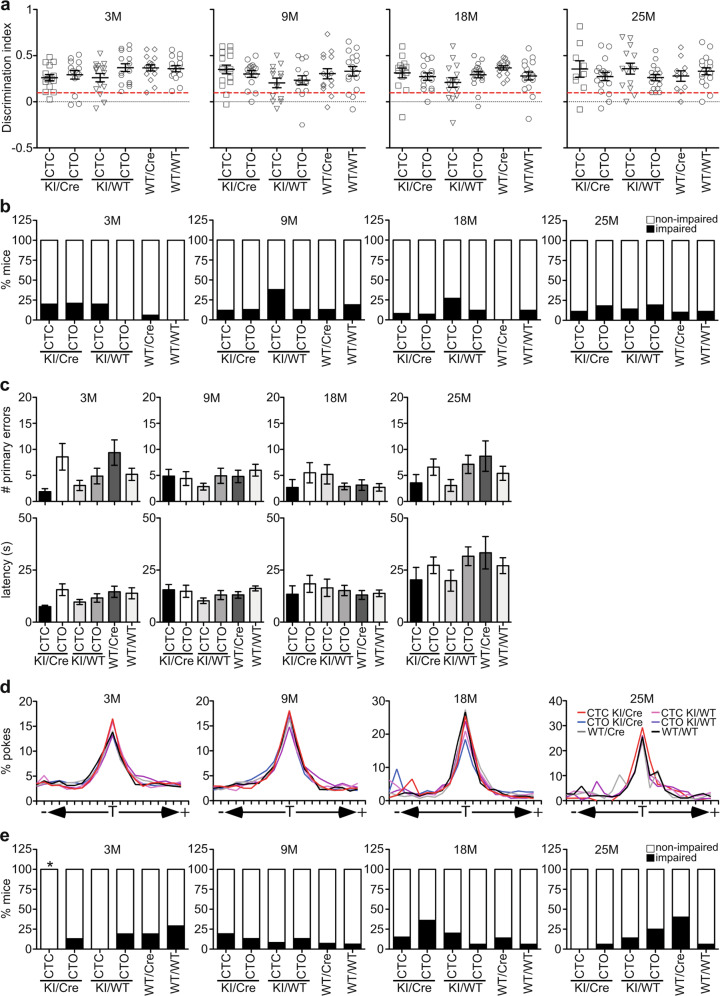
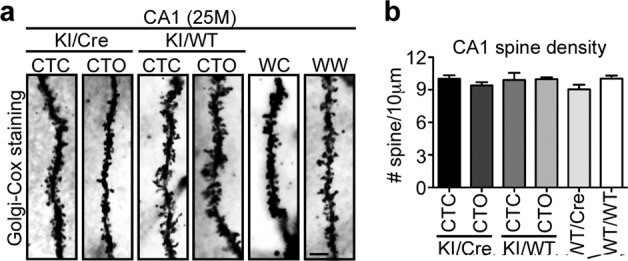
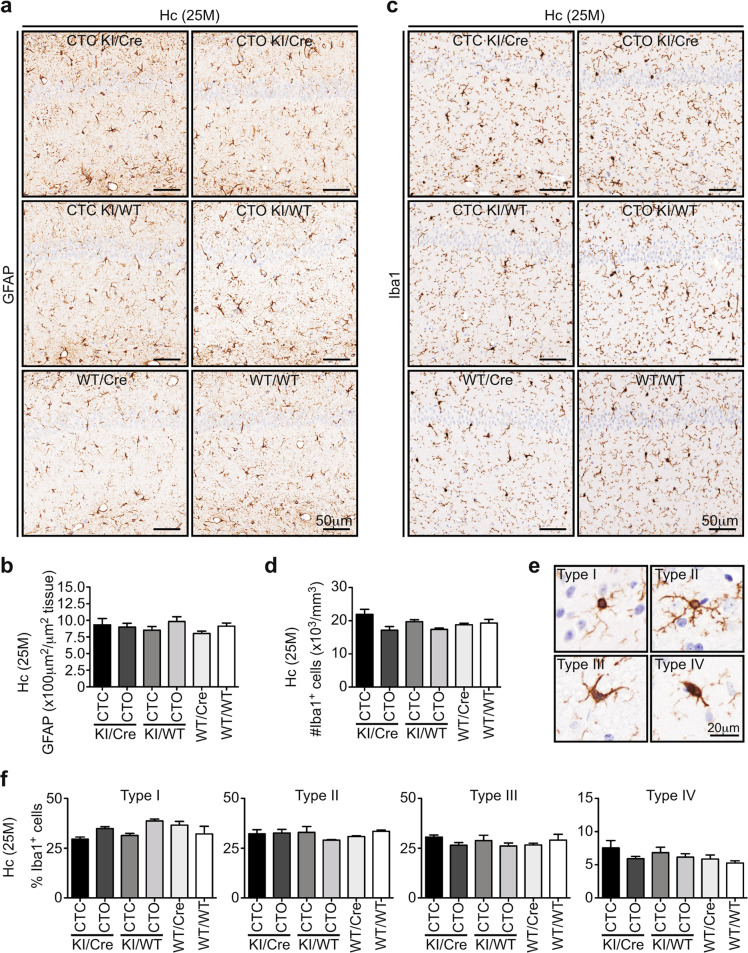
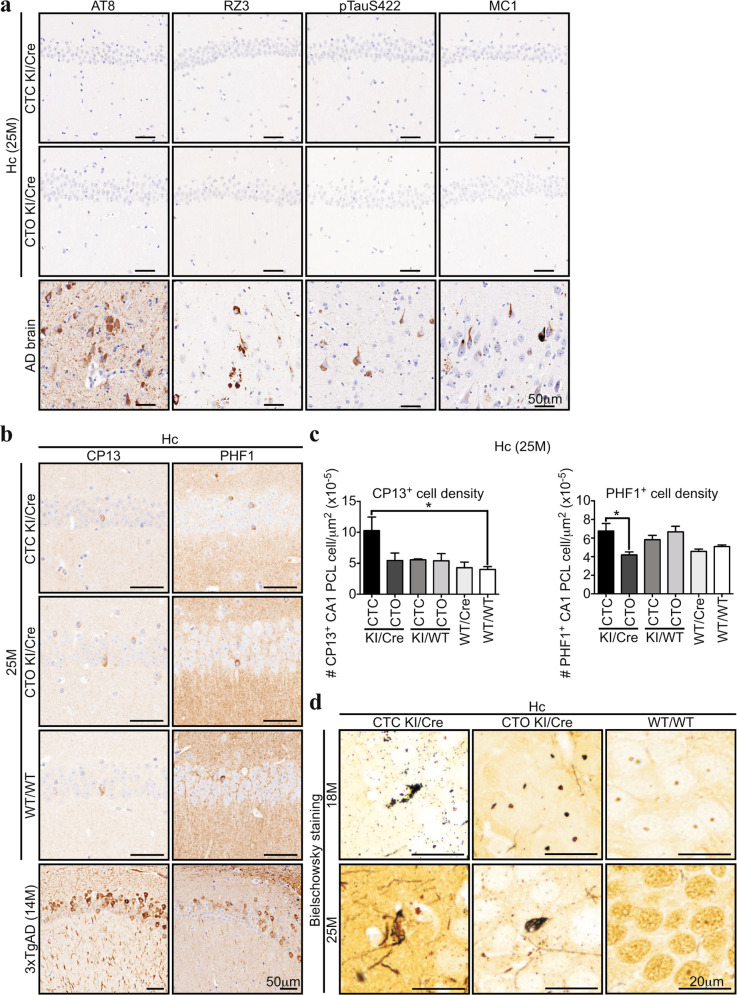
Active Caspase-6 (Casp6) and Tau cleaved by Casp6 at amino acids 402 (Tau∆D402) and 421 (Tau∆D421) are present in early Alzheimer disease intraneuronal neurofibrillary tangles, which are made primarily of filamentous Tau aggregates. To assess whether Casp6 cleavage of Tau contributes to Tau pathology and Casp6-mediated age-dependent cognitive impairment, we generated transgenic knock-in mouse models that conditionally express full-length human Tau (hTau) 0N4R only (CTO) or together with human Casp6 (hCasp6) (CTC). Region-specific hippocampal and cortical hCasp6 and hTau expression were confirmed with western blot and immunohistochemistry in 2-25-month-old brains. Casp6 activity was confirmed with Tau∆D421 and Tubulin cleaved by Casp6 immunopositivity in 3-25-month-old CTC, but not in CTO, brains. Immunoprecipitated Tau∆D402 was detected in both CTC and CTO brains, but was more abundant in CTC brains. Intraneuronal hippocampal Tau hyperphosphorylation at S202/T205, S422, and T231, and Tau conformational change were absent in both CTC and CTO brains. A slight accumulation of Tau phosphorylated at S396/404 and S202 was observed in Cornu Ammonis 1 (CA1) hippocampal neuron soma of CTC compared to CTO brains. Eighteen-month-old CTC brains showed rare argentophilic deposits that increased by 25 months, whereas CTO brains only displayed them sparsely at 25 months. Tau microtubule binding was equivalent in CTC and CTO hippocampi. Episodic and spatial memory measured with novel object recognition and Barnes maze, respectively, remained normal in 3-25-month-old CTC and CTO mice, in contrast to previously observed impairments in ACL mice expressing equivalent levels of hCasp6 only. Consistently, the CTC and CTO hippocampal CA1 region displayed equivalent dendritic spine density and no glial inflammation. Together, these results reveal that active hCasp6 co-expression with hTau generates Tau cleavage and rare age-dependent argentophilic deposits but fails to induce cognitive deficits, neuroinflammation, and Tau pathology.
活性半胱天冬酶-6(Casp6)和被 Casp6 在氨基酸 402 处切割的 Tau(Tau∆D402)和 421 处切割的 Tau(Tau∆D421)存在于早期阿尔茨海默病神经元内神经原纤维缠结中,这些缠结主要由丝状 Tau 聚集物组成。为了评估 Casp6 对 Tau 的切割是否导致 Tau 病理学和 Casp6 介导的与年龄相关的认知障碍,我们生成了条件表达全长人 Tau(hTau)0N4R 的转基因敲入小鼠模型(CTO)或与人类 Casp6(hCasp6)一起表达(CTC)。在 2-25 个月大的大脑中,用 Western blot 和免疫组织化学证实了海马和皮质的 hCasp6 和 hTau 的区域特异性表达。在 3-25 个月大的 CTC 中,通过 Casp6 免疫阳性证实了 Tau∆D421 和 Tubulin 被 Casp6 切割,但在 CTO 中没有。在 CTC 和 CTO 脑中均检测到 Tau∆D402 的免疫沉淀,但在 CTC 脑中更为丰富。在 CTC 和 CTO 脑中均未观察到海马神经元胞体中 Tau 在 S202/T205、S422 和 T231 处的过度磷酸化和 Tau 构象变化。与 CTO 大脑相比,在 CTC 的 Cornu Ammonis 1(CA1)海马神经元胞体中观察到 Tau 在 S396/404 和 S202 处的磷酸化略有积累。18 个月大的 CTC 大脑中出现了罕见的银染沉积物,到 25 个月时增加,而 CTO 大脑仅在 25 个月时稀疏出现。Tau 与微管的结合在 CTC 和 CTO 海马中是相等的。通过新物体识别和 Barnes 迷宫分别测量的情景和空间记忆在 3-25 个月大的 CTC 和 CTO 小鼠中保持正常,与之前仅表达等效水平的 hCasp6 的 ACL 小鼠观察到的认知缺陷相反。一致地,CTC 和 CTO 海马 CA1 区显示出相等的树突棘密度,没有神经胶质炎症。总之,这些结果表明,活性 hCasp6 与 hTau 共同表达会产生 Tau 切割和罕见的与年龄相关的银染沉积物,但不能诱导认知缺陷、神经炎症和 Tau 病理学。