Dang Chi V
Abramson Cancer Center, University of Pennsylvania, Philadelphia, PA 19072, USA
Philos Trans R Soc Lond B Biol Sci. 2015 Jul 19;370(1673). doi: 10.1098/rstb.2014.0223.
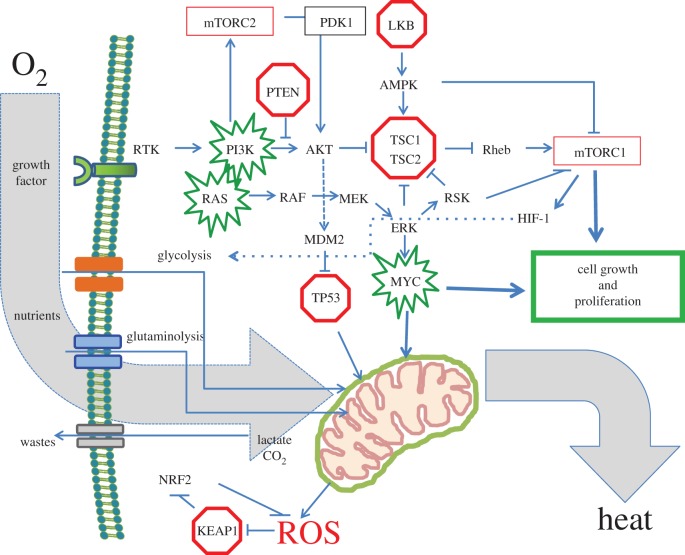
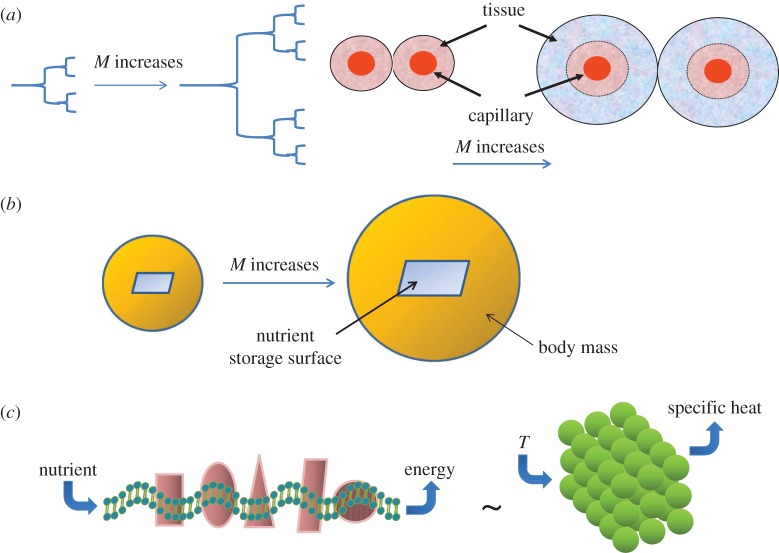
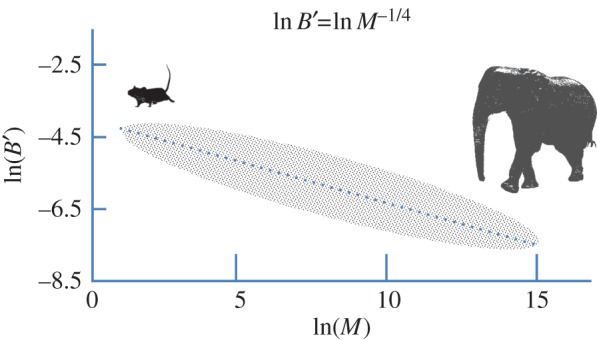
The frequency of cancer is postulated to be proportional to the number of cells an animal possesses, as each cell is similarly exposed to mutagens with every cell division. Larger animals result from more cell divisions with more mutagenic exposure, and hence are expected to have higher frequencies of cancer. Yet, as stipulated by Peto's paradox, larger animals do not have the higher rates of cancers seen in smaller animals despite the significant differences in cell numbers and a longer lifetime that would expose larger animals to more mutagens. The rates of cancer appear to be inversely proportional to animal body size, which scales inversely with specific metabolic rates of mammals. Studies over the past 20 years have linked oncogenes and tumour suppressors to alterations in cancer metabolism, and conversely, mutations in metabolic genes have been documented to trigger tumorigenesis. The by-products and intermediates of metabolism, such as reactive oxygen species, oxoglutarate, citrate and acetate, all have the potential to mutate and alter the genome or epigenome. On the basis of these general observations, it is proposed that metabolic rates correlate with mutagenic rates, which are higher in small animals and give the mechanistic basis for Peto's paradox. The observations discussed in this overview collectively indicate that specific metabolic rate varies inversely with body size, which seems to support the hypothesis that metabolism drives tumorigenesis and accounts for Peto's paradox.
癌症的发生频率据推测与动物拥有的细胞数量成正比,因为随着每次细胞分裂,每个细胞都同样暴露于诱变剂中。较大的动物是由更多的细胞分裂产生的,且受到更多的诱变剂暴露,因此预计其患癌频率更高。然而,正如佩托悖论所规定的,尽管细胞数量存在显著差异,且较大的动物寿命更长,会接触到更多的诱变剂,但较大的动物并没有像较小的动物那样出现更高的癌症发病率。癌症发病率似乎与动物体型成反比,而动物体型与哺乳动物的特定代谢率成反比。过去20年的研究已将癌基因和肿瘤抑制基因与癌症代谢的改变联系起来,反之,也有文献记载代谢基因的突变会引发肿瘤发生。代谢的副产物和中间产物,如活性氧、酮戊二酸、柠檬酸和乙酸,都有可能使基因组或表观基因组发生突变和改变。基于这些一般观察结果,有人提出代谢率与诱变率相关,诱变率在小动物中较高,这为佩托悖论提供了机制基础。本综述中讨论的观察结果共同表明,特定代谢率与体型成反比,这似乎支持了代谢驱动肿瘤发生并解释佩托悖论的假说。