Department of Clinical Studies, University of Guelph, Guelph, Ontario, Canada.
Department of Chemical Engineering, École Polytechnique, Montreal, Quebec, Canada.
Cartilage. 2013 Apr;4(2):131-43. doi: 10.1177/1947603512463227.
Delivery of chitosan to subchondral bone is a novel approach for augmented marrow stimulation. We evaluated the effect of 3 presolidified chitosan-blood implant formulations on osteochondral repair progression compared with untreated defects.
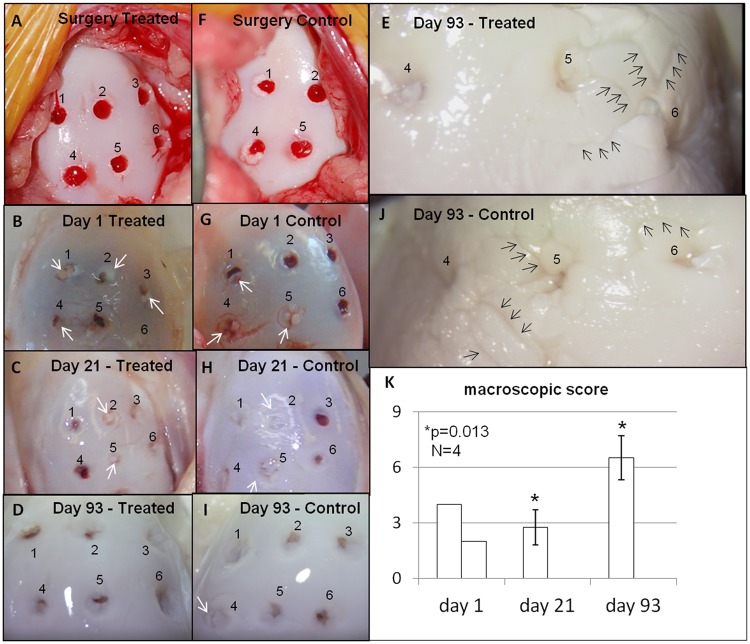
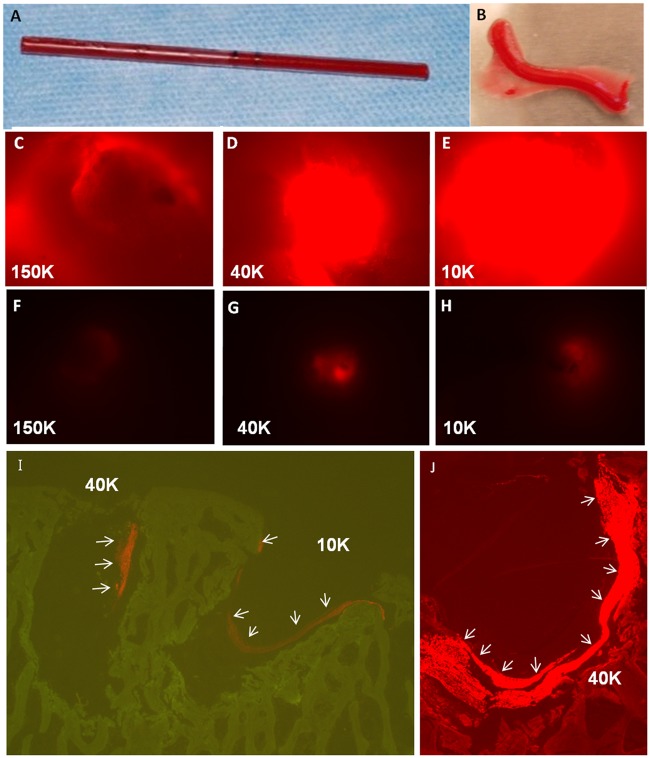
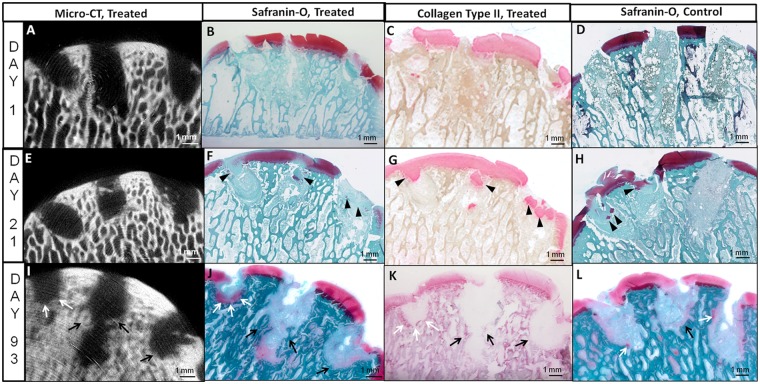
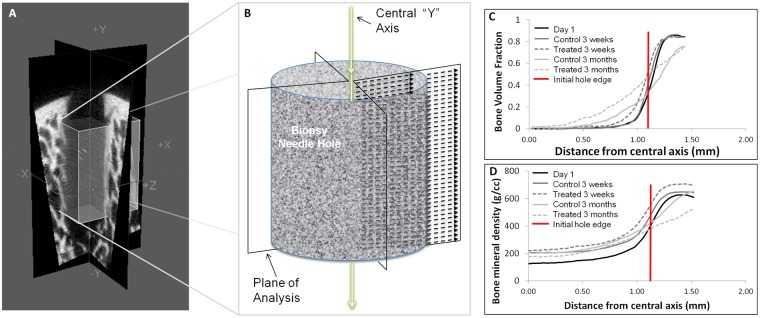
In N = 5 adult sheep, six 2-mm diameter Jamshidi biopsy holes were created bilaterally in the medial femoral condyle and treated with presolidified chitosan-blood implant with fluorescent chitosan tracer (10 kDa, 40 kDa, or 150k Da chitosan, left knee) or left to bleed (untreated, right knee). Implant residency and osteochondral repair were assessed at 1 day (N = 1), 3 weeks (N = 2), or 3 months (N = 2) postoperative using fluorescence microscopy, histomorphometry, stereology, and micro-computed tomography.
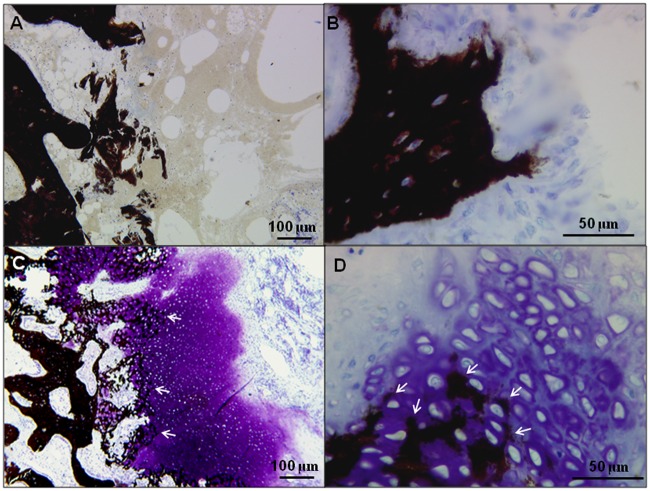
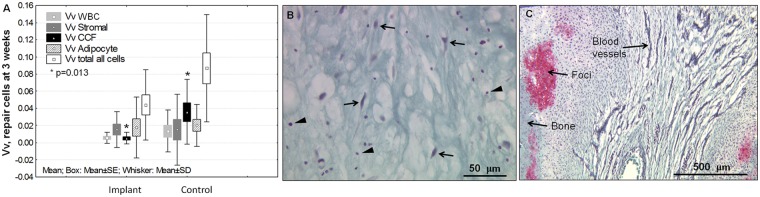
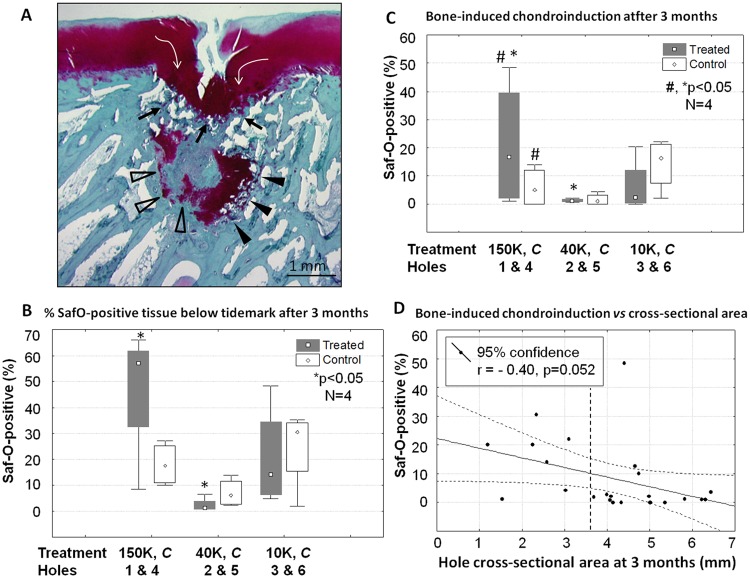
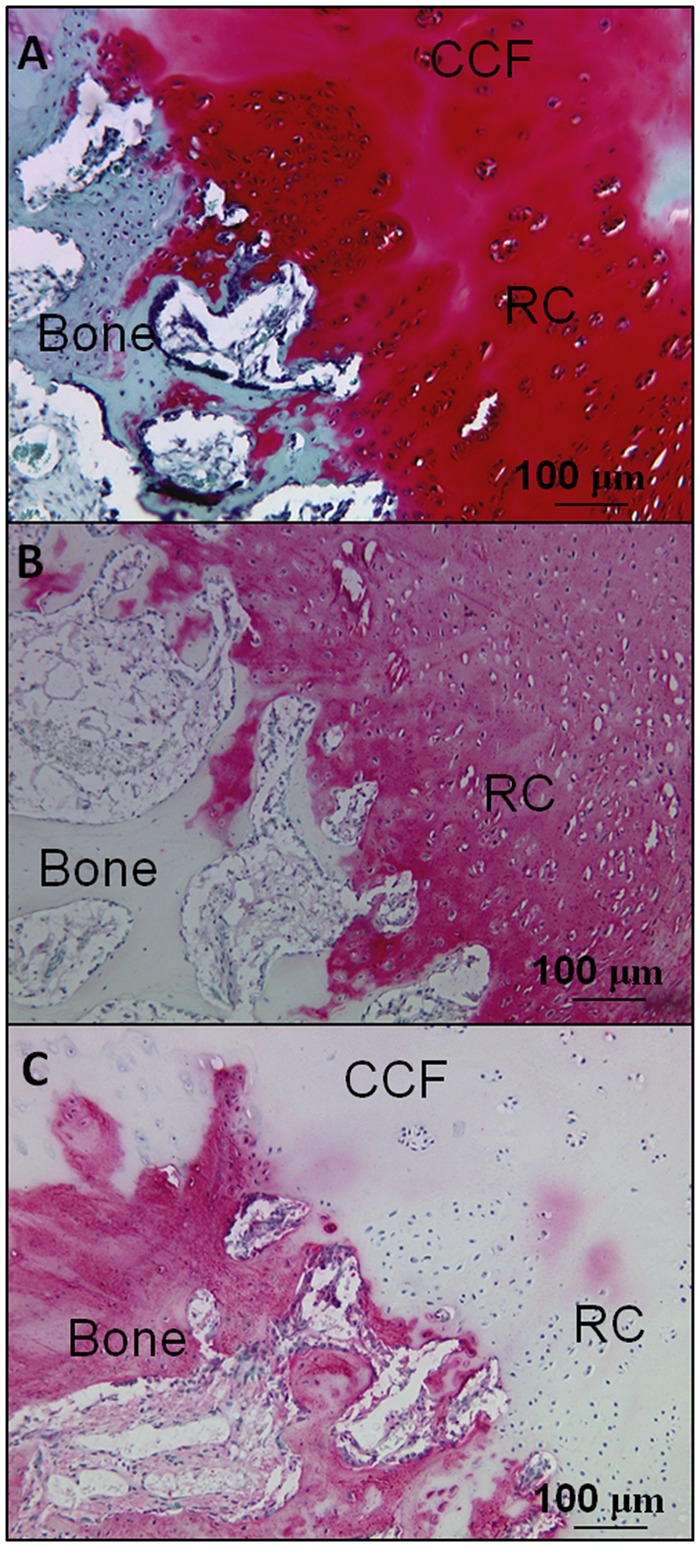
Chitosan implants were retained in 89% of treated Jamshidi holes up to 3 weeks postoperative. At 3 weeks, biopsy sites were variably covered by cartilage flow, and most bone holes contained cartilage flow fragments and heterogeneous granulation tissues with sparse leukocytes, stromal cells, and occasional adipocytes (volume density 1% to 3%). After 3 months of repair, most Jamshidi bone holes were deeper, remodeling at the edges, filled with angiogenic granulation tissue, and lined with variably sized chondrogenic foci fused to bone trabeculae or actively repairing bone plate. The 150-kDa chitosan implant elicited more subchondral cartilage formation compared with 40-kDa chitosan-treated and control defects (P < 0.05, N = 4). Treated defects contained more mineralized repair tissue than control defects at 3 months (P < 0.05, N = 12).
Bone plate-induced chondroinduction is an articular cartilage repair mechanism. Jamshidi biopsy repair takes longer than 3 months and can be influenced by subchondral chitosan-blood implant.
壳聚糖递送至软骨下骨是增强骨髓刺激的一种新方法。我们评估了 3 种预固化壳聚糖-血植入物制剂与未处理的缺陷相比对骨软骨修复进展的影响。
在 N = 5 只成年绵羊中,双侧股骨内侧髁共创建了 6 个 2-mm 直径的 Jamshidi 活检孔,并用预固化的壳聚糖-血植入物(10 kDa、40 kDa 或 150 kDa 壳聚糖,左膝)或让其出血(未处理,右膝)处理。术后 1 天(N = 1)、3 周(N = 2)或 3 个月(N = 2),使用荧光显微镜、组织形态计量学、体视学和微计算机断层扫描评估植入物的驻留和骨软骨修复情况。
壳聚糖植入物在术后 3 周内保持在 89%的治疗性 Jamshidi 孔中。在 3 周时,活检部位被软骨流不同程度地覆盖,大多数骨孔含有软骨流碎片和异质肉芽组织,有稀疏的白细胞、基质细胞和偶尔的脂肪细胞(体积密度为 1%至 3%)。在 3 个月的修复后,大多数 Jamshidi 骨孔更深,边缘重塑,充满血管生成的肉芽组织,并有大小不一的软骨生成灶融合到骨小梁或积极修复骨板。与 40 kDa 壳聚糖处理的和对照缺陷相比,150 kDa 壳聚糖植入物引起更多的软骨下软骨形成(P < 0.05,N = 4)。在 3 个月时,治疗性缺陷的矿化修复组织比对照缺陷多(P < 0.05,N = 12)。
骨板诱导的软骨诱导是一种关节软骨修复机制。Jamshidi 活检修复需要超过 3 个月的时间,并且可以受到软骨下壳聚糖-血植入物的影响。