Faculty of Medicine & Dentistry , University of Bristol, North Bristol NHS Trust , Bristol , UK ; Academic Renal Unit , Southmead Hospital , Bristol , UK.
Clin Kidney J. 2012 Dec;5(6):498-501. doi: 10.1093/ckj/sfs153.
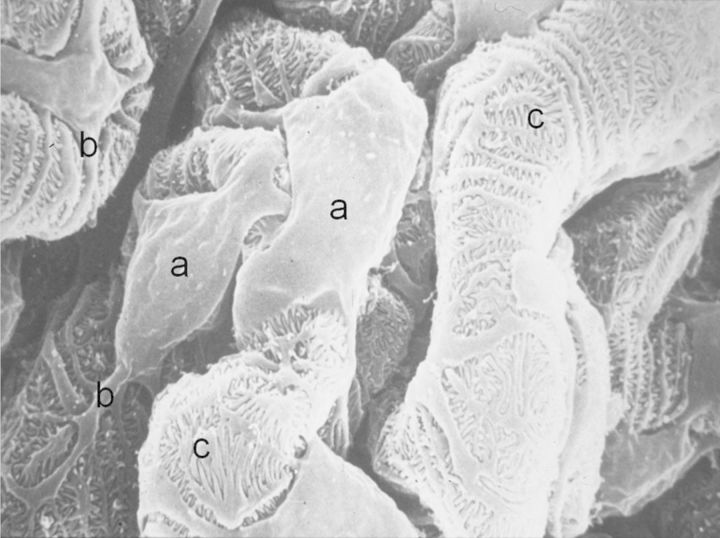
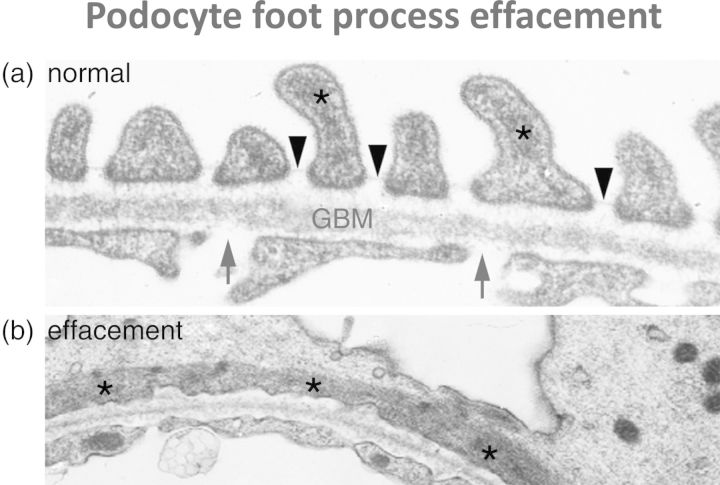
The podocyte is a key cell in the selective filtering action of the glomerular capillary wall. Podocyte injury is of pathogenetic and prognostic significance in human glomerular disease; podocyte repair and regeneration are important therapeutic targets. In particular, podocyte function is dependent on the cells' actin cytoskeleton: this maintains their complex structure. Alterations in the actin cytoskeleton arise from a variety of genetic and acquired causes. Therapeutic agents that are beneficial in proteinuric disease may act at least partly by restoring the cell shape via effects on the actin cytoskeleton. Recent studies of podocytes in vivo and in vitro are described, highlighting clinically relevant observations and those that help us understand the ways in which we may harness nature's own mechanisms to repair and/or renew these specialized glomerular cells, with a particular focus on their actin cytoskeleton. Drugs that have beneficial effects on podocytes can improve our ability to treat important renal diseases including diabetic nephropathy. Currently available agents can be applied in this way and the rapid progress in the study of podocytes is highlighting new therapeutic targets that can bring even more specificity.
足细胞是肾小球毛细血管壁选择性滤过作用的关键细胞。足细胞损伤在人类肾小球疾病的发病机制和预后中有重要意义;足细胞的修复和再生是重要的治疗靶点。特别是,足细胞的功能依赖于细胞的肌动蛋白细胞骨架:它维持着它们复杂的结构。肌动蛋白细胞骨架的改变源于多种遗传和获得性原因。在蛋白尿疾病中有益的治疗药物至少部分通过对肌动蛋白细胞骨架的作用来恢复细胞形状。描述了体内和体外的足细胞的最近研究,突出了临床相关的观察结果和帮助我们理解我们如何利用自然自身的机制来修复和/或更新这些特化的肾小球细胞的方法,特别关注它们的肌动蛋白细胞骨架。对足细胞有有益作用的药物可以提高我们治疗包括糖尿病肾病在内的重要肾脏疾病的能力。目前可用的药物可以以这种方式应用,并且对足细胞的研究的快速进展突出了新的治疗靶点,这可以带来更高的特异性。