Bonci D, Coppola V, Patrizii M, Addario A, Cannistraci A, Francescangeli F, Pecci R, Muto G, Collura D, Bedini R, Zeuner A, Valtieri M, Sentinelli S, Benassi M S, Gallucci M, Carlini P, Piccolo S, De Maria R
Department of Hematology, Oncology and Molecular Medicine, Istituto Superiore di Sanità, Rome, Italy.
Scientific Directorate, Regina Elena National Cancer Institute, Rome, Italy.
Oncogene. 2016 Mar 3;35(9):1180-92. doi: 10.1038/onc.2015.176. Epub 2015 Jun 15.
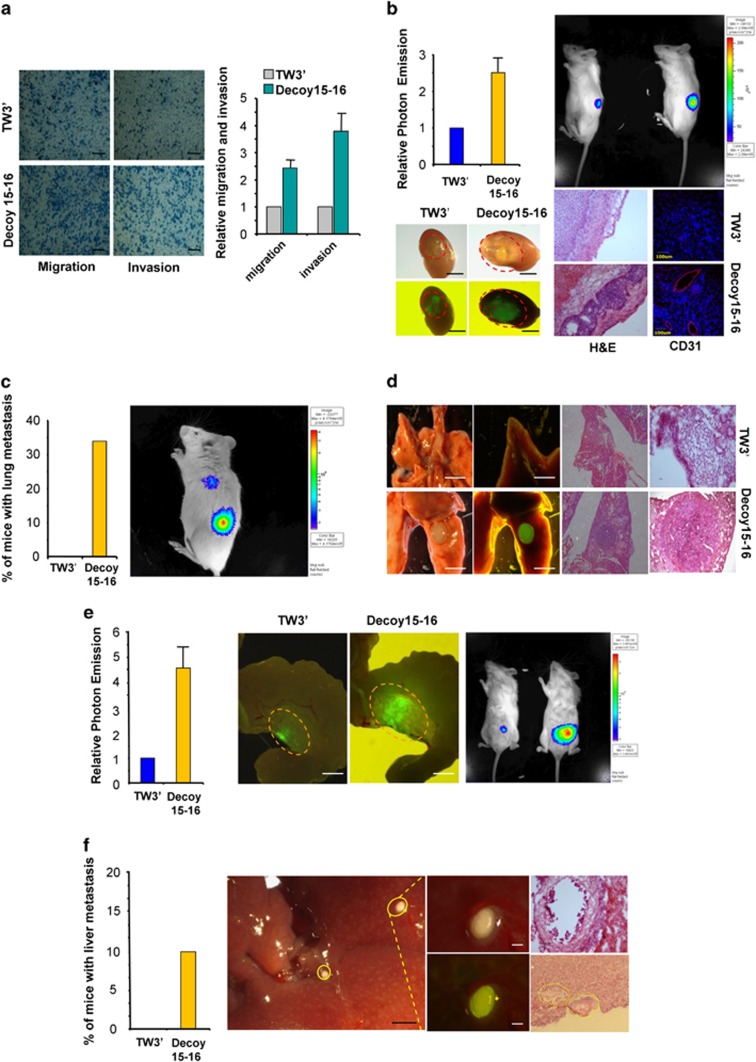
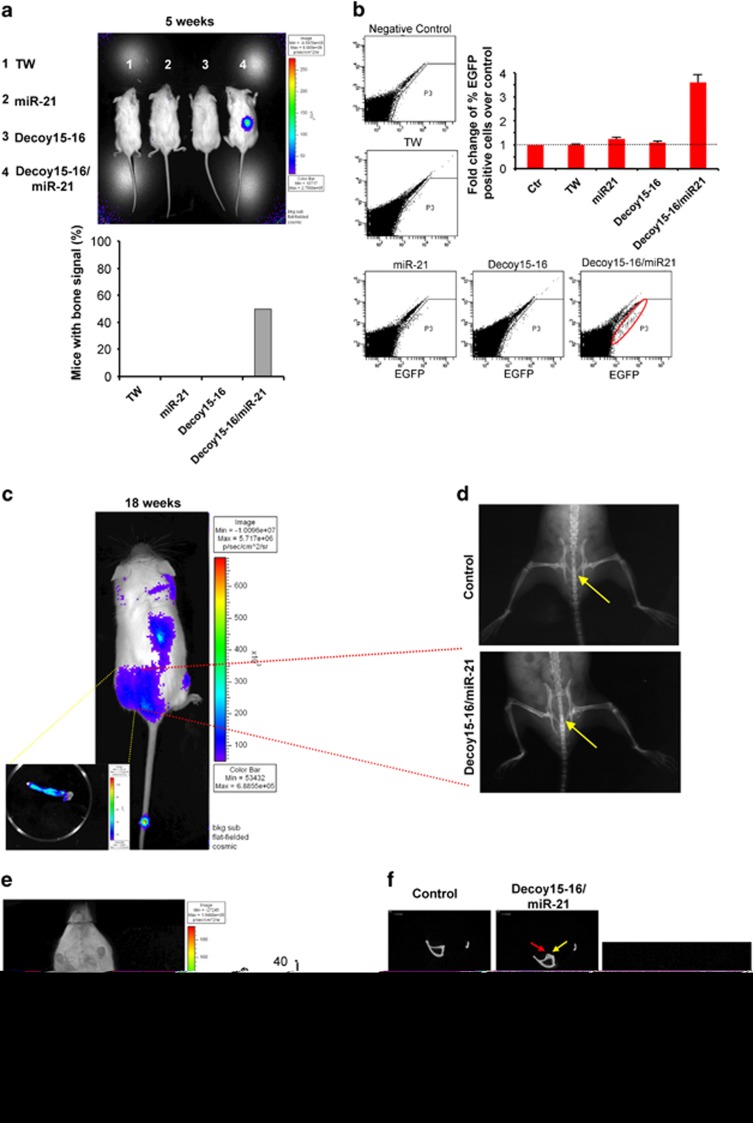
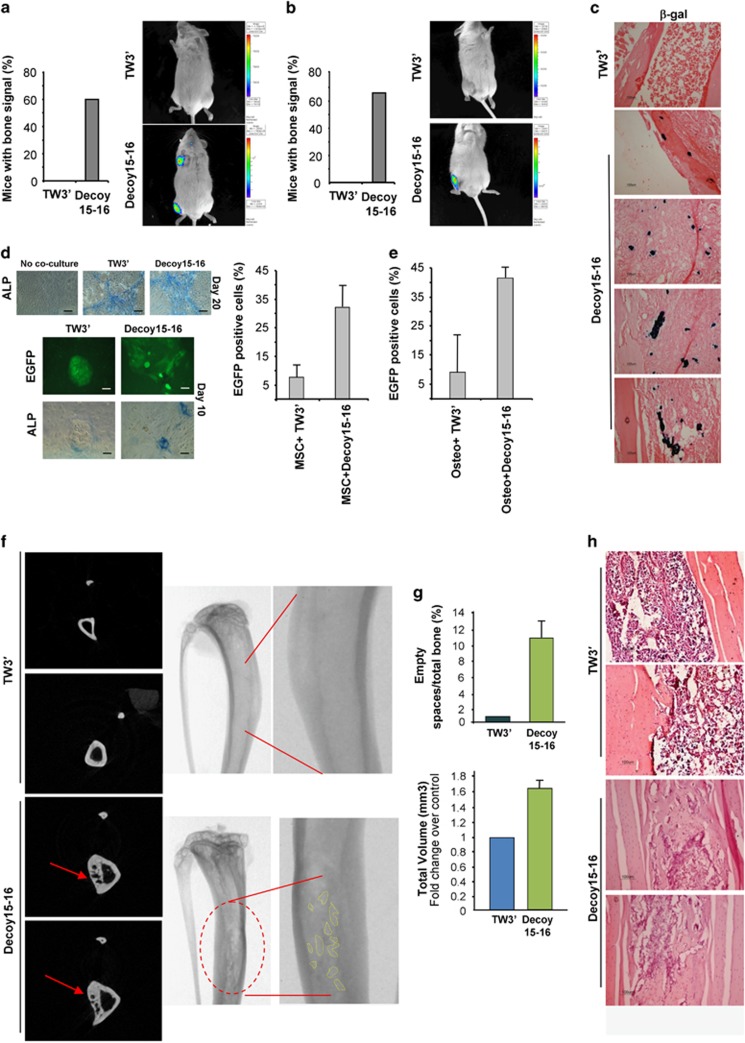
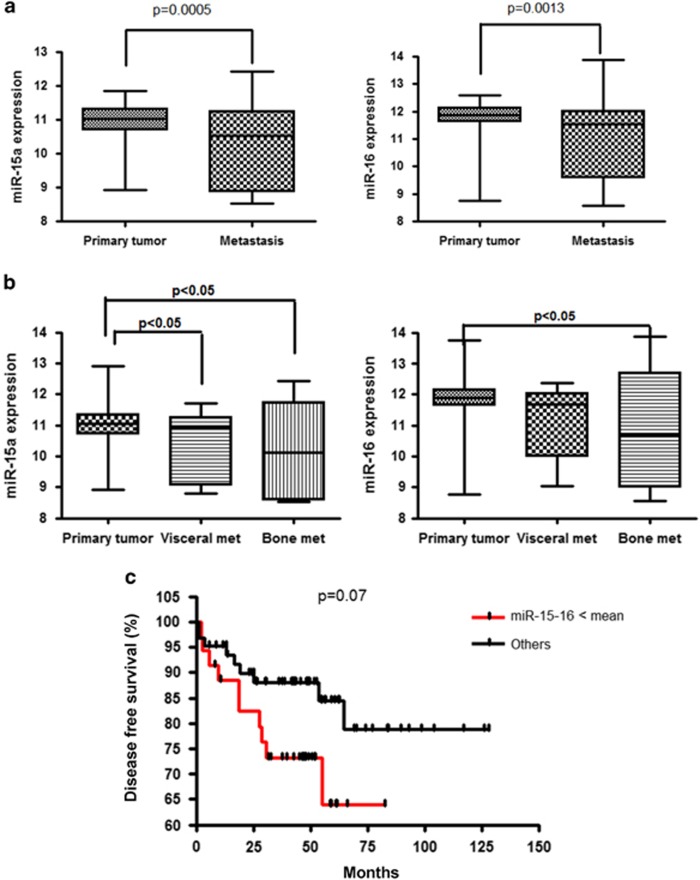
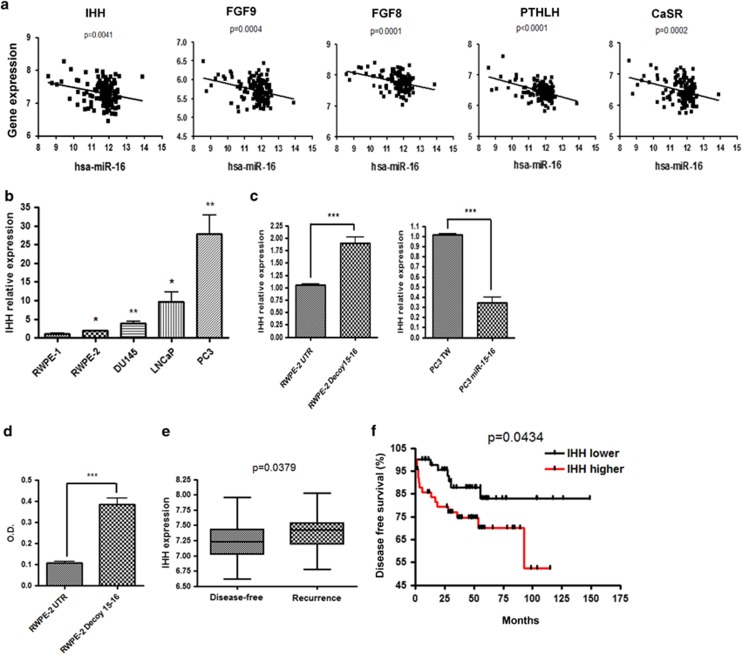
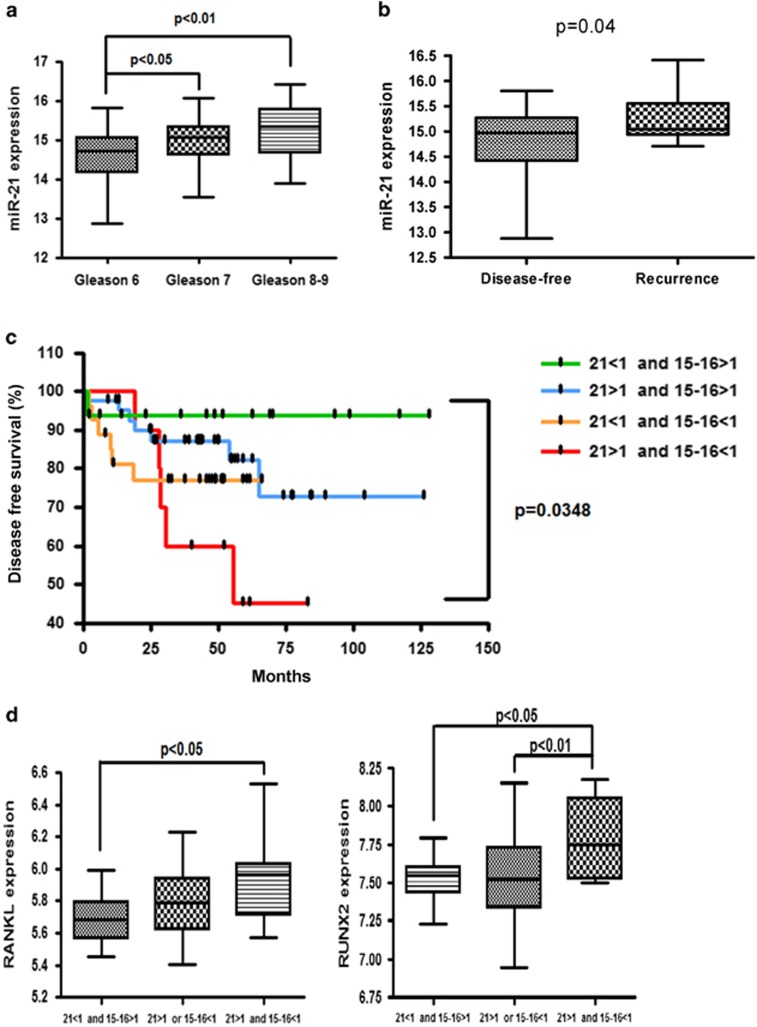
Although the development of bone metastasis is a major detrimental event in prostate cancer, the molecular mechanisms responsible for bone homing and destruction remain largely unknown. Here we show that loss of miR-15 and miR-16 in cooperation with increased miR-21 expression promote prostate cancer spreading and bone lesions. This combination of microRNA endows bone-metastatic potential to prostate cancer cells. Concomitant loss of miR-15/miR-16 and gain of miR-21 aberrantly activate TGF-β and Hedgehog signaling, that mediate local invasion, distant bone marrow colonization and osteolysis by prostate cancer cells. These findings establish a new molecular circuitry for prostate cancer metastasis that was validated in patients' cohorts. Our data indicate a network of biomarkers and druggable pathways to improve patient treatment.
尽管骨转移的发生是前列腺癌中的一个主要有害事件,但负责骨归巢和破坏的分子机制在很大程度上仍然未知。在这里,我们表明,miR-15和miR-16的缺失与miR-21表达增加共同作用促进前列腺癌扩散和骨病变。这种微小RNA的组合赋予前列腺癌细胞骨转移潜能。miR-15/miR-16的同时缺失和miR-21的增加异常激活TGF-β和Hedgehog信号通路,这些信号通路介导前列腺癌细胞的局部侵袭、远处骨髓定植和骨溶解。这些发现建立了一种新的前列腺癌转移分子机制,该机制在患者队列中得到了验证。我们的数据表明存在一个生物标志物和可药物靶向通路网络,以改善患者治疗。