Singh Nikhlesh K, Kotla Sivareddy, Dyukova Elena, Traylor James G, Orr A Wayne, Chernoff Jonathan, Marion Tony N, Rao Gadiparthi N
Department of Physiology, University of Tennessee Health Science Center, 894 Union Avenue, Memphis, Tennessee 38163, USA.
Department of Pathology, LSU Health Sciences Center, Shreveport, Louisiana 71103, USA.
Nat Commun. 2015 Jun 24;6:7450. doi: 10.1038/ncomms8450.
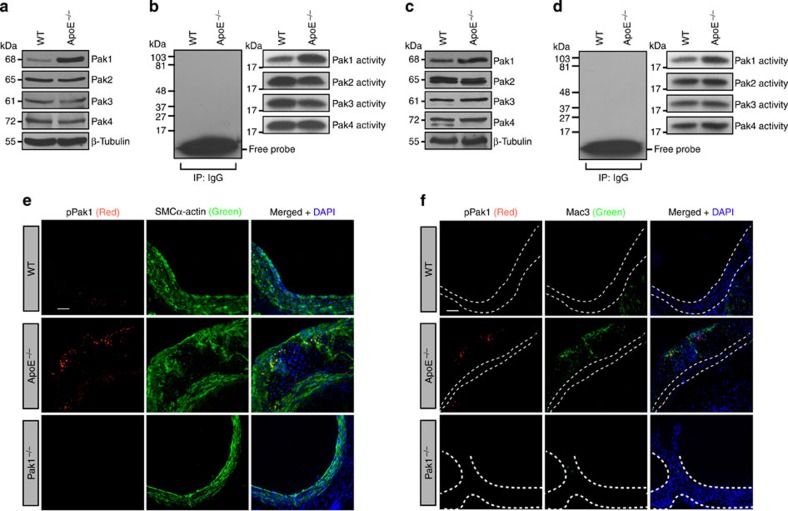
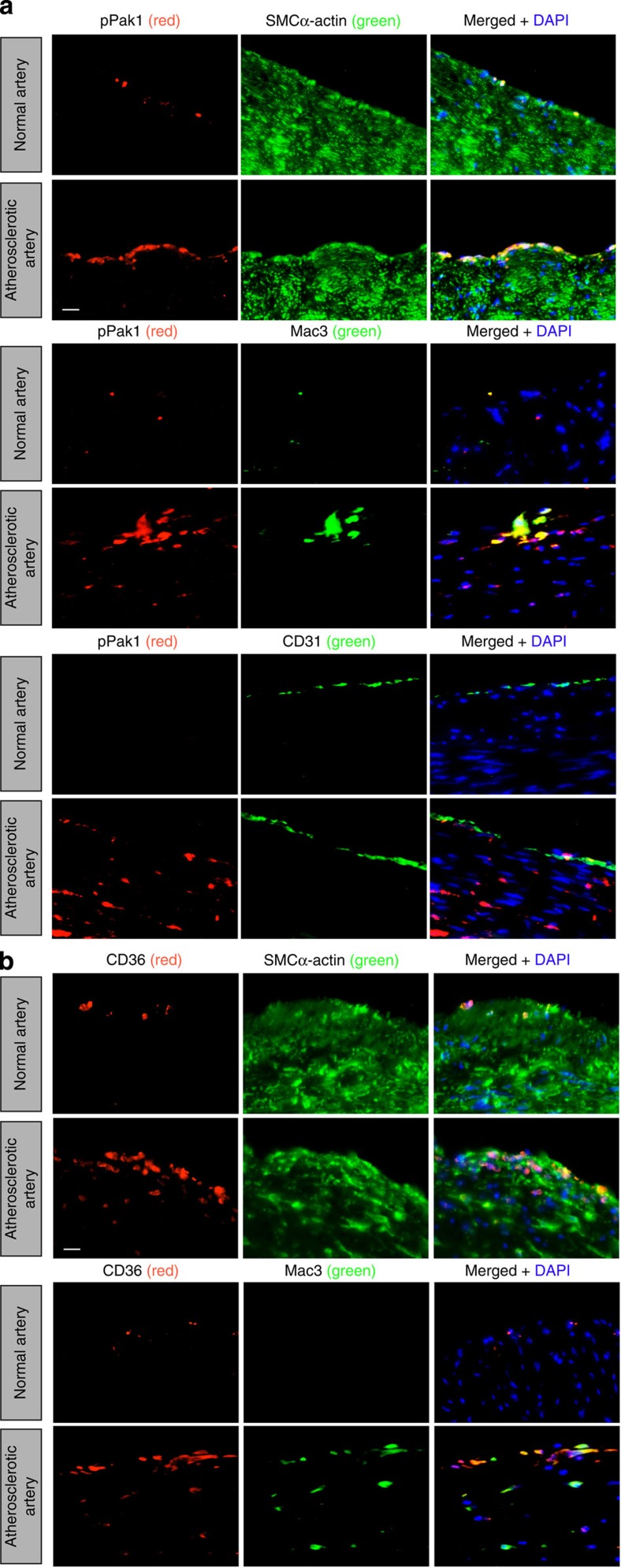
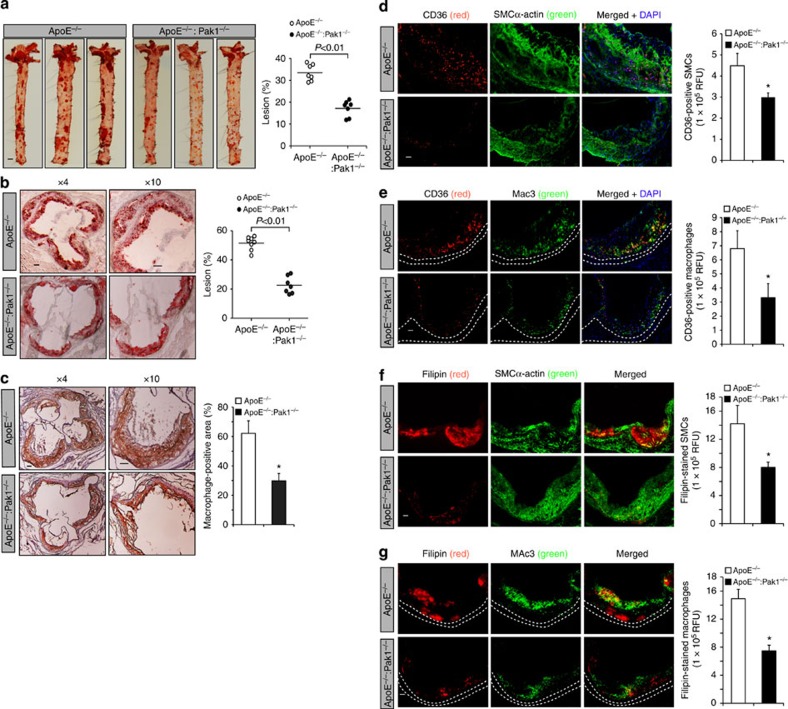
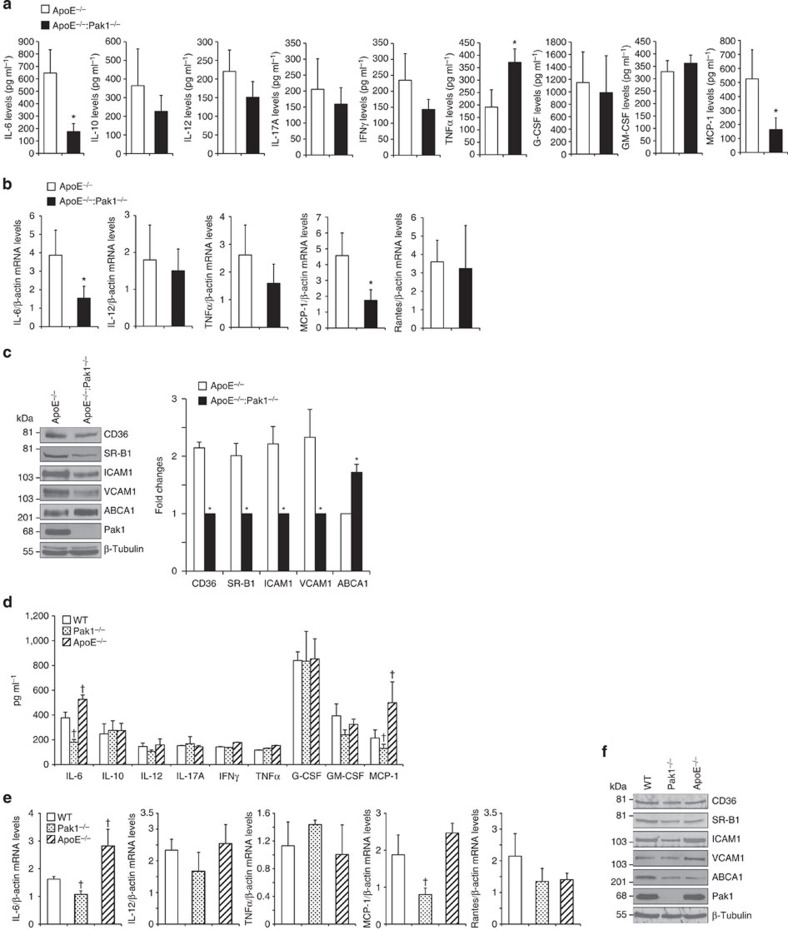
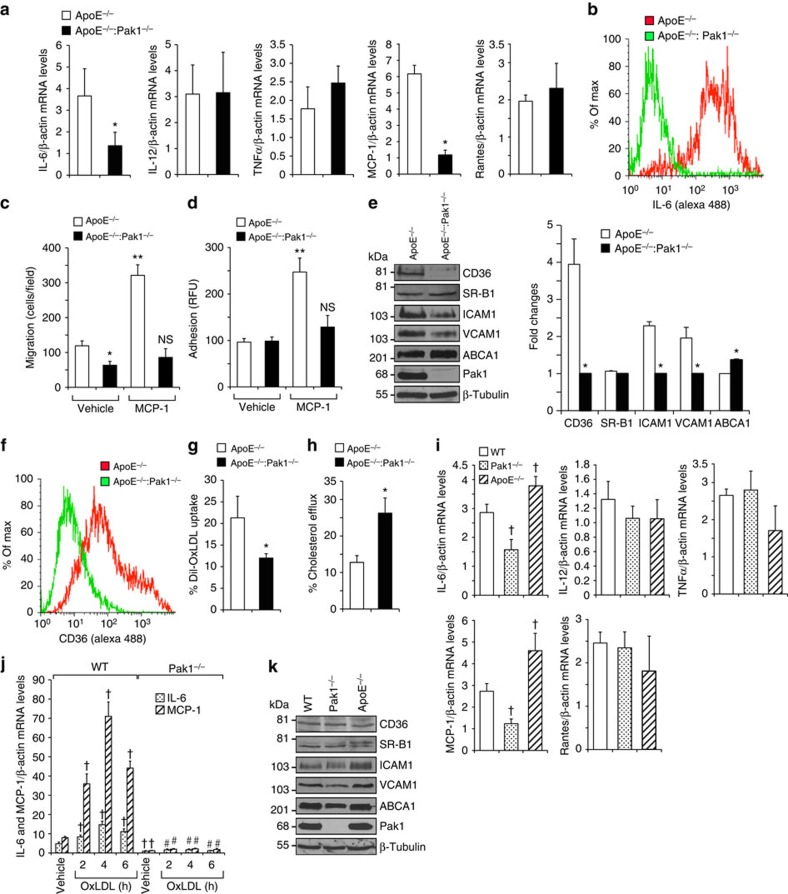
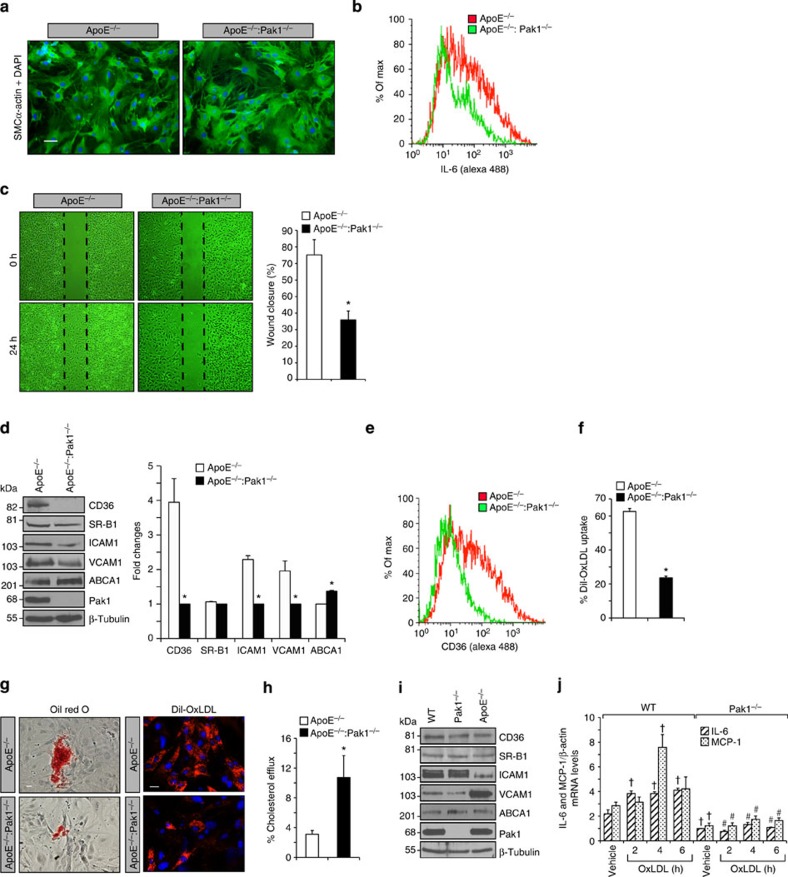
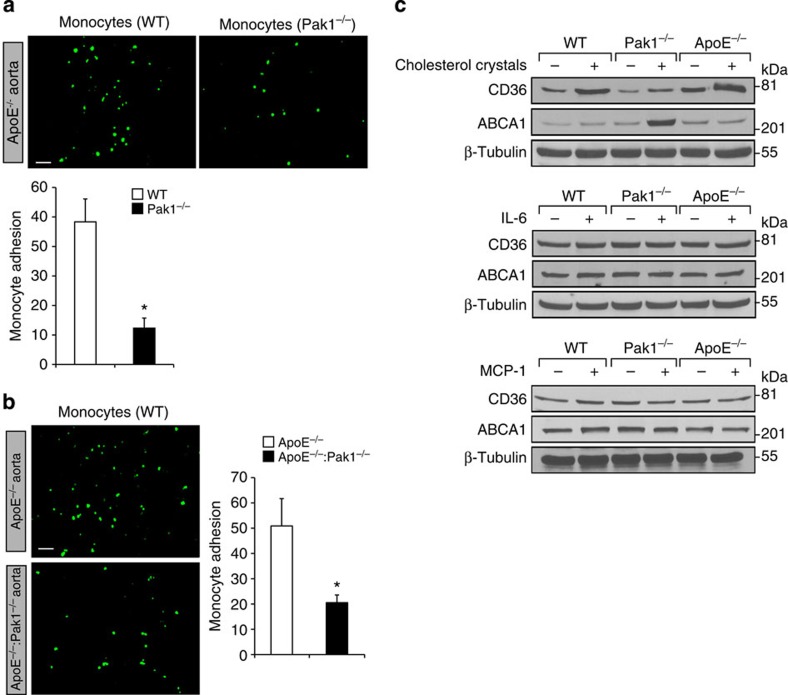
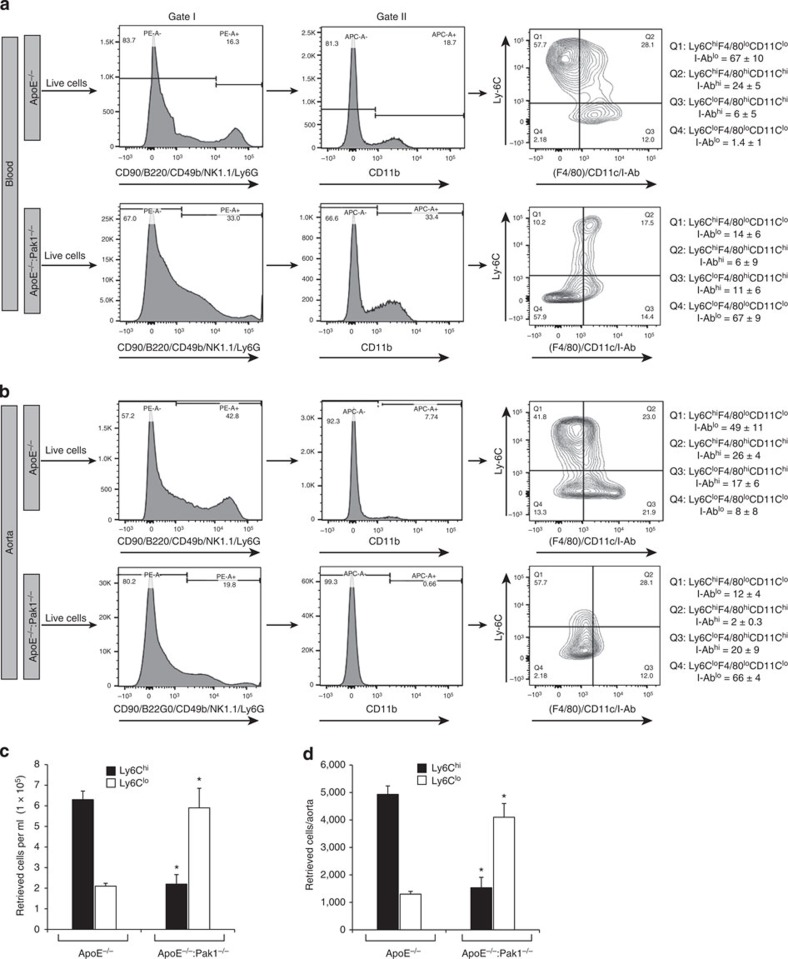
Pak1 plays an important role in various cellular processes, including cell motility, polarity, survival and proliferation. To date, its role in atherogenesis has not been explored. Here we report the effect of Pak1 on atherogenesis using atherosclerosis-prone apolipoprotein E-deficient (ApoE(-/-)) mice as a model. Disruption of Pak1 in ApoE(-/-) mice results in reduced plaque burden, significantly attenuates circulating IL-6 and MCP-1 levels, limits the expression of adhesion molecules and diminishes the macrophage content in the aortic root of ApoE(-/-) mice. We also observed reduced oxidized LDL uptake and increased cholesterol efflux by macrophages and smooth muscle cells of ApoE(-/-):Pak1(-/-) mice as compared with ApoE(-/-) mice. In addition, we detect increased Pak1 phosphorylation in human atherosclerotic arteries, suggesting its role in human atherogenesis. Altogether, these results identify Pak1 as an important factor in the initiation and progression of atherogenesis.
Pak1在包括细胞运动、极性、存活和增殖在内的各种细胞过程中发挥着重要作用。迄今为止,其在动脉粥样硬化发生中的作用尚未得到研究。在此,我们以易患动脉粥样硬化的载脂蛋白E缺陷(ApoE(-/-))小鼠为模型,报告了Pak1对动脉粥样硬化发生的影响。ApoE(-/-)小鼠中Pak1的缺失导致斑块负担减轻,显著降低循环中IL-6和MCP-1水平,限制黏附分子的表达,并减少ApoE(-/-)小鼠主动脉根部的巨噬细胞含量。与ApoE(-/-)小鼠相比,我们还观察到ApoE(-/-):Pak1(-/-)小鼠的巨噬细胞和平滑肌细胞对氧化型LDL的摄取减少,胆固醇流出增加。此外,我们在人类动脉粥样硬化动脉中检测到Pak1磷酸化增加,表明其在人类动脉粥样硬化发生中的作用。总之,这些结果确定Pak1是动脉粥样硬化发生起始和进展中的一个重要因素。