Boutin Sébastien, Alburaki Mohamed, Mercier Pierre-Luc, Giovenazzo Pierre, Derome Nicolas
Institut de Biologie Intégrative et des Systèmes (IBIS), Université Laval, Pavillon Charles-Eugène Marchand, bureau 1253, 1030, Avenue de la Médecine, G1V 0A6, Québec, QC, Canada.
Entomology and Plant Pathology Department, West TN Research and Education Center, The University of Tennessee, 605 Airways Blvd, Jackson, TN, 38301, USA.
BMC Genomics. 2015 Jul 7;16(1):500. doi: 10.1186/s12864-015-1714-y.
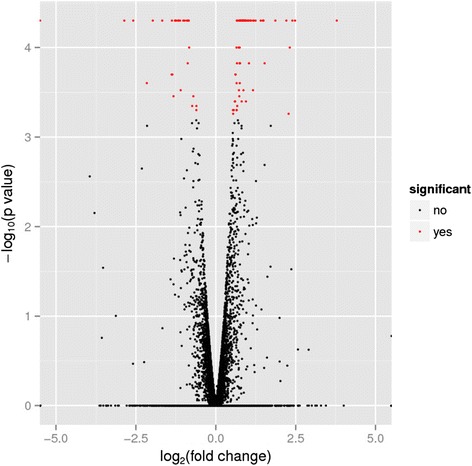
Hygienic behavior is a complex, genetically-based quantitative trait that serves as a key defense mechanism against parasites and diseases in Apis mellifera. Yet, the genomic basis and functional pathways involved in the initiation of this behavior are still unclear. Deciphering the genomic basis of hygienic behavior is a prerequisite to developing an extensive repertoire of genetic markers associated to the performance level of this quantitative trait. To fill this knowledge gap, we performed an RNA-seq on brain samples of 25 honeybees per hives from five hygienic and three non-hygienic hives.
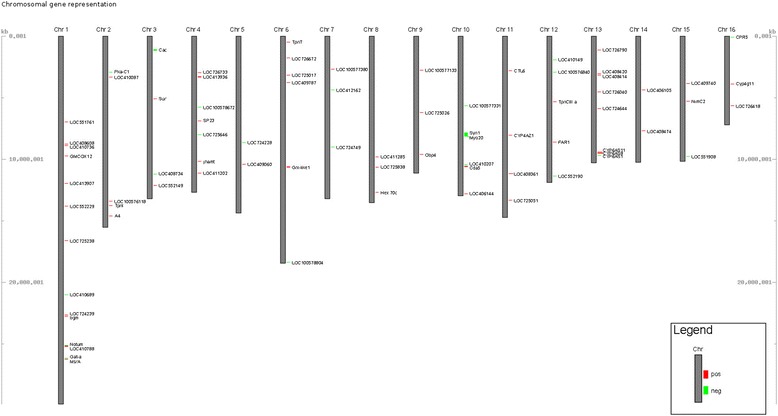
This analysis revealed that a limited number of functional genes are involved in honeybee hygienic behavior. The genes identified, and especially their location in the honeybee genome, are consistent with previous findings. Indeed, the genomic sequences of most differentially expressed genes were found on the majority of the QTL regions associated to the hygienic behavior described in previous studies. According to the Gene Ontology annotation, 15 genes are linked to the GO-terms DNA or nucleotide binding, indicating a possible role of these genes in transcription regulation. Furthermore, GO-category enrichment analysis revealed that electron carrier activity is over-represented, involving only genes belonging to the cytochrome P450. Cytochrome P450 enzymes' overexpression can be explained by a disturbance in the regulation of expression induced by changes in transcription regulation or sensitivity to xenobiotics. Over-expressed cytochrome P450 enzymes could potentially degrade the odorant pheromones or chemicals that normally signal the presence of a diseased brood before activation of the removal process thereby inhibit hygienic behavior.
These findings improve our understanding on the genetics basis of the hygienic behavior. Our results show that hygienic behavior relies on a limited set of genes linked to different regulation patterns (expression level and biological processes) associated with an over-expression of cytochrome P450 genes.
卫生行为是一种复杂的、基于遗传的数量性状,是蜜蜂抵御寄生虫和疾病的关键防御机制。然而,这种行为启动所涉及的基因组基础和功能途径仍不清楚。解读卫生行为的基因组基础是开发与该数量性状表现水平相关的大量遗传标记的先决条件。为了填补这一知识空白,我们对来自五个卫生蜂群和三个非卫生蜂群的每个蜂群中的25只蜜蜂的大脑样本进行了RNA测序。
该分析表明,有限数量的功能基因参与蜜蜂的卫生行为。所鉴定的基因,尤其是它们在蜜蜂基因组中的位置,与先前的研究结果一致。事实上,大多数差异表达基因的基因组序列在先前研究中描述的与卫生行为相关的大多数QTL区域中被发现。根据基因本体注释,15个基因与DNA或核苷酸结合的GO术语相关联,表明这些基因在转录调控中可能发挥作用。此外,GO类别富集分析表明电子载体活性过度代表,仅涉及属于细胞色素P450的基因。细胞色素P450酶的过表达可以通过转录调控变化或对外源化合物敏感性引起的表达调控紊乱来解释。过表达的细胞色素P450酶可能会降解气味信息素或化学物质,这些物质通常在清除过程激活之前发出患病幼虫存在的信号,从而抑制卫生行为。
这些发现增进了我们对卫生行为遗传基础的理解。我们的结果表明,卫生行为依赖于一组有限的基因,这些基因与不同的调控模式(表达水平和生物学过程)相关联,并且与细胞色素P450基因的过表达有关。