Korneev Sergei A, Maconochie Mark, Naskar Souvik, Korneeva Elena I, Richardson Guy P, O'Shea Michael
Sussex Neuroscience, School of Life Science, University of Sussex, Brighton BN1 9QG, UK.
School of Biological and Chemical Sciences, Queen Mary University of London, London E1 4NS, UK.
Sci Rep. 2015 Jul 8;5:11815. doi: 10.1038/srep11815.
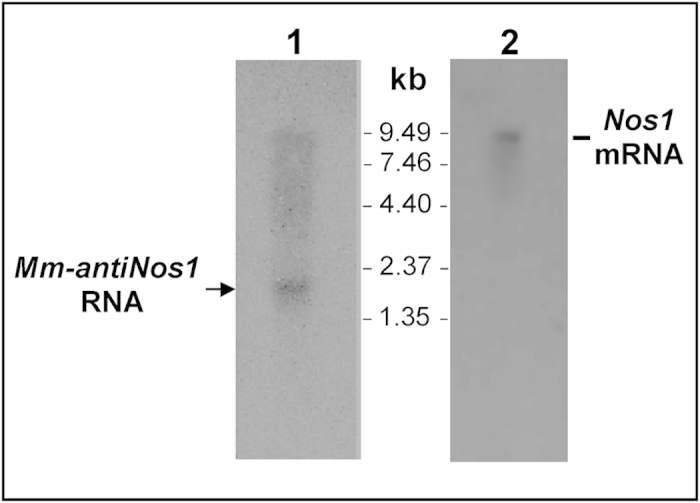
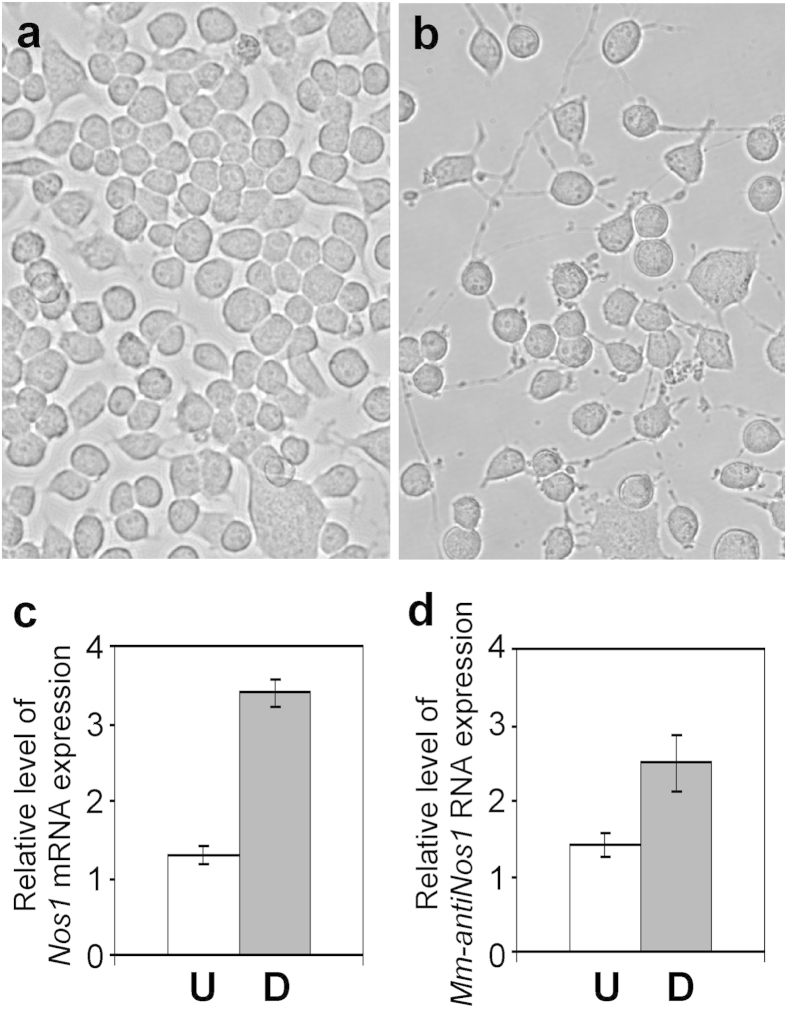
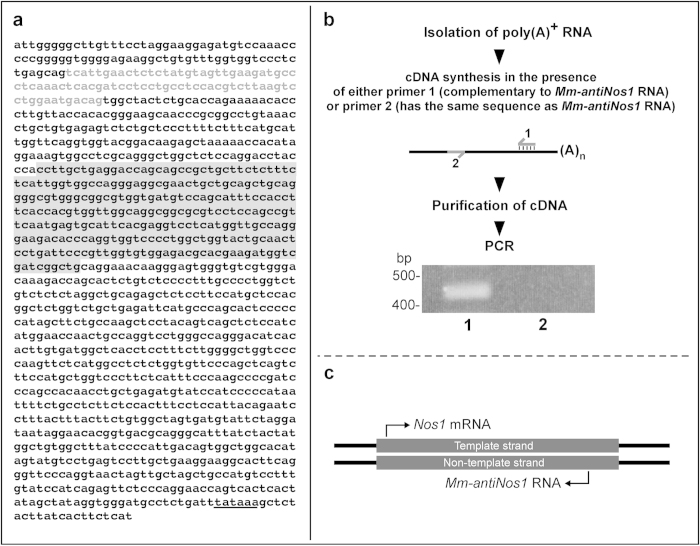
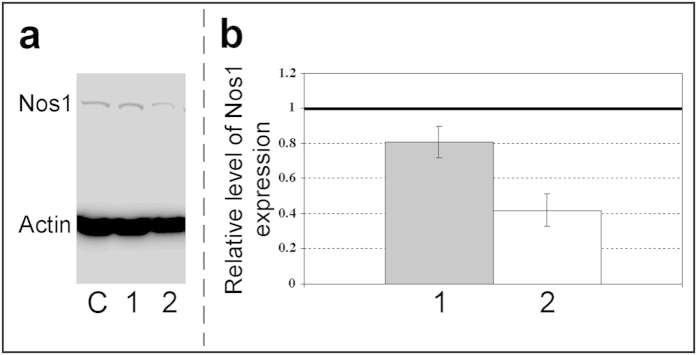
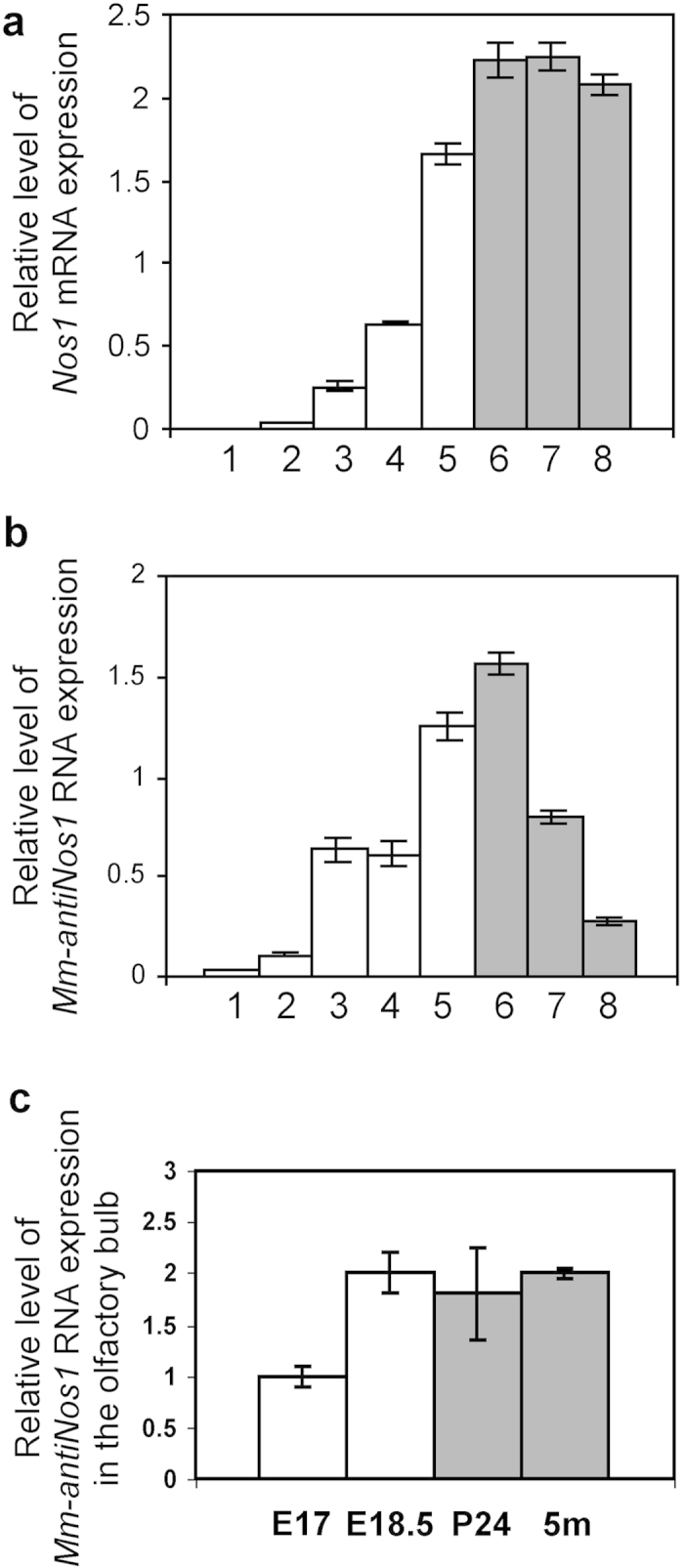
Long non-coding natural antisense transcripts (NATs) are widespread in eukaryotic species. Although recent studies indicate that long NATs are engaged in the regulation of gene expression, the precise functional roles of the vast majority of them are unknown. Here we report that a long NAT (Mm-antiNos1 RNA) complementary to mRNA encoding the neuronal isoform of nitric oxide synthase (Nos1) is expressed in the mouse brain and is transcribed from the non-template strand of the Nos1 locus. Nos1 produces nitric oxide (NO), a major signaling molecule in the CNS implicated in many important functions including neuronal differentiation and memory formation. We show that the newly discovered NAT negatively regulates Nos1 gene expression. Moreover, our quantitative studies of the temporal expression profiles of Mm-antiNos1 RNA in the mouse brain during embryonic development and postnatal life indicate that it may be involved in the regulation of NO-dependent neurogenesis.
长链非编码天然反义转录本(NATs)在真核生物物种中广泛存在。尽管最近的研究表明长链NATs参与基因表达调控,但其中绝大多数的确切功能作用尚不清楚。在此我们报告,一种与编码一氧化氮合酶(Nos1)神经元亚型的mRNA互补的长链NAT(Mm-antiNos1 RNA)在小鼠脑中表达,且从Nos1基因座的非模板链转录而来。Nos1产生一氧化氮(NO),这是中枢神经系统中的一种主要信号分子,参与包括神经元分化和记忆形成在内的许多重要功能。我们发现新发现的NAT对Nos1基因表达具有负调控作用。此外,我们对小鼠胚胎发育和出生后生命过程中Mm-antiNos1 RNA在小鼠脑中的时间表达谱进行的定量研究表明,它可能参与依赖NO的神经发生调控。