Choi Seungwon, Taylor Kelsey P, Chatzigeorgiou Marios, Hu Zhitao, Schafer William R, Kaplan Joshua M
Department of Molecular Biology, Massachusetts General Hospital, Boston, Massachusetts, United States of America; Department of Neurobiology, Harvard Medical School, Boston, Massachusetts, United States of America; Biological and Biomedical Sciences program, Harvard Medical School, Boston, Massachusetts, United States of America.
Cell Biology Division, MRC Laboratory of Molecular Biology, Cambridge, United Kingdom.
PLoS Genet. 2015 Jul 8;11(7):e1005359. doi: 10.1371/journal.pgen.1005359. eCollection 2015 Jul.
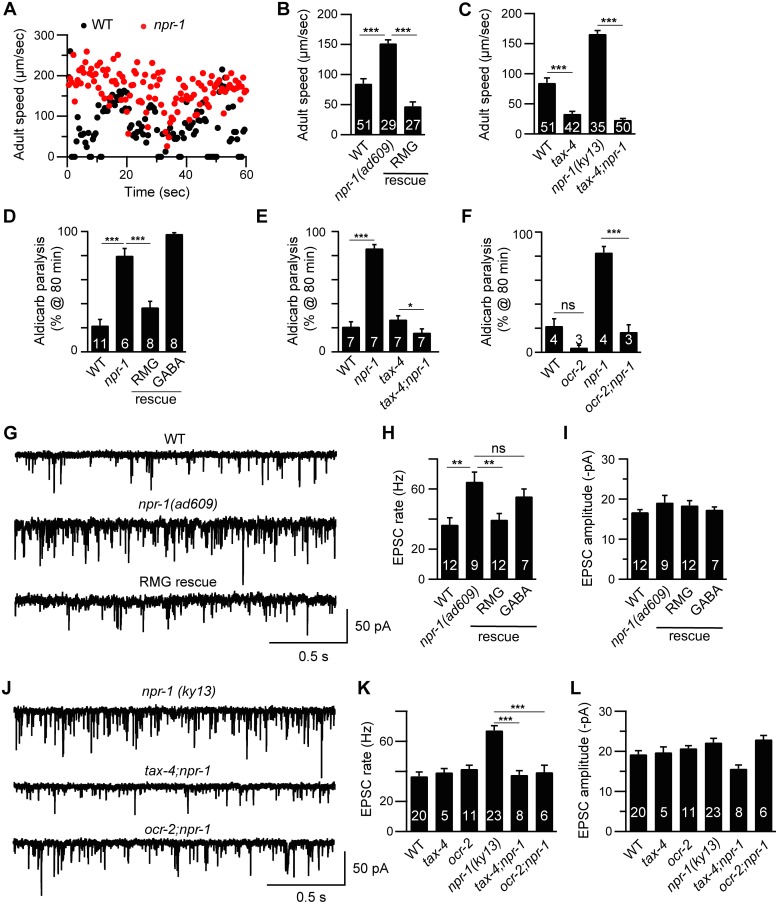
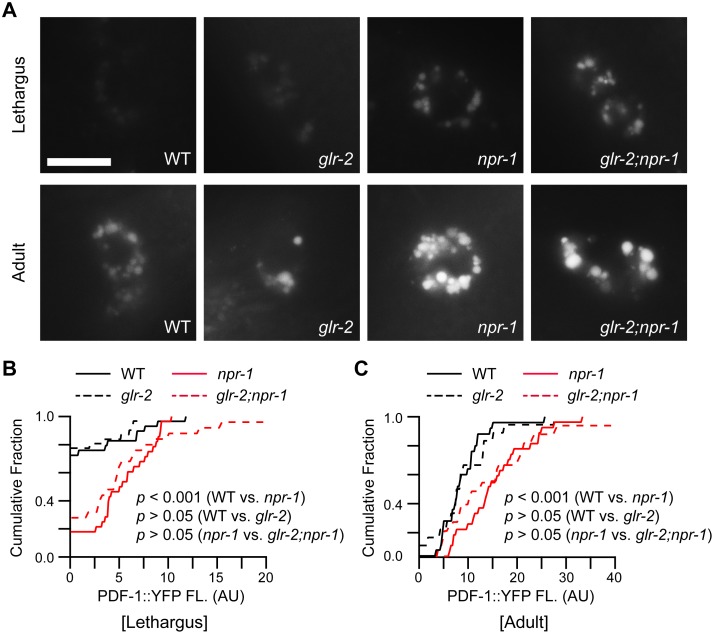
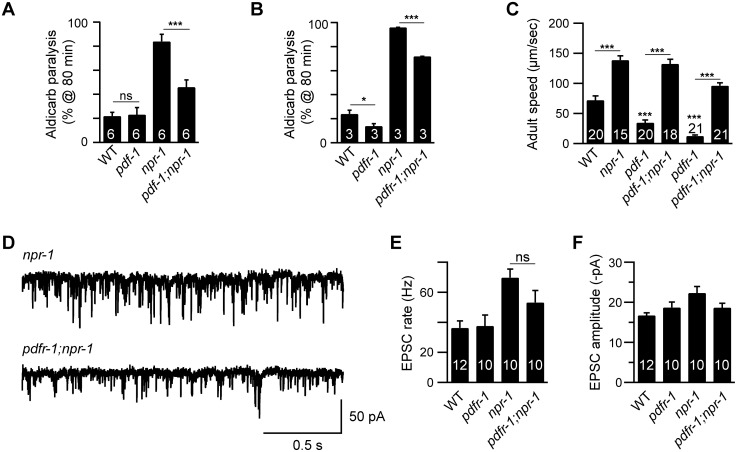
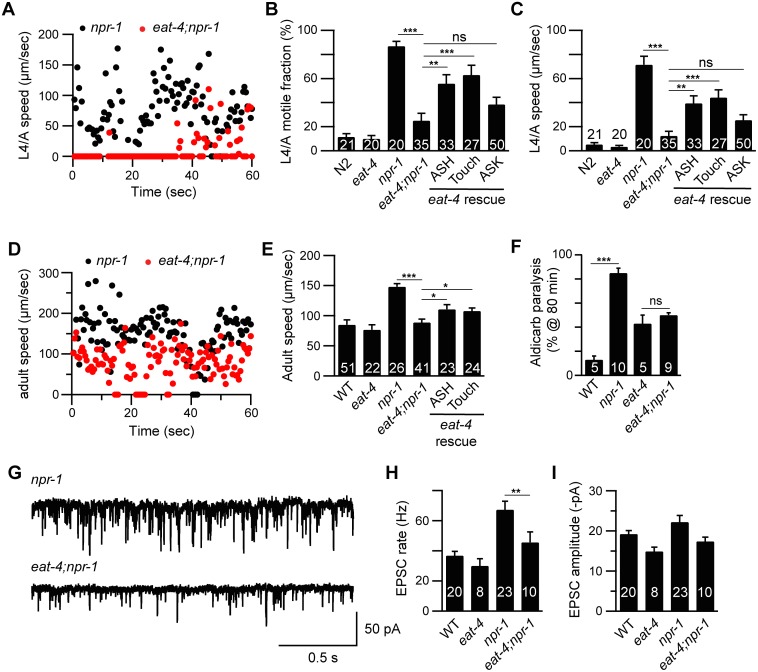
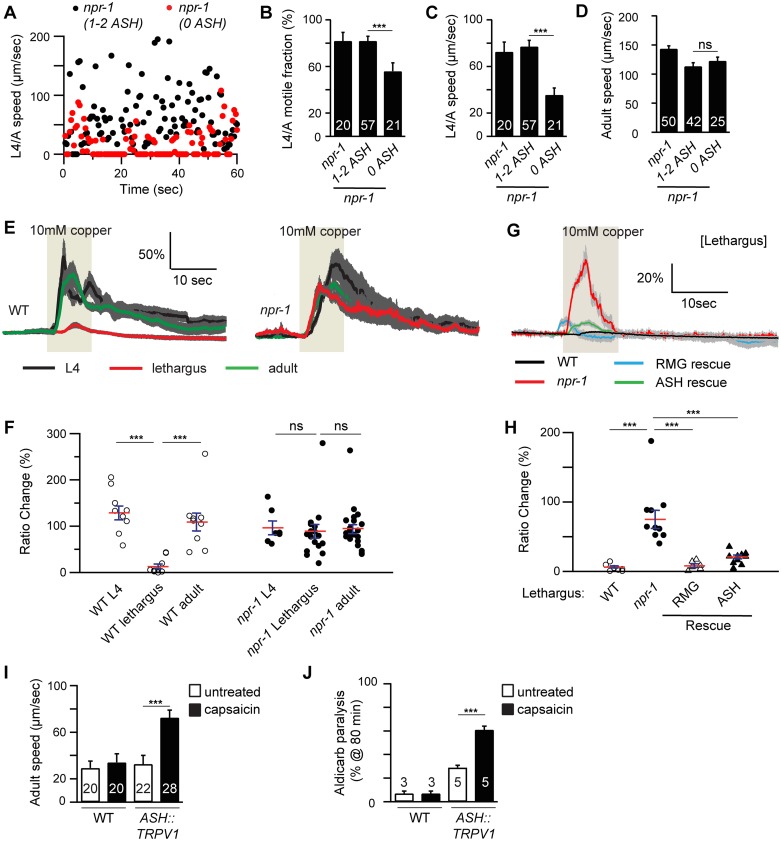
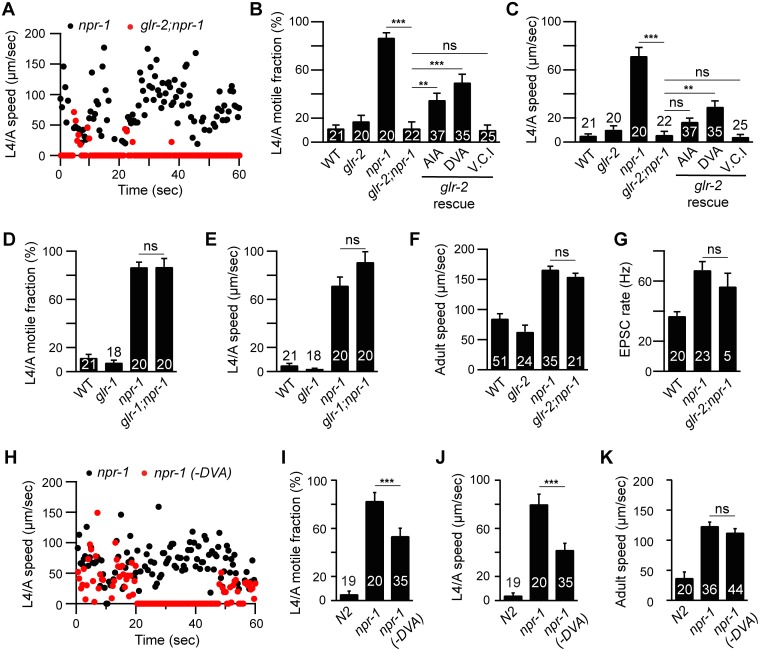
C. elegans undergoes periods of behavioral quiescence during larval molts (termed lethargus) and as adults. Little is known about the circuit mechanisms that establish these quiescent states. Lethargus and adult locomotion quiescence is dramatically reduced in mutants lacking the neuropeptide receptor NPR-1. Here, we show that the aroused locomotion of npr-1 mutants results from the exaggerated activity in multiple classes of sensory neurons, including nociceptive (ASH), touch sensitive (ALM and PLM), and stretch sensing (DVA) neurons. These sensory neurons accelerate locomotion via both neuropeptide and glutamate release. The relative contribution of these sensory neurons to arousal differs between larval molts and adults. Our results suggest that a broad network of sensory neurons dictates transitions between aroused and quiescent behavioral states.
秀丽隐杆线虫在幼虫蜕皮期间(称为 lethargus)以及成虫阶段会经历行为静止期。关于建立这些静止状态的神经回路机制,我们所知甚少。缺乏神经肽受体 NPR - 1 的突变体中,lethargus 和成虫运动静止期会显著减少。在此,我们表明 npr - 1 突变体的活跃运动源于多类感觉神经元的过度活动,包括伤害性感受神经元(ASH)、触觉敏感神经元(ALM 和 PLM)以及伸展感知神经元(DVA)。这些感觉神经元通过释放神经肽和谷氨酸来加速运动。这些感觉神经元对活跃状态的相对贡献在幼虫蜕皮期和成虫期有所不同。我们的结果表明,一个广泛的感觉神经元网络决定了活跃行为状态和静止行为状态之间的转换。