Karlsson Johan, Atefyekta Saba, Andersson Martin
Department of Chemical and Biological Engineering, Chalmers University of Technology, Gothenburg, Sweden.
Int J Nanomedicine. 2015 Jul 8;10:4425-36. doi: 10.2147/IJN.S83005. eCollection 2015.
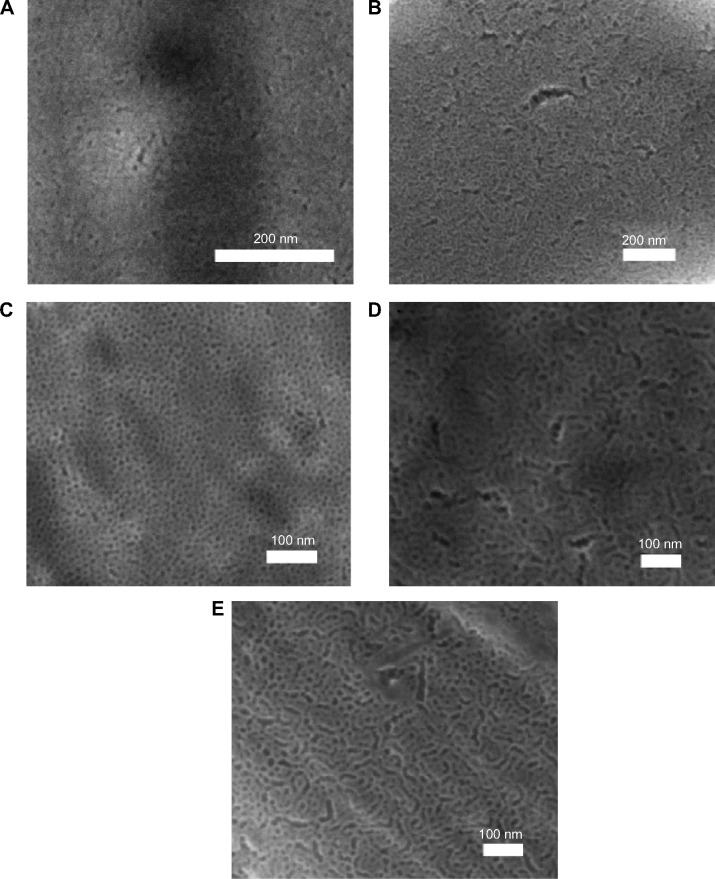
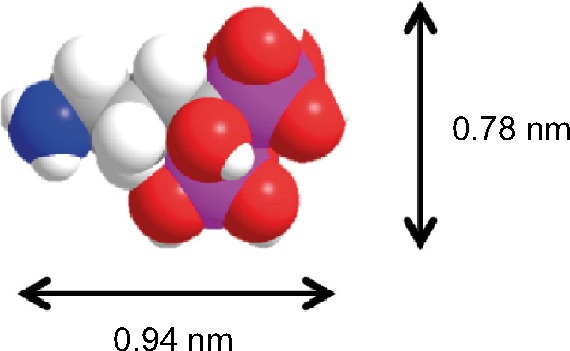
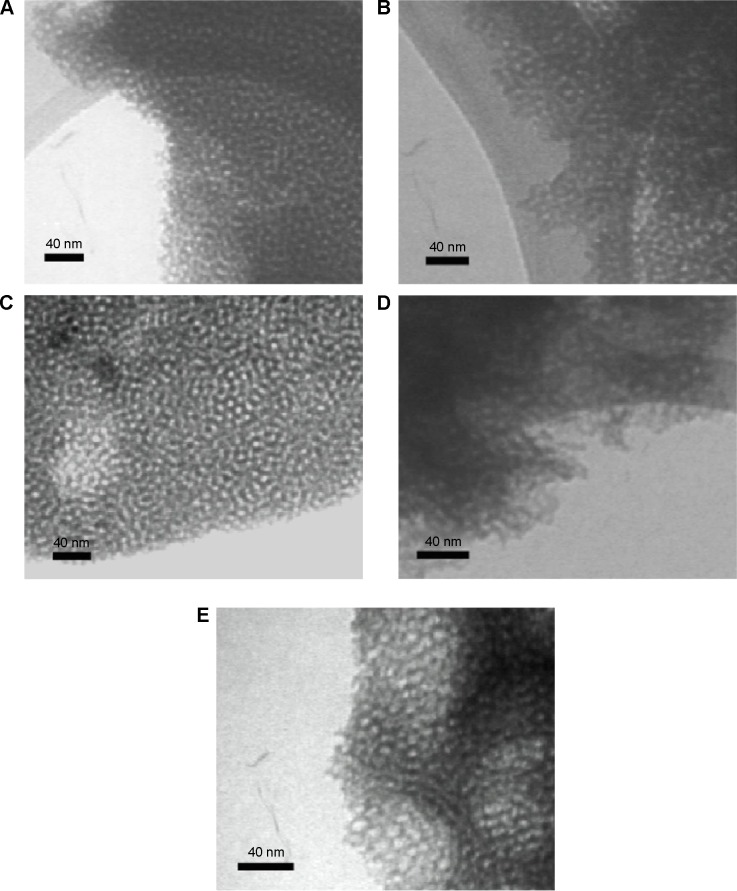
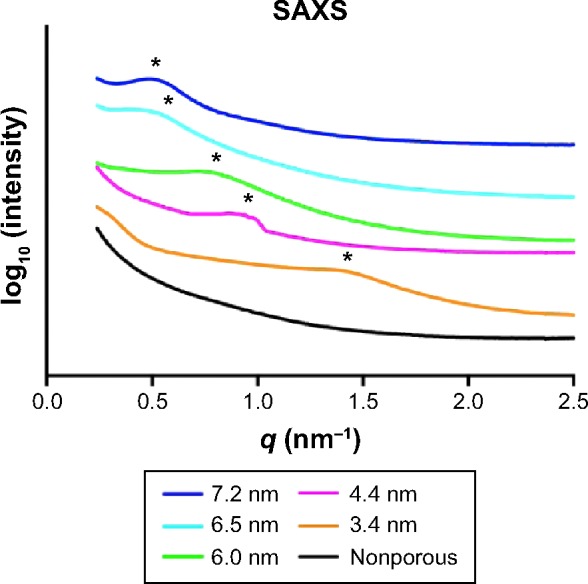
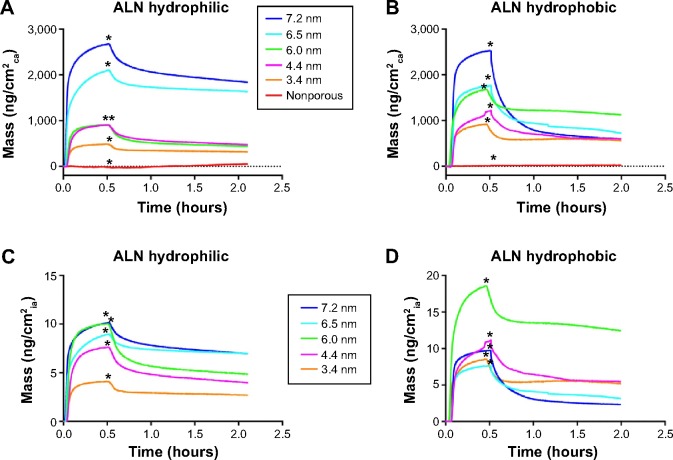
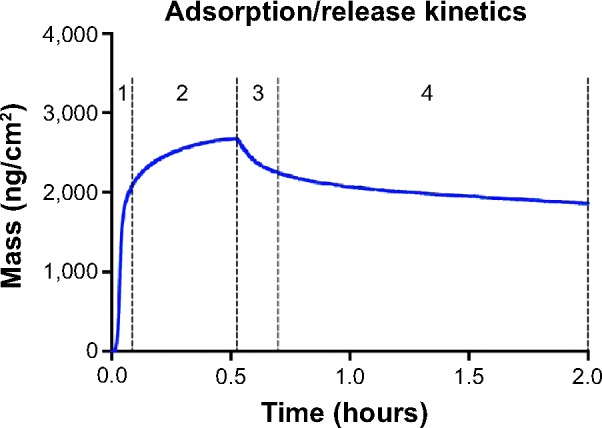
The osseointegration capacity of bone-anchoring implants can be improved by the use of drugs that are administrated by an inbuilt drug delivery system. However, to attain superior control of drug delivery and to have the ability to administer drugs of varying size, including proteins, further material development of drug carriers is needed. Mesoporous materials have shown great potential in drug delivery applications to provide and maintain a drug concentration within the therapeutic window for the desired period of time. Moreover, drug delivery from coatings consisting of mesoporous titania has shown to be promising to improve healing of bone-anchoring implants. Here we report on how the delivery of an osteoporosis drug, alendronate, can be controlled by altering pore size and surface energy of mesoporous titania thin films. The pore size was varied from 3.4 nm to 7.2 nm by the use of different structure-directing templates and addition of a swelling agent. The surface energy was also altered by grafting dimethylsilane to the pore walls. The drug uptake and release profiles were monitored in situ using quartz crystal microbalance with dissipation (QCM-D) and it was shown that both pore size and surface energy had a profound effect on both the adsorption and release kinetics of alendronate. The QCM-D data provided evidence that the drug delivery from mesoporous titania films is controlled by a binding-diffusion mechanism. The yielded knowledge of release kinetics is crucial in order to improve the in vivo tissue response associated to therapeutic treatments.
通过内置药物递送系统给药的药物可提高骨锚定植入物的骨整合能力。然而,为了实现对药物递送的更好控制,并能够递送包括蛋白质在内的不同大小的药物,需要进一步开发药物载体材料。介孔材料在药物递送应用中显示出巨大潜力,可在所需时间段内将药物浓度维持在治疗窗口内。此外,由介孔二氧化钛组成的涂层进行药物递送已显示出有望改善骨锚定植入物的愈合情况。在此,我们报告了如何通过改变介孔二氧化钛薄膜的孔径和表面能来控制骨质疏松药物阿仑膦酸盐的递送。通过使用不同的结构导向模板并添加溶胀剂,孔径在3.4纳米至7.2纳米之间变化。通过将二甲基硅烷接枝到孔壁上,表面能也发生了改变。使用带耗散的石英晶体微天平(QCM-D)原位监测药物的摄取和释放曲线,结果表明孔径和表面能对阿仑膦酸盐的吸附和释放动力学都有深远影响。QCM-D数据提供了证据,表明介孔二氧化钛薄膜的药物递送受结合-扩散机制控制。所获得的释放动力学知识对于改善与治疗相关的体内组织反应至关重要。