Craddock Travis J A, Del Rosario Ryan R, Rice Mark, Zysman Joel P, Fletcher Mary Ann, Klimas Nancy G, Broderick Gordon
Institute for Neuro Immune Medicine, Nova Southeastern University, Ft. Lauderdale, FL, United States of America; Center for Psychological Studies, Nova Southeastern University, Ft. Lauderdale, FL, United States of America; Graduate School for Computer and Information Sciences, Nova Southeastern University, Ft. Lauderdale, FL, United States of America; College of Osteopathic Medicine, Nova Southeastern University, Ft. Lauderdale, FL, United States of America.
Institute for Neuro Immune Medicine, Nova Southeastern University, Ft. Lauderdale, FL, United States of America.
PLoS One. 2015 Jul 20;10(7):e0132774. doi: 10.1371/journal.pone.0132774. eCollection 2015.
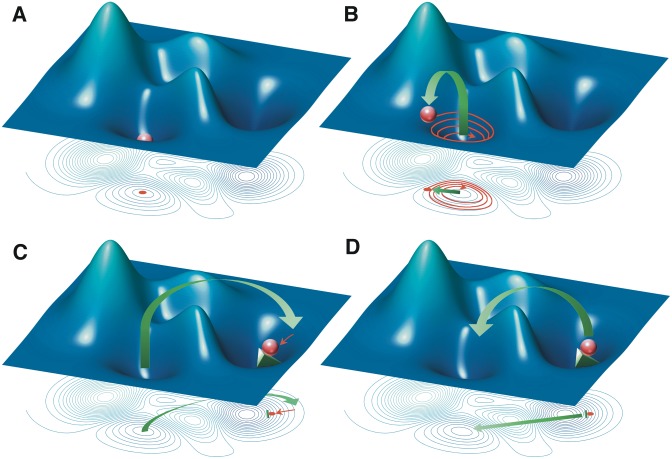
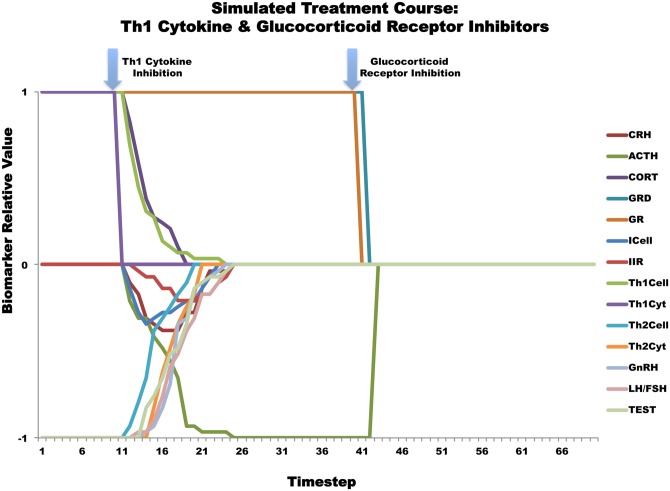
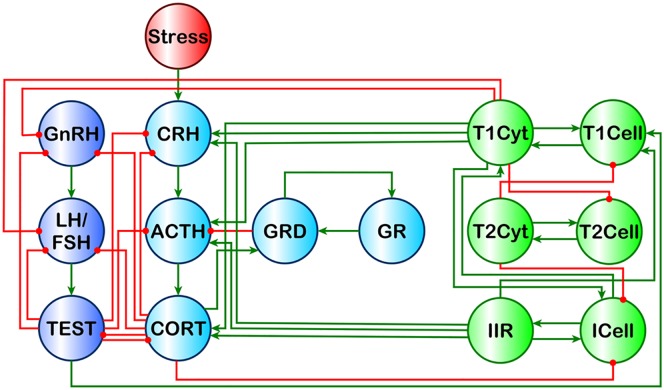
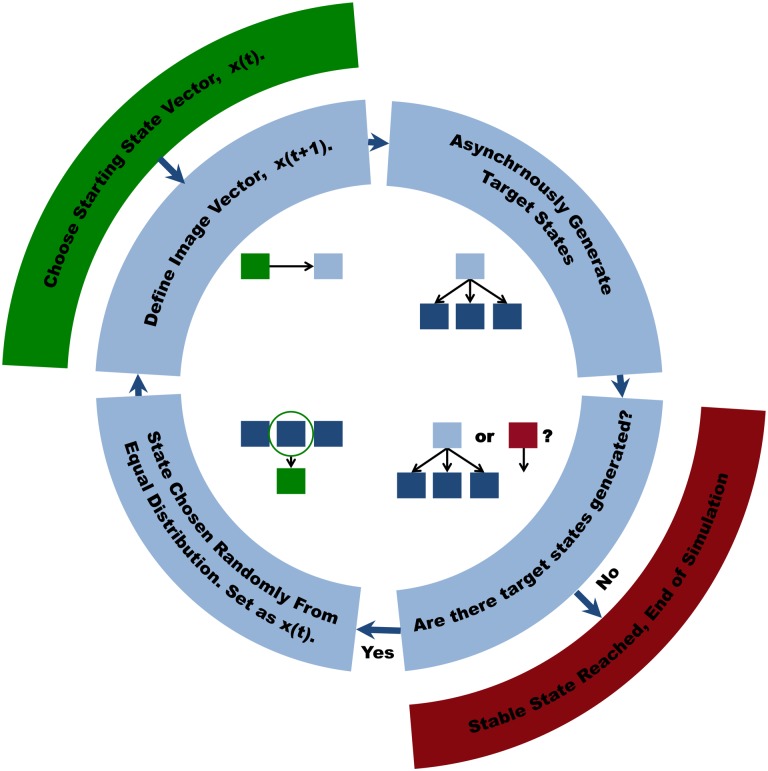
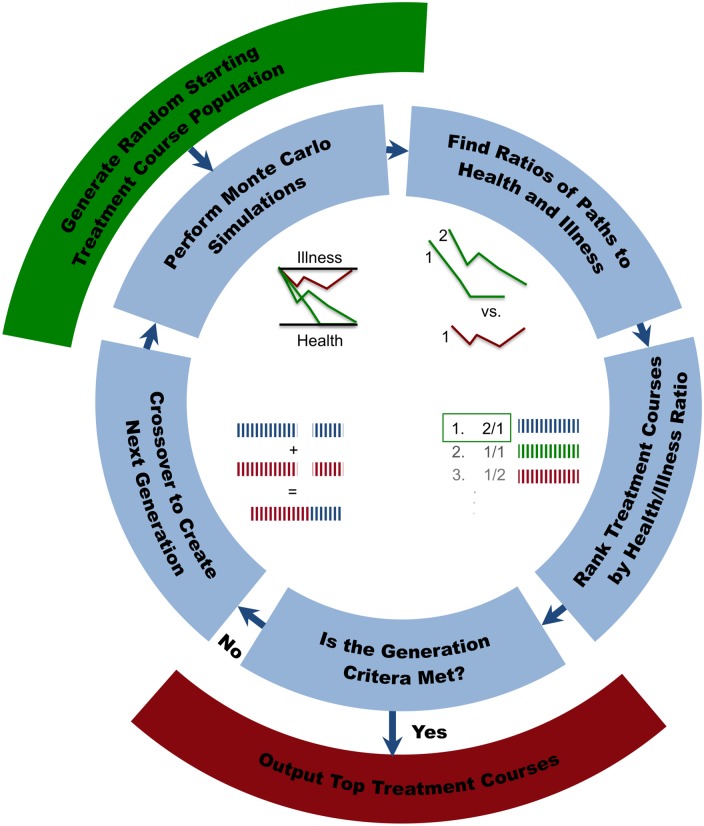
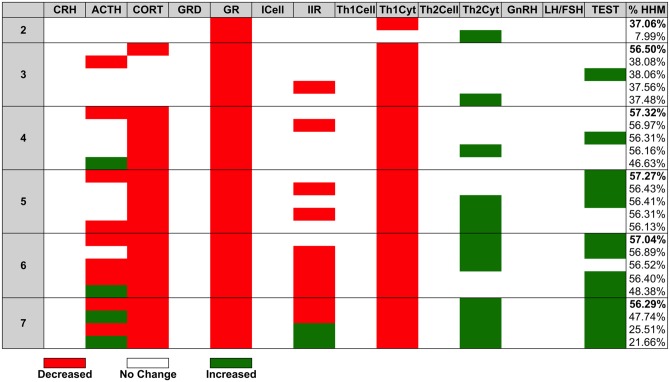
Gulf War Illness (GWI) is a chronic multi-symptom disorder affecting up to one-third of the 700,000 returning veterans of the 1991 Persian Gulf War and for which there is no known cure. GWI symptoms span several of the body's principal regulatory systems and include debilitating fatigue, severe musculoskeletal pain, cognitive and neurological problems. Using computational models, our group reported previously that GWI might be perpetuated at least in part by natural homeostatic regulation of the neuroendocrine-immune network. In this work, we attempt to harness these regulatory dynamics to identify treatment courses that might produce lasting remission. Towards this we apply a combinatorial optimization scheme to the Monte Carlo simulation of a discrete ternary logic model that represents combined hypothalamic-pituitary-adrenal (HPA), gonadal (HPG), and immune system regulation in males. In this work we found that no single intervention target allowed a robust return to normal homeostatic control. All combined interventions leading to a predicted remission involved an initial inhibition of Th1 inflammatory cytokines (Th1Cyt) followed by a subsequent inhibition of glucocorticoid receptor function (GR). These first two intervention events alone ended in stable and lasting return to the normal regulatory control in 40% of the simulated cases. Applying a second cycle of this combined treatment improved this predicted remission rate to 2 out of 3 simulated subjects (63%). These results suggest that in a complex illness such as GWI, a multi-tiered intervention strategy that formally accounts for regulatory dynamics may be required to reset neuroendocrine-immune homeostasis and support extended remission.
海湾战争综合症(GWI)是一种慢性多症状疾病,影响了1991年海湾战争中70万归国退伍军人中的三分之一,目前尚无已知的治愈方法。GWI症状涉及身体的几个主要调节系统,包括使人衰弱的疲劳、严重的肌肉骨骼疼痛、认知和神经问题。我们的研究小组此前利用计算模型报告称,GWI可能至少部分是由神经内分泌-免疫网络的自然稳态调节所致。在这项研究中,我们试图利用这些调节动态来确定可能产生持久缓解的治疗方案。为此,我们将一种组合优化方案应用于一个离散三元逻辑模型的蒙特卡罗模拟,该模型代表了男性下丘脑-垂体-肾上腺(HPA)、性腺(HPG)和免疫系统的联合调节。在这项研究中,我们发现没有单一的干预靶点能使机体强劲地恢复到正常的稳态控制。所有导致预测缓解的联合干预都包括首先抑制Th1炎性细胞因子(Th1Cyt),随后抑制糖皮质激素受体功能(GR)。仅这前两个干预事件就使40%的模拟病例稳定且持久地恢复到正常调节控制。应用第二个周期的这种联合治疗将预测的缓解率提高到了三分之二的模拟受试者(63%)。这些结果表明,在诸如GWI这样的复杂疾病中,可能需要一种正式考虑调节动态的多层次干预策略来重置神经内分泌-免疫稳态并支持长期缓解。