Khattab Mohamed H, Marciscano Ariel E, Lo Simon S, Lim Michael, Laterra John J, Kleinberg Lawrence R, Redmond Kristin J
Department of Radiation Oncology & Molecular Radiation Sciences, Johns Hopkins University, 401 North Broadway, Suite 1440, Baltimore, MD 21231-5678, USA.
Department of Radiation Oncology, Case Western Reserve University, University Hospitals Seidman Cancer Center, Cleveland, OH 44106, USA.
Case Rep Oncol Med. 2015;2015:431819. doi: 10.1155/2015/431819. Epub 2015 Jun 23.
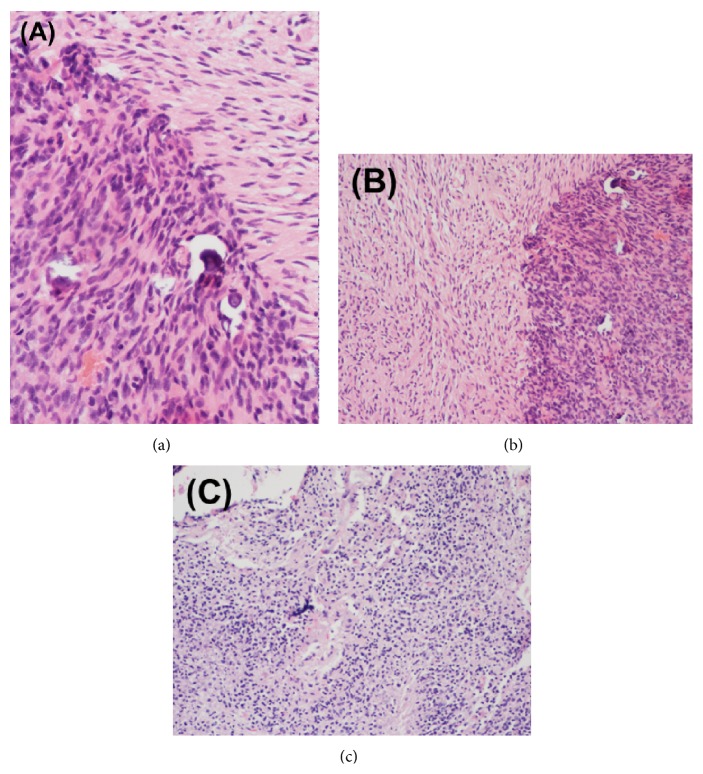
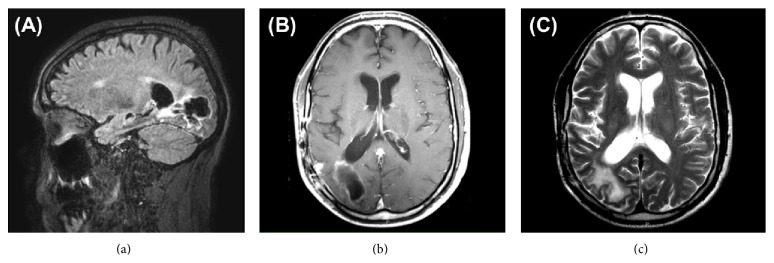
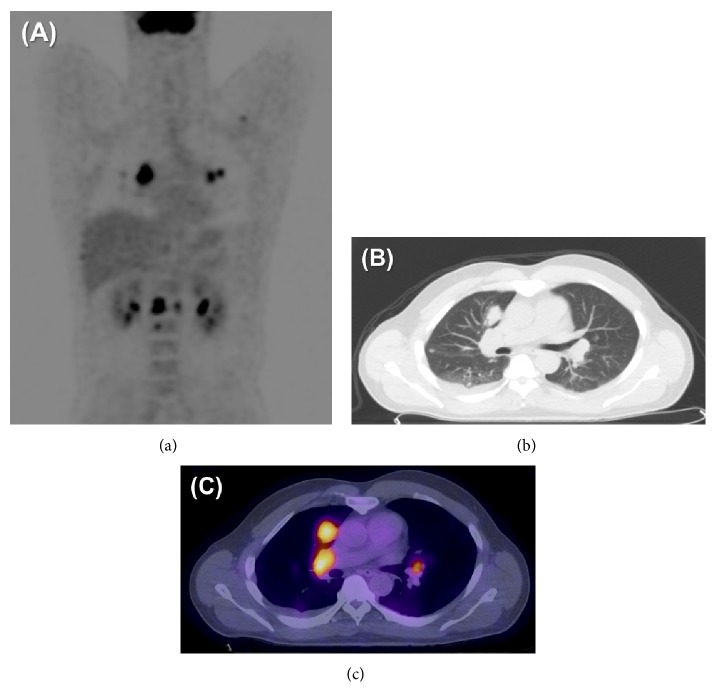
We present a case report of a patient with glioblastoma multiforme (GBM) complicated by extracranial metastasis (ECM) whose survival of nearly four years surpassed the anticipated life expectancy given numerous negative prognostic factors including EGFRvIII-mutation, unmethylated MGMT promoter status, and ECM. Interestingly, while this patient suffered from locally aggressive disease with multiple intracranial recurrences, the proximal cause of death was progressive extracranial disease and complications related to pulmonary metastases. Herein, we review potential mechanisms of ECM with an emphasis upon glioblastoma molecular and genetic profiles and the potential implications of targeted agents such as bevacizumab.
我们报告了一例多形性胶质母细胞瘤(GBM)合并颅外转移(ECM)的病例,尽管存在包括EGFRvIII突变、MGMT启动子未甲基化状态和ECM在内的众多不良预后因素,但该患者近四年的生存期超过了预期寿命。有趣的是,虽然该患者患有局部侵袭性疾病且多次颅内复发,但死亡的近端原因是进行性颅外疾病及与肺转移相关的并发症。在此,我们回顾了ECM的潜在机制,重点关注胶质母细胞瘤的分子和基因特征以及贝伐单抗等靶向药物的潜在影响。